

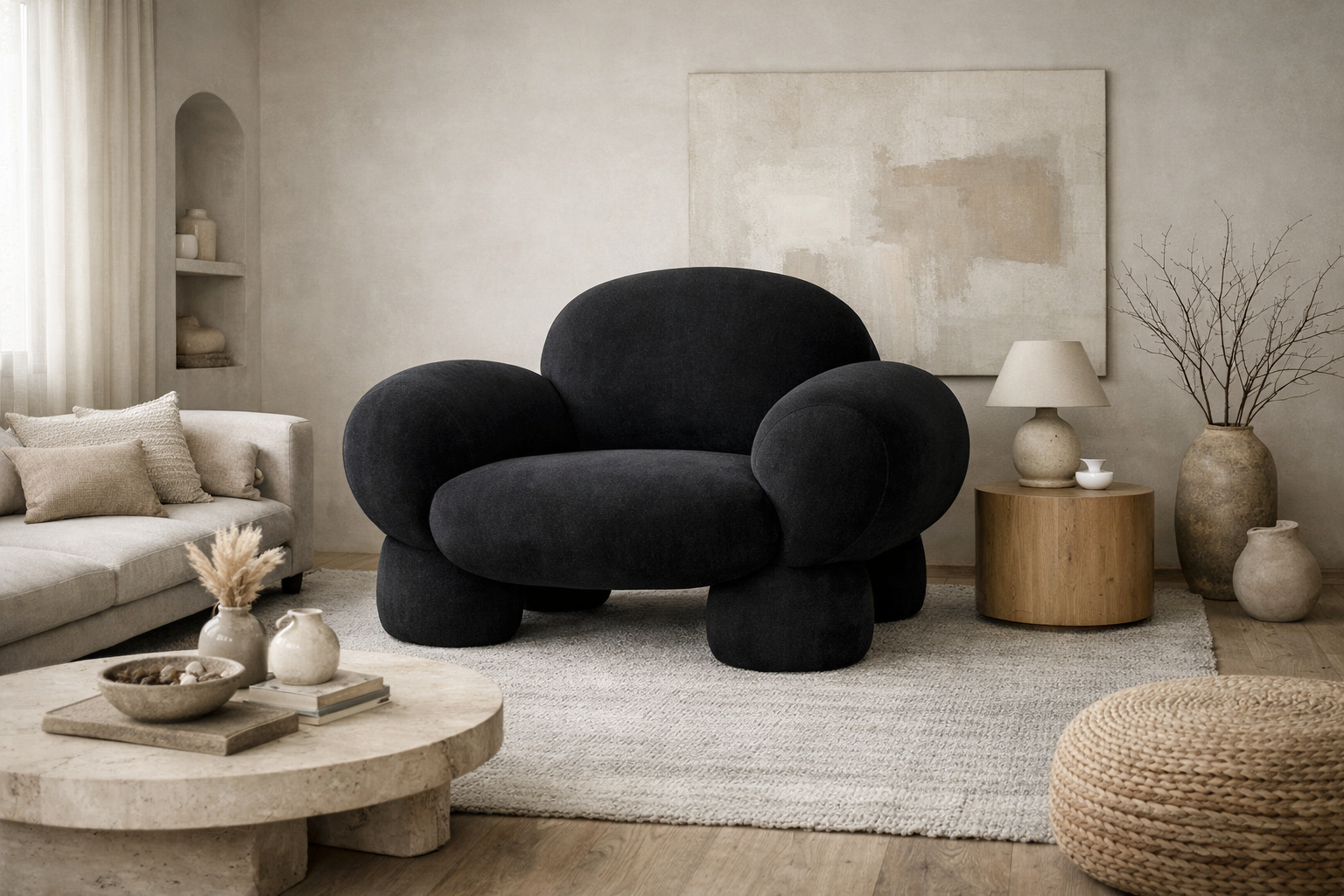
A room rarely becomes memorable because it holds more things. It becomes memorable because one object, placed with intention, gives the eye somewhere to land and gives everything else a reason for being there. This is the logic behind the hero object: a decorative piece so distinctive in form, material, or presence that it sets the tone for an entire space. In good interior design, the most sophisticated rooms are often the ones that could survive with the fewest objects removed.
Why One Object Can Say More Than Ten
The eye can only focus on one thing at a time. When a shelf or console is crowded with small, unrelated pieces, attention scatters and none of them fully registers, the room looks busy without feeling considered.
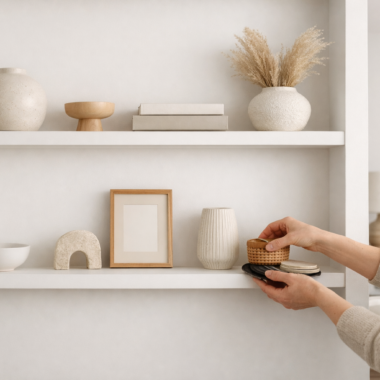
A hero object creates clear visual hierarchy, the first thing a person notices on entering a room, with every other element read in relation to it. Negative space around it matters as much as the object itself, signaling deliberate placement rather than a gap left unfilled.
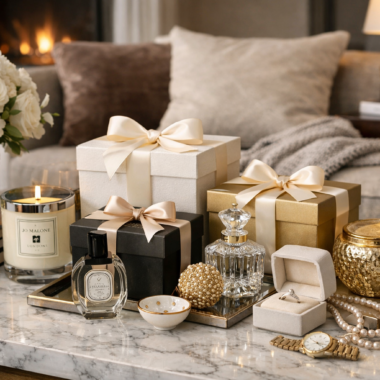
Repetition weakens identity. A cluster of similarly scaled trinkets can start to look like inventory rather than styling, the difference between adding more decoration and building a stronger composition, and the second almost always reads as more expensive.
The Hero Object Principle
Professional stylists rarely begin a room by scattering accessories and hoping for balance. They begin with one decision, which piece will carry the most visual weight, before secondary elements enter the conversation.
Choosing the dominant object first means every supporting piece can be selected to reinforce it, echoing its material, color, or shape, rather than competing with it. The goal is never to fill a surface; it is to give one object enough authority that everything nearby seems chosen because of it, which is why a handful of considered home decor items usually outperforms a larger, less thoughtful collection.
Finding the Surface That Deserves the Spotlight
Not every surface needs a statement piece; treating every tabletop as a stage causes visual fatigue. The right location reveals itself once you consider sightlines: which surface is seen first from the entry, a hallway, or a seated position on a sofa.
Console tables, entryways, and dining sideboards are natural candidates because they sit within a room’s main circulation path. Coffee tables, credenzas, and open shelving work well because they are viewed from several angles throughout the day. Bedside surfaces and empty architectural niches can be surprisingly powerful precisely because they are usually overlooked.
Before choosing a spot, notice what is already dominant, an artwork, a light fixture, a strong piece of furniture, and let the hero object complement it rather than compete with it.
Scale, Proportion, and the Art of Leaving Space
Scale is where good intentions most often go wrong. A beautiful object at the wrong size will vanish into its surroundings or overwhelm them, proportion, not price, decides if a piece reads as considered or random.
Visual weight is not the same as physical size, a dark, dense material can command a room at a modest scale, while a pale object may need more presence to register at all. Height matters relative to eye level and the furniture beneath it. A few principles are worth keeping in mind:
- Let the object occupy roughly a third of the surface it sits on, leaving the rest as intentional negative space
- Choose a width proportionate to the furniture beneath it, a piece too narrow can look stranded on a large surface
- Judge the piece from a seated position, not just from standing height
- Leave clearance so the object does not compete with nearby furniture or artwork
- When uncertain, favor one size larger rather than smaller, an undersized hero object rarely reads as intentional
A confident stylist will break these guidelines when a room calls for it, but understanding them first is what makes exceptions look deliberate.
Four Types of Hero Objects and the Mood They Create
The category of hero object shapes how a room feels, not just how it looks.
Sculptural
Sculptural pieces introduce movement and personality through silhouette, drawing the eye along their lines, suiting contemporary and minimalist interiors with few competing shapes.
Textural
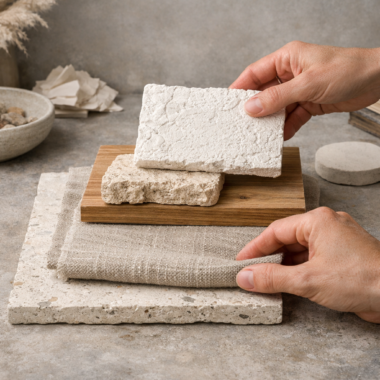
Textural hero objects work through surface rather than form, stone, marble, aged metal, ceramic, or richly finished wood, keeping a pared-back interior from feeling flat.
Luminous
Decorative lamps and other light-interacting objects do more than illuminate; they change how every other material is perceived, warming a palette and shifting a room’s mood after dark, one of the most versatile categories among luxury home decor choices.
Architectural
Objects with strong geometric or structural form, arches, grids, columns, clean planes, bring composure to a room, echoing the building itself for a designed rather than merely decorated character.
Let the Supporting Pieces Play Supporting Roles
Once a hero object is placed, secondary accessories exist to reinforce its mood, not to stand on their own. A few habits keep that balance intact:
- Repeat a material already present in the hero object, even in a smaller quantity
- Echo a shape or silhouette rather than introducing an unrelated form
- Pick up an understated, related color instead of a contrasting one
- Keep supporting pieces quieter in scale, finish, and detail
- Leave intentional negative space between elements rather than filling every gap
A room styled this way feels composed rather than collected.
A More Intentional Approach to Home Decor
Choosing fewer, better pieces is a purchasing decision as much as a styling one, favoring one exceptional find over several forgettable decoration items. This shift is visible in home decor Pakistan audiences are gravitating toward, where interiors increasingly favor considered, material-led pieces over dense, ornamental displays, the same principle that defines strong interior design anywhere. For anyone building a collection of decorative items for home, the useful question is rarely what else to add, but which single piece deserves the most attention in the room.
A sophisticated interior is defined not by how many objects it contains, but by how deliberately its most important pieces are chosen, positioned, and allowed to hold their ground.
Choose one piece that deserves the room, and let Creo Living’s collection of home decor, lamps, furniture, and serveware give it the company it deserves. Fewer, better, more intentional, every time.
FAQs
1. What qualifies as a hero or statement object?
A: A hero object is any decorative piece distinctive enough in form, material, or scale to become a room’s natural focal point. It can be sculptural, textural, luminous, or architectural in character. What matters most is that it commands attention on its own, without relying on surrounding accessories to justify its presence.
2. How large should a statement decorative object be?
A: There is no fixed size, since visual weight matters more than physical dimensions. As a general guide, the object should occupy roughly a third of the surface beneath it, stay proportionate to nearby furniture, and leave enough breathing room to read as intentional rather than crowded or lost.
3. Where should a hero object be positioned?
A: Position it wherever sightlines naturally lead, console tables, entryways, coffee tables, sideboards, or open shelving often work well. Consider what a person sees first on entering a room or sitting down, and place the object where it can command that view without competing with an existing focal point.
4. How many statement objects should one room have?
A: Most rooms benefit from a single dominant hero object per key sightline, rather than several competing for attention. Other rooms or zones within a larger home can have their own anchor, but within one visual field, one confident piece almost always outperforms multiple smaller statement pieces.