

Generosity Meets Design Intent
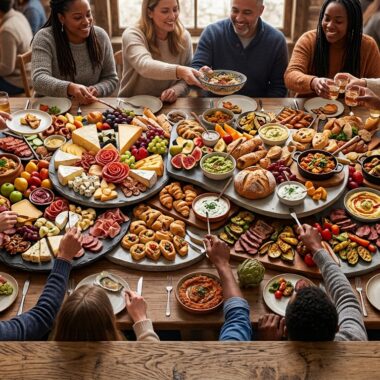
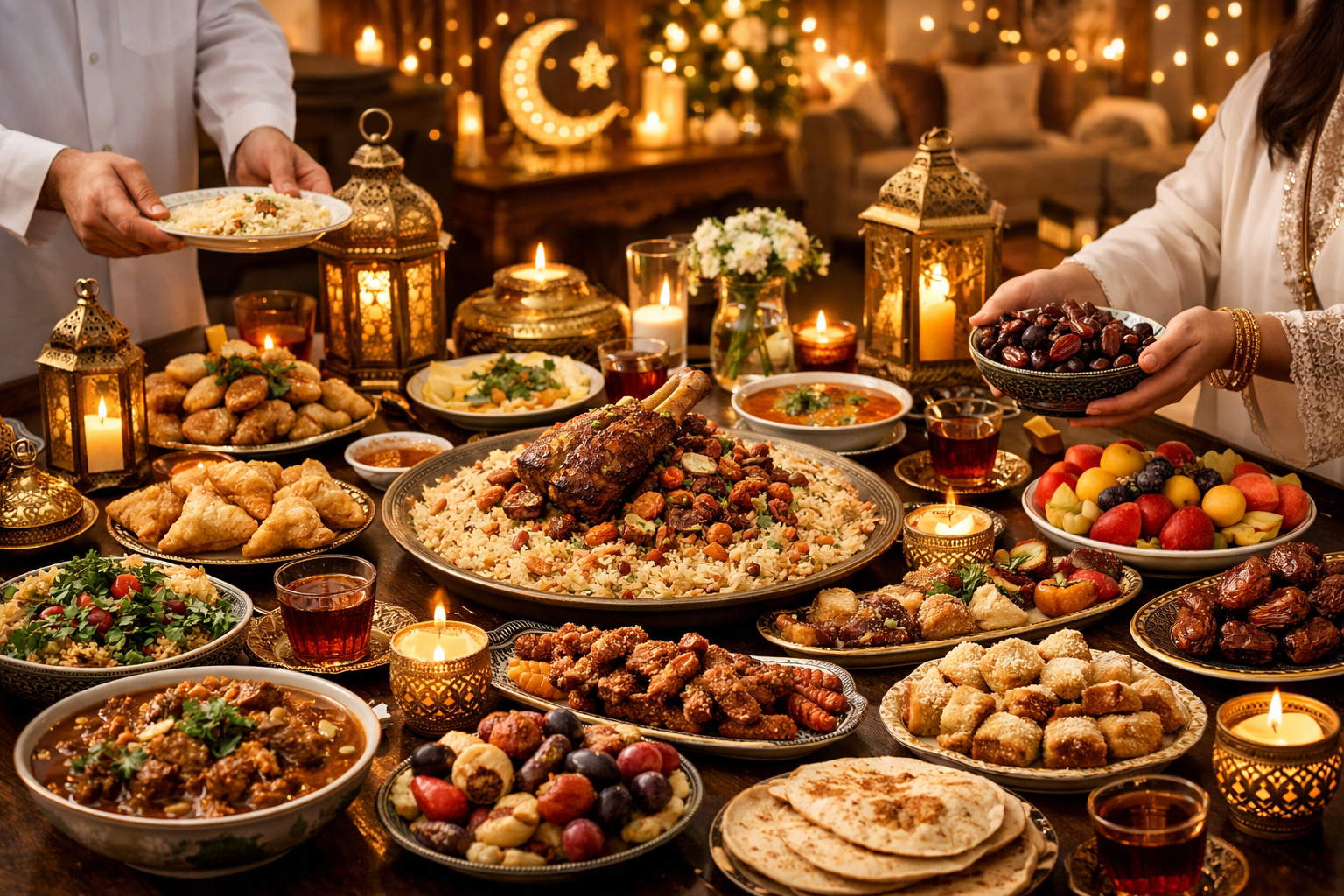
A quiet difference exists between a table crowded with food and a table composed with it. The first tells guests you cooked for hours. The second tells them you thought about how they would feel walking into the room. On Eid, when generations gather around the same cloth, that difference matters.
A thoughtfully designed spread does two things at once: it signals generosity through abundance of dishes and choice, while creating calm rather than clutter. Guests should look at the table and immediately understand where to begin, where the rice ends and the raita starts, where dessert waits once the mains are cleared. That clarity comes from composition, and composition begins with the vessels you choose long before the food touches them.
Visual Layering: Playing with Bowl Scale and Texture
The fastest way to flatten a feast table is to plate everything at the same height, in the same size vessel, spaced evenly like a buffet line. The eye reads that as repetition, not abundance. Real depth comes from staggering scale.
Group your serving bowls into three rough heights: low and wide, mid-height with some volume, and tall or footed pieces that catch the light. Place a deep, footed bowl of biryani or korma near the centre, then let a shallow, wide-lipped dish of raita or salad sit just in front of it, slightly lower. That drop in height pulls the eye across the table instead of letting it skim flat.
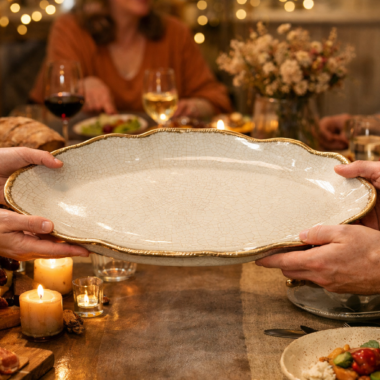
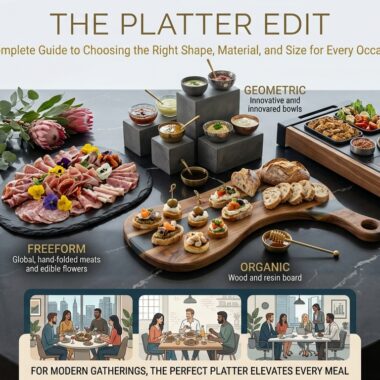
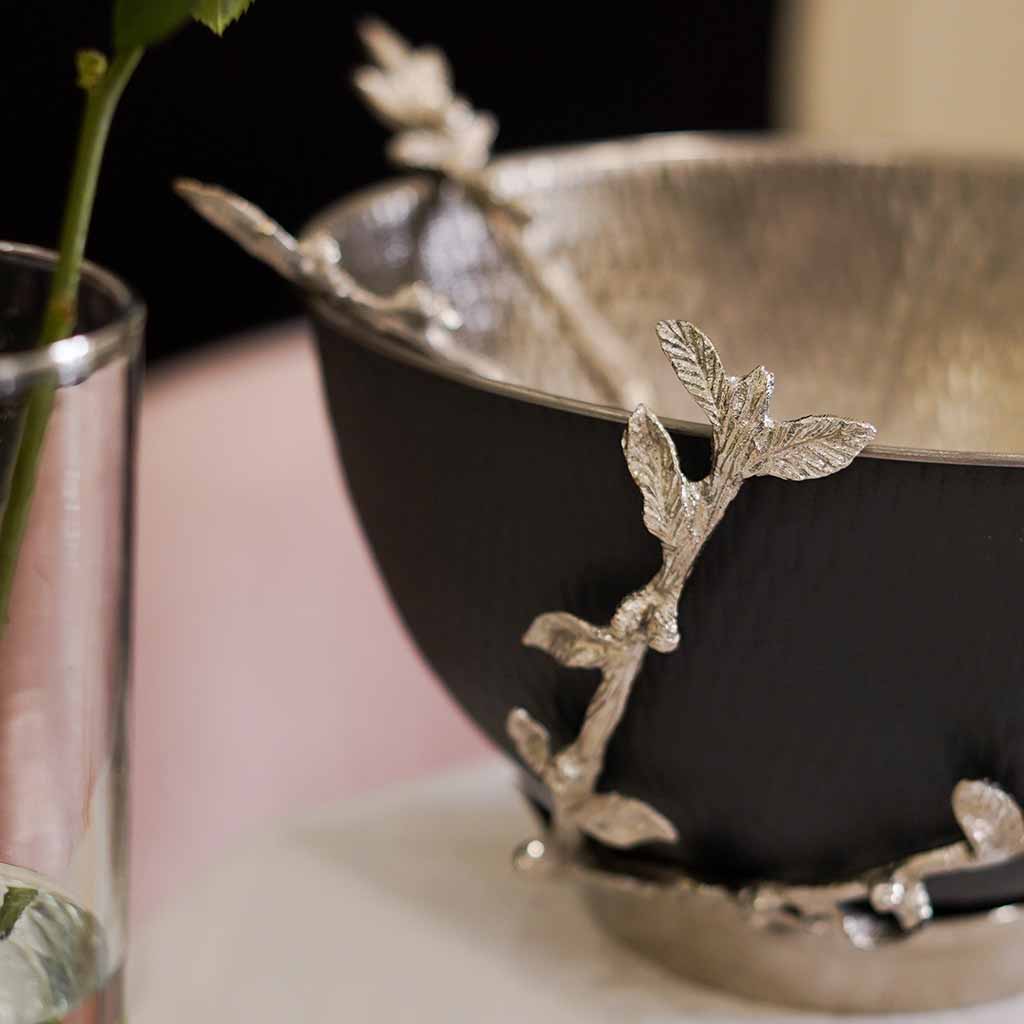
Material does similar work. Mix matte stoneware against a polished metal tray, or a rough-glazed ceramic against smooth marble. Uniform finishes blur the table into one mass; alternating textures give each dish its own moment.
A few staging habits worth keeping close at hand:
- Alternate deep and shallow vessels rather than lining them up by size
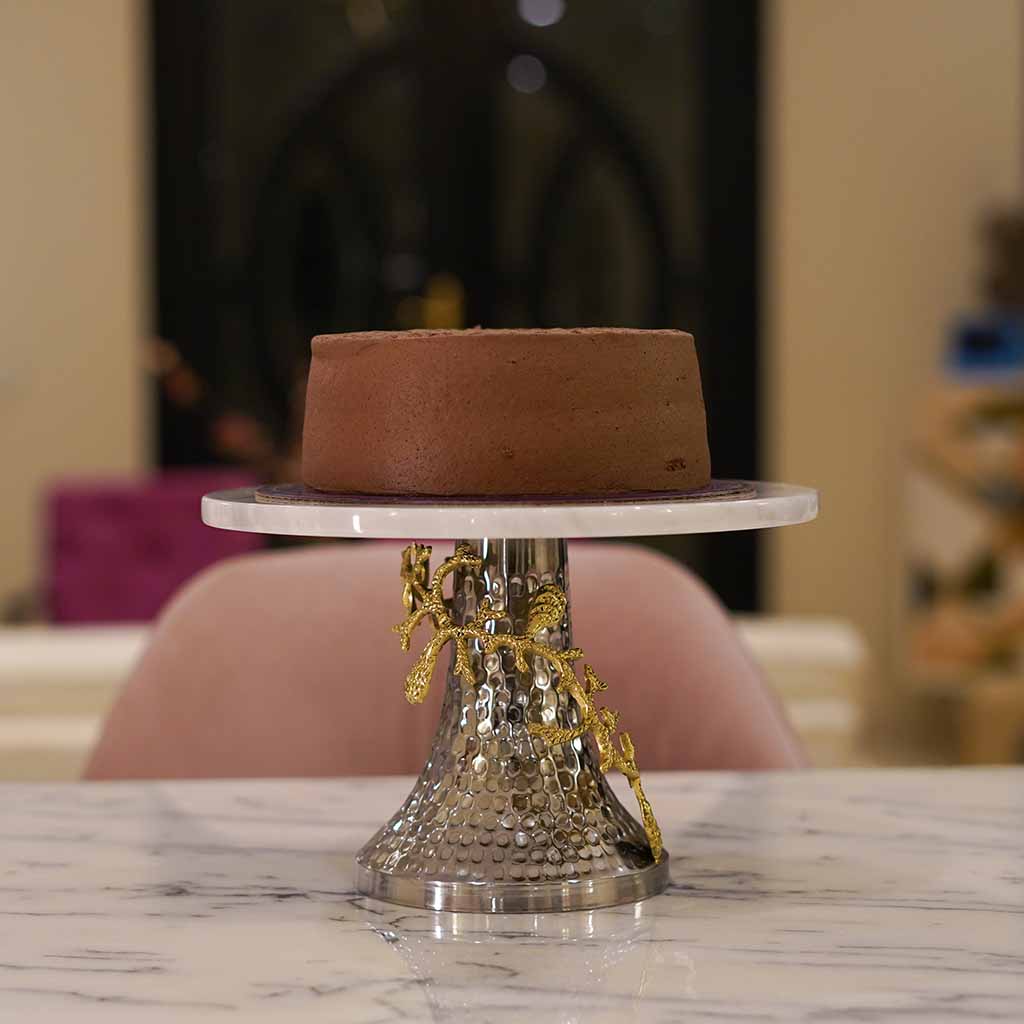
- Let at least one piece have height, a footed bowl, a raised stand, a tiered tray, to break a flat horizon line
- Group in odd numbers of three or five for a more natural, less rehearsed arrangement
- Leave breathing room between clusters so the table doesn’t read as one continuous mass
Chromatic Harmony: Pairing Culinary Tones with Vessel Finishes
Eid food is rich in colour before it touches a plate, the deep browns of nihari, the saffron gold of biryani, the bright green of chutneys and herb salads. The vessel underneath either amplifies that colour or fights it, and this is where otherwise beautiful tables lose their polish.
Warm, slow-cooked dishes, curries, biryanis, spiced meats, glow against materials that share their undertone. Polished brass, warm stoneware, or honey-toned stone pick up the amber and russet in the food itself, so it looks lit from within rather than simply spooned onto a plate.
Cooler, crisper dishes ask for the opposite treatment. A bright herb salad or citrus-dressed vegetable dish looks sharper against cool surfaces, pale marble, or hand-finished ceramic salad serving bowls in a soft white or celadon glaze. The contrast between vivid green and quiet ceramic does more for a dish’s presence than any garnish could.
This is the underlying logic behind how design-conscious hosts approach dinnerware Pakistan-wide when planning a grand family dawat: not matching everything to a single set, but pairing warm food with warm materials and crisp food with cool ones.
The Festive Ensemble: Building Beyond the Dish
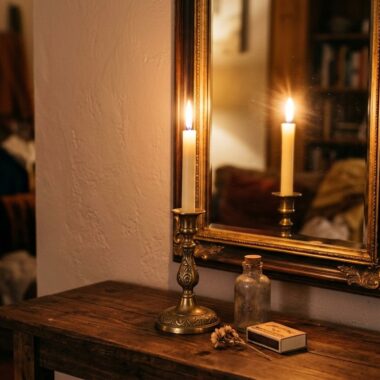
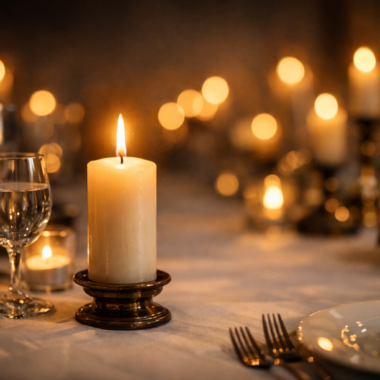
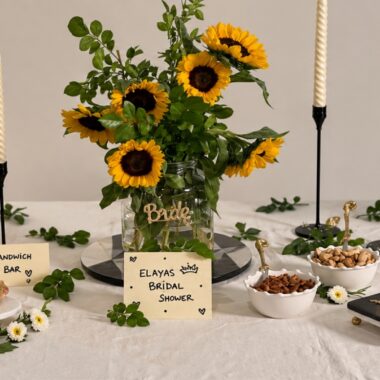
A spread stops being just food once the surrounding elements do their part. Height is the first tool, a cluster of candle stands or scattered tea lights along the table’s spine gives the eye somewhere to travel between courses and softens the room as evening settles in.
Metallic serving trays are the next layer, framing a central dish rather than merely containing it. A tiered dessert cake stand does similar work at the sweet end, giving barfi, cheesecakes, or kunafa a sense of occasion instead of sitting flat on the cloth.
None of this should cost function. However elaborate the arrangement, guests still need a clear path to serve themselves without reaching across candles or unsettling a stacked tray. The best tablescapes are the ones where styling and logistics were planned together, not layered on as an afterthought.
The Eve-of-Eid Staging Strategy: Stress-Free Hosting
Every host who seems unbothered on Eid morning has usually done the real work the night before. Staging the table’s geography in advance, deciding which vessel goes where, testing height combinations, and confirming trays and stands actually fit the space removes most of the decision-making from a morning with far less time and far more happening in the kitchen.
A short pre-event checklist makes this manageable:
- Lay out empty vessels in their intended positions the evening before, to confirm spacing and sightlines
- Note which dishes go into which piece, so plating on the day is quick and automatic
- Check that trays, stands, and larger bowls are clean, dry, and free of any lingering odour from storage
- Keep a couple of extra pieces on hand for last-minute additions or unexpected guests
That last point is worth planning for early. If your current collection feels limited to one finish or one scale, it is worth taking the time before the festive rush to buy serving bowls online in Pakistan, so you have the range of heights, textures, and tones this kind of layered table actually needs, rather than improvising with whatever is already in the cupboard.
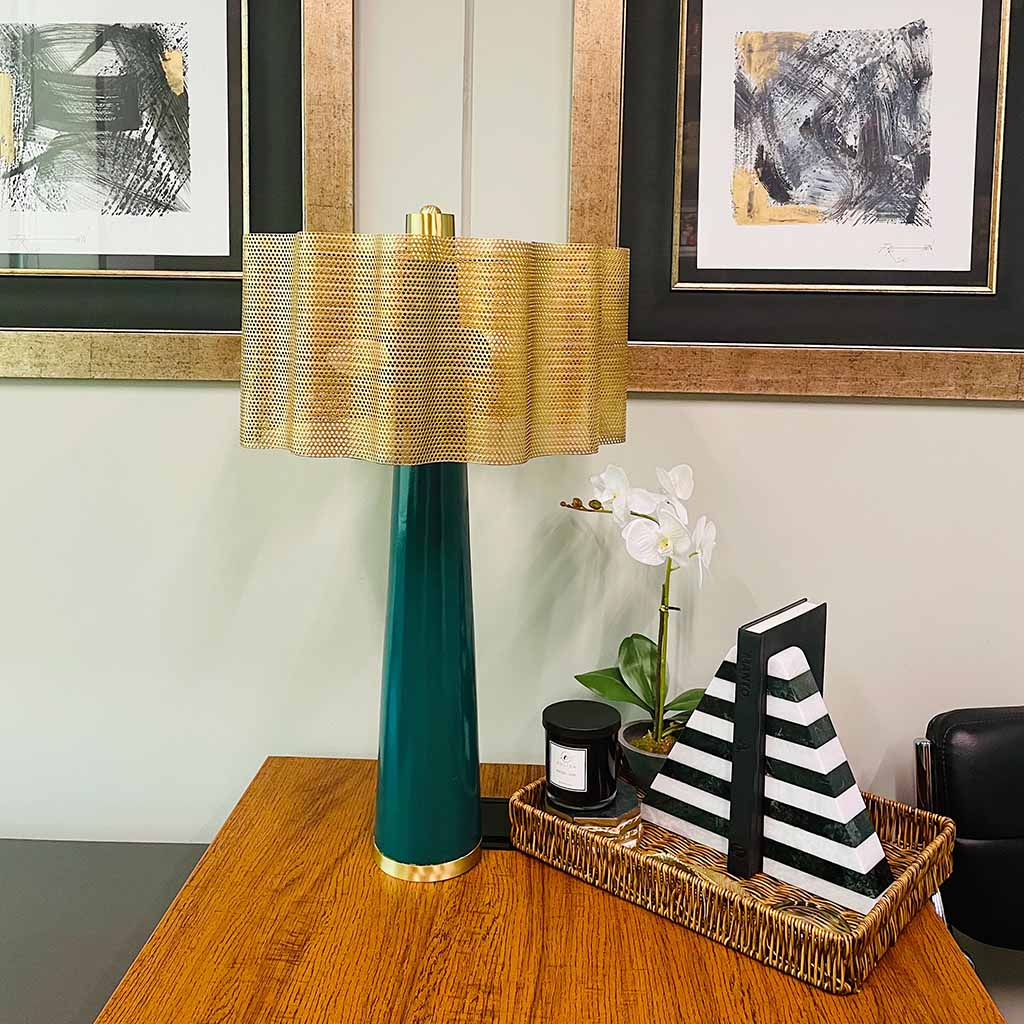
Give this Eid the table it deserves, styled with pieces built to hold both the weight of the feast and the warmth behind it. Creo Living’s collection of serveware, lamps, and home accessories carries that same intent into every gathering.
FAQs
1. How far in advance should I plan my Eid table layout?
A: Aim for the evening before. Laying out empty vessels first lets you test height and spacing without the pressure of hot food waiting to be served.
2. How do I care for stoneware and ceramic serving pieces after heavy use?
A: Let them cool before washing, avoid sudden temperature changes with cold water, and hand wash glazed ceramic where possible to protect the finish over repeated festive seasons.
3. How many different vessel types does a table actually need?
A: Three height levels and two or three materials are usually enough. More variety than that starts to compete rather than complement.
4. What’s the simplest way to prevent a table from looking cluttered?
A: Group dishes in small clusters with breathing room between them, rather than spacing every dish evenly across the table.