

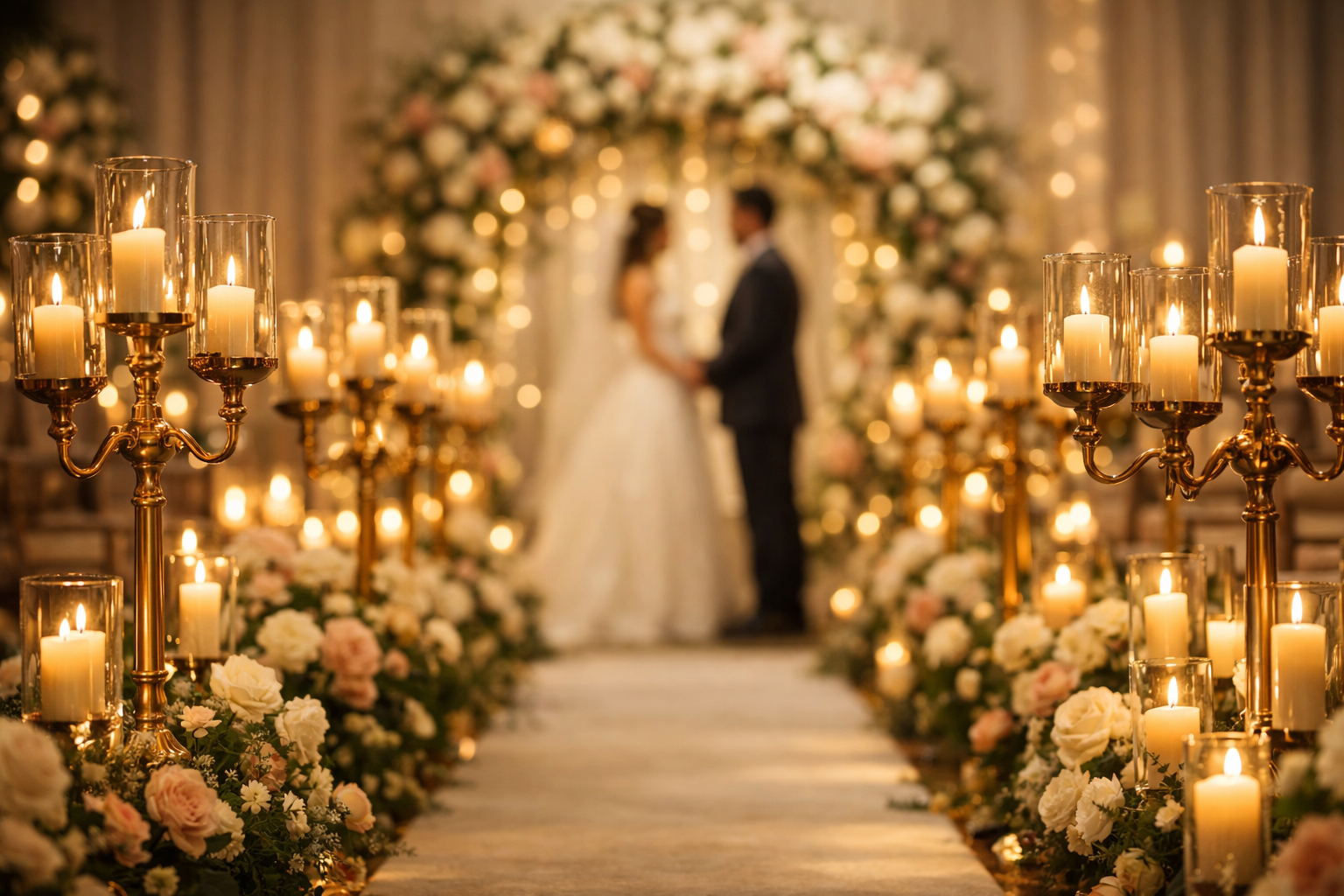
When Candlelight Becomes Architecture
There is a moment at most weddings when the overhead lights finally come down. The hall stops looking like a room that has been decorated and starts feeling like a place with a mood. Faces soften. Gold thread in a sharara catches light it never caught before. The flowers, which looked slightly too bright an hour ago, settle into something richer.
Candlelight does that. But candlelight alone does not design a venue, it only warms it. What gives that light shape, rhythm and presence is the structure holding it: the candle stand. Scattered flames create atmosphere. Considered candle stands create composition.
Why Candlelight Changes the Wedding Atmosphere
The appeal isn’t mysterious. Warm light sits in a low colour-temperature range that reads as intimate rather than institutional, roughly the 2200K–3000K band that mimics the glow of a candle or an old incandescent bulb, and softer, lower light tends to make people relax and linger rather than move through a space. A mehndi evening under flat white light feels like an event being documented. The same courtyard, lit low and warm, feels like something being experienced.
Candlelight also flatters the materials our celebrations are already built from. Raw silk, tissue, velvet, mirror work, brass serveware, marble flooring, polished cutlery, all of these respond to a moving flame in a way they never respond to a ceiling fixture. At a nikah, restraint and warmth matter more than brightness. At a dholki, pockets of light make a large family room feel gathered rather than sprawling. At a reception, candlelight gives a vast hall something a chandelier cannot: intimacy at eye level.
Tea Lights Are Not the Same as Candle Stand Design
A hundred tea lights scattered across a venue will produce light. They will rarely produce design.
The difference is not quantity. It is deliberateness. A tea light sits at surface level and disappears the moment a guest stands up. A candle stand lifts flame off the table, holds it at a chosen height, and repeats that gesture across a space so the eye can follow it.
A considered candle stand arrangement can:
- Frame an important visual point, such as a stage, doorway or head table.
- Direct attention toward a ceremony rather than competing with it.
- Create depth in a large venue instead of a flat field of glow.
- Break up visually empty stretches of floor, lawn or wall.
- Give entrances and dining tables real presence in photographs.
Designers achieve this with simple tools: grouping, spacing, symmetry where formality is wanted, and gentle asymmetry where it isn’t. A useful working rule is to repeat shapes so the setting looks settled, vary height on purpose, and leave negative space so the eye has somewhere to rest.
Floor-Standing Candle Stands Can Shape the Venue
This is where candle stands stop being décor and start behaving like architecture.
Frame the aisle
Repeated stands along a walkway define a route before anyone walks it. Consistent spacing does most of the work; the flames simply mark the rhythm.
Define the entrance
A grouping at the threshold sets expectation. Guests should sense the evening’s temperature before they see the main hall.
Anchor the reception
Tall pieces placed around or behind tables add vertical drama without crowding the tabletop or blocking conversation. Behind a stage, a controlled cluster frames the couple without pulling focus toward itself.
Hold an outdoor space together
Lawns, terraces and courtyards have no walls to lean on. Floor-standing stands supply the vertical punctuation that open air lacks.
Placement still has to be practical. Stability on uneven ground, distance from dupattas and moving guests, shelter from wind, heat above the flame, and the venue’s own fire rules all decide what is genuinely usable. A beautiful piece in the wrong position is a hazard, not a feature.
Why Height Creates Drama
A venue lit at a single level looks flat, no matter how many candles are burning. Layering fixes this.
Think of a room in three planes: low candles on the table in the foreground, medium stands around the dining zone in the midground, and taller floor pieces framing pillars, drapes or archways in the background. The eye travels between them, and the space acquires depth. Offset arrangements and mixed candle heights read as relaxed and organic, and they photograph better than perfectly matched pairs.
Scale matters too. High ceilings absorb short pieces; a low-roofed dining room can be overwhelmed by tall ones.
Styling Candle Stands on the Table
Table pieces follow different rules to floor pieces. Here, function and sightlines govern everything.
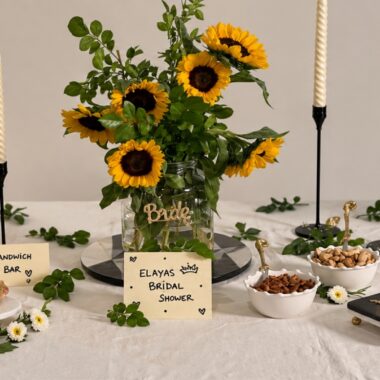
Good candle stands for table decor either sit below eye level or lift the flame well above it, so guests are never looking through fire at the person opposite. The awkward middle height, just tall enough to obstruct, is the one to avoid.
A few practical habits:
- Odd-numbered groupings of three or five usually look more natural than pairs.
- Let florals stay low if the candle stands carry the height, and vice versa.
- Keep the centre line clear enough for platters to move.
- Repeat one material or finish across the table so the setting reads as intentional.
Choosing Materials That Work Beyond the Wedding
Material decides whether a piece feels like event hire or an object worth keeping.
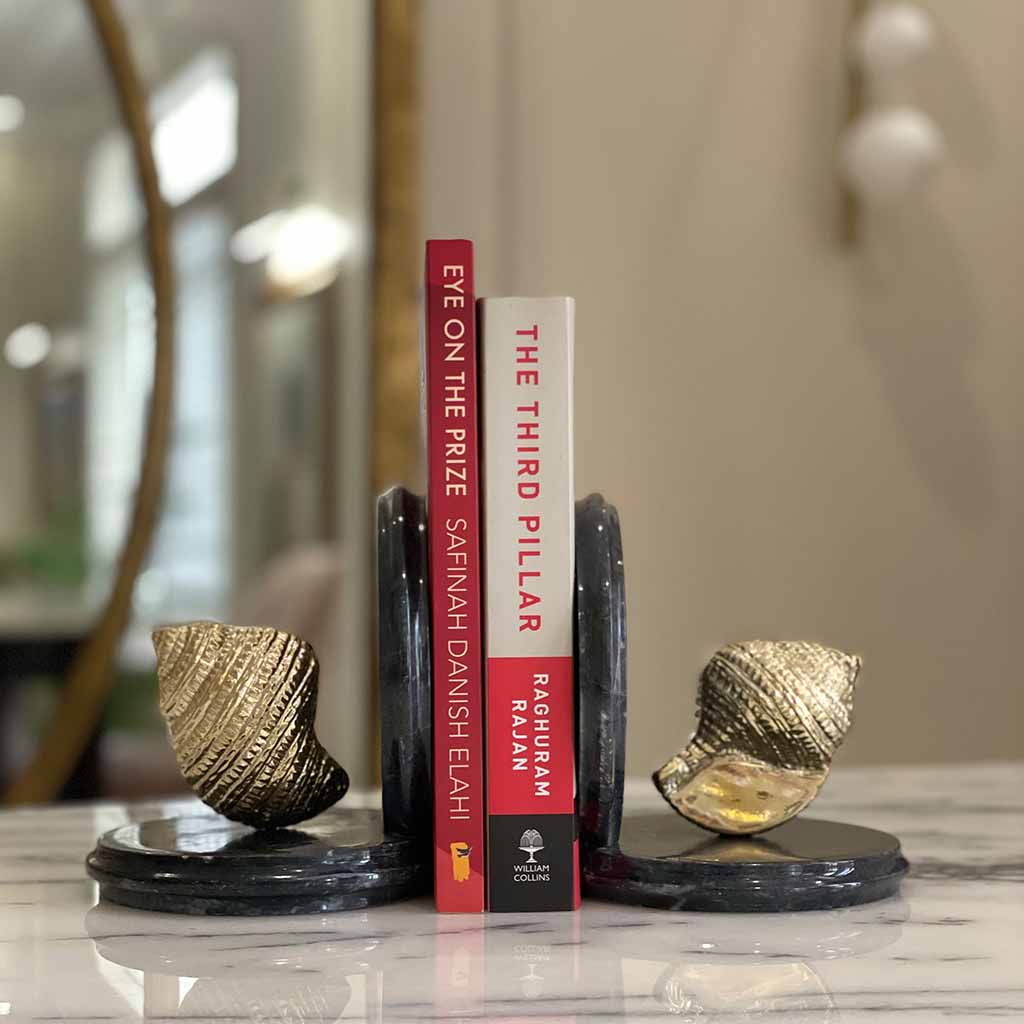
Brass and copper bring warmth and reflect flame generously. Blackened or brushed metal suits contemporary, pared-back interiors. Glass disappears politely into a busy tablescape. Marble behaves differently again, it has weight, quiet veining, and a substance that reads as permanent rather than seasonal, which is why marble candle stands Pakistan buyers gravitate toward tend to survive the transition from banquet hall to drawing room. Mixed material pieces, marble with brass in particular, sit comfortably in both traditional and minimal rooms.
There is no single correct choice. The best luxury candle stands Pakistan has to offer are simply the ones that match the interiors they will eventually live in.
From Wedding Décor to Home Décor
Most wedding décor has one night of life and a long retirement in a storeroom. It does not have to.
A well-proportioned stand becomes a dining centrepiece, a console arrangement in an entryway, a bedroom accent, or the quiet anchor of a living-room shelf. It reappears at Eid dinners, at dawats, at every winter evening when the overhead light feels too harsh. Chosen with a room in mind, designer candle holders for home decor earn their cost across years rather than hours.
That is the real argument for decorative candle stands for home use over disposable event styling: the object keeps working. It also keeps a memory. Creo Living builds around this idea: pieces designed to move between celebration, entertaining, and ordinary Tuesday evenings without looking out of place in any of them.
In Closing
Candlelight creates atmosphere. The structure around it creates design. Choose that structure well, and it does two jobs, it shapes one important night, then goes home with you and keeps shaping the rooms you live in.
FAQs
1. Why are candle stands popular for wedding décor?
A: They give candlelight height and structure, which loose candles cannot. A repeated stand can frame an aisle, mark an entrance, or anchor a stage, turning light into part of the venue’s composition. They also photograph well, since the flame sits nearer eye level.
2. How do I use candle stands at a wedding reception?
A: Use tall floor pieces at entrances, along aisles and behind or around tables, and lower pieces on the tables themselves. Keep spacing consistent so repetition reads as intentional. Check stability, wind exposure, and guest movement before finalising placement.
3. Can wedding candle stands be used as home décor afterward?
A: Yes, provided the scale suits domestic rooms, and the finish matches your interiors. Dining tables, consoles, entryways and living-room displays all absorb them easily. Pieces in marble, brass, or mixed materials tend to make the transition most convincingly.
4. What material works well for a luxury candle stand?
A: Marble offers visual weight and versatility; brass and copper add warmth; metal suits contemporary rooms and glass stays unobtrusive. The right answer depends on your interior style and where the piece will live after the event. Consider durability and ease of cleaning alongside appearance.