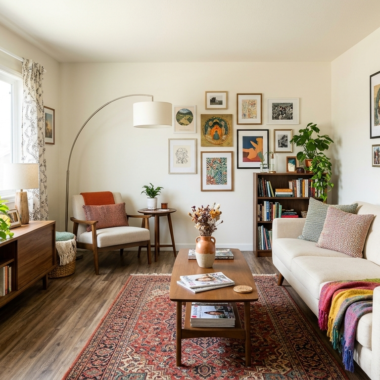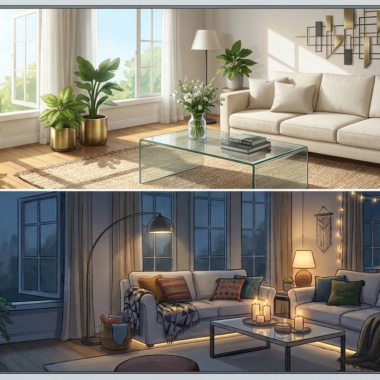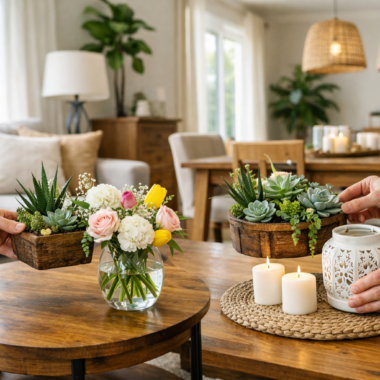


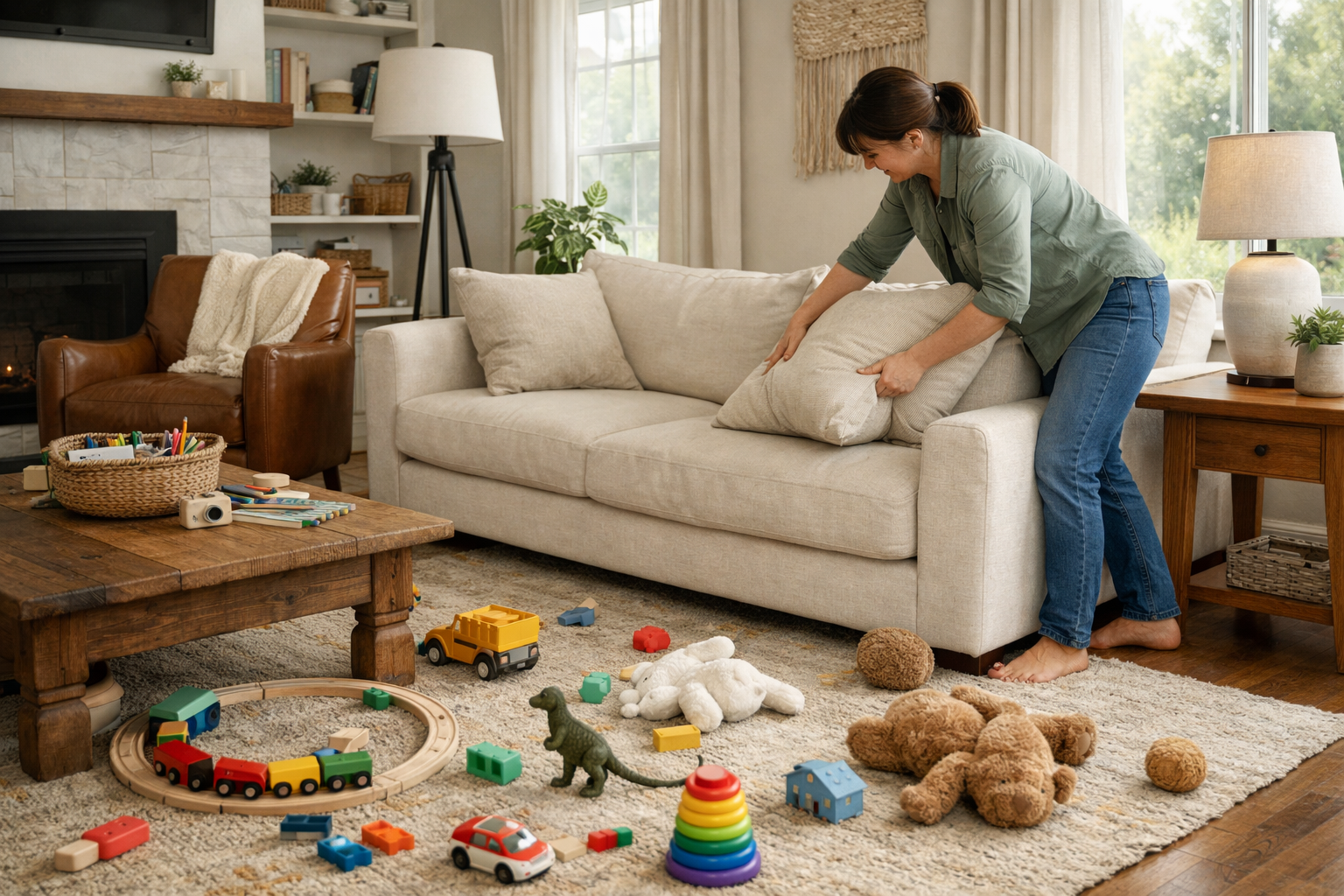
You arrange the coffee table at ten in the morning, and by eleven it holds two toy trucks, a half-read novel, three glasses and a remote that has clearly been through something. Nothing has gone wrong. The room is simply being used. The usual advice is stricter housekeeping, fewer activities, or a rule about shoes, but a better question is whether the room was designed for the people who actually live in it. Good home decor in a family house is not a still life to be protected. It is a set of decisions about materials, placement, and function that lets ordinary life happen without the room falling apart.
The Problem With Designing for an Empty House
Many rooms are composed for an imaginary occupant who sits down carefully, never puts down a mug, and doesn’t own a laptop. A coffee table crowded with fragile objects leaves no space for a glass or a board game. Pale, delicate upholstery photographs beautifully, then meets sticky fingers. A side table with a token top looks graceful until someone needs somewhere to put a phone.
The fault isn’t family life. It’s designing around an imagined version of how people live. You don’t have to abandon your taste or accept permanent disorder; you need home decor items that expect a mug, a book, and a small elbow.
Choose Materials That Become More Interesting With Use
Durability doesn’t mean a material is indestructible. It means understanding how it behaves where you’ll use it. A surface that develops character is different from one that simply deteriorates: a softly worn edge reads as history, a flaking finish reads as neglect.
- Natural stone: Veining varies piece to piece, which helps disguise small marks. Stones differ in how they handle acidic liquids, moisture, and staining, and sealing needs depend on the stone and finish, so ask before buying and wipe spills promptly.
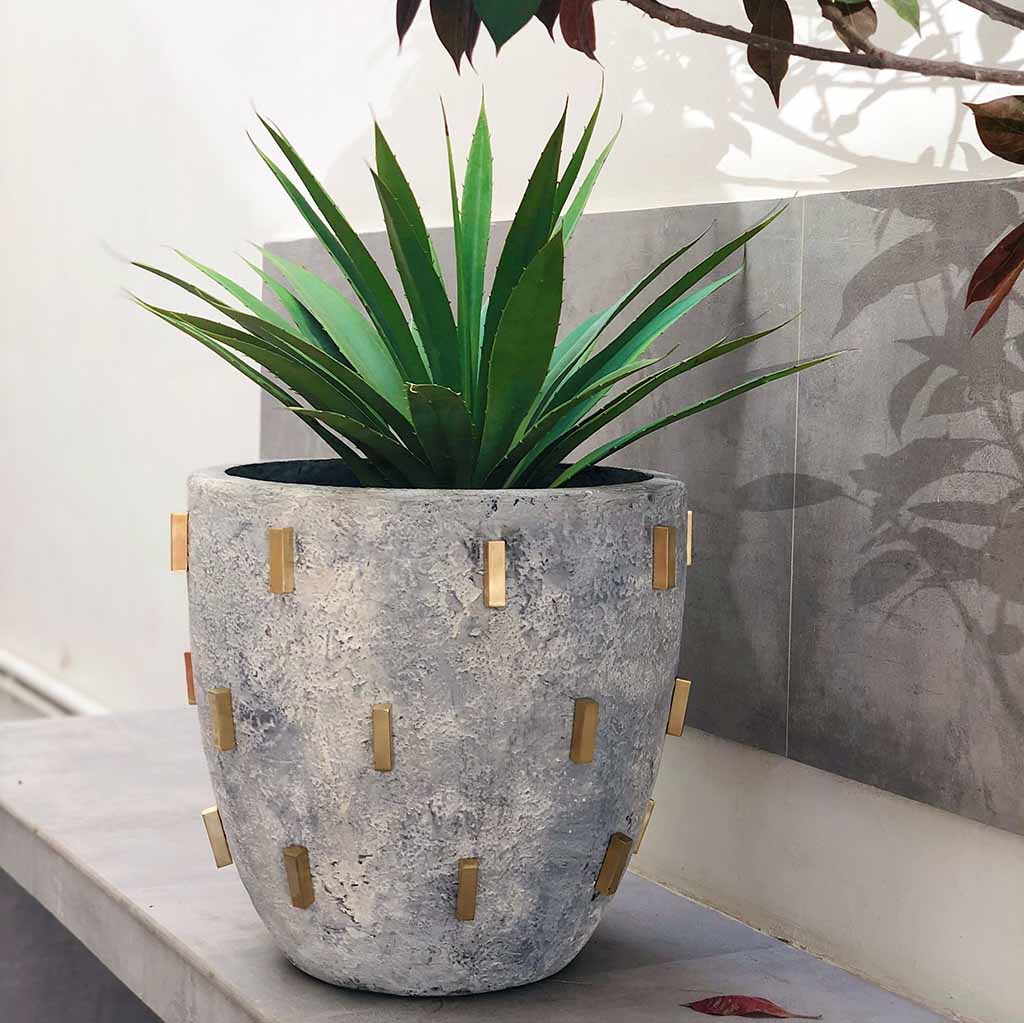
- Brass: Finish decides everything. Lacquered brass needs only gentle cleaning, while unlacquered brass darkens into patina. Not every brass-look object is solid brass, so read the description.
- Lacquer: Smooth, refined and easy to wipe, though it can still chip or scratch if handled roughly.
- Wood and wood-based finishes: Grain, construction and finish determine how they cope with moisture; visible grain hides marks better than flat colour.
- Textiles: Weave, texture and colour matter as much as softness. Textured mid-tones forgive more than smooth pale shades, and removable covers help.
Climate matters too. Home decor in Pakistan households has to cope with strong afternoon sun, which can fade some fabrics and finishes, so keep delicate textiles out of direct light.
Style a Few Surfaces, Not the Whole House
Here is a framework that avoids both extremes: style a few surfaces deliberately and let the rest stay flexible. Nothing becomes untouchable; the styling simply matches how each space is used. When you edit decoration items for the styled areas, choose fewer and give each one room.
- The console: The place for a small, intentional arrangement, provided it isn’t also where keys and post land.
- The coffee table: Protect space for drinks, books and games, and arrange decoration around that purpose.
- The dining table: A simple centrepiece is fine between meals if it can be cleared in seconds for dinner or homework.
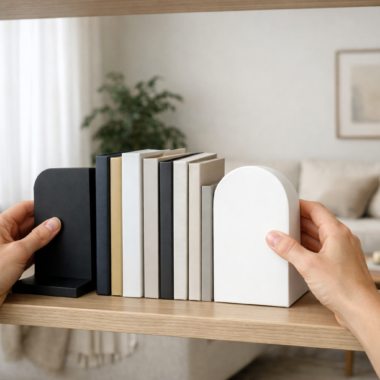
- Open shelving: Mix books, meaningful possessions and a few ornamental pieces so the shelves aren’t all accessories.
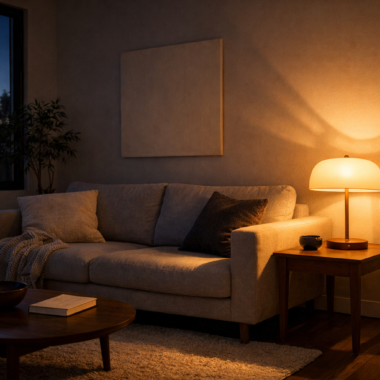
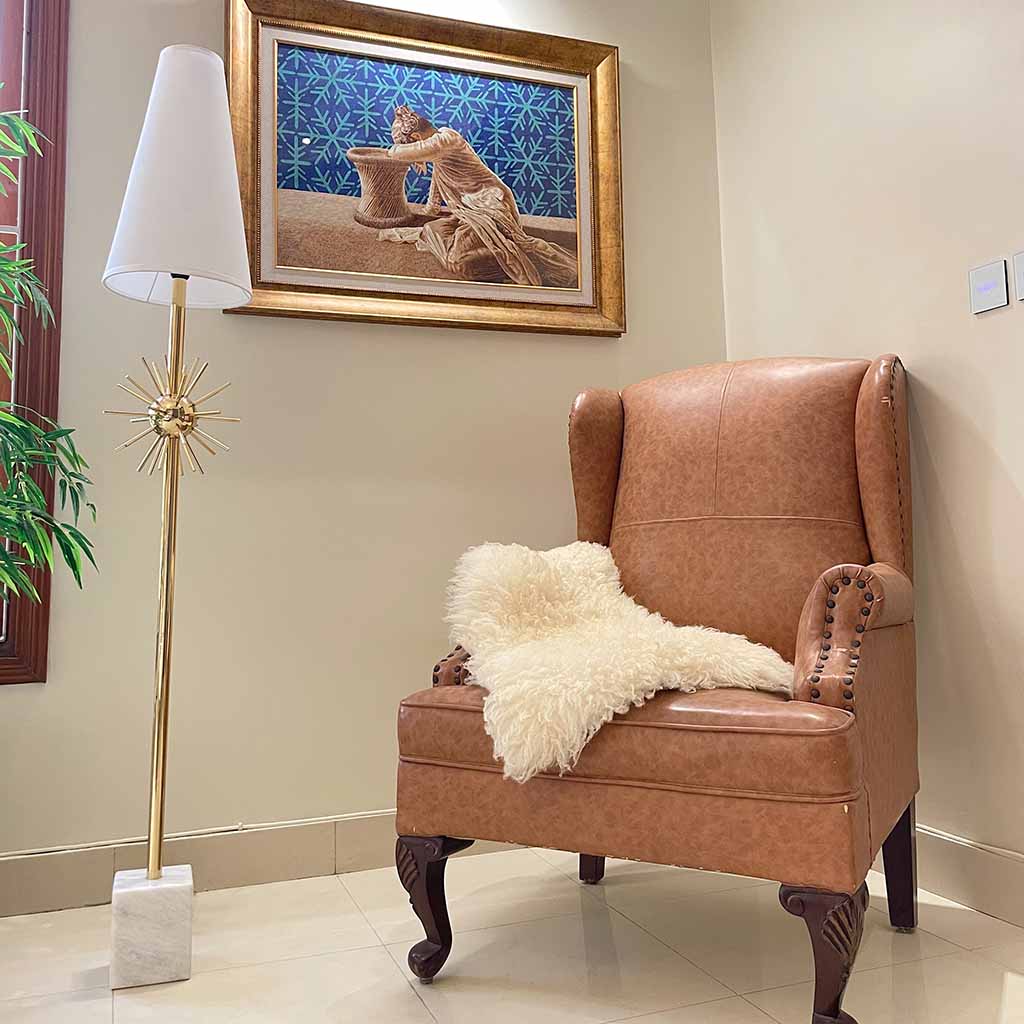
- Side tables and reading corners: One lamp and an object or two create atmosphere without blocking the reach for a cup.
Styled areas give the eye somewhere to rest. Flexible areas give the family somewhere to live.
Choose Accessories That Earn Their Place
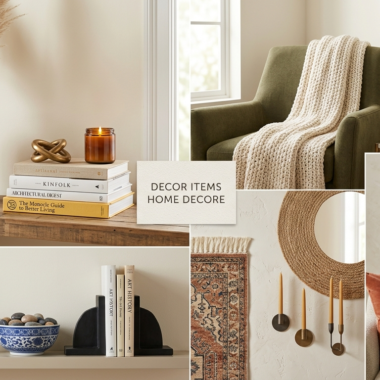
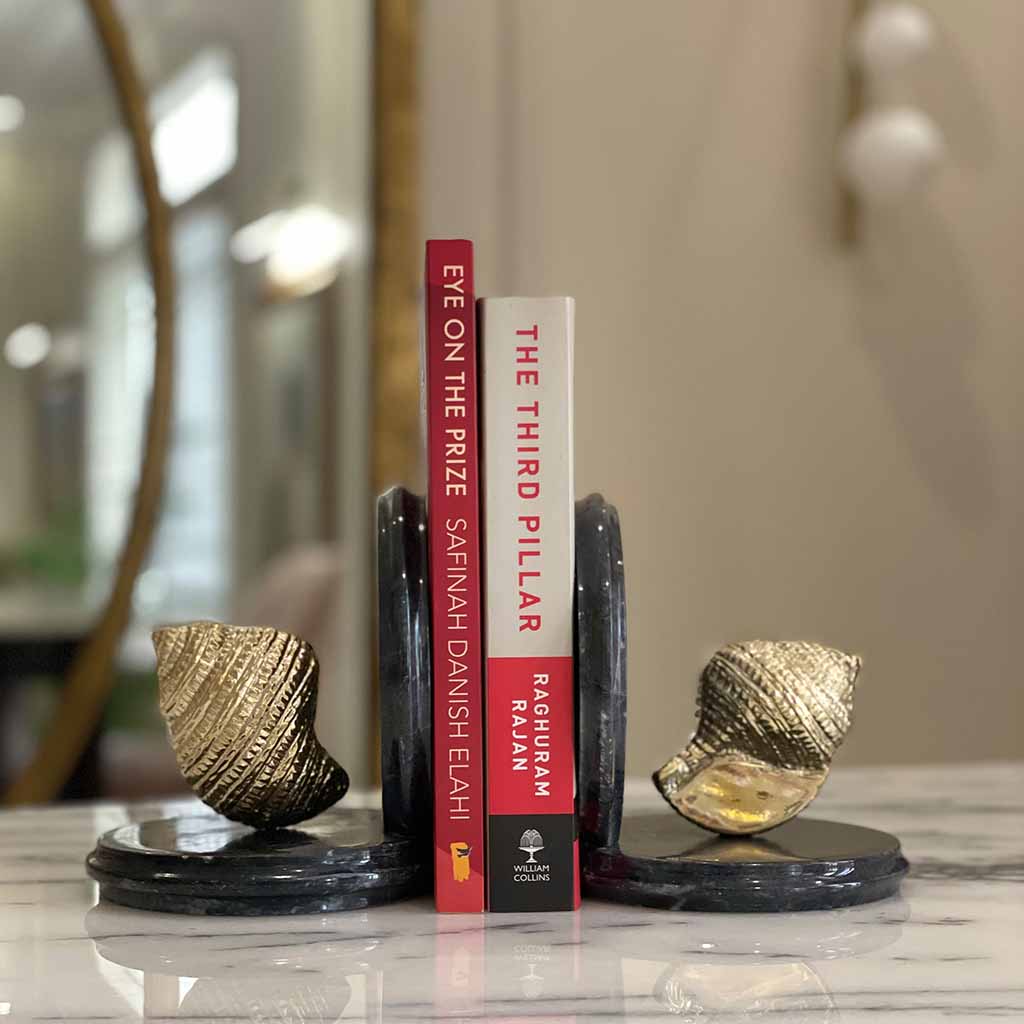
An accessory earns its place through function, material, form, proportion or personal meaning, ideally more than one. A beautiful object that is constantly in the way is simply the wrong object for that surface. The best decorative items for home use usually have a job, and CREO Living’s decorative accessories show how everyday needs and design can overlap.
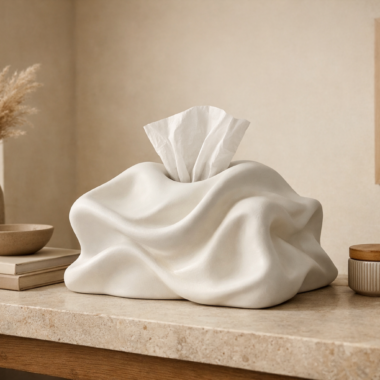
The tissue box is a fair test. Every household has one, and most are hidden or left looking like clutter. The Bubble Tissue Box takes the opposite route, with an inverted bubble pattern on a lacquered wood-ply body, brass studs, and a choice of two sizes. A necessary object becomes part of the room, though like any lacquered finish it appreciates normal care.
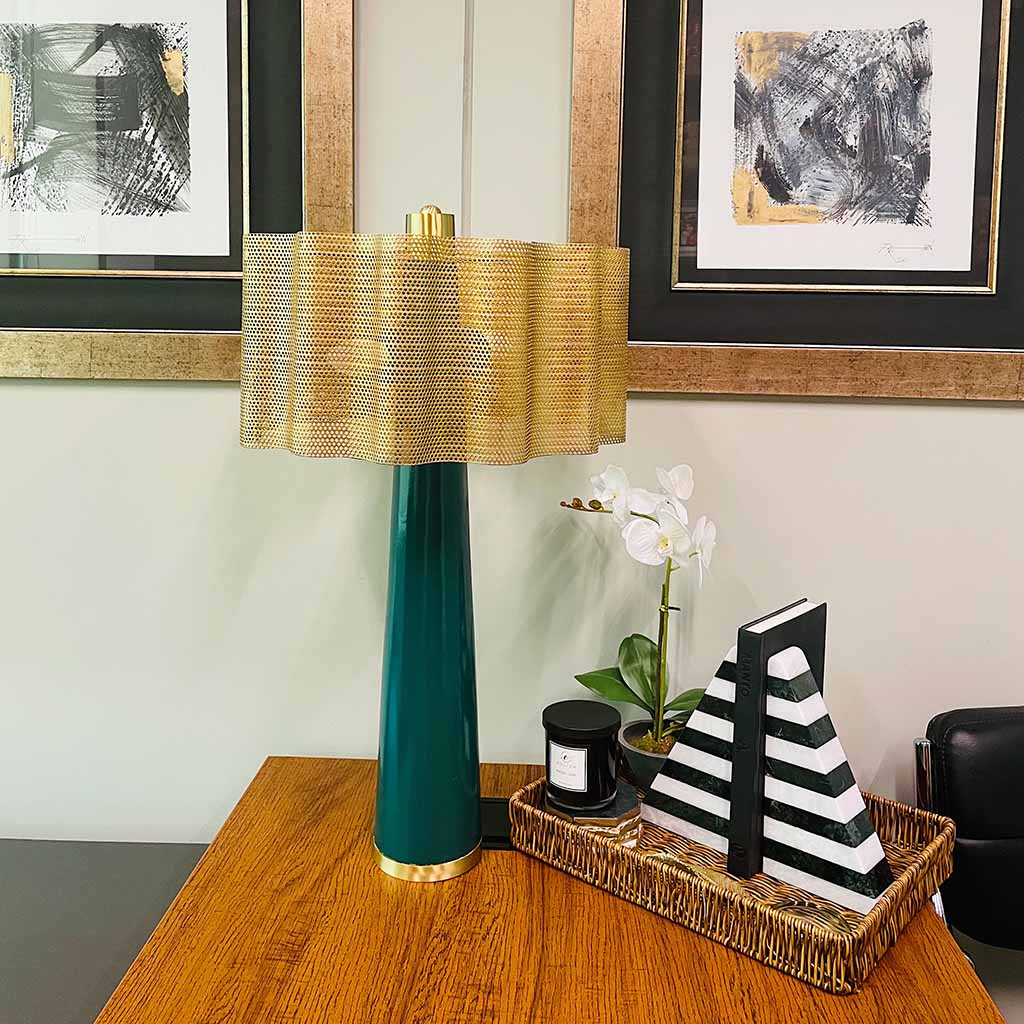
Lighting works the same way. The Omnia Table Lamp, with tapered white marble inside a brass cage, adds a softer, lower layer of light than a ceiling fixture. At 33 inches tall with a marble core, it needs a stable surface, a tidy cable, and a spot out of a toddler’s path.
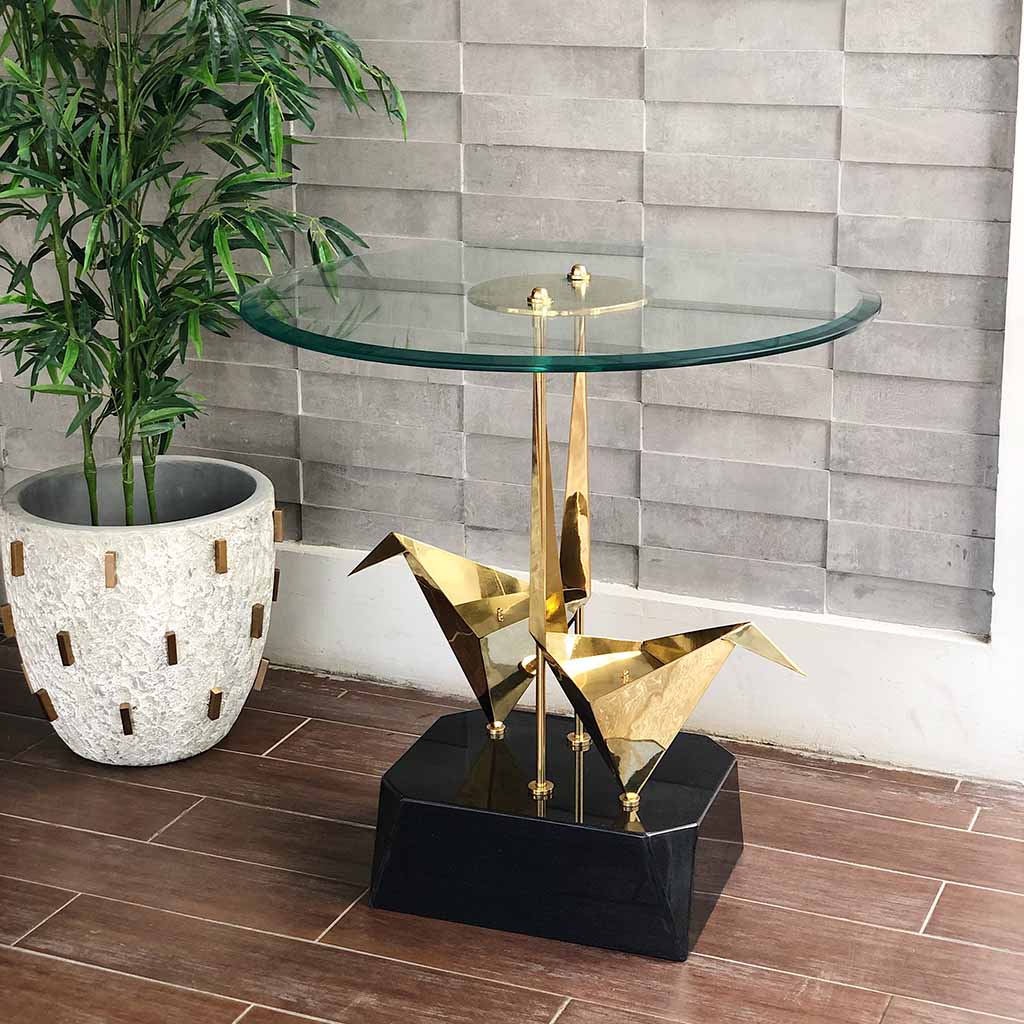
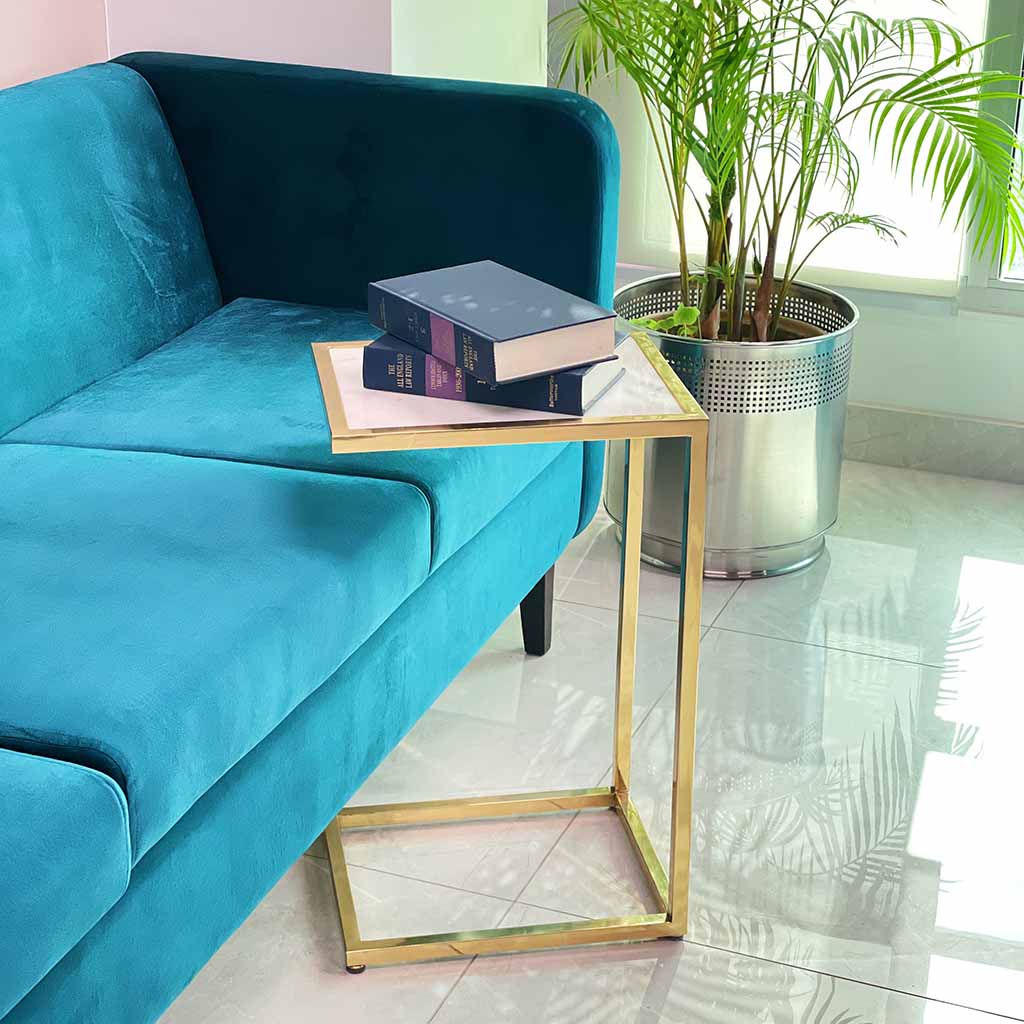
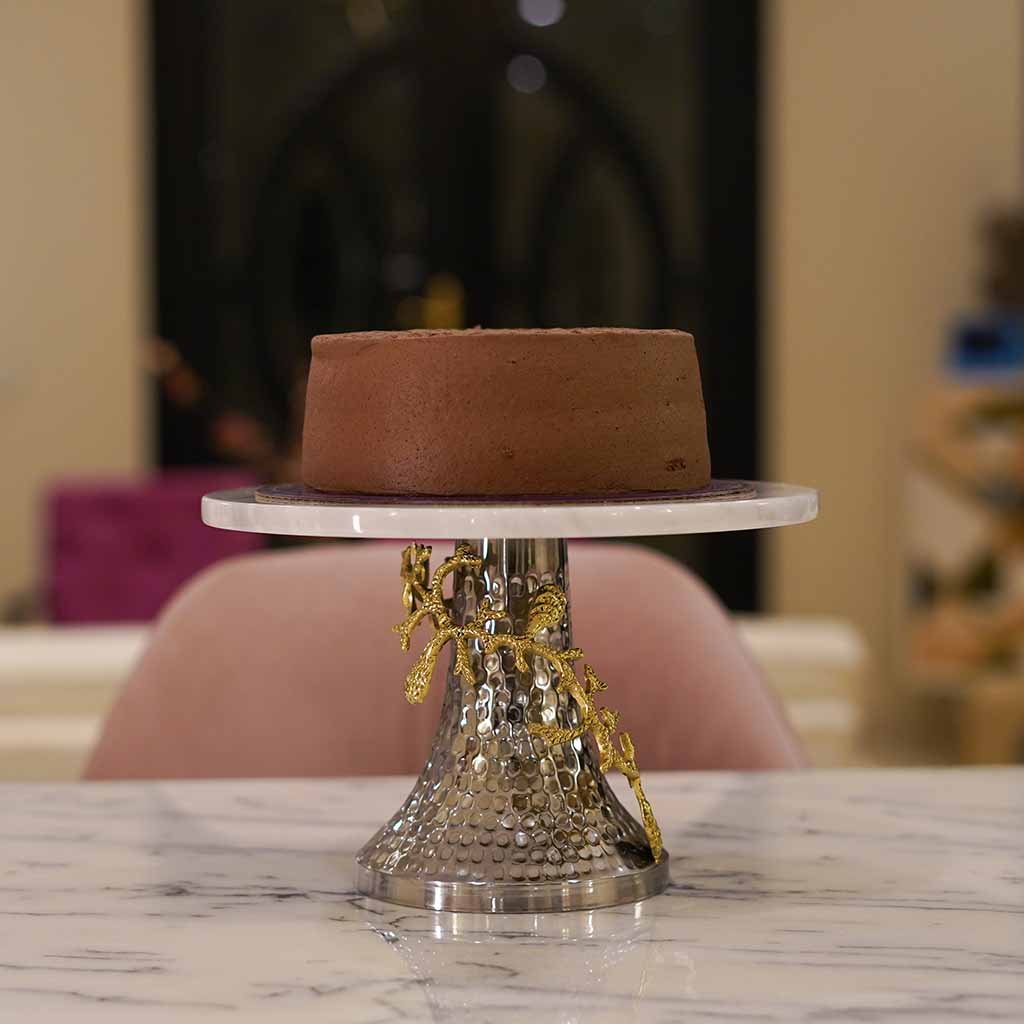
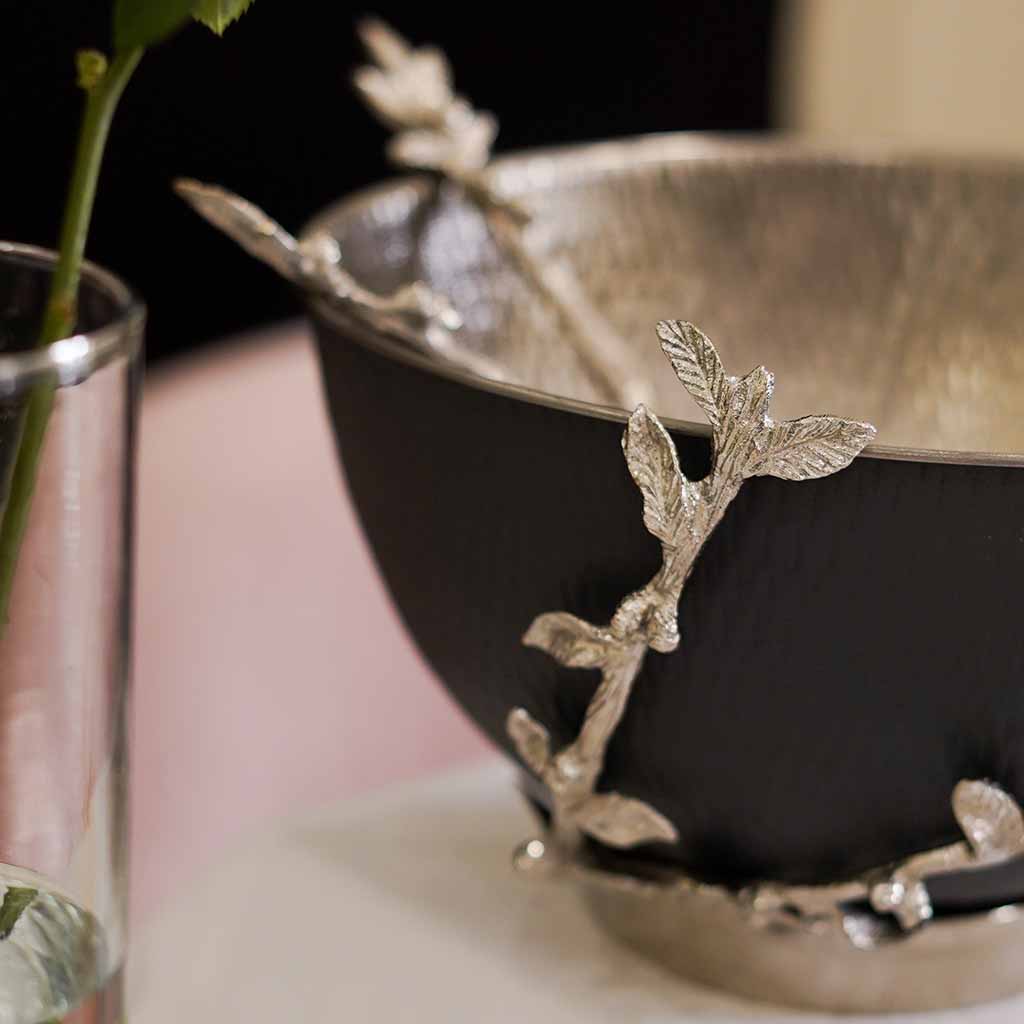
Candle stands from CREO Living’s collection are occasional home accessories: keep them on a high console or shelf, away from play areas, and light them only with adults around. Useful furniture supports the styling too. A side table beside the sofa gives a lamp, a glass, and a book somewhere to go, which keeps the coffee table clear. And serveware belongs on the table, not in a cabinet; check each piece’s care details before assuming it can go in the dishwasher.
A few habits make accessories more family-compatible:
- Keep fragile pieces above child height.
- Group small items on a tray so one lift clears the surface.
- Keep glass, candles, and heavy stone out of play zones.
- Route cables behind furniture, away from reaching hands.
A More Realistic Kind of Refinement
A home feels more sophisticated when its choices reflect real routines: clear surfaces where daily life needs space, a few well-chosen objects rather than many competing ones, storage that makes putting things back easy, and arrangements that reset in five minutes instead of demanding restyling. Fewer, better pieces also calm a room more than replacing accessories that never suited the household.
Mess will still happen. The aim isn’t to eliminate it but to make recovery quick. Good design is not a performance staged for visitors. It is a room that has already made space for Tuesday.
FAQs
1. How can I keep my home looking styled when I have children?
A: Style a few surfaces and keep the rest flexible. Place fragile pieces above child height and group small items on trays. A room that resets in five minutes will look styled far more often than one needing constant adjustment.
2. Which materials are practical for a busy family home?
A: Look for finishes that hide marks and tolerate gentle cleaning: textured fabrics, visible wood grain, lacquered surfaces, and lacquered brass. No material is indestructible, so read each product’s care instructions and wipe spills on stone promptly.
3. How many decorative accessories should I keep on a coffee table?
A: Usually two or three: a low tray or bowl, a small object, and a book. Leave at least half the surface clear for drinks and everyday use, and group items on the tray so one lift clears the table.
4. How can I make a family living room look polished without making it feel formal?
A: Use warm layered lighting, a limited palette, and a few well-chosen objects, then let everyday items stay visible. A table lamp for the evenings and one deliberately styled surface keep the room relaxed but still clearly considered.
Give beautifully with CREO Living’s high-quality gifting pieces, curated for a refined, luxurious feel.
Shop our home decor, furniture, lamps, and serveware accessories at CREO Living.