


A lease can decide the colour of your walls, but it has no say in what those walls end up saying about you. Most renters live in a kind of polite suspension: the beige stays beige, the awkward corner stays awkward, and the real decorating waits for a future address with a deed attached. The best-styled rentals lean on what can move: a lamp with presence, a table that fits, a few objects chosen with care. It is a portable approach to home decor and interior design, and it starts with one question: what is already working, and what can I add?
You Can’t Renovate It. You Can Still Compose It.
Renters often mistake limited renovation rights for limited design possibilities. Because they cannot repaint, drill, or replace a finish, they drift to one of two extremes. Some leave rooms bare, reasoning that it is wasteful to invest in a place they may leave. Others collect inexpensive, unrelated pieces, and the room fills up without ever coming together. Both end with a home that feels unfinished.
The way out is a simple distinction. Permanent improvement changes the room. Thoughtful styling changes how the room reads. A focal point, balanced proportions, layered light, and a recognisable personality all belong to the second, and none needs a contractor.
Build a Portable Design Toolkit
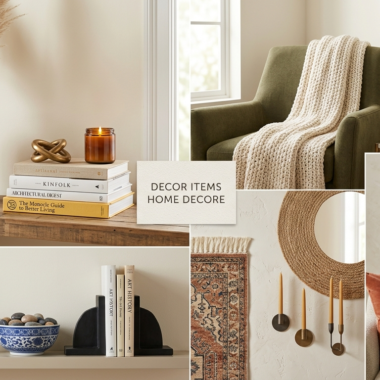
The best home decor Pakistan has to offer a renter is the kind that can leave with you when the lease ends. A handful of movable pieces can set the character of an entire room:
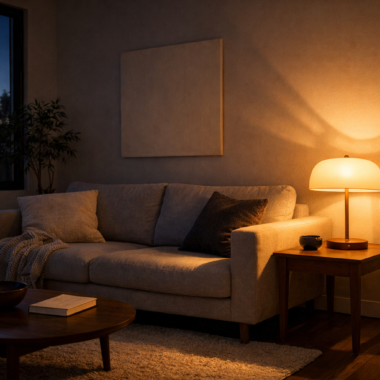
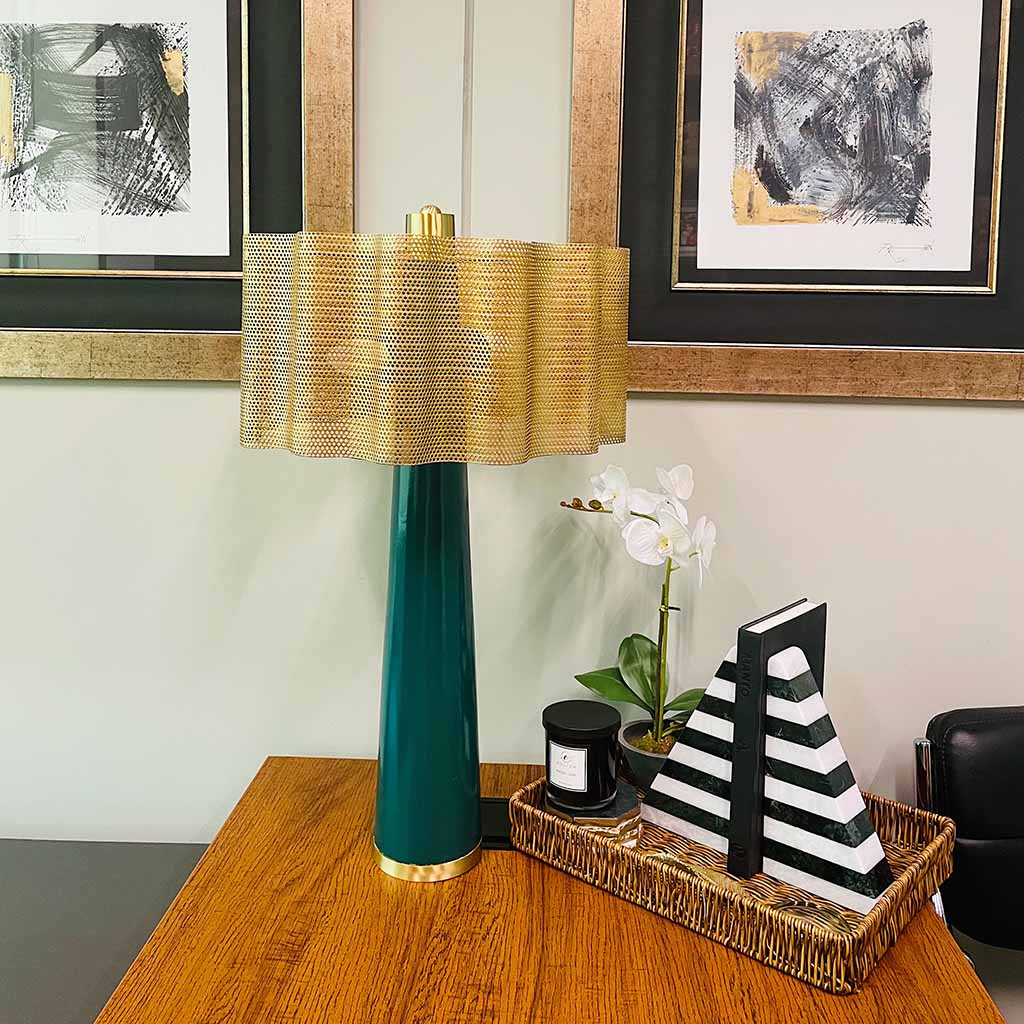
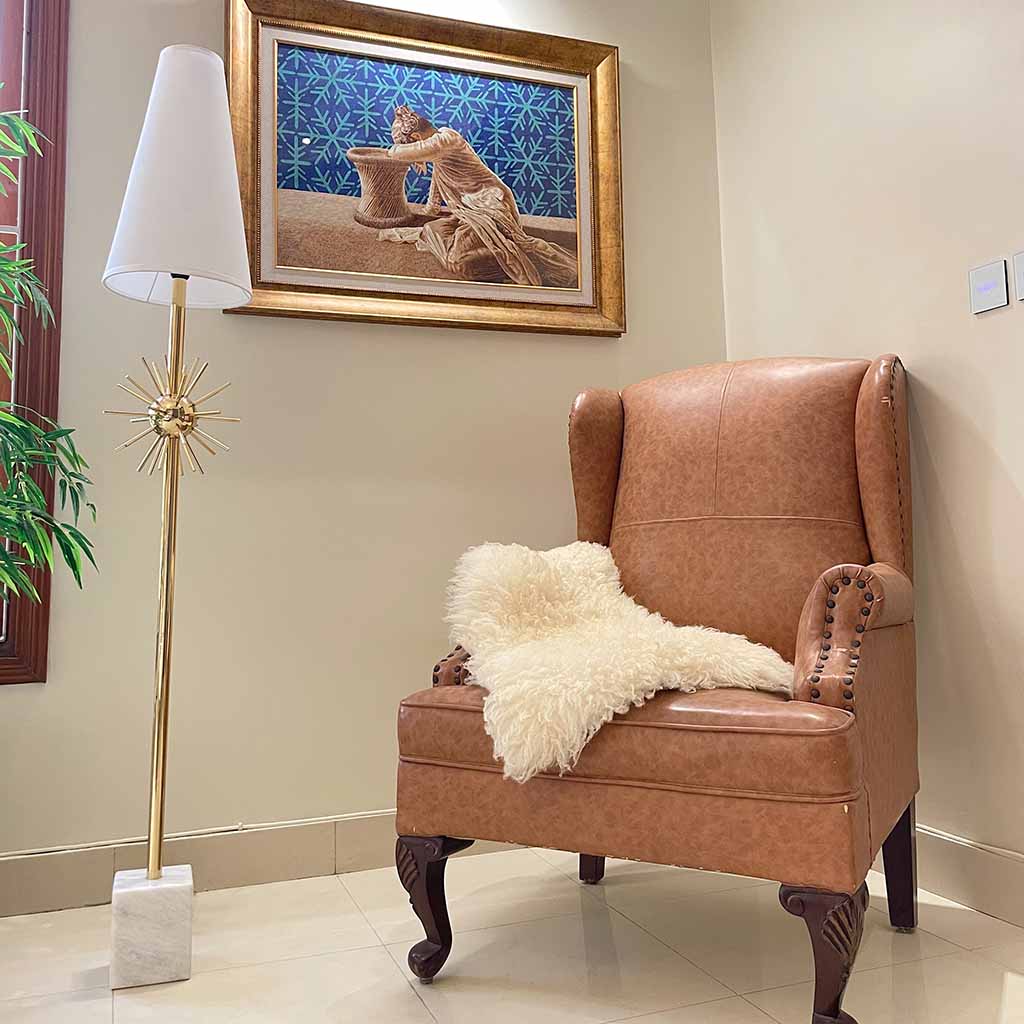
- Freestanding light. Table and floor lamps add height and softer, more intimate light with no new wiring, provided your outlets suit the spot. A floor lamp gives an empty corner a purpose: the Orbis Floor Lamp stands 64 inches tall, with a slim brass stem and a white marble base, so it draws the eye upward. A table lamp builds a reading corner or console display: the Gena Table Lamp, stacked white marble and brass, gives a console a clear vertical anchor.
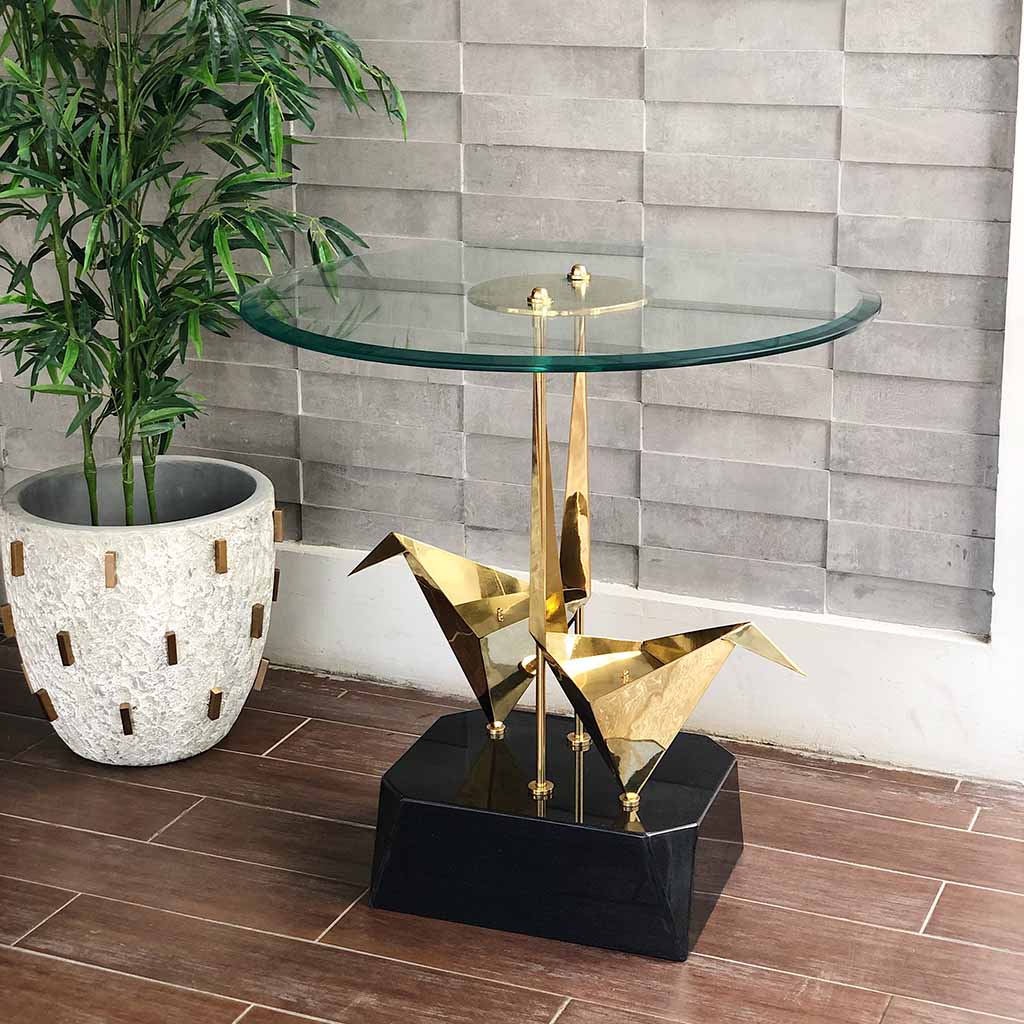
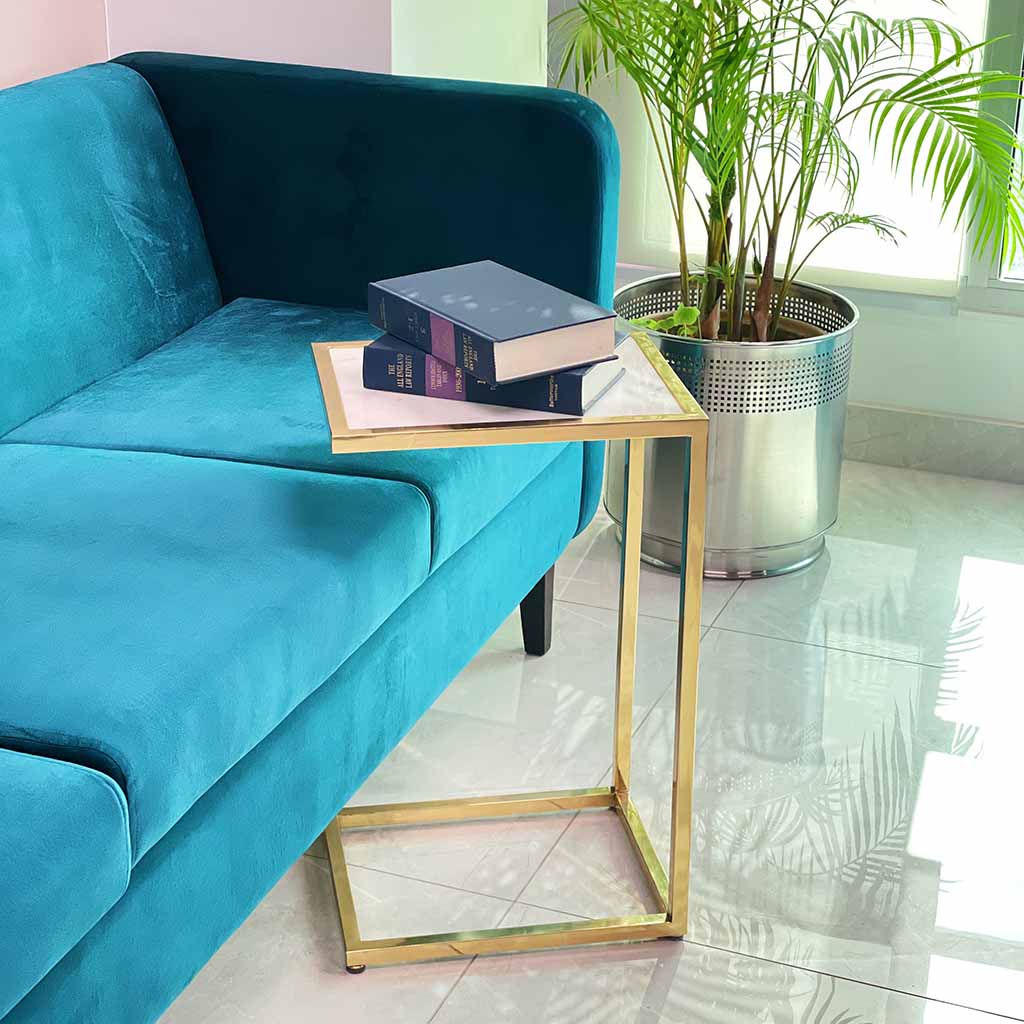
- Furniture that defines zones. An occasional table, accent chair, or well-placed existing piece can mark out a conversation area without partitions. It should suit this room now and still make sense in the next one. A round side table like the Luna Side Table, 21 inches across, gives a sofa or armchair a defined edge.
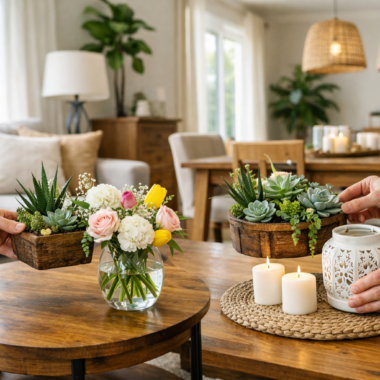
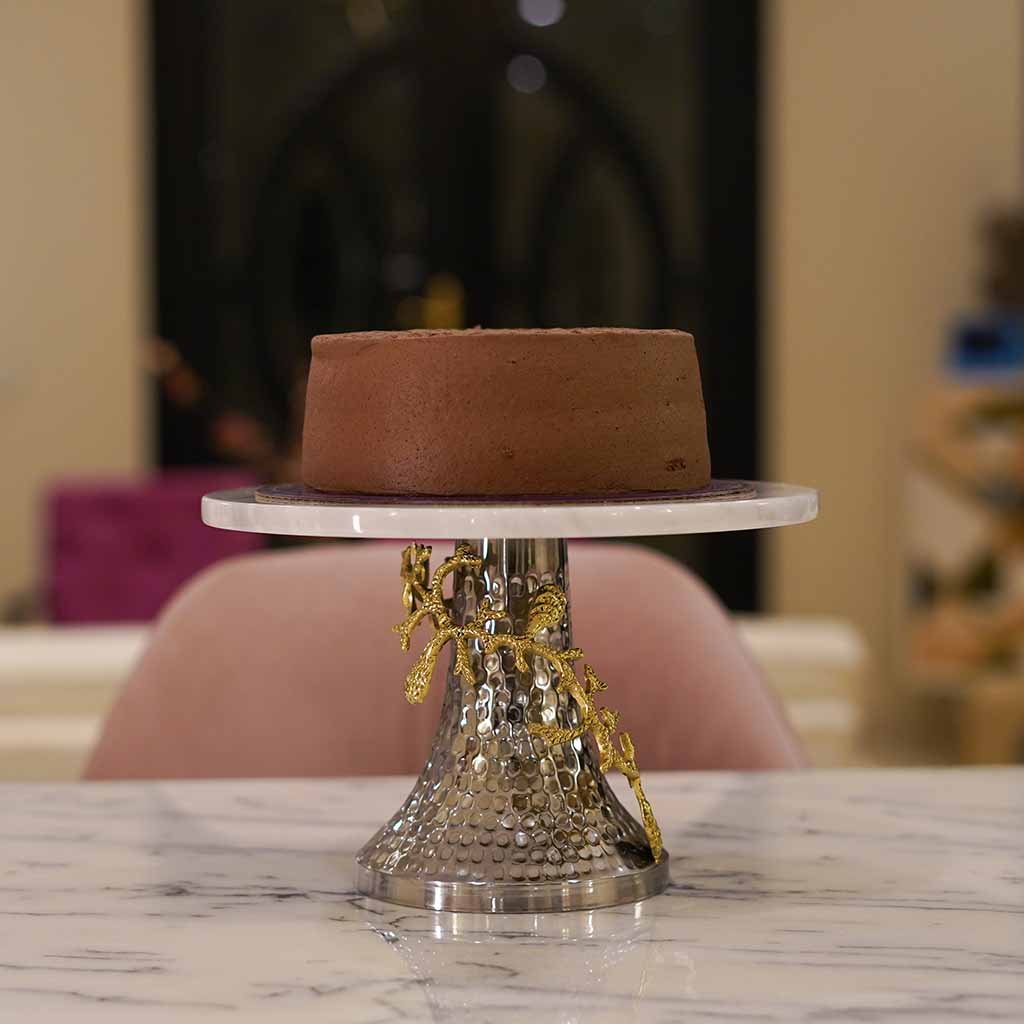
- Surface vignettes. A tray, vase, candle stand, or small sculptural object brings order to a coffee table or console. Three complementary objects look more deliberate than ten unrelated ones. The Flora Flat Serving Trays, in hammered stainless steel, can hold a candle and a small vase on a coffee table as easily as they carry food.
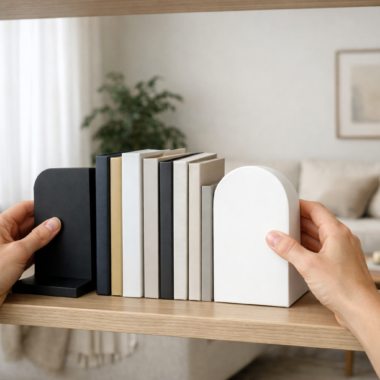
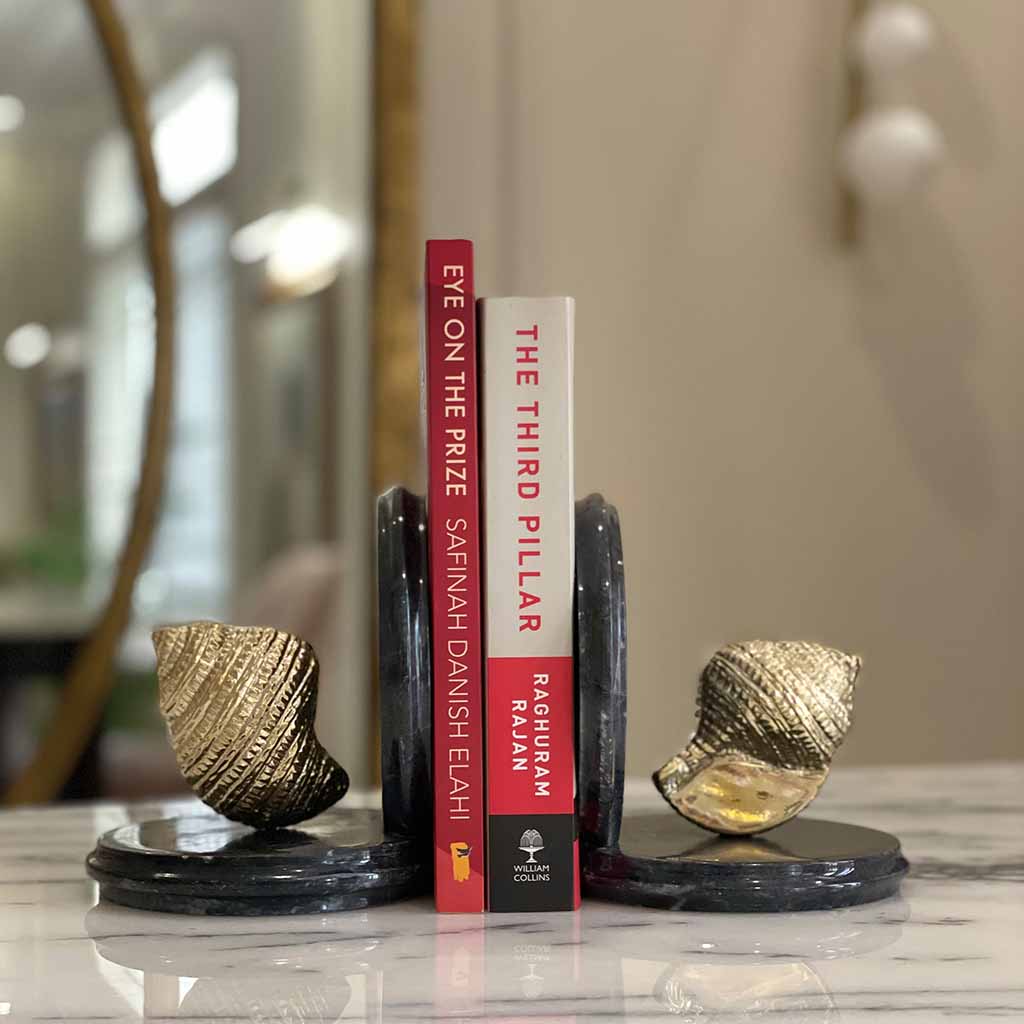
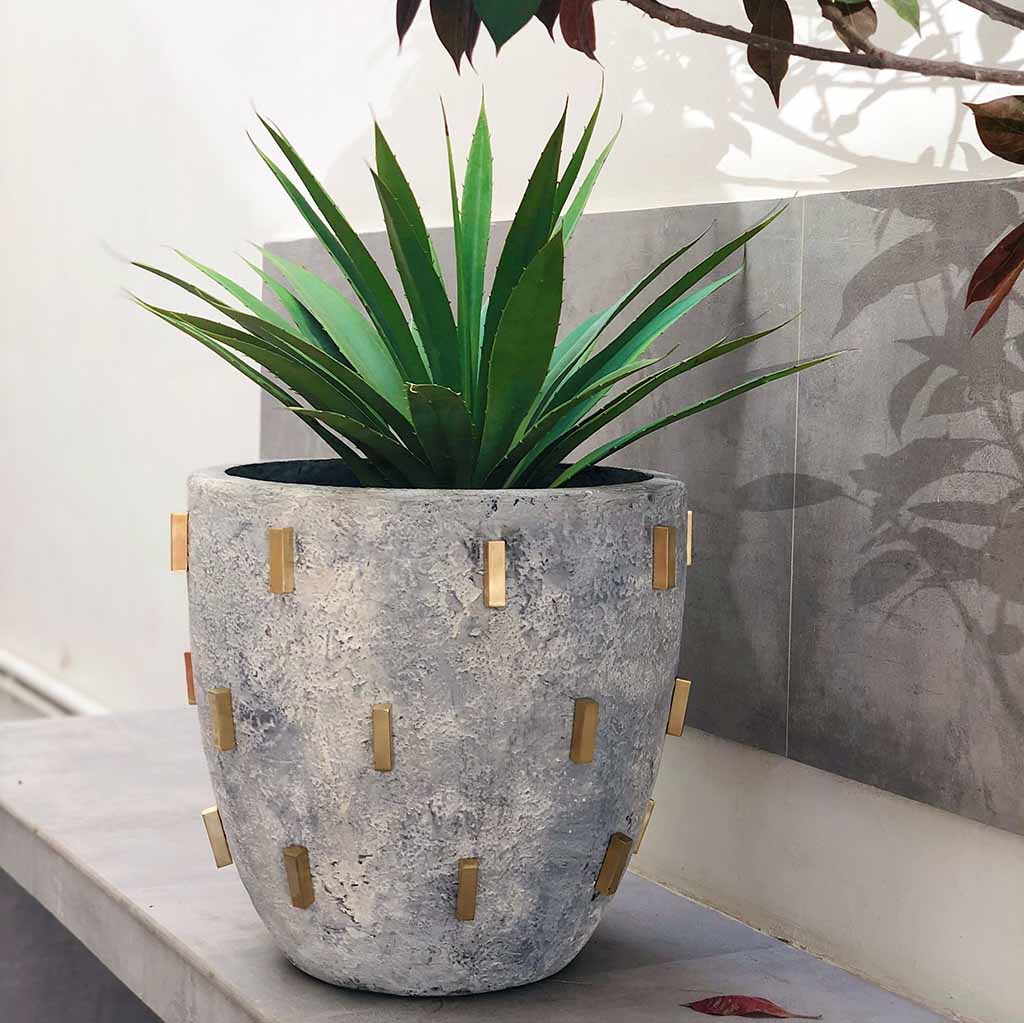
- Bookends and greenery. Bookends turn even a basic rented shelf into a composition. The Bovem Bookends, a pair of brass bulls on white marble bases, give a shelf a strong end point. Freestanding planters add height and softness; choose scale first and plant second. The Aero Floor Planter comes in three sizes and has an inner pot, so watering stays contained.
Decorative objects can be heavy, so check stability and surface space first. A few well-chosen home accessories matter more than a long shopping list.
Let Decorative Objects Do the Architectural Work
Built-ins give a room structure. Objects can do the same job on a smaller scale. A substantial pair of bookends gives a shelf weight. A sculptural planter anchors an underused corner. A considered tray defines the working zone of a coffee table. A lamp adds height and a pool of light that makes a room feel intimate after dark.
Think in terms of visual weight, repetition, contrast, and rhythm. Repeat one finish, brass for example, across a lamp, a handle and a bookend, and the eye reads a pattern rather than a pile of purchases. Set something heavy beside something slender. Material works quietly too: a matte surface against a reflective accent, or warm wood beside a sculptural form, creates depth without touching the walls or floor.
The impact of decoration items has little to do with number or price. It comes from placement, scale, relationship to neighbouring objects, and usefulness. A few decorative items for home, chosen well, outperform a shelf crowded with souvenirs.
Work With the Room You Already Have
Good rental styling begins with observation, not shopping. Spend a day with the room. Notice wall colour, flooring, window positions, how daylight moves and what the proportions allow. Then respond:
- Let neutral walls support stronger accents in furniture, lamps and objects.
- Use a rug and movable furniture to define zones or soften an awkward floor.
- Repeat one or two colours or finishes across your accessories.
- Add vertical variation with lamps, planters and taller objects so arrangements never read flat.
- Arrange furniture and lamps around daylight, outlets and the way people actually walk through.
Resist the urge to disguise every unattractive fixed feature; hiding each one usually makes a room more complicated. Choosing pieces that harmonise with what exists is often the smarter move.
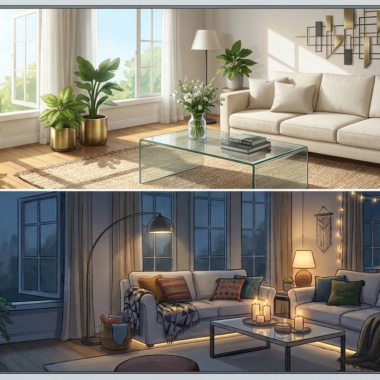
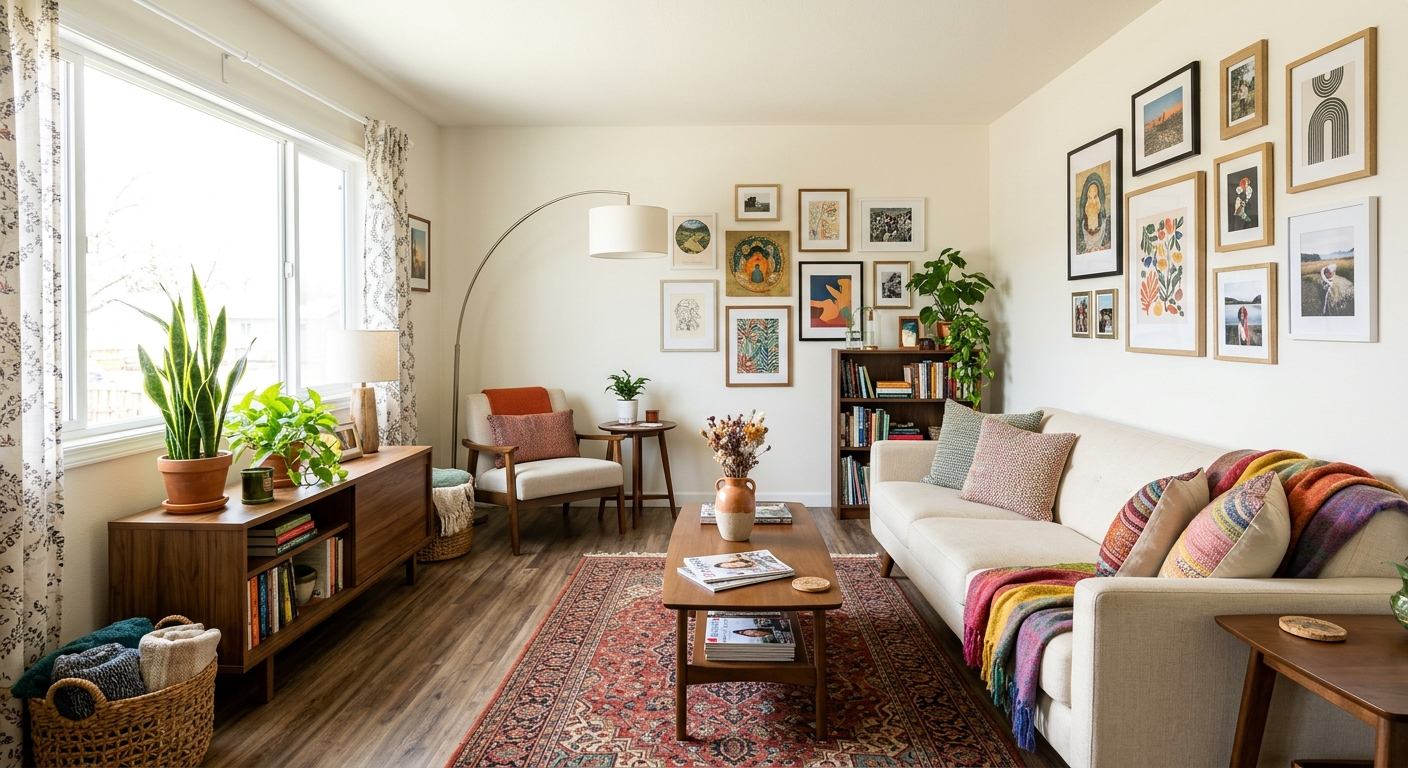
Picture a rented living room with cream walls, a tiled floor, one window and a plain sofa. Pull the sofa slightly off the wall, lay a rug beneath its front legs, and add a side table and lamp at one arm. Put a floor lamp in the empty corner by the window and a tall planter at the sofa’s other end. Set a tray with a candle and small vase on the coffee table. Nothing is drilled, painted, or replaced, yet the room has light at three heights and a seating area with a clear shape.
A Beautiful Rental Should Reflect Its Occupant, Not Its Lease
Taste shows in selection, restraint, arrangement and the relationships between objects, not in renovation budgets alone. A rented home earns its identity through meaningful accessories, well-placed lighting, practical furniture, books, greenery and a few objects that reflect your interests.
Prioritise pieces that work across several rooms rather than one alcove. Lamps, side tables, bookends and mid-sized planters adapt to a new layout far more easily than anything sized to a single wall.
An expensive renovation does not automatically produce a well-designed interior, just as an unaltered room does not have to feel unfinished. You can make meaningful decisions now, without waiting for a deed.
Choose high-quality gifting pieces and thoughtfully designed home décor from Creo Living. Bring considered style to everyday living with Creo Living’s furniture, lamps, and serveware accessories.
FAQs
1. How can you make a rented home look expensive without renovating?
A: Edit rather than add. Repeat one finish, light the room at several heights, and favour a few substantial pieces over many small ones.
2. What are the best home decor items for a rental property?
A: Freestanding and surface-based pieces work best: lamps, a side table, a tray, bookends, and a planter. None of them needs a drill, and each can adapt to a new layout.
3. How can you decorate a rented home without damaging the walls?
A: Stand or lean things instead of hanging them: floor lamps, bookends on a shelf, a large mirror resting on a console. Check your lease, and use felt pads under furniture to protect the floors.
4. Which decorative items are worth buying when you expect to move?
A: Choose pieces with flexible proportions, such as table lamps, trays, bookends and mid-sized planters. Avoid anything sized to one alcove, and consider how heavy an object is before you buy it.