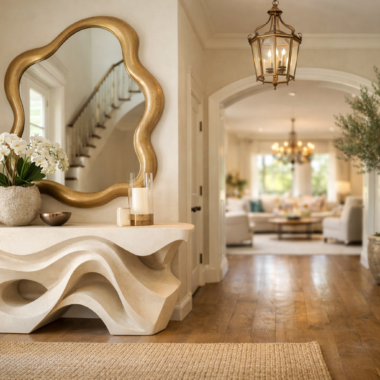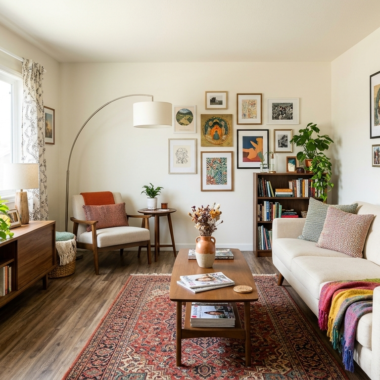



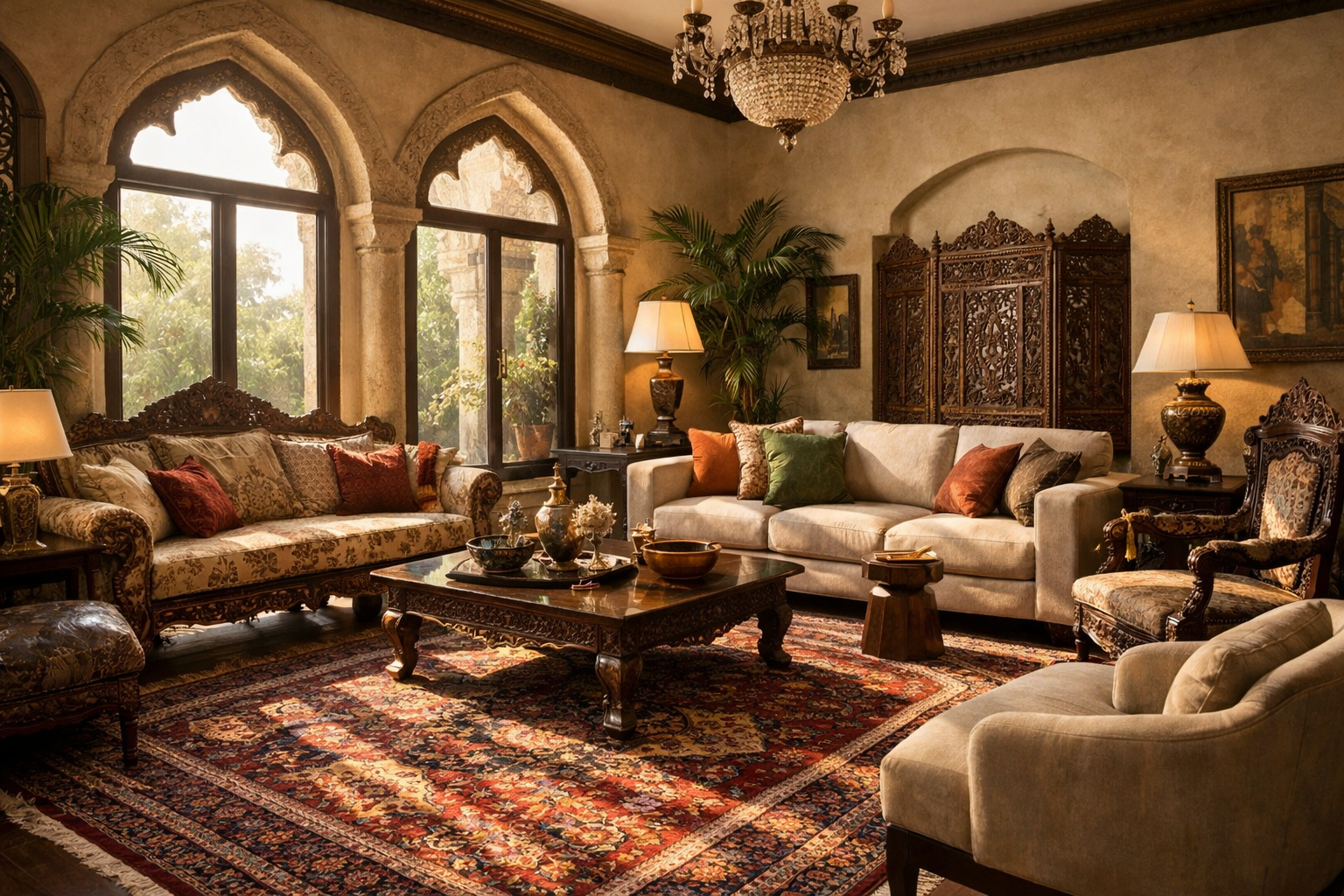
The cushions are aligned. The centre table is cleared for guests who might arrive at any hour, and the ornaments have kept their positions since the last wedding season. It is the most carefully furnished room in the house, and it reveals surprisingly little about the people who live there.
In many Pakistani homes, the drawing room is where hospitality happens: tea trays arrive, relatives settle in, Eid visits stretch into the evening. The room carries family history and social expectation, which is why it is often furnished for an imagined guest rather than its owners. The answer is not to remove the carved wood. It is better editing, consistent materials, kinder lighting, and a clearer point of view: the quiet work of interior design rather than replacement.
The Room That Looks Right but Feels Impersonal
A matching sofa set, a table in every gap, and decoration items chosen because they looked impressive can produce a room that is well furnished but not designed. Furnishing is acquiring; design is deciding. Traditional furniture is not the problem. The problem is when every choice follows convention without asking whether the table suits the seating, whether anyone uses that corner, or whether the room can hold a conversation.
Try this test: stand in the doorway and notice what your eye lands on first. If the honest answer is “everything”, the room needs editing, not replacing.
Keep the History, Change the Edit
Every household hosts differently, from compact apartment lounges to joint-family houses, but a few principles travel well:
- Choose one or two traditional pieces as focal points, surrounded by quieter furniture, so they read as intention, not inheritance.
- Remove what repeats. Three similar brass trays dilute each other.
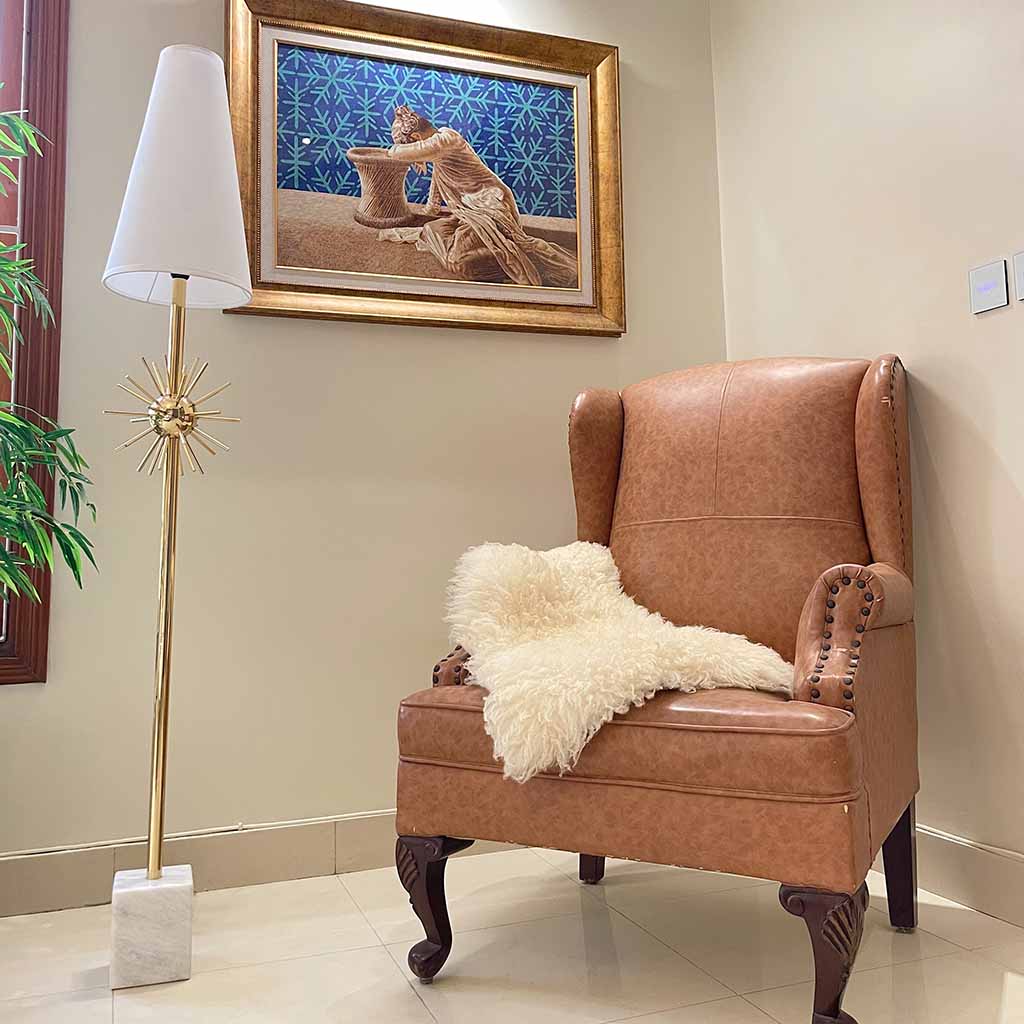
- Mix periods. A single mismatched chair looks collected; a complete set looks purchased.
- Update the soft layer first. Home accessories such as cushions, throws, and lampshades shift the mood without touching the frame.
- Place sentimental objects deliberately. A family photograph with open space around it says more than ten crowded together.
A few deliberate changes beat replacing an entire collection.
Decorative Accessories That Make Tradition Feel Contemporary
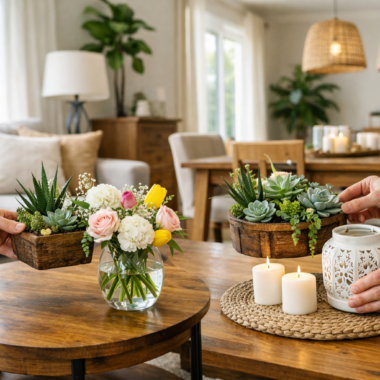
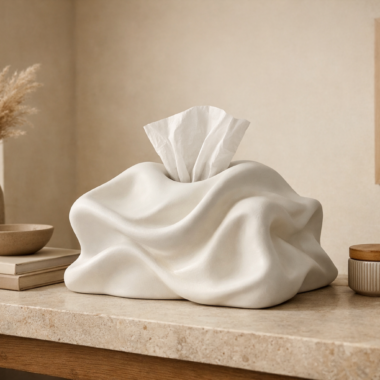
The right home decor items bring cleaner forms to familiar furniture. Among the home decor Pakistan offers, the most useful earn their place through shape and function, and well-chosen decorative items for home surfaces clarify a room rather than compete with it.
Candle stands: add height
Mira Candle Stands are slender, tapering marble stands in travertine or black, about 16 to 17 inches tall. On a console, a single stand interrupts a row of low objects and draws the eye upward. Pair it with something shorter rather than lining up identical pieces.
Platters: let hosting double as styling
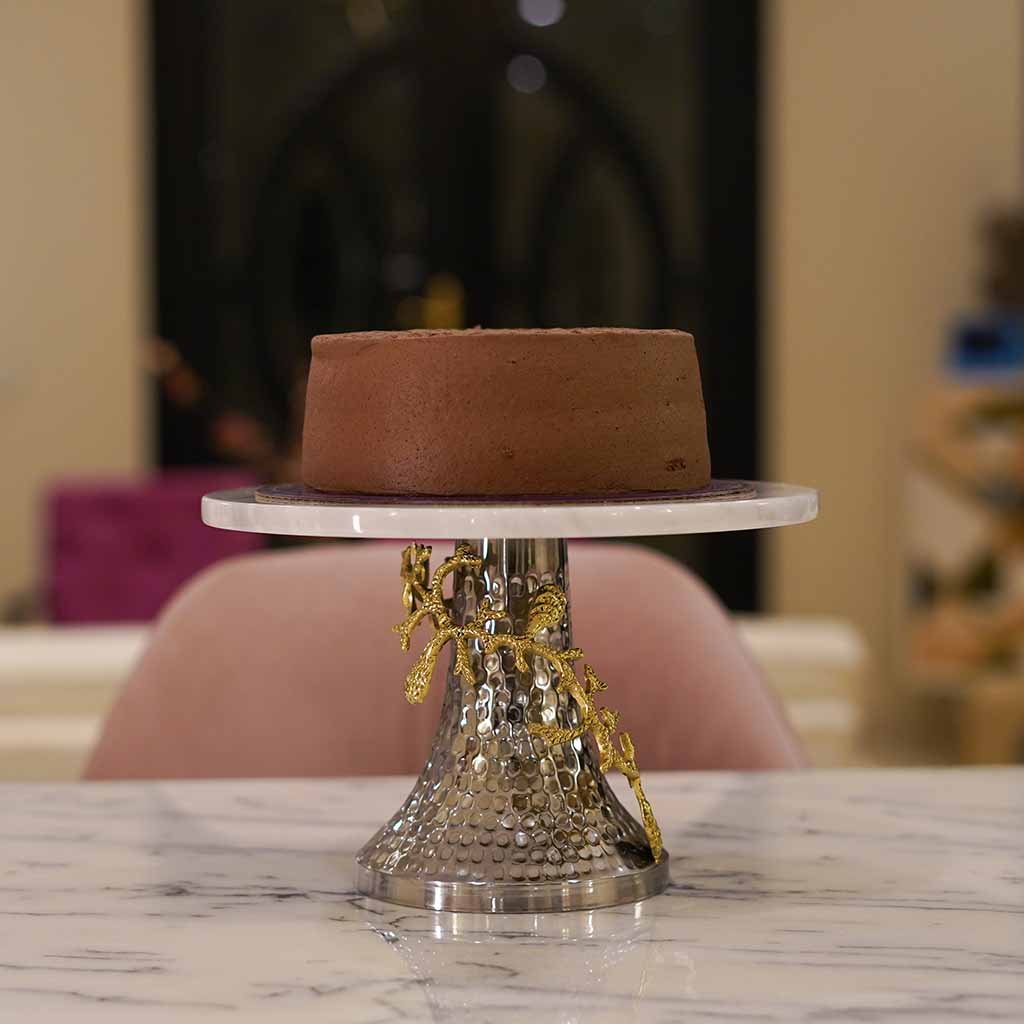
The Flora Platter is a 15-inch floral-shaped white marble platter with pink and beige marble inlay and brass knobs. It can carry mithai for guests, then rest on the centre table between visits, empty or holding one small object.
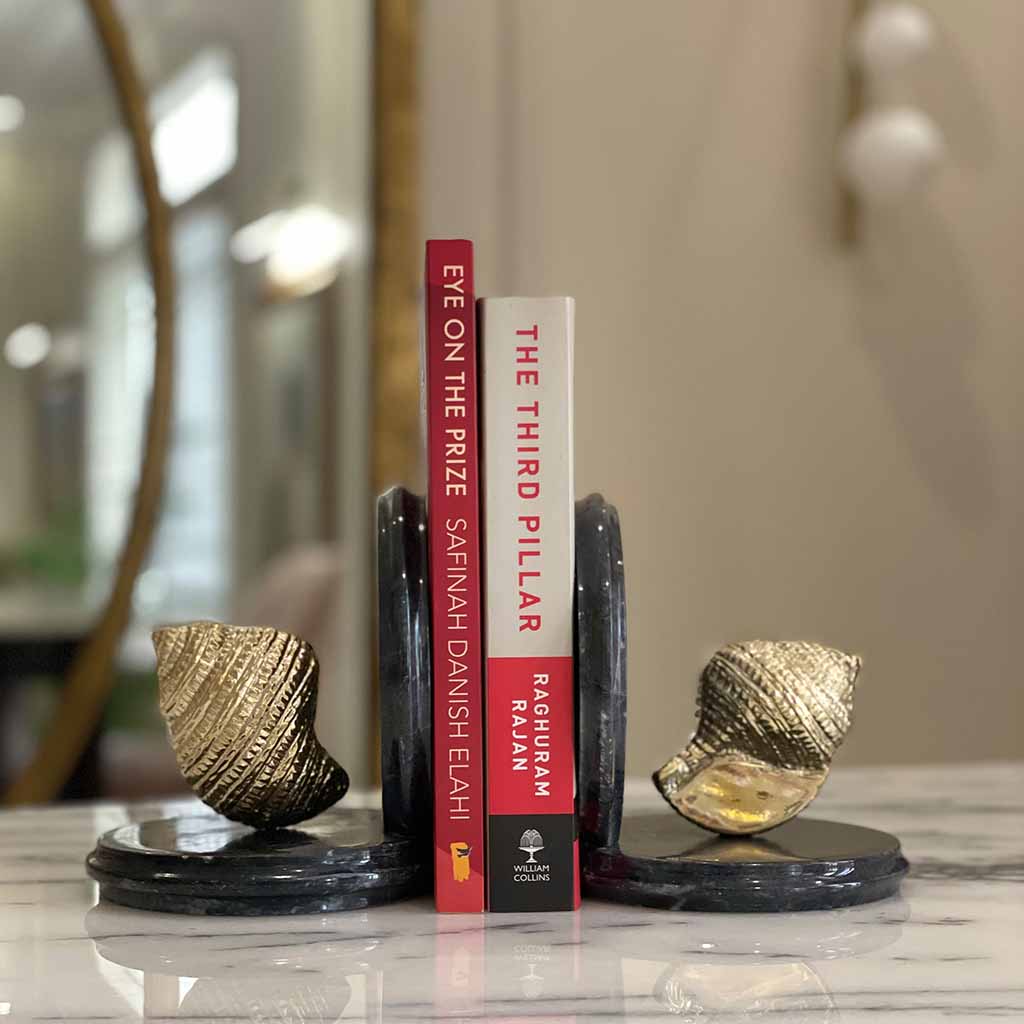
Bookends: edit, then stop
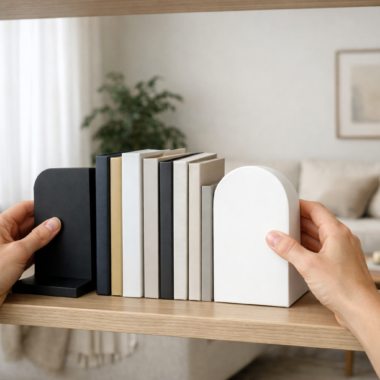
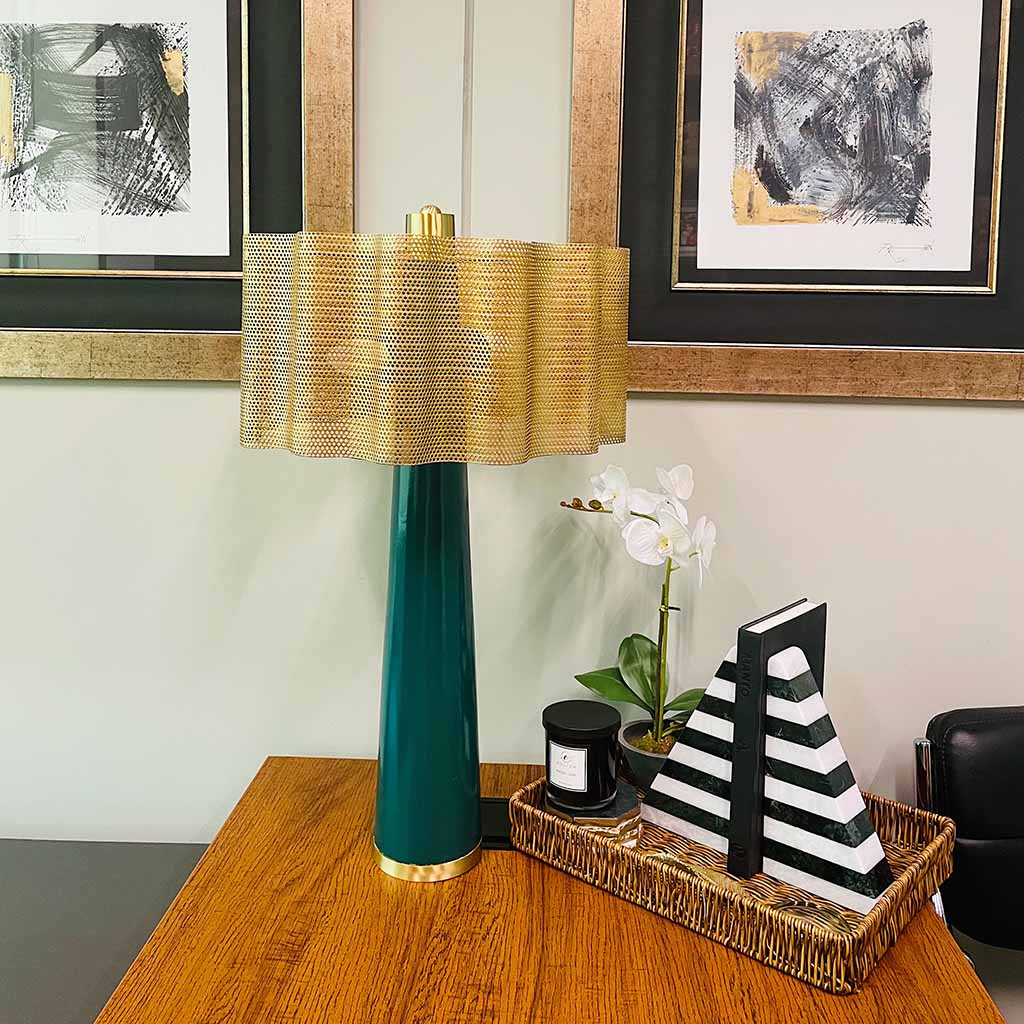
The Carta Bookends are triangular marble pieces banded in green and white, about nine inches tall. Anchor a short run of books, add one family piece, and leave a third of the shelf open.
Vases: one voice, not a chorus
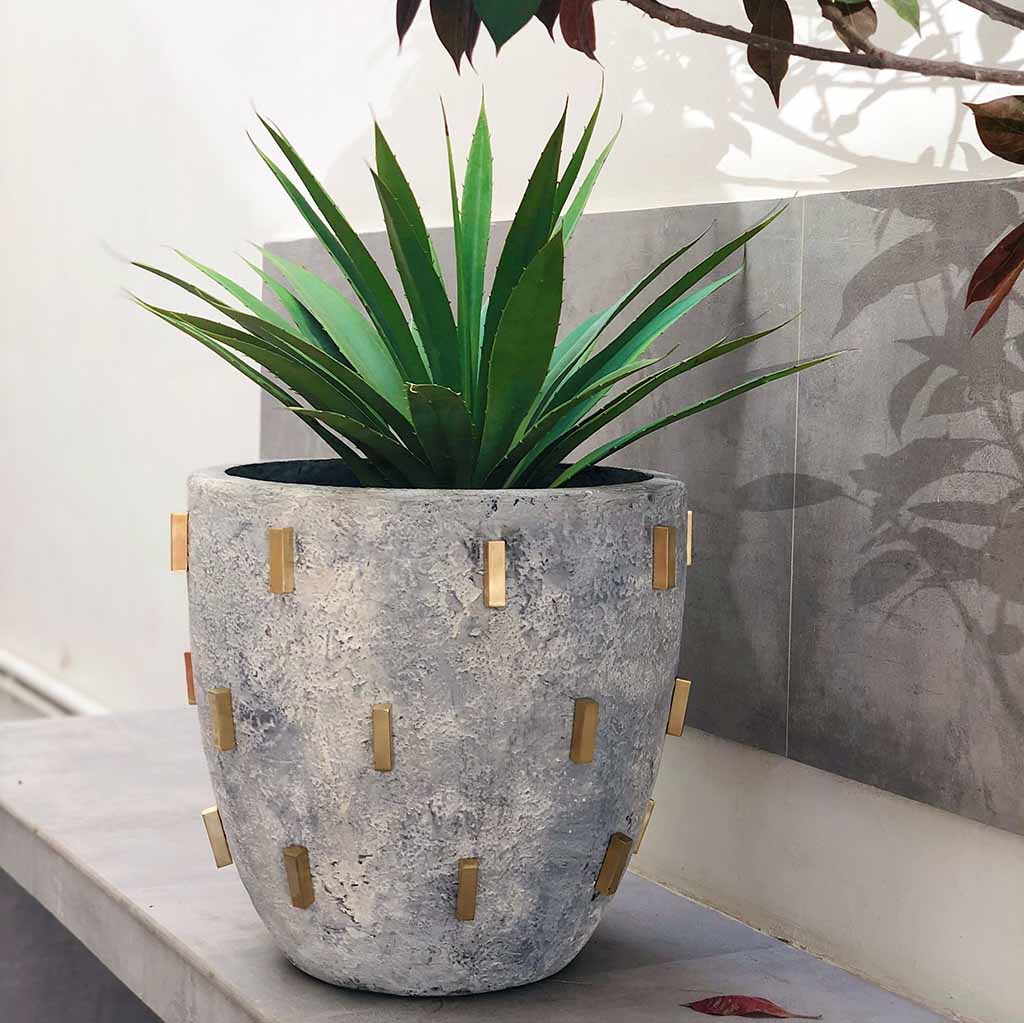
Against patterned upholstery or carved wood, restraint wins. The Nura Vase, black marble with a glass inner vase, is 11 inches long and suits a single branch or a few stems beside a lamp.
Lamps: the quietest layer
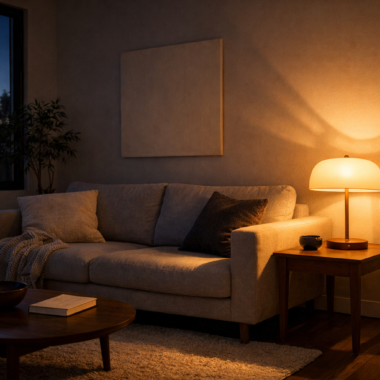
A table lamp warms a corner after dark. The Gena Table Lamp stands 30 inches tall, with white marble cylinders, brass rings, and a fabric drum shade. Keep the bottom of any shade near seated eye level, use a warm bulb, and see more table lamps for other scales.
Material Continuity: The Bridge Between Old and New
A coherent room does not need every object to match. Continuity means a few shared materials appearing in different places; uniformity means everything wears the same finish.
Dark wood, brass, and marble make a reliable trio. Brass on a lamp can echo the hardware on an existing cabinet; marble on a table can answer a stone object across the room; a sculptural stone piece gives patterned upholstery something calm to push against. The Marmor Side Table holds the idea in one piece: a marble mosaic top with brass inlay, on a solid wooden base with brass accents.
Brass finishes differ in tone, and marble is natural stone, so veining varies. Hold a new piece beside existing hardware in daylight and aim for shared warmth, not identical colour. Limit the palette to three materials and repeat each at least twice.
Layout, Lighting and Furniture That Serve Hospitality
A beautiful room must also seat people, let them talk, and allow tea to cross it. Pull seating away from the walls into a grouping where guests face each other. Common design guidelines suggest 30 to 36 inches for walkways, 14 to 18 inches between sofa and centre table, and a centre table about two-thirds the length of the sofa. Treat them as starting points; your room decides.
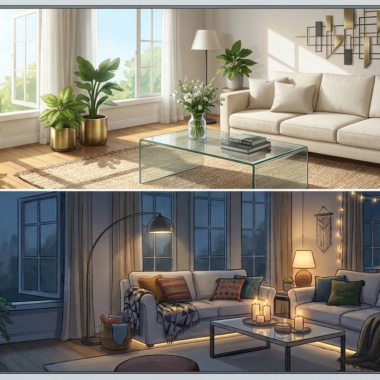
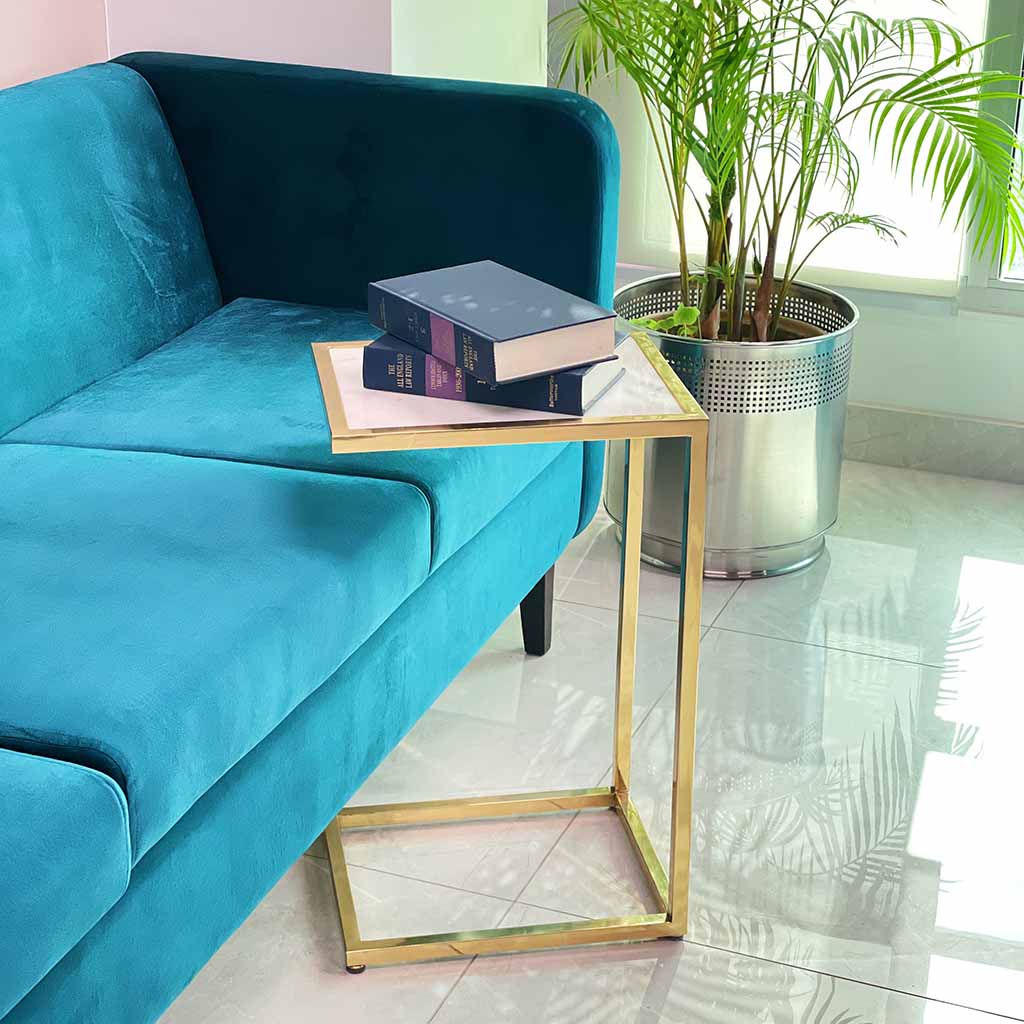
Give every seat a surface within reach. A pair of side tables at arm height gives guests somewhere to set a cup, leaving the centre table free for serving. In the evening, replace one harsh overhead light with two or three lamps at different heights. Reposition what you own before buying; oversized furniture overwhelms a modest room.
Curate, Don’t Display
Use this as a process, not a rulebook:
- Identify the piece that deserves to be the main focal point.
- Remove accessories that cause clutter or repeat the same effect.
- Choose a consistent material palette.
- Add one or two contemporary accents.
- Combine objects of different heights and shapes.
- Leave some surfaces deliberately open.
- Check the arrangement in daylight and evening light.
- Keep only what serves the room or means something.
The best drawing rooms balance hospitality, personal identity, cultural continuity and careful design.
Bring thoughtful design to your drawing room with Creo Living’s high-quality home decor, furniture, lamps, and serveware accessories. Shop thoughtfully designed, luxurious gifts for hosts and homes at Creo Living.
FAQs
1. How can I modernise a traditional Pakistani drawing room without replacing the furniture?
A: Edit first: clear surplus objects, turn seating toward conversation, and swap cushions and lampshades. Then add one contemporary home decor piece and a warm lamp. Changing what surrounds furniture often matters more than replacing it.
2. Which decorative items work best in a formal drawing room?
A: Choose clean forms in a limited palette: a sculptural candle stand, a low platter, a single vase, bookends, and a lamp. Favour objects that are useful or personal, vary heights, and keep open space around each.
3. How can I combine brass, marble and traditional wooden furniture without making the room feel mismatched?
A: Pick two or three materials and repeat each at least twice. Let a brass lamp echo cabinet hardware, and a marble object answer a marble table. Matching tone loosely matters more than matching finishes exactly.
4. How can I style a drawing room that needs to remain practical for guests and everyday use?
A: Style a few surfaces and keep the rest clear for cups and plates. Choose serveware that looks good left out, keep a side table within reach of each seat, and store seasonal objects elsewhere.