



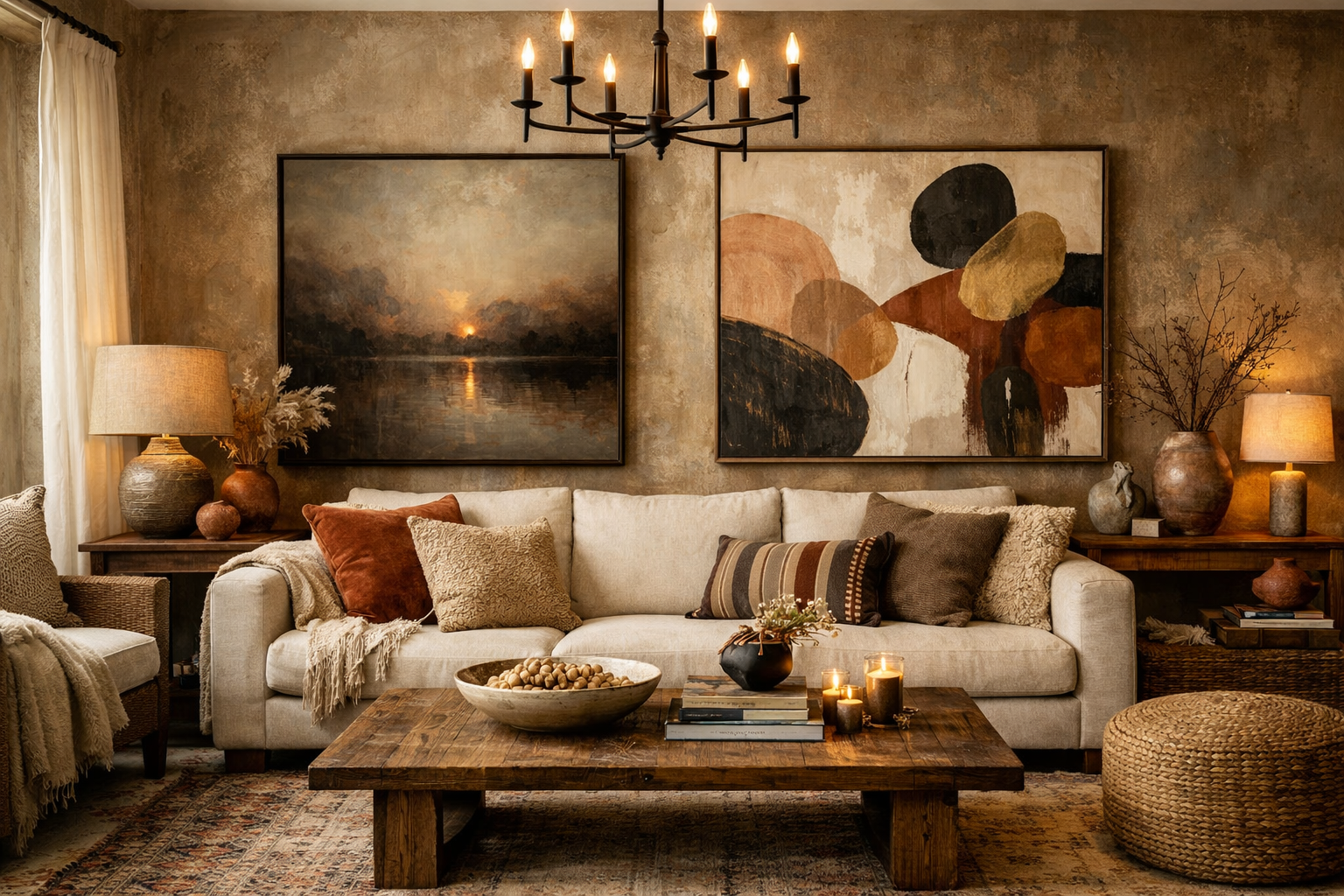
The Half-Finished Living Room Trap
There’s a particular disappointment that follows a living room renovation once it’s declared “complete.” The sofa arrived. The coffee table found its spot. The rug was measured, ordered, and unrolled with ceremony. Yet, standing in the doorway a week later, something feels unresolved, as though the room is still waiting for a decision that was never made.
This is the most common trap in residential styling: mistaking furniture placement for finished design. Homeowners across Karachi, Lahore, and Islamabad invest a significant budget in primary furniture, only to find that a room full of expensive pieces can still feel cold, temporary, or perpetually mid-move. The issue isn’t the sofa’s quality or the rug’s price. It’s what surrounds them, or, more precisely, what doesn’t.
Big furniture establishes a room’s skeleton. It does not give it a pulse.
The Architecture of Completion: What the Final Layer Achieves
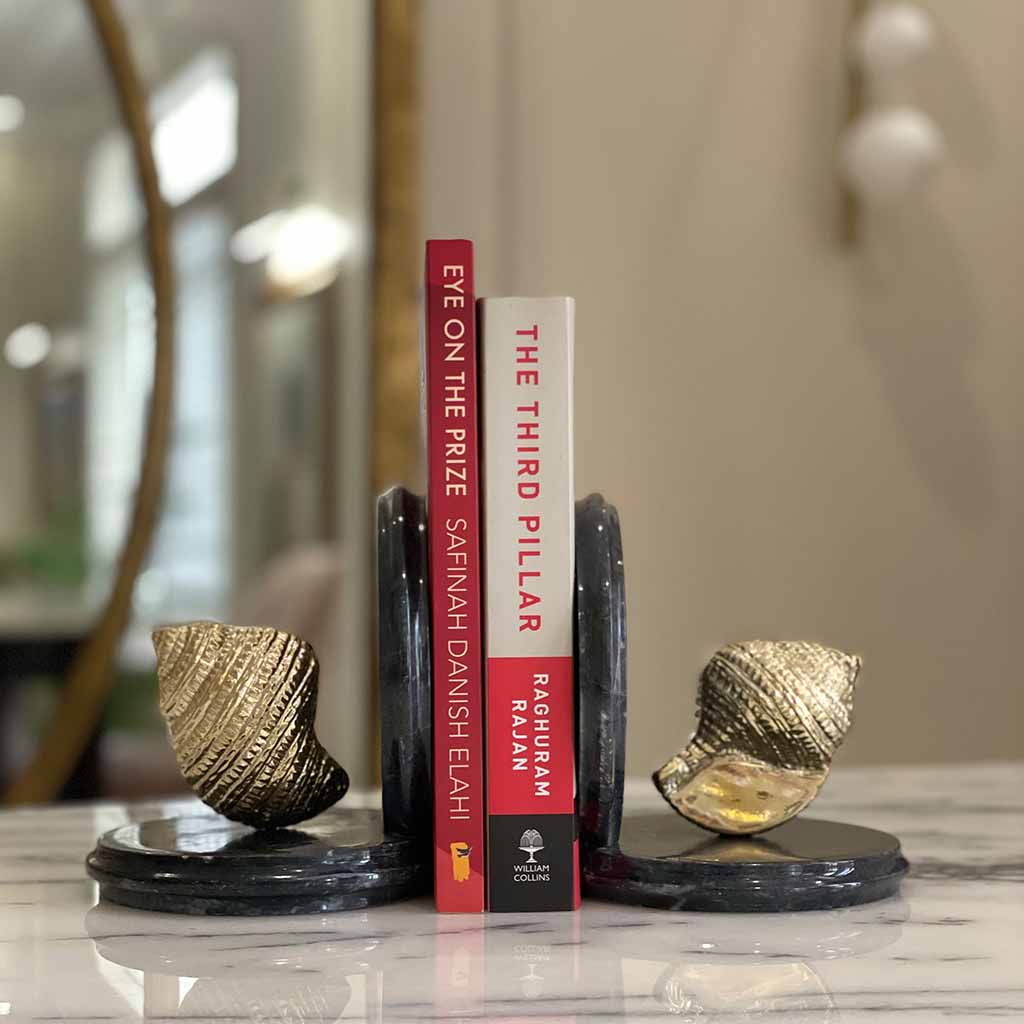
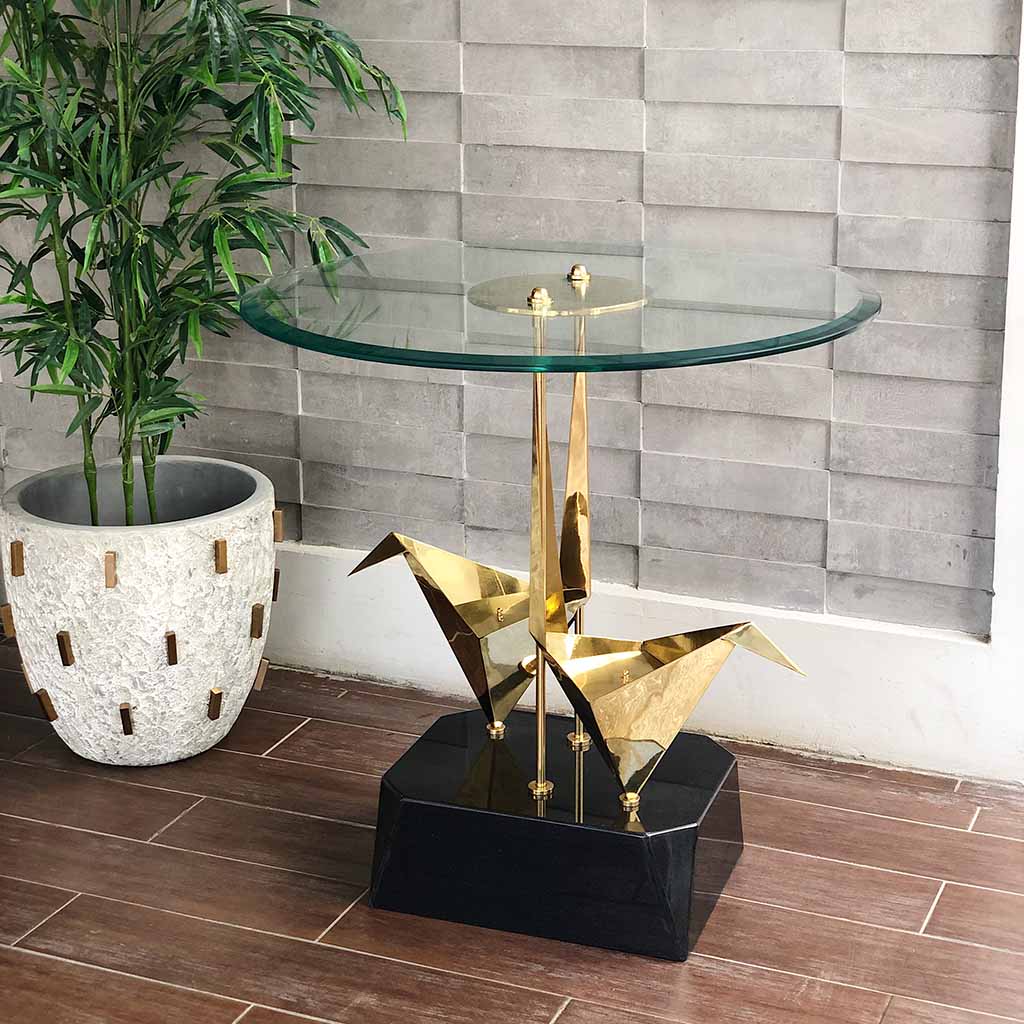
In professional interior design, there’s a term for everything that happens after major furniture is placed: the final layer. This includes side tables, candle stands, accent trays, ceramics, small sculptural objects, and the quiet vignettes that collect on a console or credenza. None of these pieces are structural. All of them are essential.
The final layer solves a problem large furniture cannot solve alone, the gap between architectural scale and human scale. A living room is built to accommodate walls, windows, and ceiling height. People interact with a room at a much smaller register: a hand reaching for a coffee cup, an eye landing on a texture, a lamp switched on at dusk. Without smaller elements bridging that gap, a room reads as a showroom floor plan rather than a space someone actually lives in.
This is where home decor stops being decorative and starts being functional. The final layer is what makes furniture legible as a lived environment, not a delivery in progress.
Anchoring Floating Seating: The Strategic Role of Side Tables
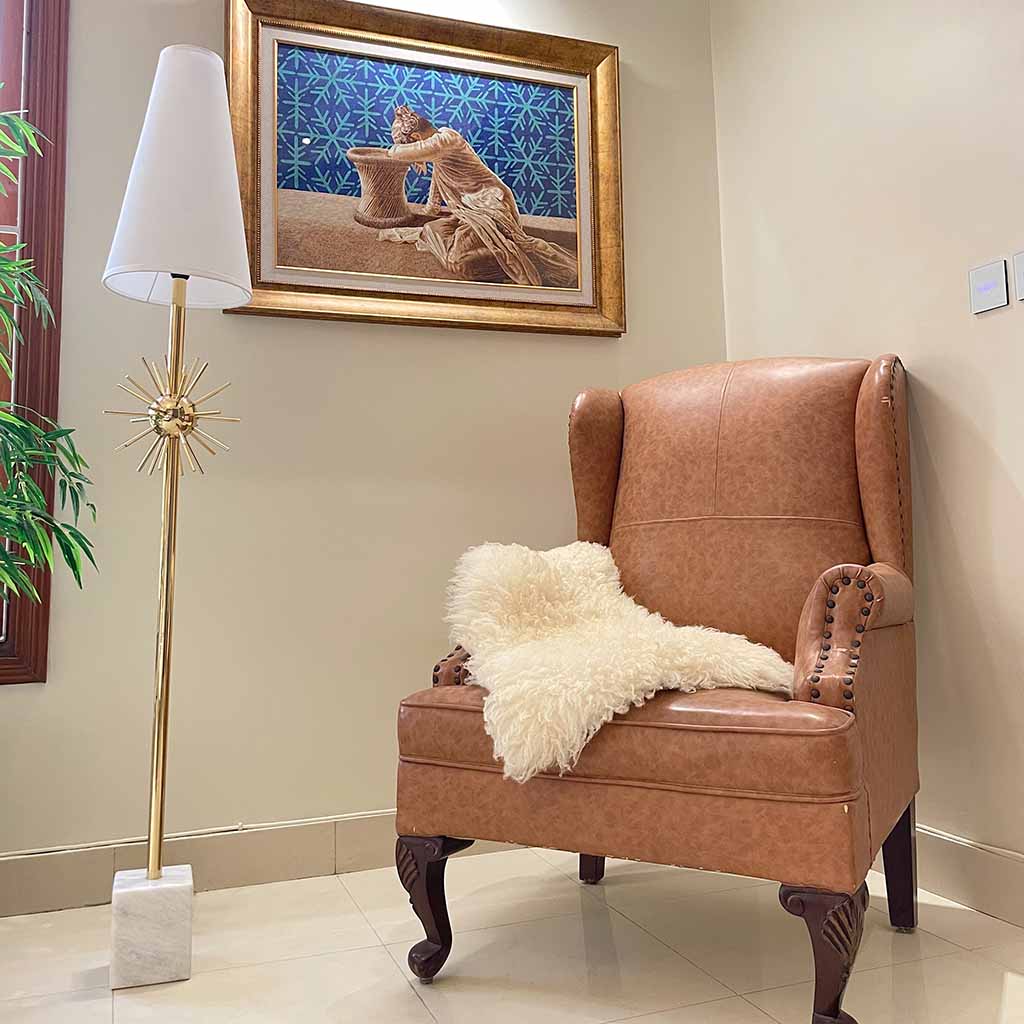
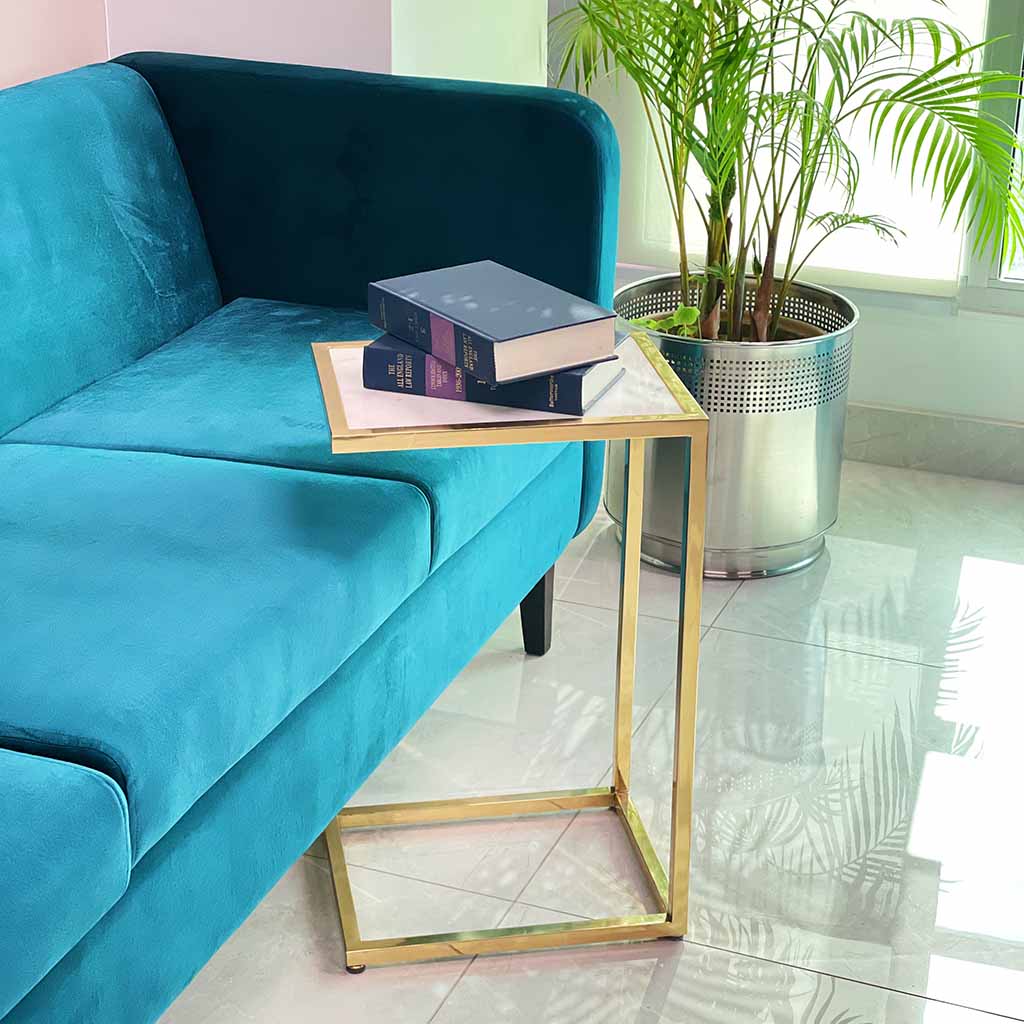
Nowhere is this gap more visible than in Pakistan’s increasingly popular open-plan living rooms, where sofas and armchairs sit away from walls to define zones within a larger footprint. The layout is architecturally sound, but it carries a styling risk: seating with no relationship to anything nearby. Call it the stranded furniture look, a sofa in open space with nowhere for a guest to set down a cup or a book.
Side tables solve this immediately. A well-placed side table gives each seat a functional reach surface, anchoring what would otherwise feel like a floating object. This is not a minor flourish; it’s one of the most load-bearing decisions in the entire final layer.
Material matters as much as placement. Marble side tables for living room settings carry a visual weight that grounds a space instantly, their coolness and veining introduce a material contrast against upholstery that wood alone can’t achieve. For homeowners searching to buy side tables online in Pakistan, marble remains the standout choice because it performs two jobs at once: practical surface area and a permanent, gallery-grade texture that ages well rather than dating quickly.
Step-by-Step Guide: Building the Final Styling Layer
Once the case for the final layer is clear, the natural next question is sequencing. Layering a room well is a process, not a single shopping trip. Here is the order that produces the most cohesive result.
Step 1: Surface Anchors
Begin with side tables and console surfaces, placed within genuine arm’s reach of every seat. This is the foundation everything else sits on, so resist the temptation to skip straight to decorative objects before this structural layer is settled.
Step 2: Illumination & Height
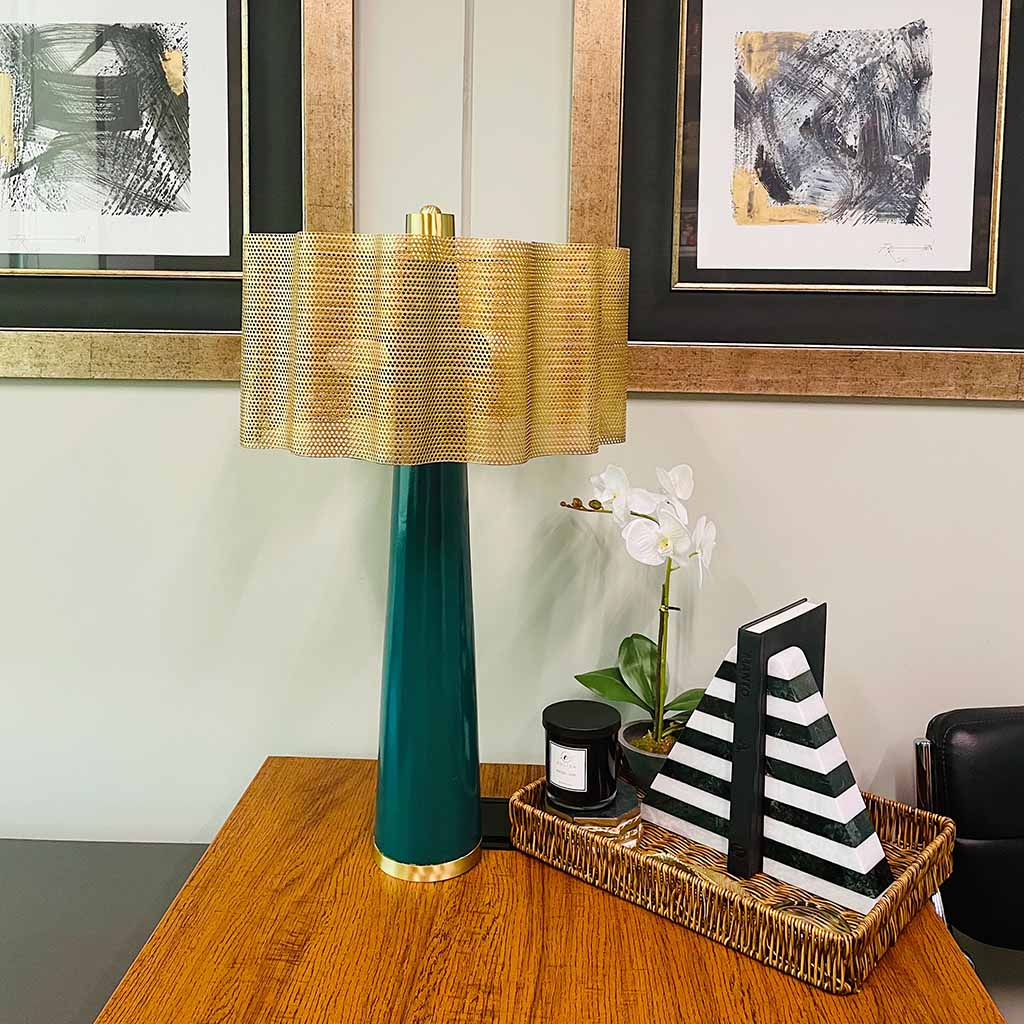
Flat horizontal planes, a coffee table, a low console, read as unfinished until something breaks the eye line vertically. Table lamps, tall candle holders, or a single sculptural vase introduce height and warmth, especially once evening light takes over from daylight.
Step 3: Containment
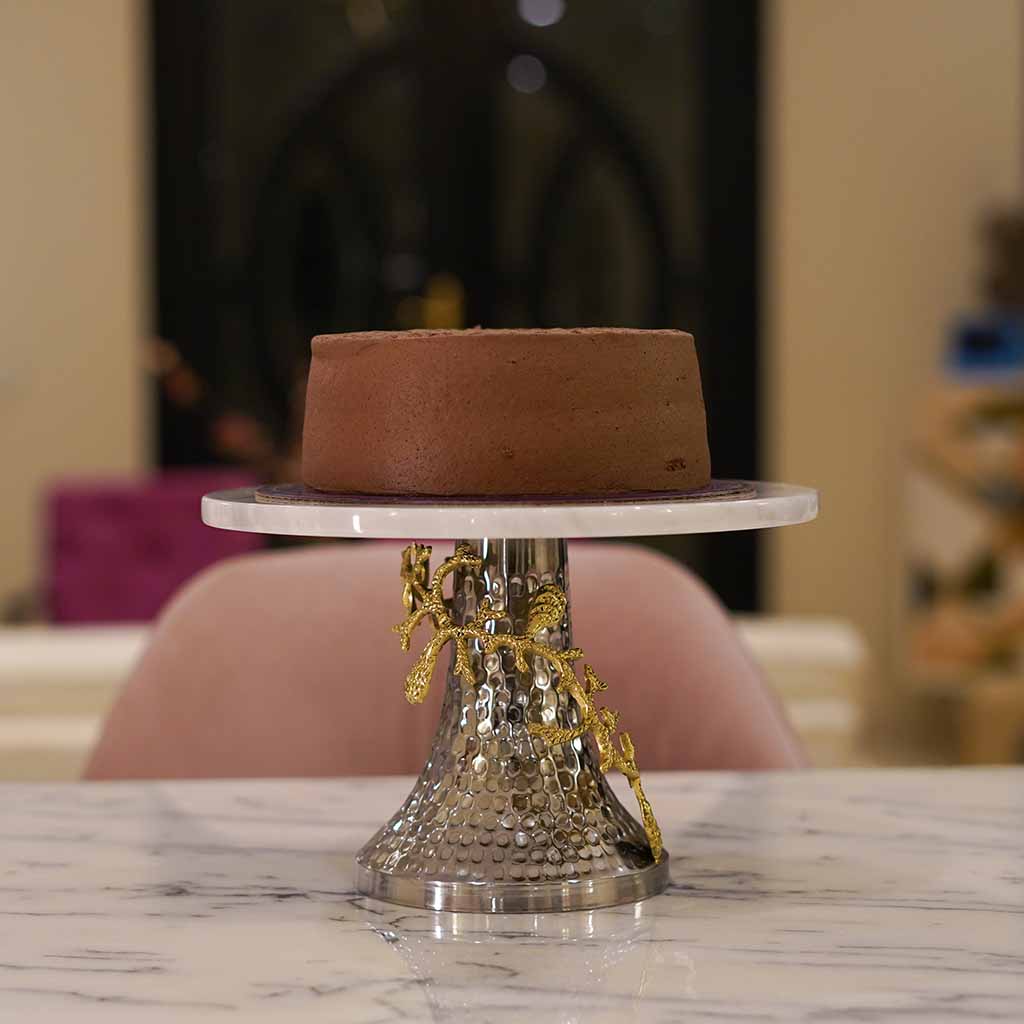
Small objects scattered loosely across a surface create visual noise rather than styling. Marble or metallic trays solve this by grouping smaller items into a single, intentional cluster, giving the eye one clear focal point instead of several competing ones.
Step 4: Tactile Balance
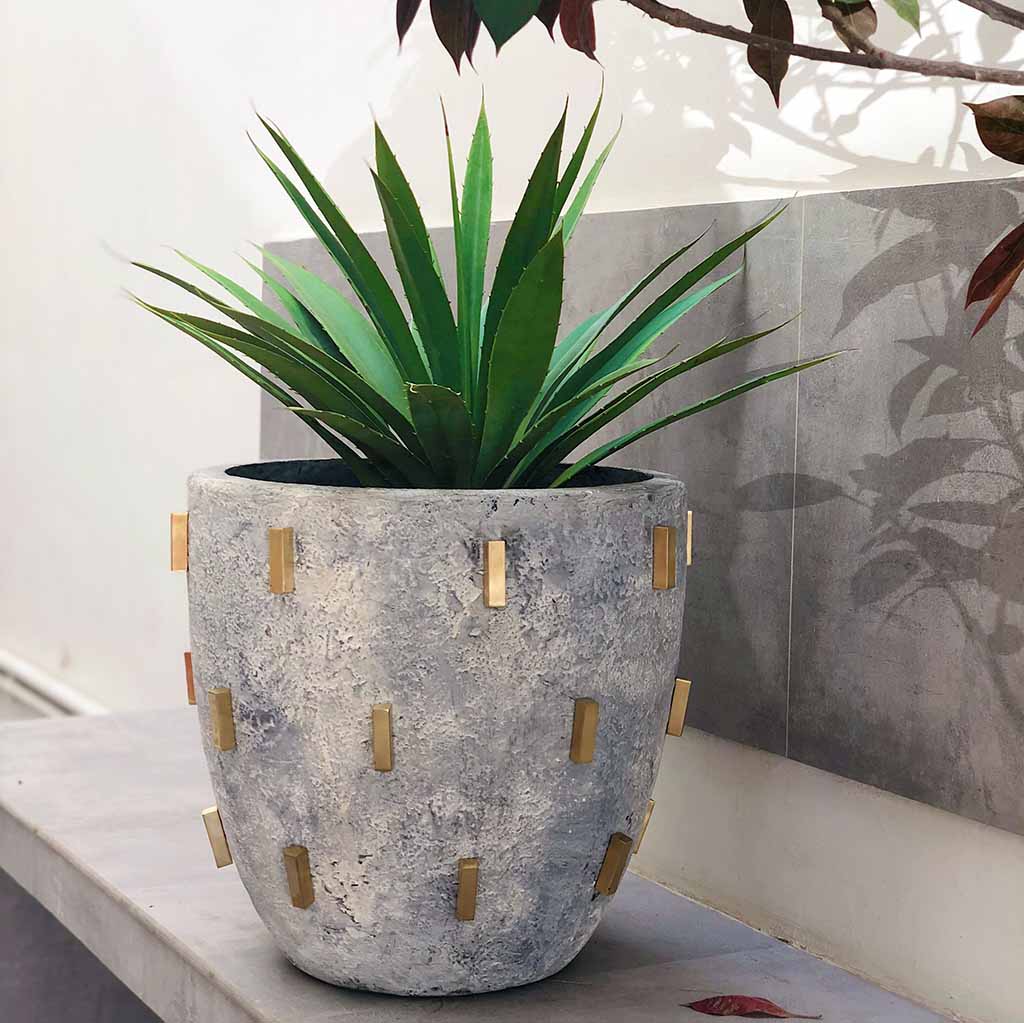
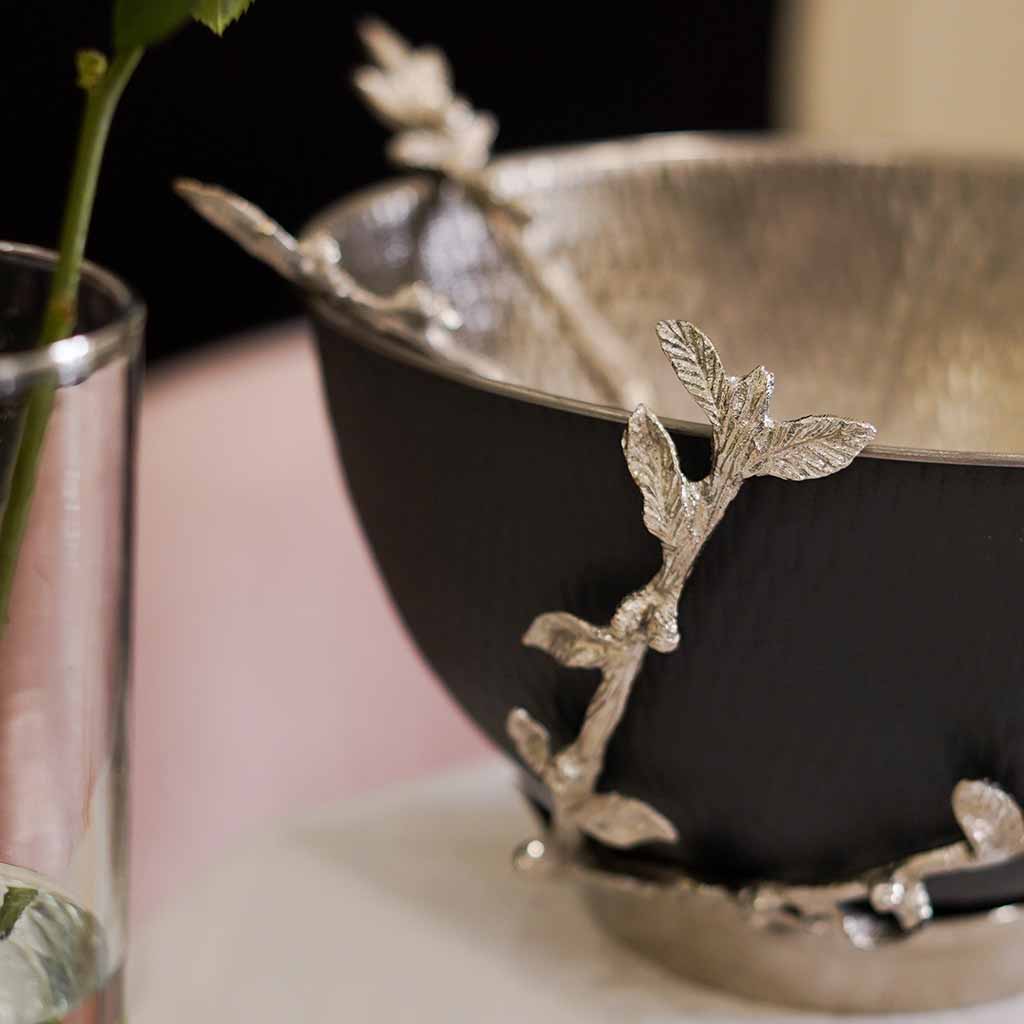
Upholstery is soft by nature, and a room built entirely from soft materials starts to feel flat. Introduce contrast through stone, brass, or handcrafted ceramic accents, materials that catch light differently and give the room the tactile range that separates considered interior design from a furniture showroom.
Followed in this order, the final layer builds logically: structure first, height second, order third, texture last.
The Finished Room Formula: How to Know You’re Done
The hardest part of the final layer isn’t adding pieces, it’s knowing when to stop. Over-styling is as common a mistake as under-styling, and it produces its own version of an unresolved room, just in the opposite direction: cluttered instead of cold.
Use this checklist to test if a living room has reached genuine spatial harmony:
- Every seat has a surface within reach, no one is holding their tea because there’s nowhere to set it down.
- At least one vertical element breaks each major horizontal plane in the room.
- Small objects are grouped in twos or threes, not scattered as singles across every surface.
- At least two distinct materials, stone, metal, ceramic, glass, appear outside of the furniture itself.
- Nothing on display serves a purely decorative purpose with zero tactile or functional value.
- The room still has visible negative space; every surface is not full.
A living room that meets these six conditions has moved past furniture placement into full interior design, the kind of space that photographs well not because it’s staged, but because it’s genuinely resolved.
FAQs
1. What exactly counts as the “final layer” in living room styling?
A: It refers to every element added after major furniture placement- side tables, lighting, trays, and tactile accents, that bridges the gap between a room’s architecture and how people actually use it day to day.
2. How many side tables does a living room actually need?
A: As a general rule, every distinct seat or seating cluster should have a surface within arm’s reach, a dedicated side table, or a shared surface between two chairs.
3. Is it possible to over-style a living room during the final layer?
A: Yes. Clutter is simply an unresolved room in the opposite direction from bare furniture. Grouping objects in twos or threes and preserving visible negative space keeps the final layer intentional rather than excessive.
4. Why do designers favor marble side tables over other materials?
A: Marble introduces a cool, permanent material contrast against soft upholstery, carries genuine visual weight, and resists looking dated the way trend-driven finishes often do within a few years.
Bring Your Living Room Home
Skip the guesswork on what your space still needs; Creo Living’s curated collection of side tables, lamps, trays, and handcrafted decor pieces exists precisely for this final layer. Give your living room the finishing touch it’s been waiting for, one considered piece at a time.