



Beyond the Visual Horizon
Walk into a room styled purely for photographs, and something always feels slightly off. The cushions are plumped, the palette is on-brand, yet the space doesn’t invite you to linger. That’s because true interior design was never meant to be a two-dimensional exercise. A home is an environment your body moves through, touches, and breathes in, not a photograph.
The most memorable interiors engage far more than the eyes. They cool your palm against honed stone, warm your shoulders under low amber light, and settle something in your chest with a single note of sandalwood drifting from the hallway. This is the shift thoughtful home decor Pakistan is embracing now, away from flat, screen-ready perfection and toward rooms built for the full sensory register. What follows is a working guide to that shift: how to layer texture, light, and scent so a home doesn’t just look finished, it feels inhabited.
The Tactile Layer: Surface Contrast, Temperature, and Grain
Touch is the sense interior design most often forgets, yet it’s the one your body registers first, the moment a palm meets a countertop or bare feet meet a rug. Real luxury lives in contrast: cool against warm, smooth against coarse.
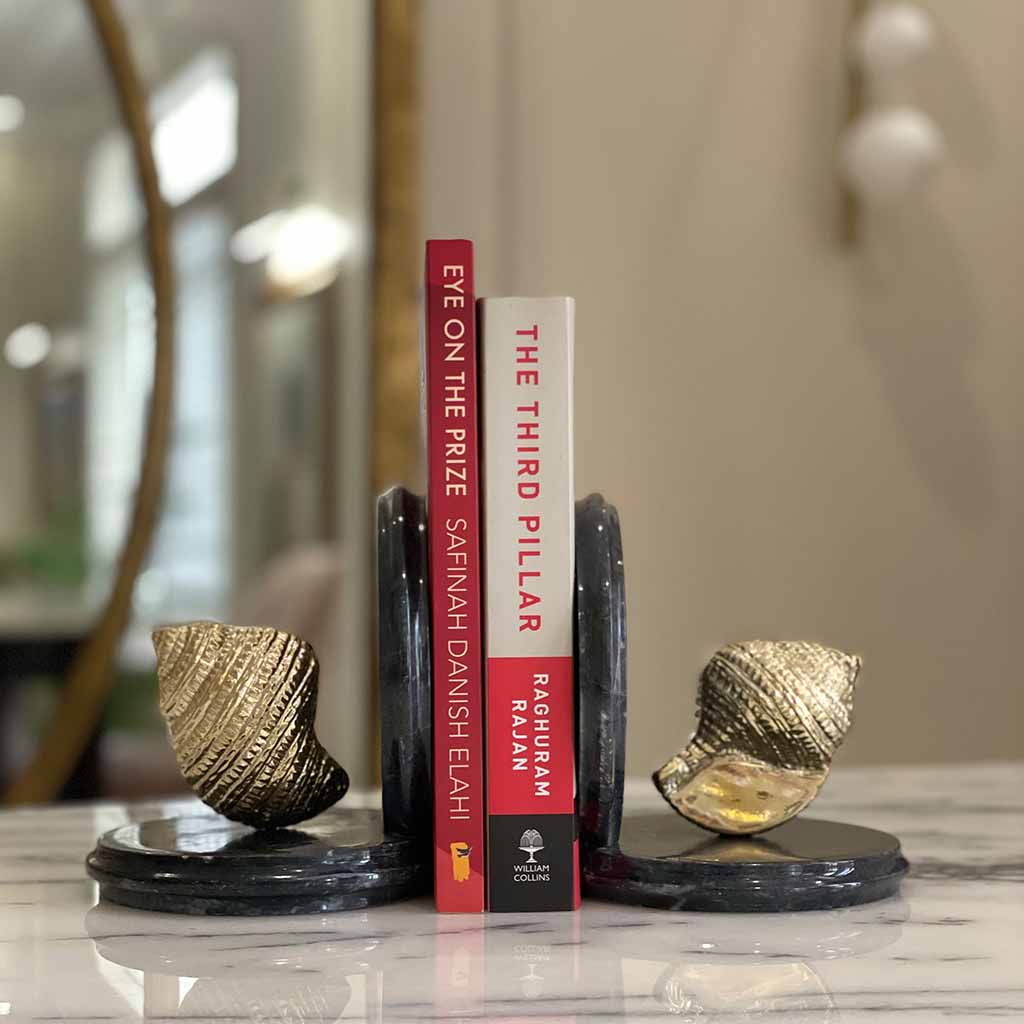
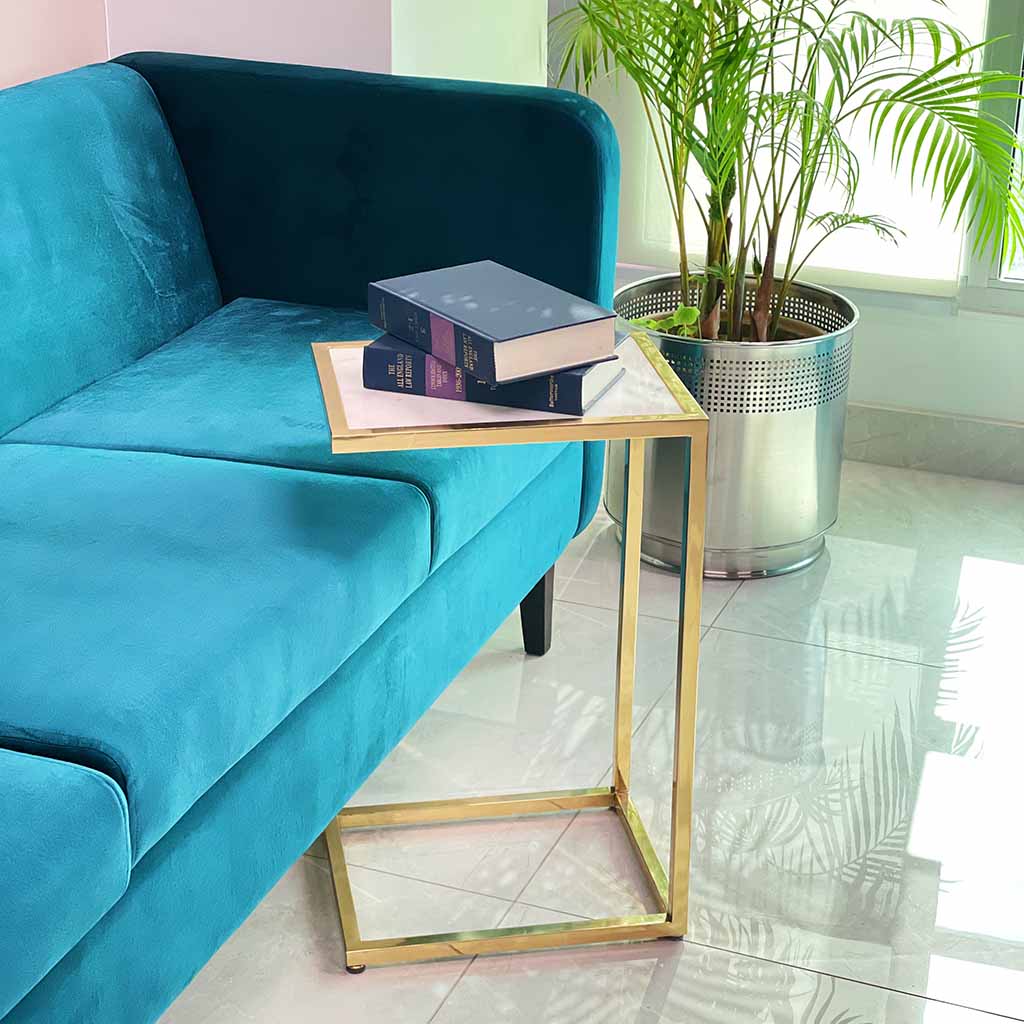
Marble Coolness. Honed marble, deliberately matte rather than glossy, offers a grounding chill polished stone can’t replicate. Its low-glare surface reads as quiet sophistication, ideal for console tops, coasters, and side tables where hands naturally rest.
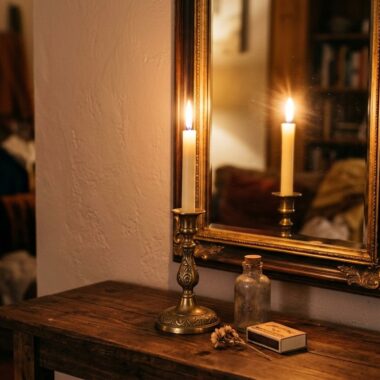
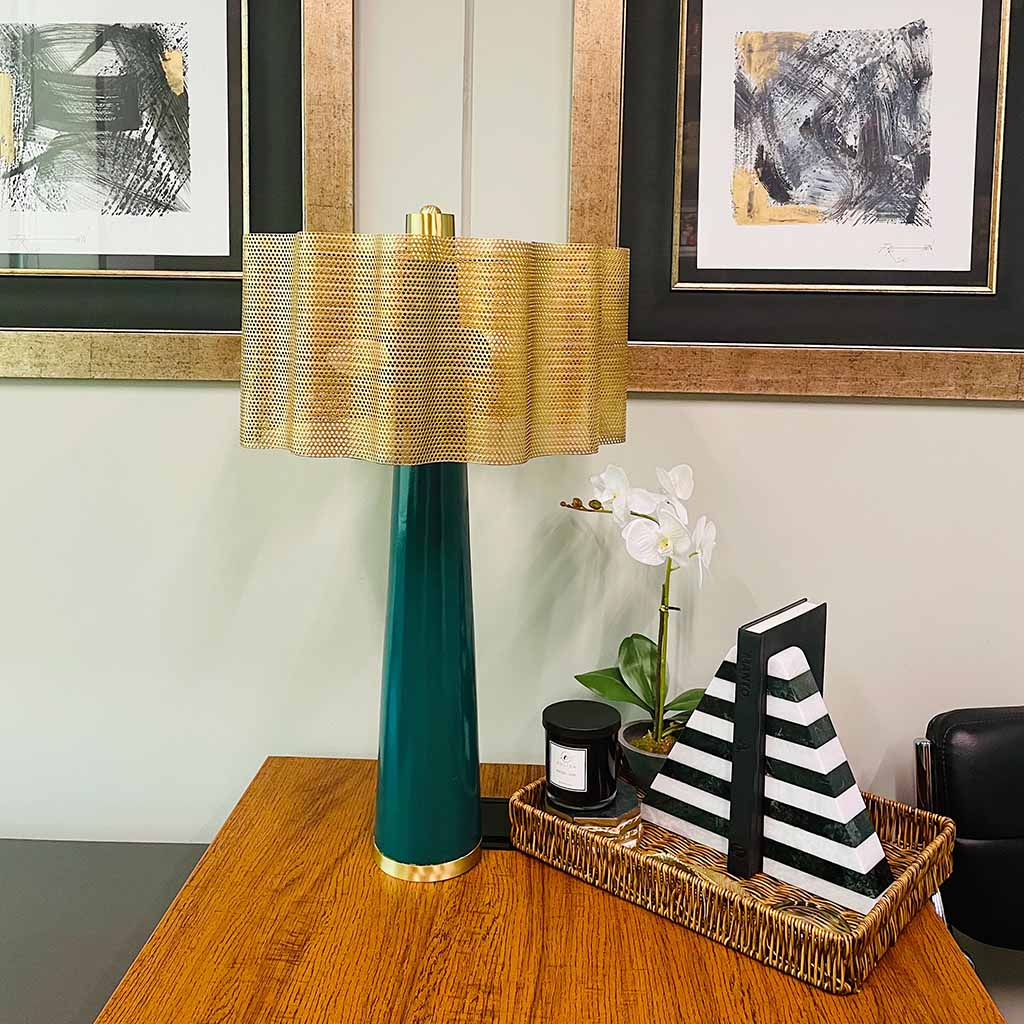
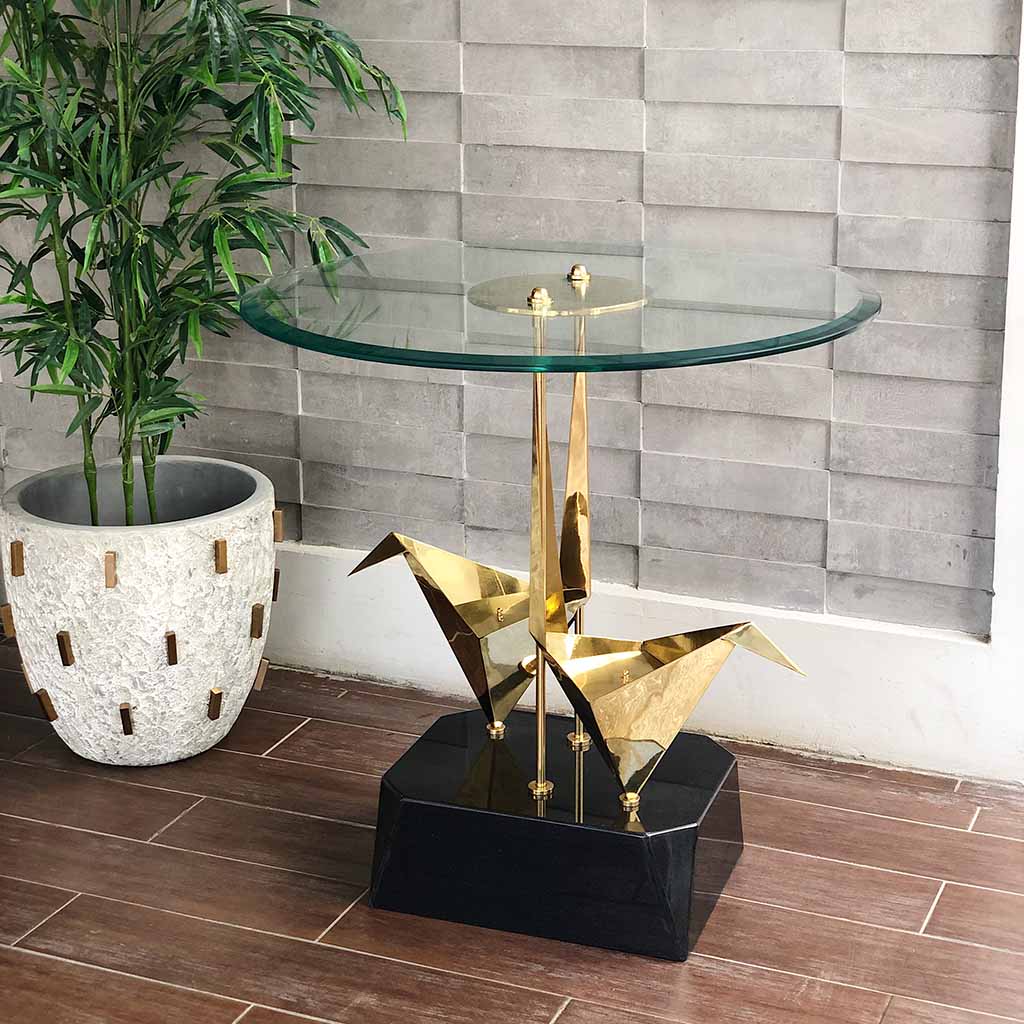
Brass Warmth. Where marble cools a room, brass warms it, both visually and to the touch. Unlacquered brass develops a soft living patina over time, aging alongside a home rather than sitting frozen in one finish. Introduced through drawer pulls, candle stands, or tray edges, it keeps a stone-heavy room from feeling clinical.
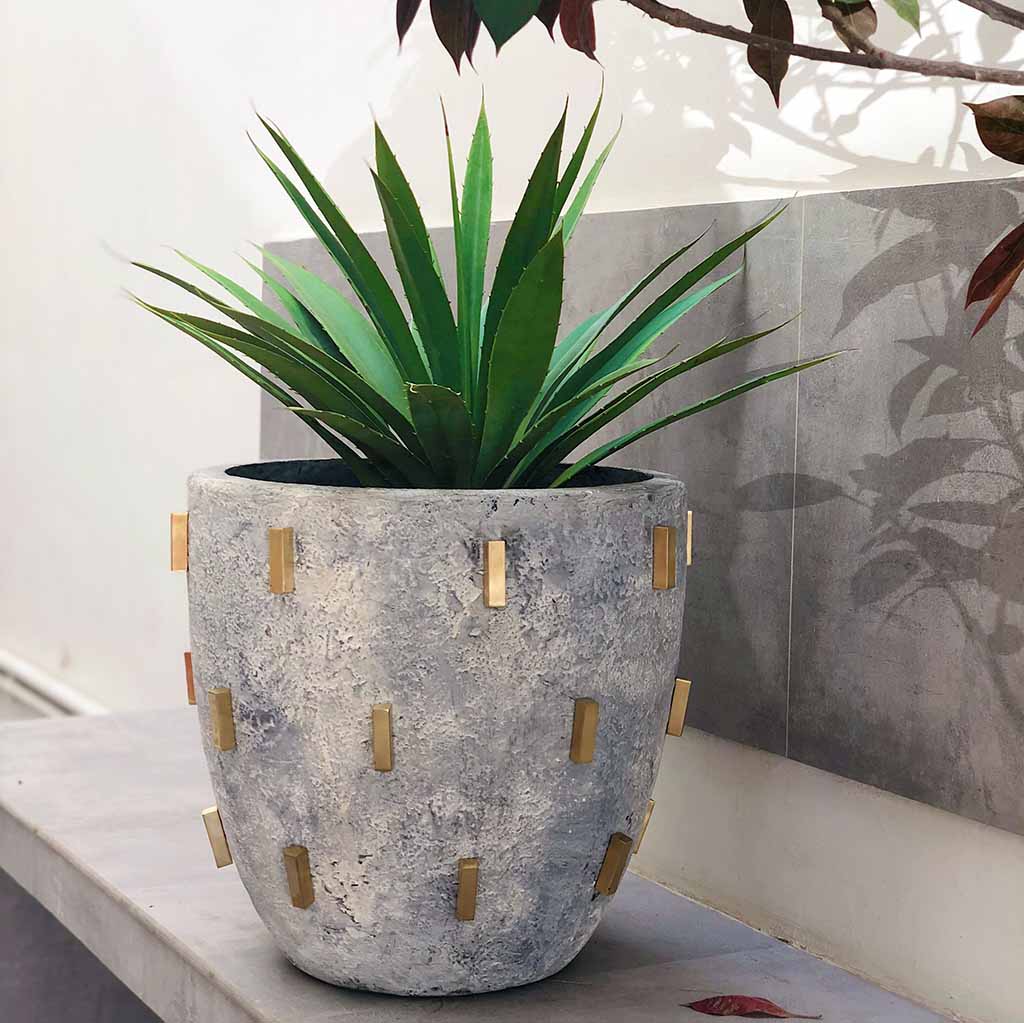
Organic Ceramics & Planters. Unfinished clay and rough-hewn terracotta bring a grounding, almost geological texture indoors. Their imperfect surfaces read as handmade rather than manufactured, a quiet counterpoint to the precision of glass and metal nearby.
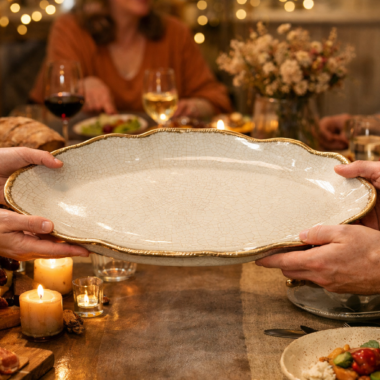
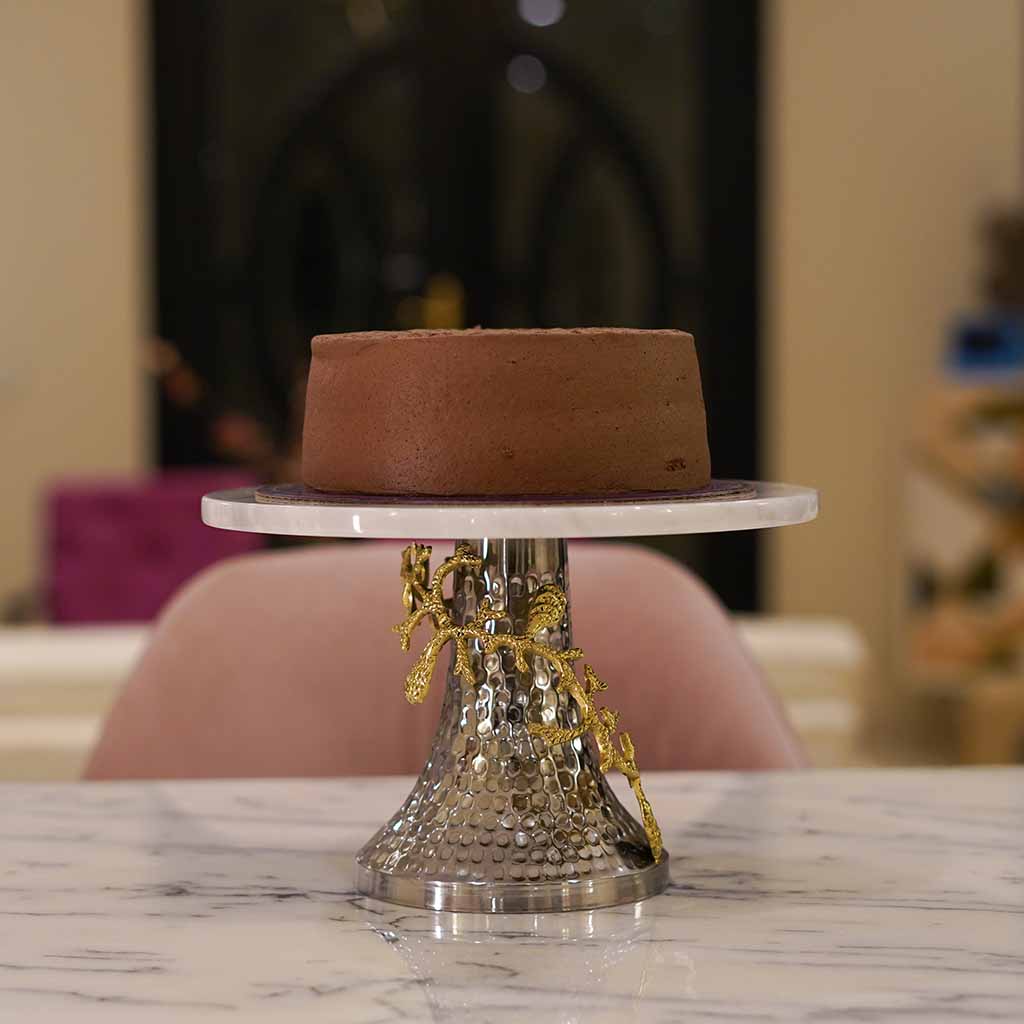
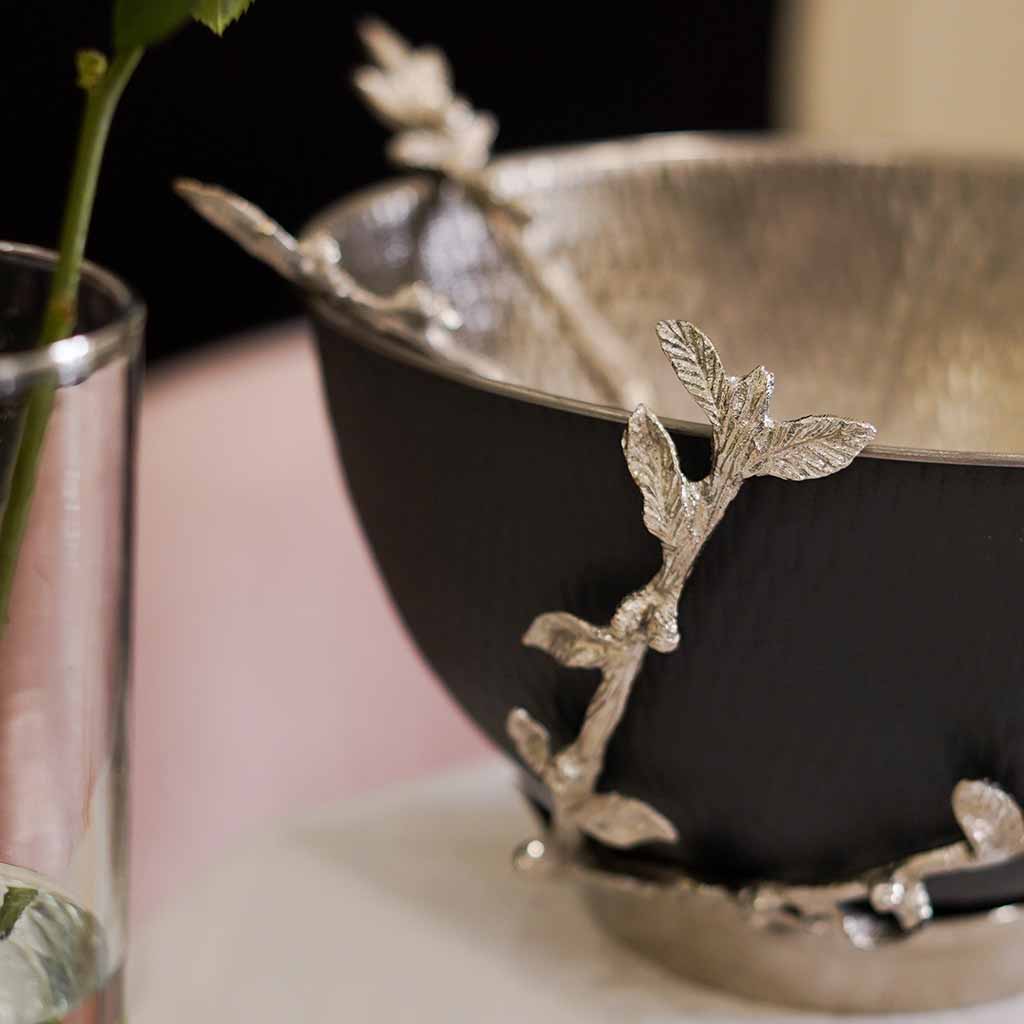
Textured Serveware. Even daily rituals deserve tactile richness. Stone bowls, hammered-metal trays, and rough-glazed servingware turn an ordinary breakfast into something considered, making the dining table one of the most sensory-rich zones in the house.
Tactile layering cheat-sheet:
- One cool material (marble, stone, glass) per surface
- One warm metal accent (brass, aged bronze, copper)
- One organic, hand-finished piece (raw ceramic, unglazed clay)
- One tactile tray within arm’s reach of a seating area
The Light & Shadow Spectrum: Creating Atmosphere
Overhead lighting flattens a room. It erases shadow, and shadow is where atmosphere actually lives. Depth comes not from more light, but from light placed at multiple heights and temperatures, a floor lamp’s low glow, a pendant’s pooled circle, and, most crucially, the shifting flicker of a flame.
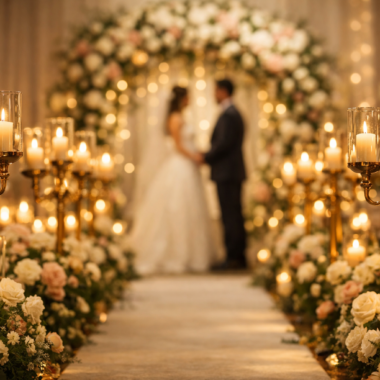
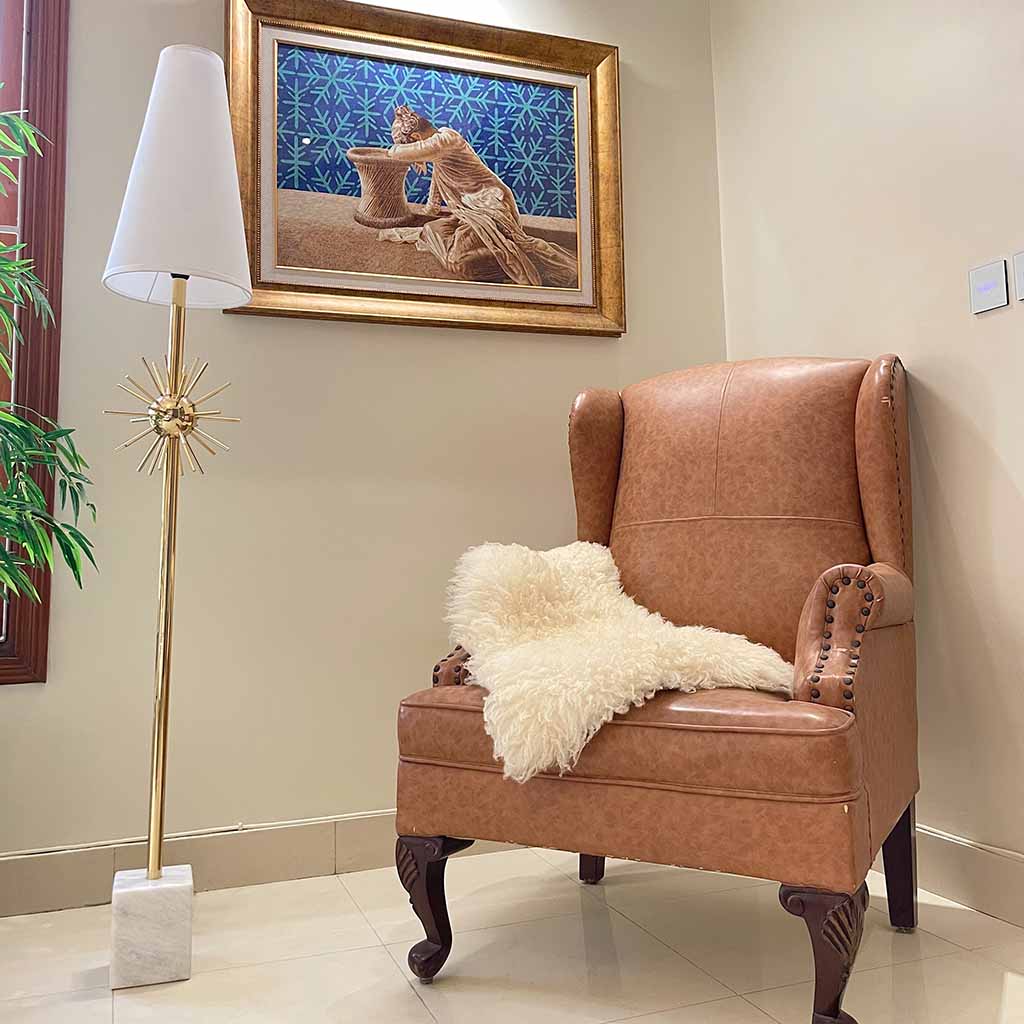
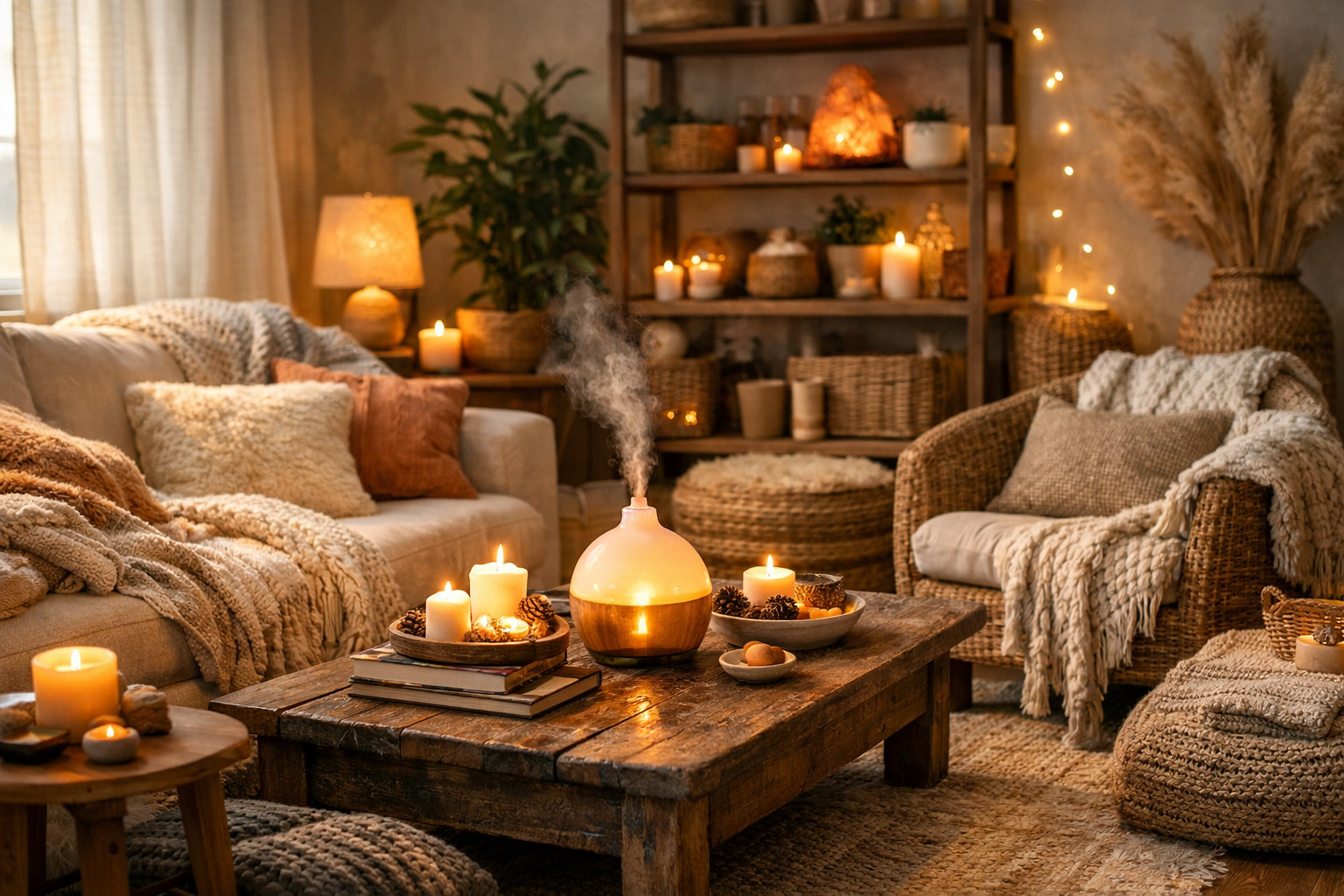
Candle stands do something no bulb can replicate: they move. That irregular flutter softens edges, casts shadows that shift by the minute, and signals the body to slow down in a way static light cannot. Positioning a tall brass or ceramic candle stand near a reading chair, or clustering varying heights along a console, builds the kind of layered depth interior design theory calls “vertical lighting”: light at eye level, waist level, and floor level, working together instead of one flat wash from above.
Working principles for light layering:
- Never rely on one ceiling fixture as the only light source
- Group candle stands in odd numbers and varying heights
- Reserve the warmest light for evening zones, bedrooms, reading nooks, dining corners
- Let shadow do some of the decorating; not every corner needs illumination
Olfactory Architecture: Scent as an Invisible Design Anchor
Scent is the only sense with a direct line to memory. Long after a guest forgets the wallpaper, they will recall how the entryway smelled. This makes fragrance the most underused tool in home decor, an invisible layer of design that completes a space’s identity as surely as its furniture does.
Rather than one scent flooding the whole house, consider scent zoning: a bright, citrus-forward note at the entry to mark arrival, something warmer and woodier, oud, amber, sandalwood, in the living room where people gather, and a soft, muted floral or linen note in private corners like the bedroom. Strategically placed artisanal candles and diffusers create these transitions naturally, so a home unfolds in fragrance the way it unfolds in floor plan.
Sensory Luxury: Elevating Homes Beyond Budget Constraints
Here is the quiet truth of sensory design: it costs far less to layer texture, light, and scent thoughtfully than it does to renovate a room. A genuinely luxurious home isn’t defined by square footage or price tag, it’s defined by how deliberately every surface, glow, and note has been chosen.
A handful of well-chosen decoration items, placed with intention rather than accumulated at random, will always outperform a room full of expensive but disconnected pieces. The right decorative items for home use, a considered tray, a brass candle stand, a diffuser tucked into a hallway corner, turn mundane routines into small daily rituals: morning coffee on a textured tray, evening light dimmed to a candle’s flicker, a door opened to a familiar scent. This is what separates a house that photographs well from a home that feels like sanctuary.
Layer texture, light, and scent with the same intention you’d give any design decision, and your home stops competing for attention on a screen, it starts holding it in the room. Creo Living’s curated collection of premium home decor items, candle stands, serveware, and gifting pieces gives you everything needed to build that atmosphere, one considered surface at a time.
FAQs
Q1: What’s the easiest way to start decorating for the senses without renovating?
A: Begin with scent and light. Both are inexpensive and immediately felt, a few artisanal candles and a considered lamp will shift a room’s atmosphere more than any structural change.
Q2: How do I care for honed marble to keep its matte finish?
A: Wipe spills immediately, avoid acidic cleaners, and reseal the surface every six to twelve months. Skip abrasive scrubbers, which scratch the honed texture and dull its tactile quality.
Q3: Can I mix fragrances across different rooms without them clashing?
A: Yes, if you zone by intensity and family, lighter, citrus notes near entryways, deeper, warmer notes like oud or amber in lounges. Keep a closed door or hallway between contrasting scent families.
Q4: How many candle stands does one living room need?
A: Three to five at varying heights are usually enough to create a layered shadow effect. Cluster them rather than spacing evenly for a more natural, unstaged glow.