

The Cluttered Cutlery Drawer vs. The Curated Edit
Open most kitchen drawers in Pakistan, and you will find the same paradox: a tangle of mismatched serving spoons, three ladles that all do the same job, and not a single proper cake server when dessert finally arrives. Hosting anxiety rarely comes from a lack of tools. It comes from having the wrong ones in overwhelming quantity.
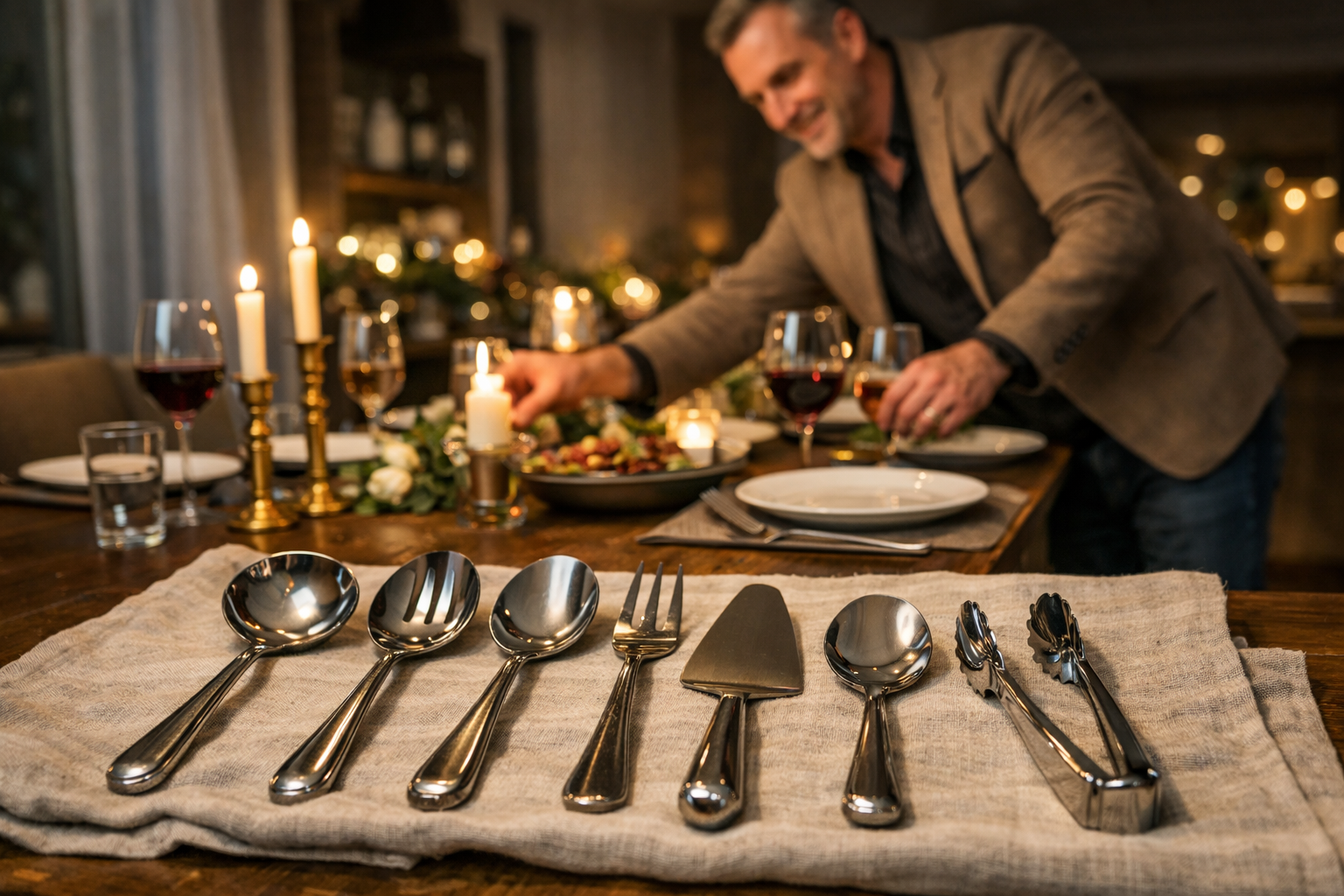
A confident host doesn’t need forty pieces of serveware. She needs twelve that are sharp, sturdy, and dressed for the occasion, whether it’s a quiet Tuesday dinner for four or a sprawling dawat where the biryani platter alone could feed a small wedding. The shift from volume to precision is the real secret behind tables that feel effortless, even when the menu is ambitious.
Build a small, high-function toolkit rather than a drawer full of duplicates. Once you know what belongs in it, everyday cooking and formal entertaining stop competing for the same overstretched utensils.
The Essential Utensil Edit: Everyday Hosting vs. Formal Entertaining
Not every meal calls for the same tools, and pretending otherwise is how drawers get cluttered in the first place. Separate your collection into two working categories.
Everyday Essentials
- A sturdy rice server with a deep, angled head that lifts grains cleanly without crushing them
- Wide salad tongs that can manage everything from a simple kachumber to a heartier fattoush
- A heat-resistant ladle sized for your everyday serving bowls, whether plating daal or a weeknight curry
Stainless steel earns its keep here. It withstands frequent washing, resists staining from turmeric and tomato-based gravies, and holds up under the pace of a busy household kitchen.
Formal Entertaining
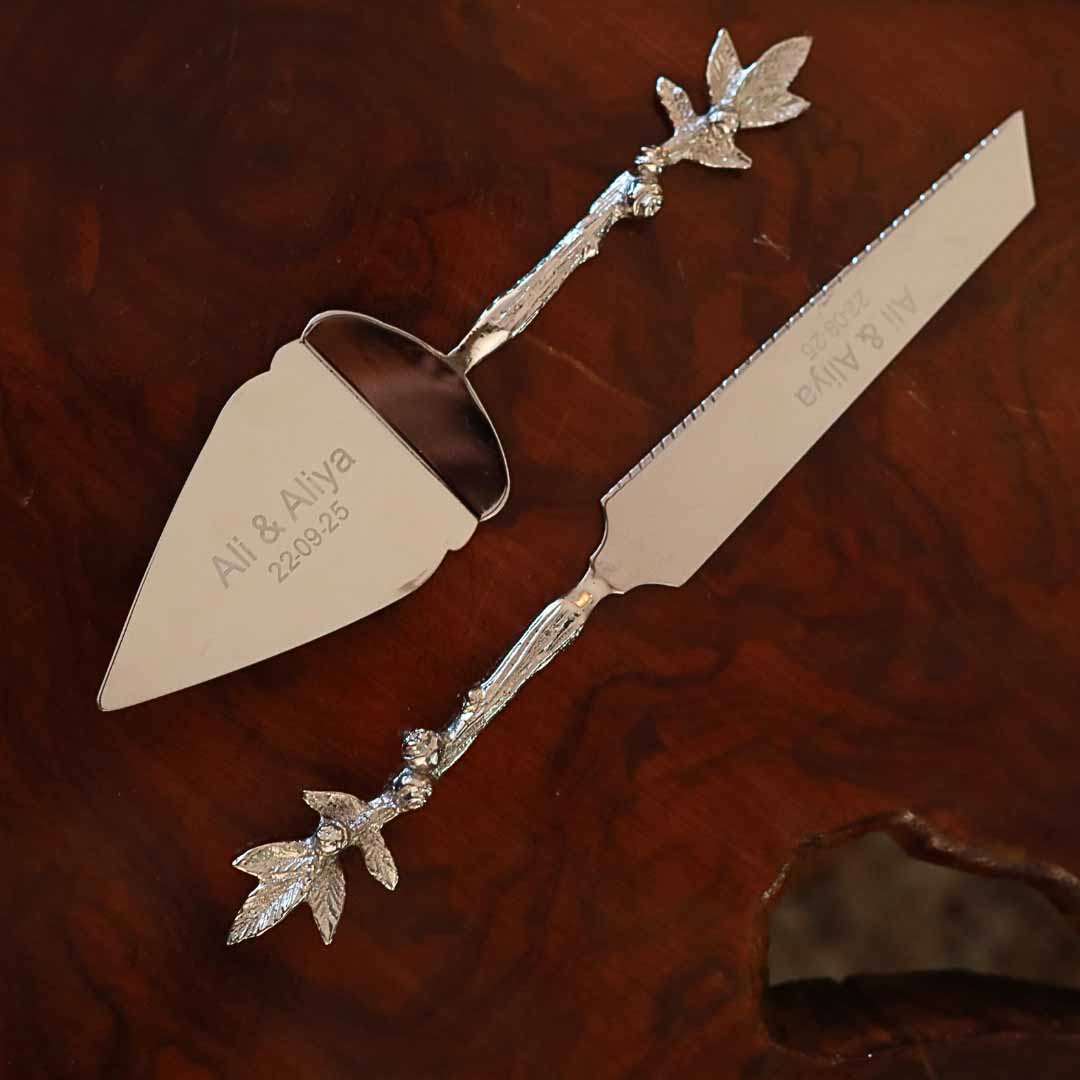
- A polished pie or cake server, ideally one with enough presence to double as a design object on the dessert table
- A sleek gravy ladle sized for smaller, more delicate pours than its everyday counterpart
- A specialized meat fork with a two-pronged design suited to carving roasts or lifting kebabs onto plates
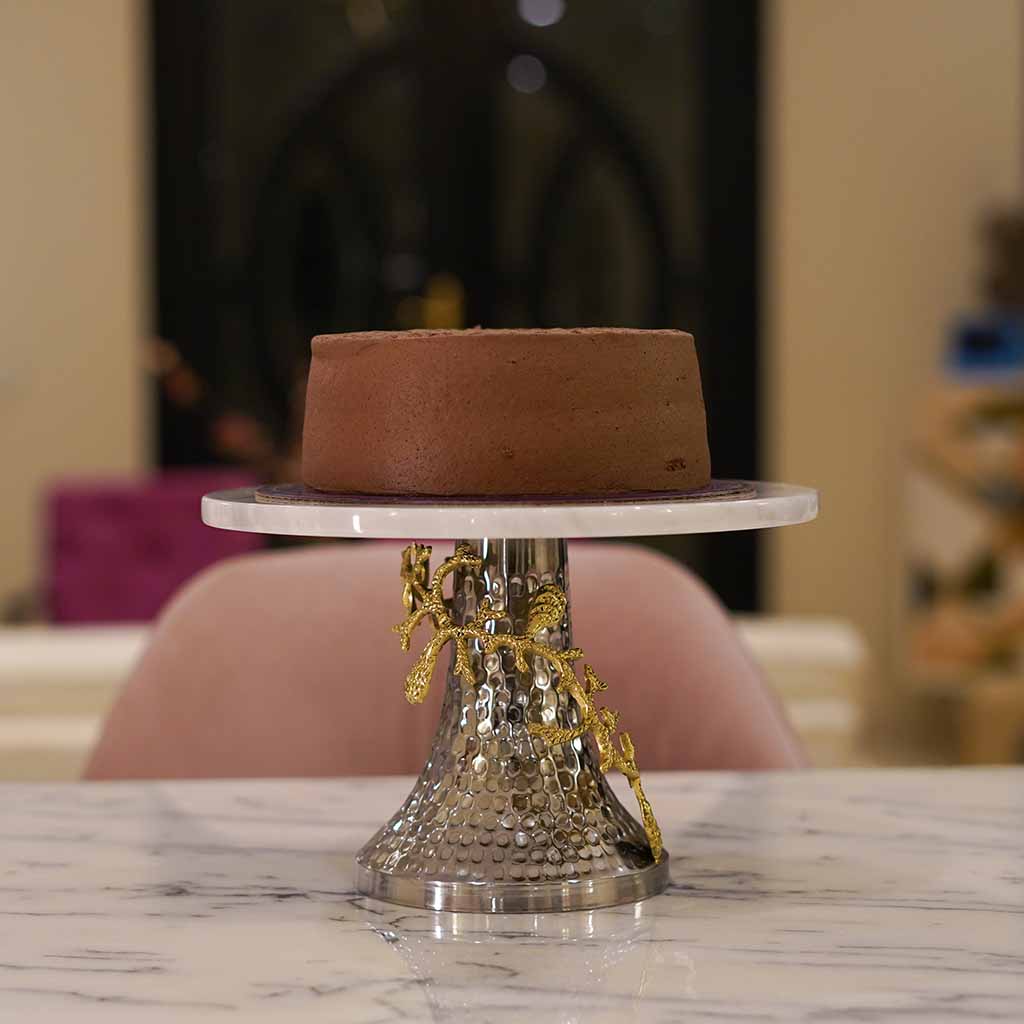
Dessert deserves particular attention. Pairing a well-made server with a statement cake stand pakistan hosts have come to love does more than serve cake, it becomes the anchor of the entire spread, the piece guests photograph before they’ve even taken a bite.
Material Dynamics: Matching Finishes to Your Tabletop Palette
The finish of your serveware is doing more visual work than most hosts realize. It either pulls a table together or quietly fights with everything around it.
Warm Metallics and Brass
Brass, gold-toned, and antique bronze finishes sit beautifully alongside deep jewel-toned linens, traditional hand-painted ceramics, and the rich grain of a wooden serving tray. This pairing leans into warmth and heritage, echoing tablescapes found in old Lahori havelis or a Karachi home furnished with generational pieces. If your dinnerware Pakistan collection already leans toward earthy glazes or intricate blue pottery, warm metallics will complement rather than compete.
Brushed Steel and Chrome
For contemporary, pared-back interiors, brushed steel and chrome finishes bring clarity and precision. They suit minimalist dinnerware, monochrome linens, and glass or marble tabletops without adding visual noise. This is the direction for hosts building a sleek, modern aesthetic where every piece on the table has clean lines and quiet confidence.
The rule of thumb: pick one dominant finish family per table setting. Mixing warm and cool metals in small doses can work, but only when it’s a deliberate accent, not an accident of buying whatever was available.
Table Presentation & Storage: Keeping Utensils Accessible
A beautiful set of serving tools loses its impact if it’s fished out of a drawer mid-meal. Presentation and accessibility should be planned before guests arrive, not improvised in front of them.
Set up a dedicated staging area on a sideboard or buffet table. Arrange serving pieces by course, starters on the left, mains in the center, dessert tools closest to the cake stand, so nothing gets misplaced during the chaos of a multi-course dawat. A well-chosen serving tray at this station keeps smaller items like salt cellars and condiment spoons from scattering across the surface.
For everyday storage, invest in a divided organizer insert or a handcrafted caddy that keeps each tool separated and within arm’s reach at the stove. This prevents the drawer-clutter problem from creeping back in and makes it far easier to spot when a piece is missing or needs replacing.
Curation Rules for a Harmonious Dining Setup
Before adding anything new to your collection, run it through this checklist:
- Scale check: Does the piece look proportionate next to your existing serving bowls and platters, or does it dwarf or disappear among them?
- Weight balance: Is the handle heavy enough to feel substantial without tiring the hand during a long meal?
- Style pairing: Does the finish and silhouette align with your dominant material family, warm metallic or brushed steel, rather than introducing a third, unrelated tone?
- Function test: Does it solve a genuine gap in your toolkit, or is it a near-duplicate of something you already own?
A collection built on these principles rarely needs replacing. It simply gets refined, piece by piece, as your entertaining style matures.
Every piece on your table should earn its place, not just fill space in a drawer. Shop Creo Living’s collection of designer serveware online Pakistan hosts trust for gifting, tabletop styling, and everyday luxury, curated pieces that turn a well-set table into the moment guests remember most.
FAQs
1. How should I clean and store brass or gold-toned serveware to prevent tarnishing?
A: Hand wash promptly after use with a mild, non-abrasive soap, dry immediately, and store in a low-humidity cabinet. Avoid dishwashers, which accelerate tarnishing on plated finishes.
2. Can I mix stainless steel and brass serveware on the same table?
A: Yes, in small, intentional doses, one brass cake server on an otherwise steel table, for example. Keep the ratio weighted toward one finish so the mix reads as styled rather than mismatched.
3. What’s the etiquette around using separate serving utensils for each dish at a Pakistani dawat?
A: It’s considered good form to use a distinct utensil per dish, particularly for anything with strong spices or oil, to avoid flavor transfer and keep the table looking intentional rather than hastily assembled.
4. How many serving pieces does a household actually need to host comfortably?
A: Most households function well with ten to twelve core pieces: a rice server, salad tongs, two ladles, a cake or pie server, a meat fork, and a small rotation of serving bowls and trays sized for both weeknight and formal use.