


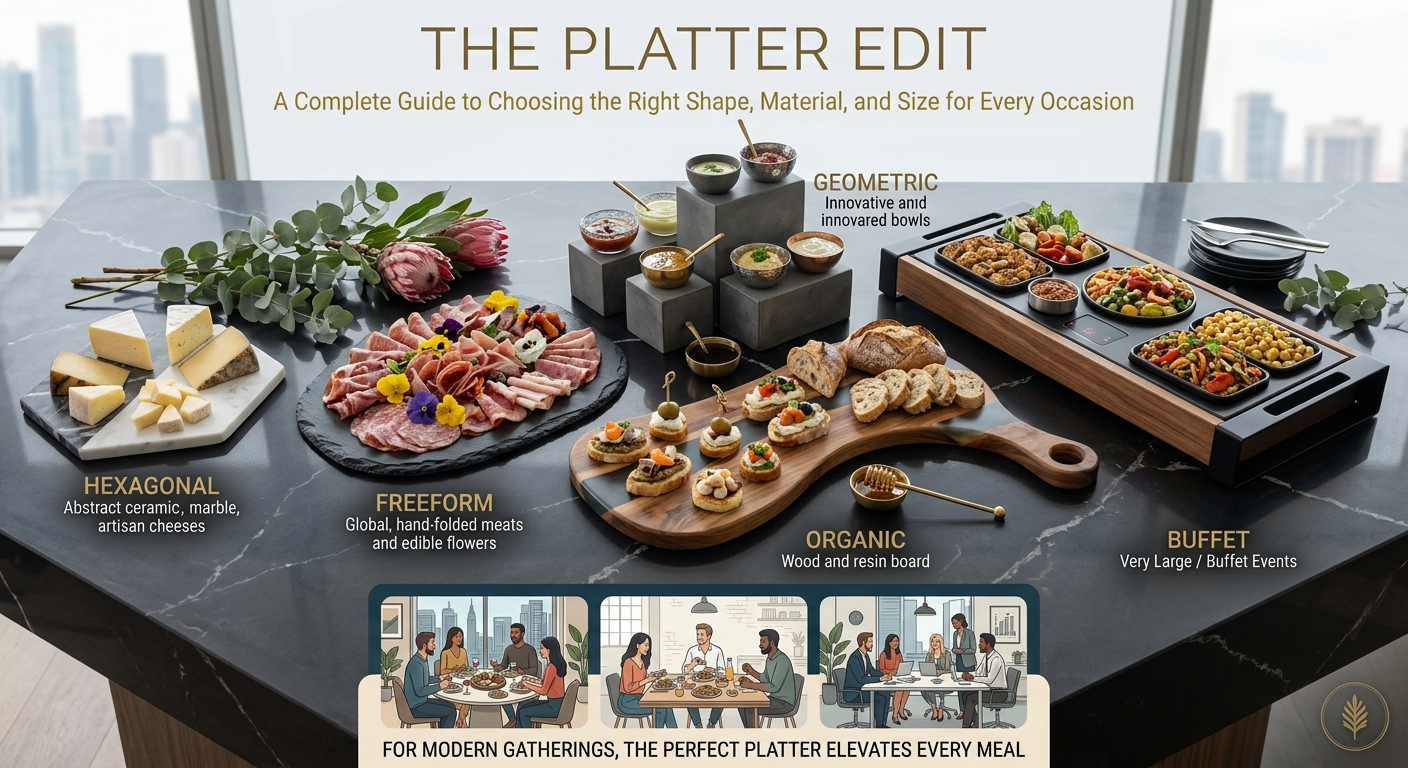
Set the same dish of grilled chicken and roasted vegetables on a thin white dinner plate, and then on a wide marble platter with a slight lip and visible veining. The food hasn’t changed. But one version looks like something you ate quickly on a weeknight, and the other looks like something you sat down for. This is the quiet power a platter holds, it doesn’t just carry food to the table, it decides how that food is read the moment it arrives.
Most people build their kitchens the way they build their wardrobes before they learn better: too many pieces that do the same job, and never quite the right one when it matters. A wardrobe edit teaches you that a handful of well-chosen pieces will outperform a closet full of near-duplicates. Platters work the same way. You don’t need twelve. You need the right two or three, chosen with intention.
That’s the idea behind The Platter Edit, a way of thinking about serving platters not as an afterthought to the meal, but as a deliberate part of how a table comes together.
Why Platter Selection Matters as Much as the Food
A platter behaves like a frame around a painting. The wrong frame can make even good art look unfinished; the right one makes it feel complete. The same logic governs a dining table. A platter determines how much visual weight the food carries, how the colours of the dish sit against the surface beneath them, and how much “breathing room” the arrangement gets.
Think about the difference between:
- A formal dinner, where a refined platter signals occasion and care
- A family lunch, where a sturdy, familiar platter feels unfussy and warm
- A casual weekend gathering, where a relaxed textured surface sets the tone before anyone tastes a thing
- Festive entertaining, where a striking centrepiece platter carries the mood of the evening
- Dessert service, where a smaller, delicate platter makes sweets feel considered rather than heaped on
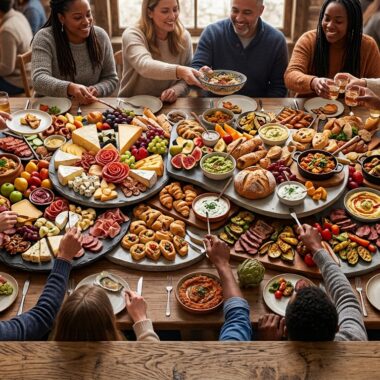
- Sharing appetisers, where a wide, shallow surface invites hands in without crowding
- Hot dishes, where the material has to hold heat gracefully without looking utilitarian
None of this requires an elaborate table. It requires choosing surfaces that understand the job they’re doing.
Round vs Oval vs Rectangular: Understanding Platter Shape
Round Platters
Round platters create a natural sense of gathering. There’s no head or foot to the shape, so the eye moves around the food rather than along it, which is part of why round surfaces feel so suited to sharing. They work beautifully for starters, canapés, fruit, and desserts, and they hold their own as a centre-of-table piece for smaller shared servings without ever feeling like they’re competing with the rest of the setting.
Oval Platters
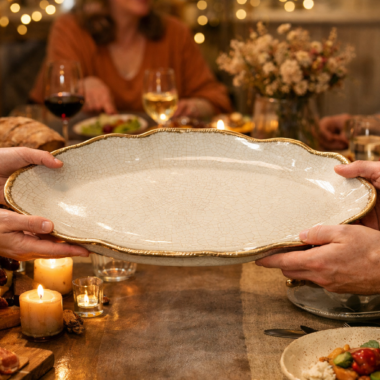
Oval platters sit between the softness of a circle and the capacity of a long, narrow surface. They give you the visual calm of a round shape while offering enough length to hold roasted dishes, grilled foods, a whole fish, kebabs, or a loaf of bread laid out to be torn rather than sliced. Because they’re elongated rather than wide, they’re often the more practical choice when the table itself doesn’t have much room to spare, a long, narrow platter fits where a large round one would struggle.
Rectangular Platters
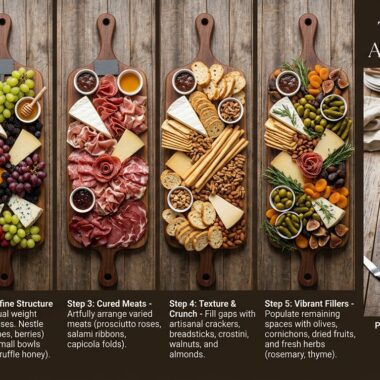
Rectangular platters bring structure. Straight edges read as more architectural and more contemporary, which is why they suit appetiser arrangements, cheese and grazing boards, sandwiches, and sushi-style presentations so well. Anything that benefits from a linear, organised layout, rows of colour, height variation from one end to the other, tends to look sharper on a rectangular surface than a rounded one.
Size Calibration: Match the Platter to the Table
A large platter can look impressive in isolation and still be the wrong choice once it’s actually on the table. Size should be calibrated against the number of guests, the amount of food being served, the dimensions of the table itself, and how many other serving dishes need room alongside it.
Small platters suit condiments, small appetisers, individual desserts, side dishes, and intimate meals for two or three.
Medium platters are the workhorses, right for family-style mains, shared starters, fruit, pastries, and smaller grazing arrangements.
Large platters earn their place at bigger gatherings: main-course centrepieces, extensive grazing boards, large fruit displays, or anything meant to anchor the table visually.
Whatever the size, leave enough surface for plates, glasses, cutlery, serving utensils, and any other dishes sharing the space. The rule worth remembering: a platter should have enough presence to frame the food, but not so much that it takes the table over.
Material Guide: Match the Surface to the Food
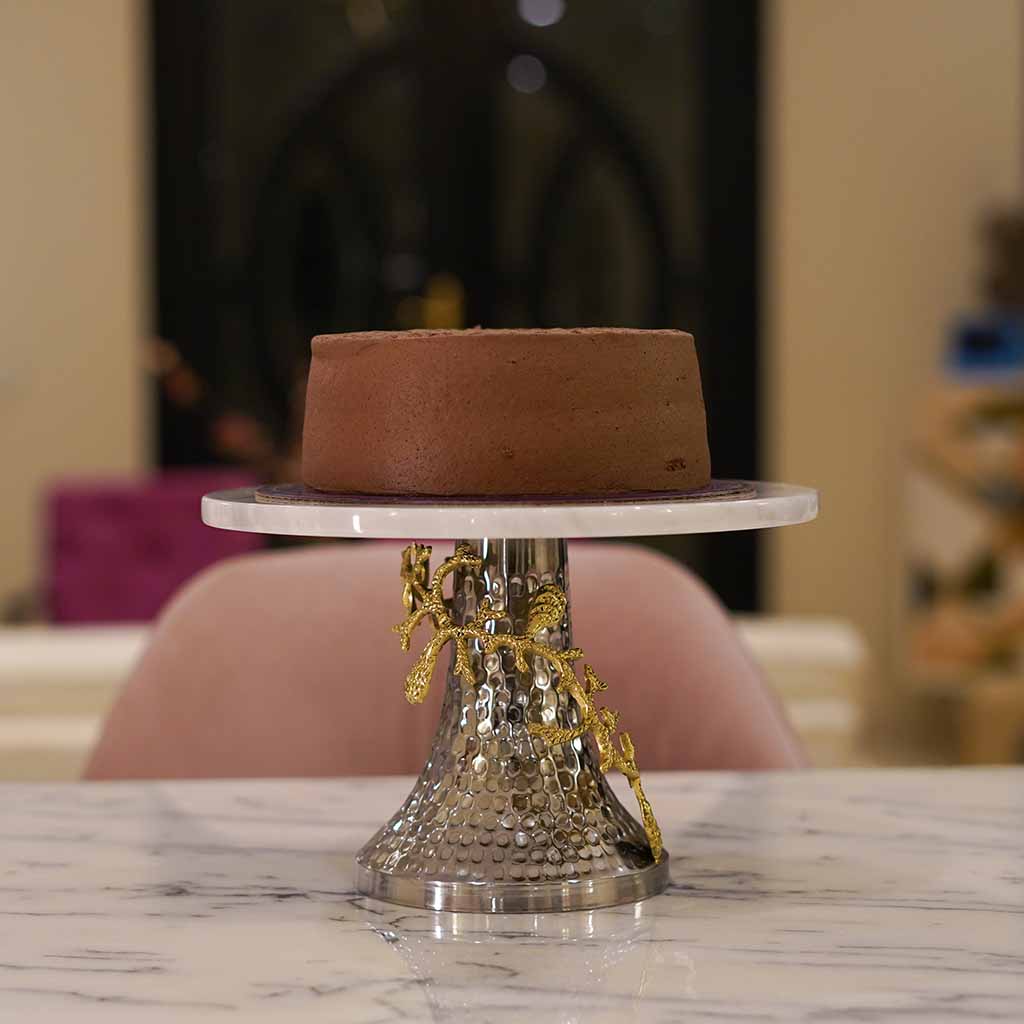
Marble suits cold foods particularly well, cheese, fruit, desserts, appetisers, and its natural veining does the decorative work on its own, without needing extra styling around it.
Onyx carries a more dramatic presence. Its natural patterning means the platter itself becomes part of the presentation, which makes it well suited to cold serving, minimal arrangements, and settings where a single striking piece is meant to carry the visual weight of the table.
Stainless steel is the practical, adaptable option. It moves easily between hot and cold service, works for both casual family dinners and formal entertaining, and holds up to the rhythm of everyday use in a way that delicate materials sometimes can’t.
Stone brings texture and an organic quality that suits rustic, earth-toned spreads. Its uneven surface creates a natural contrast against brighter ingredients or more polished dining accessories, which is part of why it works so well for casual, textural styling.
The right material depends on more than appearance, food temperature, how much upkeep a surface needs, and the overall mood of the occasion all play a part in the decision.
Building a Core Platter Collection of Two to Three Pieces
You don’t need a cupboard full of serving platters. You need a small collection where each piece answers a different need.
The Everyday Essential, a medium, versatile platter that handles casual family meals and everyday entertaining without fuss.
The Statement Piece, a larger or more visually distinctive platter reserved for dinner parties, festive occasions, and centre-of-table moments.
The Specialist Option, a third piece chosen for a specific gap: perhaps a long oval for roasted mains, a rectangular platter for structured grazing boards, or a material chosen specifically for cold service.
The goal is coverage, not duplication. If shape and material vary across the three, you end up with a collection that can meet almost any hosting situation, rather than three versions of the same platter doing the same job. For anyone looking to buy serving platters online in Pakistan, starting with this three-piece framework is a far more useful approach than shopping piece by piece without a plan, and it’s worth browsing stylish serving platters for sale in Pakistan with these three roles in mind rather than buying on impulse.
Choosing Serving Accessories Alongside the Platter
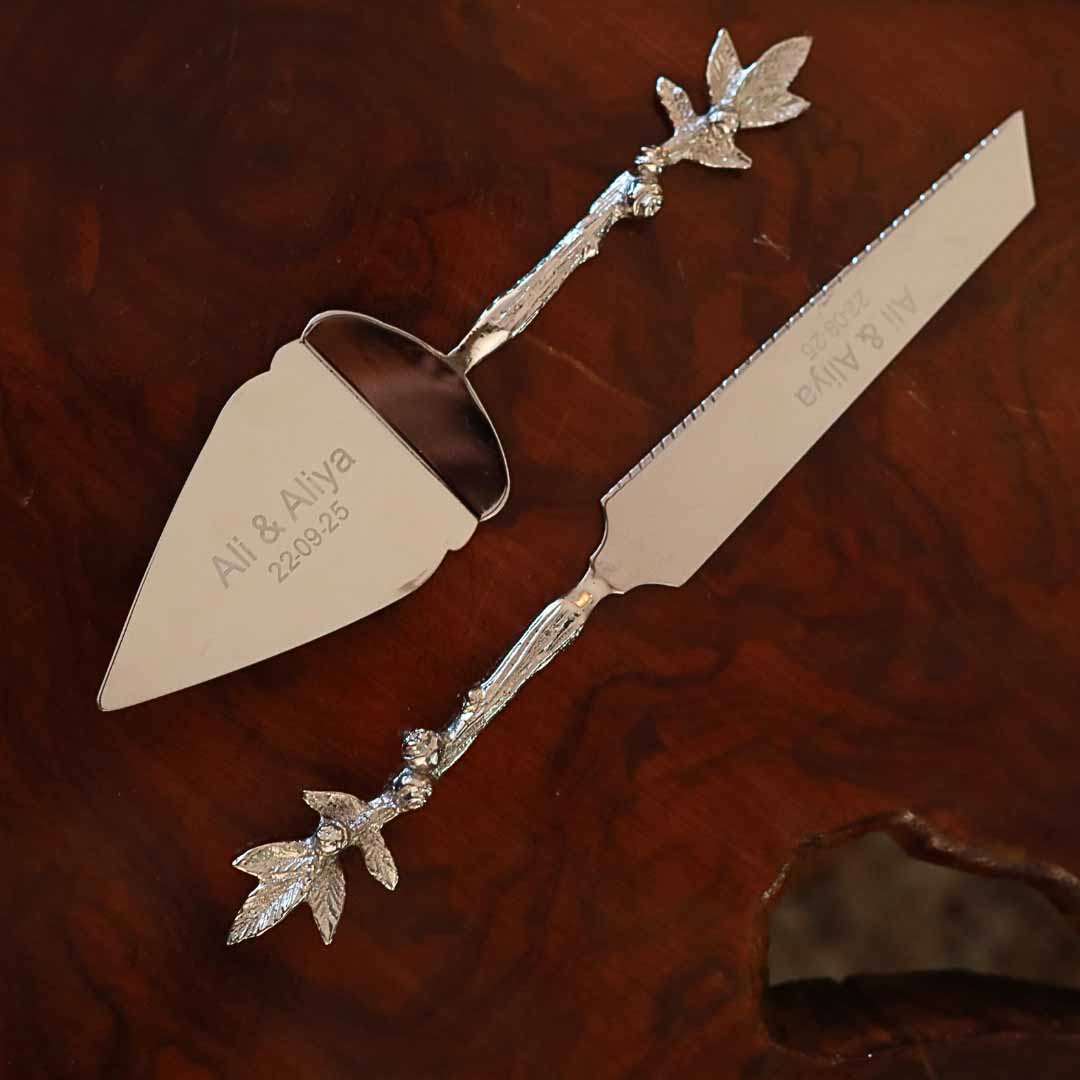
A platter rarely works in isolation, the utensils used with it shape the experience just as much. Designer serving utensils for dining should complement the platter in both finish and function: a serving spoon and tongs for shared mains, a dedicated cheese knife for a grazing board, a serving fork for roasted dishes, small spoons for condiments, and proper dessert servers for anything sweet. Thinking about the full serving setup, platter and utensils together, tends to produce a more considered table than choosing each piece separately. For anyone building out this kind of coordinated collection, it’s now straightforward to buy serving utensils online in Pakistan alongside the platters they’re meant to accompany.
This is the philosophy Creo Living Pakistan builds around, home pieces, from serveware to lighting to furniture, that are chosen for how they function as much as how they look. A well-designed platter or serving piece should earn its place at the table, not just sit on it.
Bring this thinking home with pieces that are built to be used, not just admired. Find serveware, décor, and dining accessories worth keeping at Creo Living Pakistan.
FAQs
1. What platter shape is most versatile?
Oval platters tend to offer the most flexibility, since they combine the visual softness of a round shape with enough length to handle roasted mains, grilled dishes, or bread, while still fitting comfortably on tables with limited space.
2. How do I choose the right platter size for my table?
Start with your table’s available surface area rather than the platter alone. Account for other serving dishes, plates, and glasses, and choose a size that leaves the table feeling composed rather than crowded.
3. Which platter material is best for cold foods?
Marble and onyx both work particularly well for cold service, as they hold a cool, refined presentation for cheese, fruit, and desserts without needing much additional styling.
4. How many serving platters does a home really need?
Most homes are well served by two to three platters that each perform a different role, an everyday piece, a statement piece for larger occasions, and a specialist option for a specific need, rather than a large collection of similar pieces.