

Reimagining the Workhorse of the Table
Walk into most Pakistani kitchens, and you will find the same quiet imbalance: a carefully chosen centrepiece vase commands the dining table, while the salad bowl, arguably the piece that sees the most action, week after week, sits nearby as an afterthought. It’s filled, served from, cleared, and rinsed without a second thought about what it looks like doing its job.
This is a curious oversight. Of everything on a dawat table, the salad bowl is often the single most-touched object in the room, refilled mid-conversation and passed hand to hand in a way a floral arrangement rarely is. Treating it as purely functional means missing an opportunity: a piece used this often deserves the same intentionality given to anything meant to be seen.
The shift begins with a simple reframe. Instead of asking “what will hold the salad,” ask “what deserves to hold the salad.” That question alone changes which serving bowls make it onto your table.
The Composed Salad as Living Art
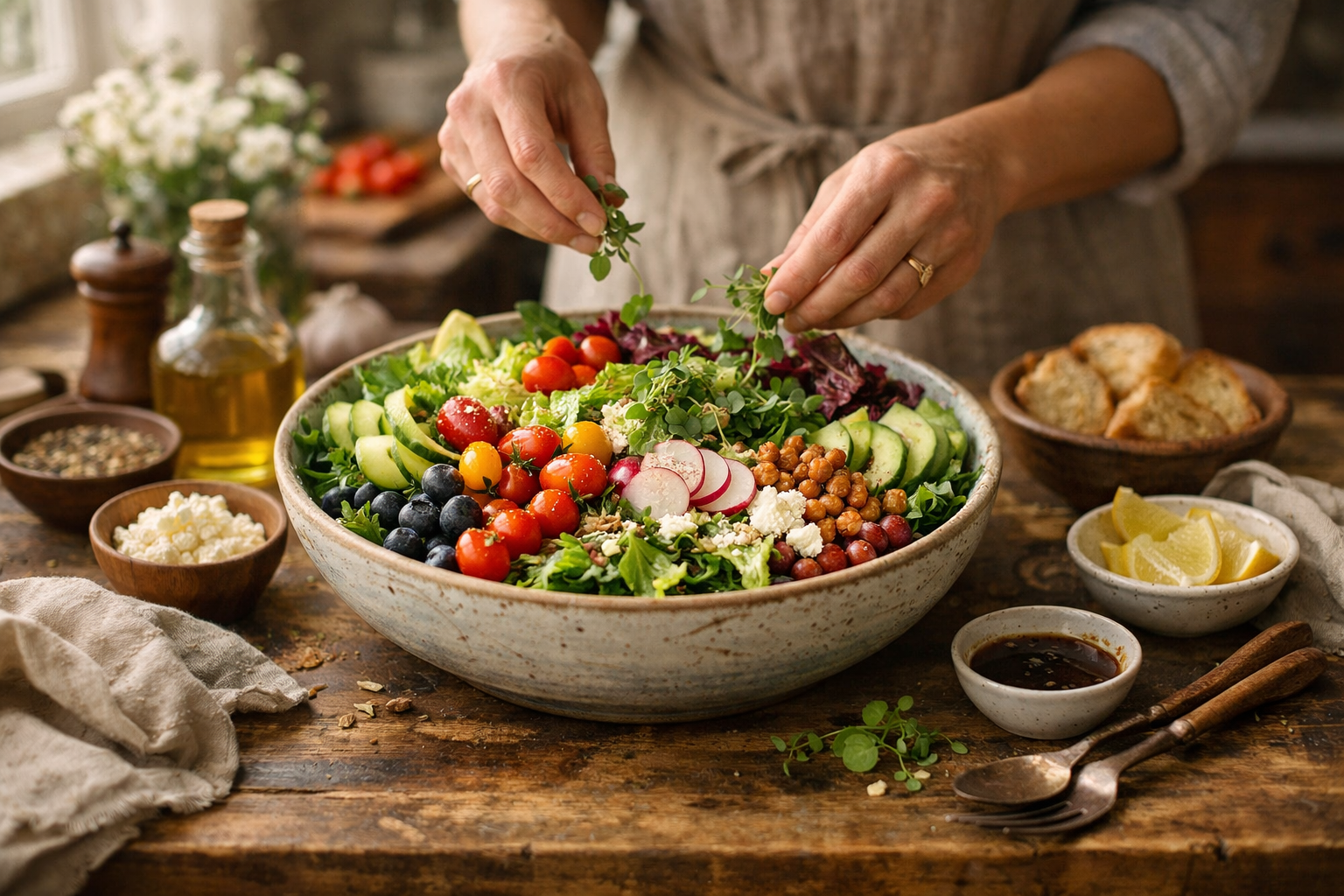
A wide, shallow bowl does something a deep, narrow one simply cannot: it puts the entire composition on display. Roasted root vegetables in amber and burgundy, ribbons of citrus, torn herbs, a scatter of edible flowers, all of it stays visible from across the room rather than settling into an indistinct mass at the bottom of a deep vessel.
Think of the salad itself as a still life, and the bowl as its frame. Shallow silhouettes with generous rims let you build height and texture in layers, greens as the base, roasted elements arranged with visible structure, a final scatter of something bright on top. Guests should be able to read the dish before they’ve taken a single bite.
The vessel’s proportions matter as much as its finish. A bowl that’s too deep swallows presentation; one that’s too shallow can’t hold a generous serving for a table of eight or ten. The sweet spot for most Pakistani dawat-sized gatherings sits wide and gently curved, with enough visual real estate for the ingredients to do the talking.
Beyond Mealtime: The Vessel as Standalone Décor
The best test of a serving piece isn’t how it looks full; it’s how it looks empty. A bowl with real material presence doesn’t disappear once the meal ends; it earns its place on a kitchen island, a sideboard, or a coffee table long after the last plate is cleared.
This is precisely why premium ceramic salad serving bowls have become such a mainstay in considered Pakistani interiors. Deep marble veining catches light differently depending on the hour, reactive stoneware glazes shift in tone from one firing to the next, and hand-carved wood grain adds a warmth ceramic and stone can’t replicate. Each finish carries enough character to function as a standalone object, filled with citrus, dried botanicals, or simply left on display.
A quick checklist for choosing a bowl that works double duty:
- A finish with visible texture or variation, not a flat, uniform glaze
- Proportions substantial enough to read as sculptural when empty
- A material that photographs and ages well under natural light
- Weight and craftsmanship that feel intentional in hand, not mass-produced
Material Harmony: Pairing Utensils and Accent Pieces
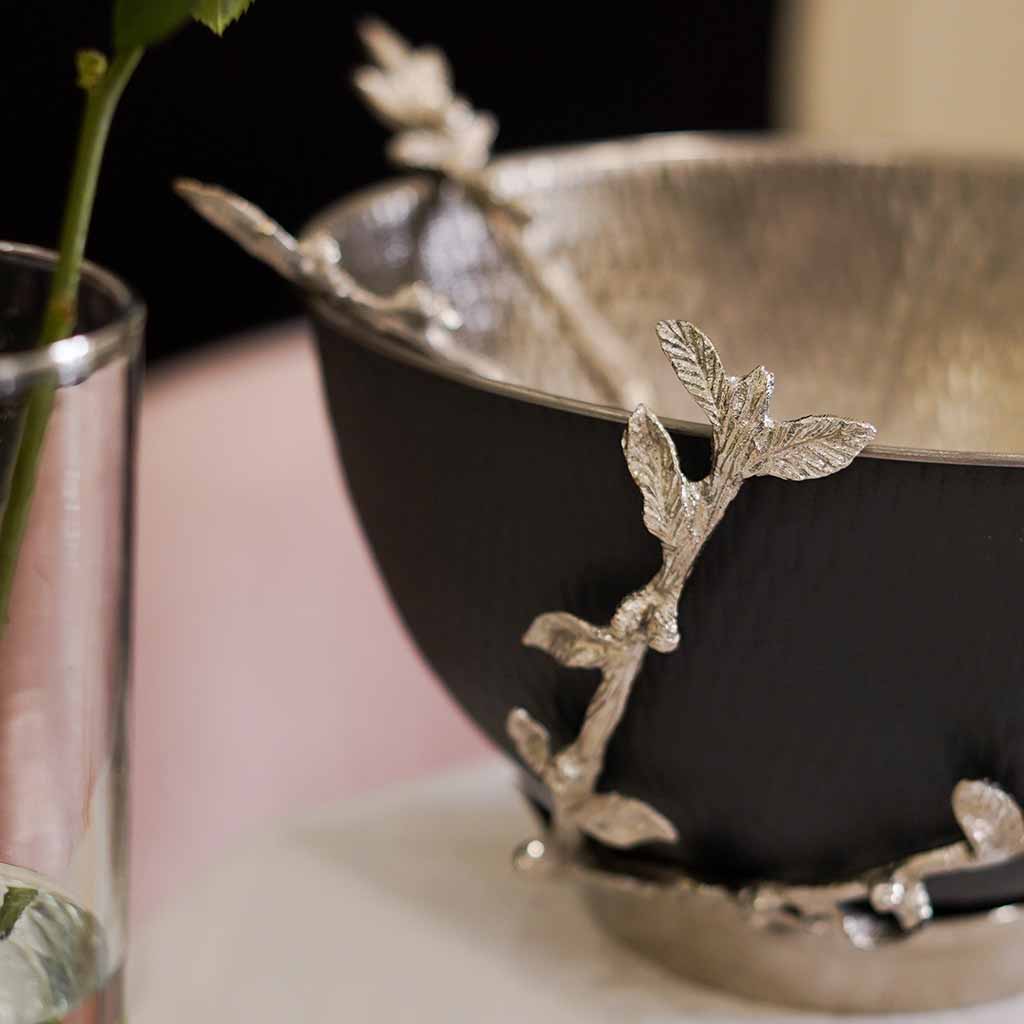
A striking bowl loses impact if the servers resting inside it fight its finish rather than complement it. The pairing logic is simple once you know the two broad categories at play.
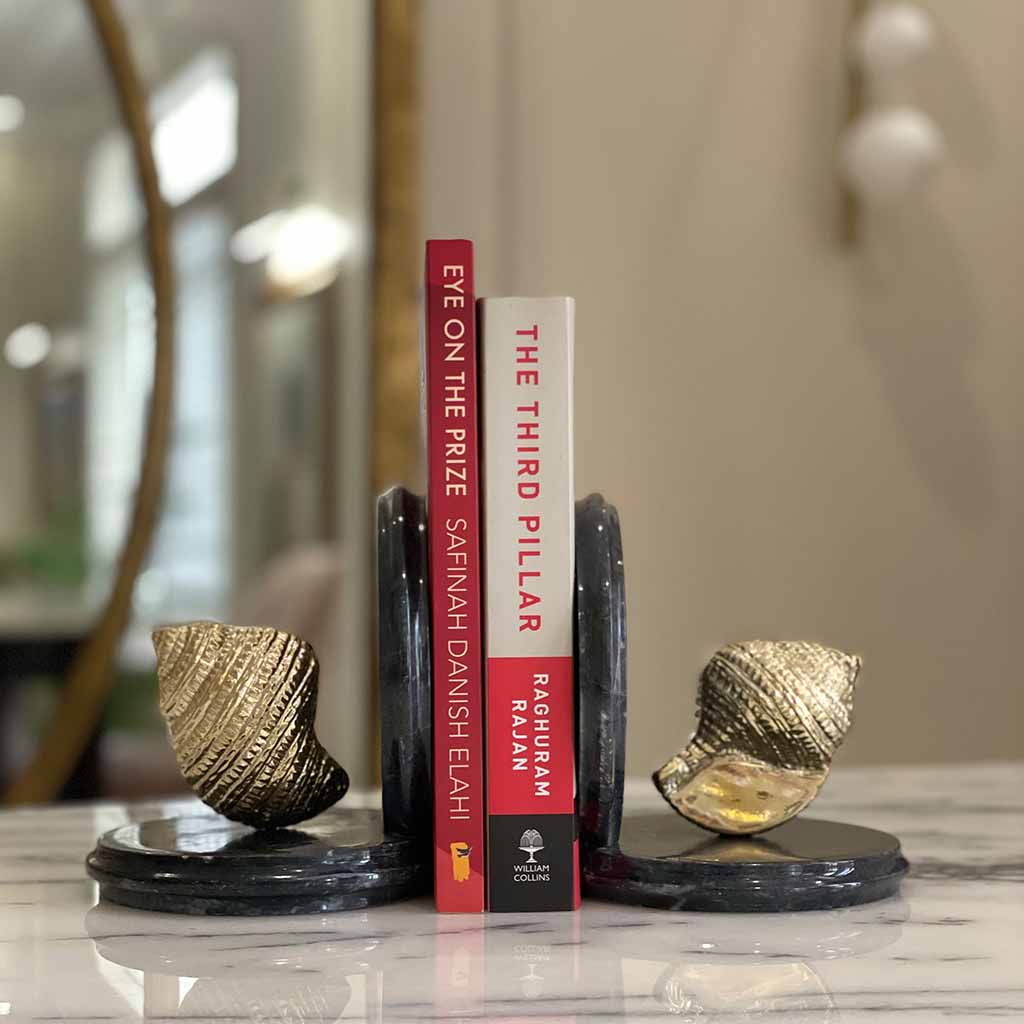
Stone or marble vessels carry a cool, polished weight, so they benefit from contrast rather than matching. Warm metallic servers, brushed brass or aged gold-tone, introduce tactile warmth against the coolness of stone, while carved timber handles do the same job with a more rustic edge.
Organic ceramics, with their handmade irregularities and reactive glazes, tend to look best paired down rather than up. Sleek matte-finish cutlery keeps attention on the bowl’s texture instead of competing with it, and polished stone accessories add just enough refinement without flattening its handcrafted character.
The rule of thumb: let one element carry the visual weight. If the bowl is the statement, the servers should support quietly.
Spatial Composition: Positioning for Visual Impact
Where the bowl sits changes how the whole spread reads. Two approaches tend to work well for Pakistani hosting styles.
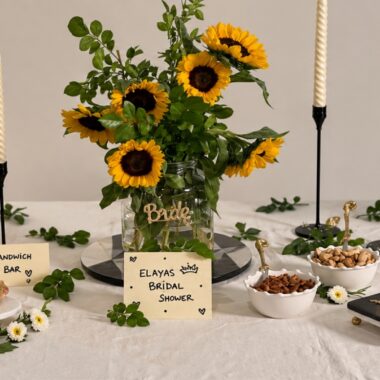
Centred anchoring places the bowl at the literal middle of the table, treating it the way you’d treat a floral centrepiece, flanked symmetrically by smaller dishes, with candle holders positioned at even intervals on either side.
Off-centre vignette styling breaks the symmetry deliberately. The bowl sits slightly off the table’s midline, paired with a linen runner and a cluster of low candle holders to one side. This approach tends to suit smaller, more intimate family dinners where a rigid, formal layout can feel unnecessarily stiff.
Whichever approach you choose, the bowl should feel integrated with the rest of your dinnerware Pakistan hosts typically build their tables around, coordinating in tone or material family rather than matching exactly, so the tablescape reads considered without looking overly matched.
Tablescape staging tips worth keeping close:
- Position the bowl where it’s reachable from most seats without excessive stretching
- Keep surrounding décor lower in height than the bowl’s rim to preserve sightlines
- Let one other element, florals, candles, or a runner, echo the bowl’s colour palette
- Leave breathing room around the bowl rather than crowding it with too many small dishes
Bring the same intentionality to every piece on your table with Creo Living’s curated serveware, home décor, and gifting collection. Shop considered design for the moments that matter most.
FAQs
1. How do I choose the right size salad bowl for my table?
Match the diameter to your typical guest count, a wide, shallow profile generally works better than a deep one for both presentation and portioning across a family-style spread.
2. How should I care for a glazed ceramic serving bowl?
Hand-wash reactive glazes where possible, avoid abrasive scrubbers that dull the finish, and check manufacturer guidance before microwave or dishwasher use, since glaze composition varies by piece.
3. What’s the easiest way to make a salad bowl look intentional on the table?
Pair it with utensils in a complementary rather than matching finish, and leave enough open space around it so the bowl stays the visual focus.
4. Where can I buy serving bowls online in Pakistan?
Creo Living’s online collection offers a curated range of ceramic, stone, and hand-finished serving bowls suited to both everyday use and formal dawat styling.