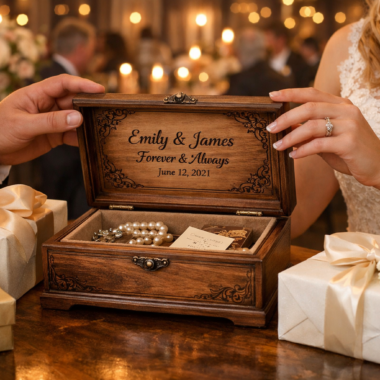

A particular silence follows the unwrapping of a beautiful gift. The paper falls away, the object catches the light, and everyone in the room agrees it is lovely. Weeks later, that same object turns up wrapped in a towel at the back of a cupboard. The giver meant well, and yet it never found a place to live.
This is the strange fate of most decorative gifts, and it has little to do with taste. It has to do with fit.
The Cupboard Test: Why Beautiful Gifts Get Forgotten
Ask anyone with a well-appointed home why a gift ended up out of sight, and the answer rarely involves ugliness. More often, the piece was too specific, a color that fought the walls, a size too large for its shelf, a finish stuck in a different decade of taste, chosen for what the giver liked rather than for the home it was entering.
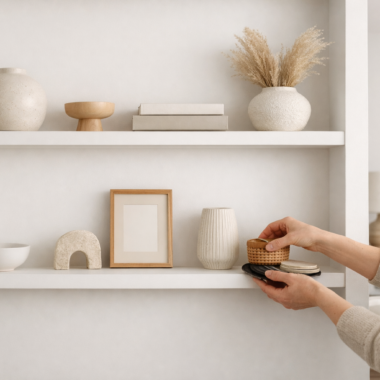
A décor piece has to negotiate a room in a way a sweater never does. It sits among furniture and habits established long before it arrived, and if it cannot hold its own, it gets quietly retired. The objects that survive feel as though the home was arranged with them in mind, not admiration on opening day, but belonging on the console six months later.
The Universal Object Principle: Choose Design That Travels Well
Some pieces look at home in a minimalist apartment and equally at home in a room layered with pattern and heirlooms. This is not luck, certain materials, proportions, and forms carry a design fluency that crosses between aesthetics without friction.
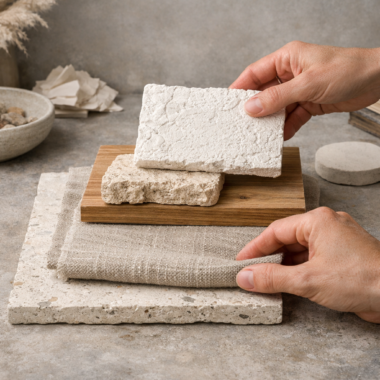
Marble, brass, polished stone-inspired finishes, and glass tend to behave this way. They read as considered rather than themed, so they rarely clash with what is already in the room. A brass candle holder doesn’t announce a particular era; it simply looks right wherever brass looks right. Natural textures, raw wood grain, honed stone, woven fiber, carry that same grounded quality.
Form matters as much as material. A restrained, sculptural silhouette usually outlasts a piece built around a passing trend. Scale settles the rest: a tray sized for a coffee table looks apologetic on a dining table, and a piece built for a console can overwhelm a bedside surface. That versatility, more than price, is what keeps a piece useful once the occasion has passed.
Read Their Home Before You Read Their Wishlist
Asking someone what they like rarely produces a useful answer, since most people describe taste in generalities. The room itself is the more honest source. A short visit, or a few casual photographs, can reveal:
- The colors that repeat across cushions, art, and upholstery
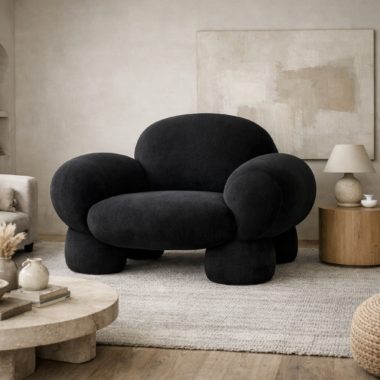
- Whether furniture leans toward soft, rounded silhouettes or sharp, architectural lines
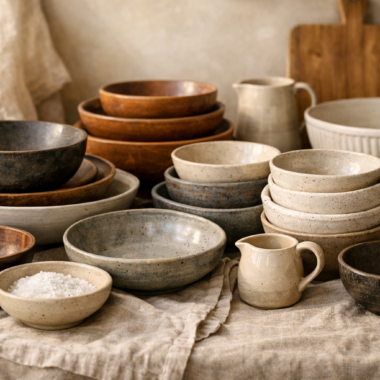
- The materials already present, brass, walnut, marble, linen, rattan
- Whether the styling is minimal or layered, with pieces grouped and stacked
- Whether the palette is bold and saturated or restrained and tonal
- Any recurring accents, such as metallics or sculptural forms
None of this requires design expertise, only attention. A home built around clean lines signals an interior design instinct that favors editing over accumulation; one full of pattern and collected objects tells you the opposite. Either way, the room has already answered the question the recipient might struggle to put into words.
Beauty That Earns Its Place: The Case for Functional Décor
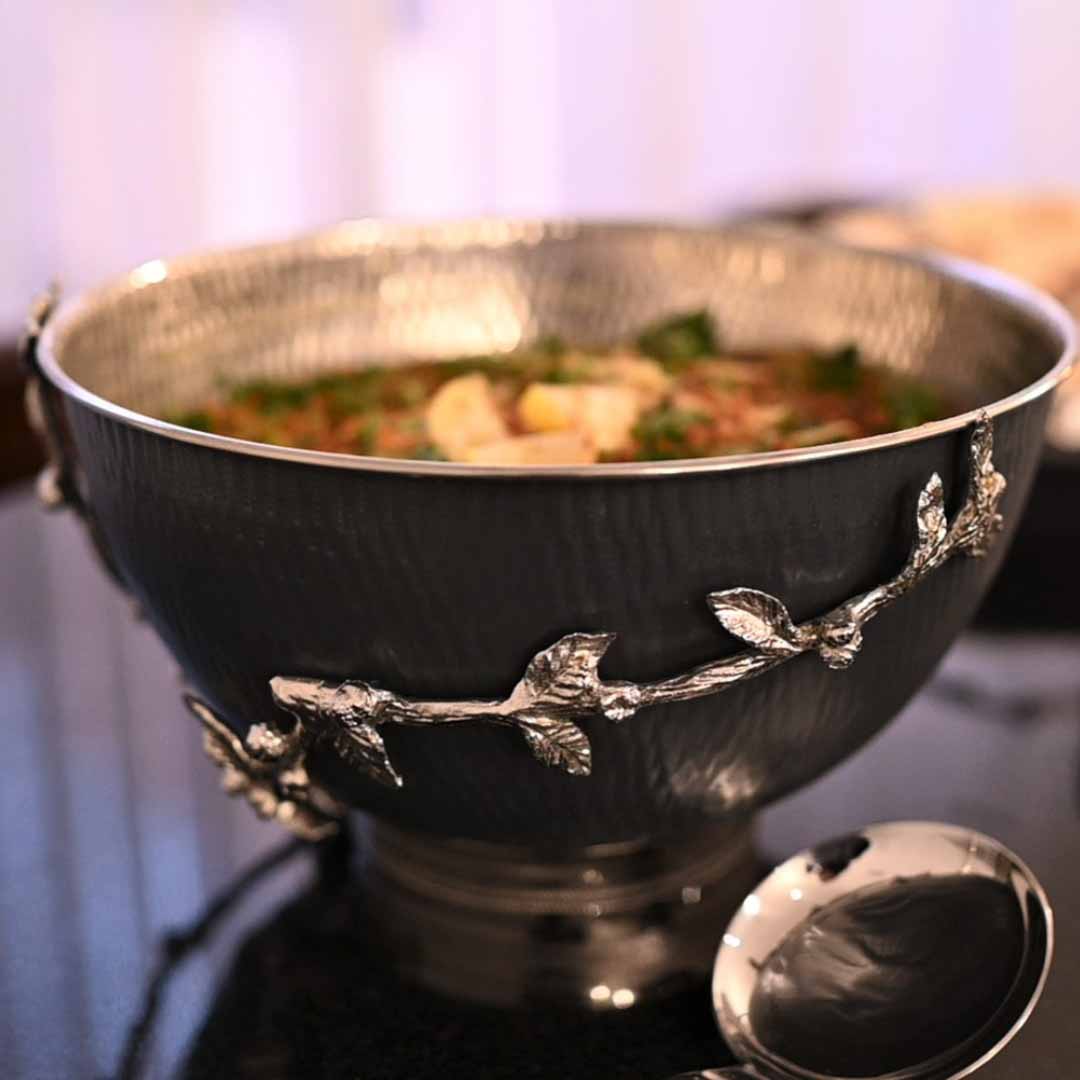
Purely ornamental objects ask a home to make room for them on sentiment alone, and sentiment fades fast. Objects that do something, hold candles, corral books, carry drinks to the table, earn their spot through use instead.
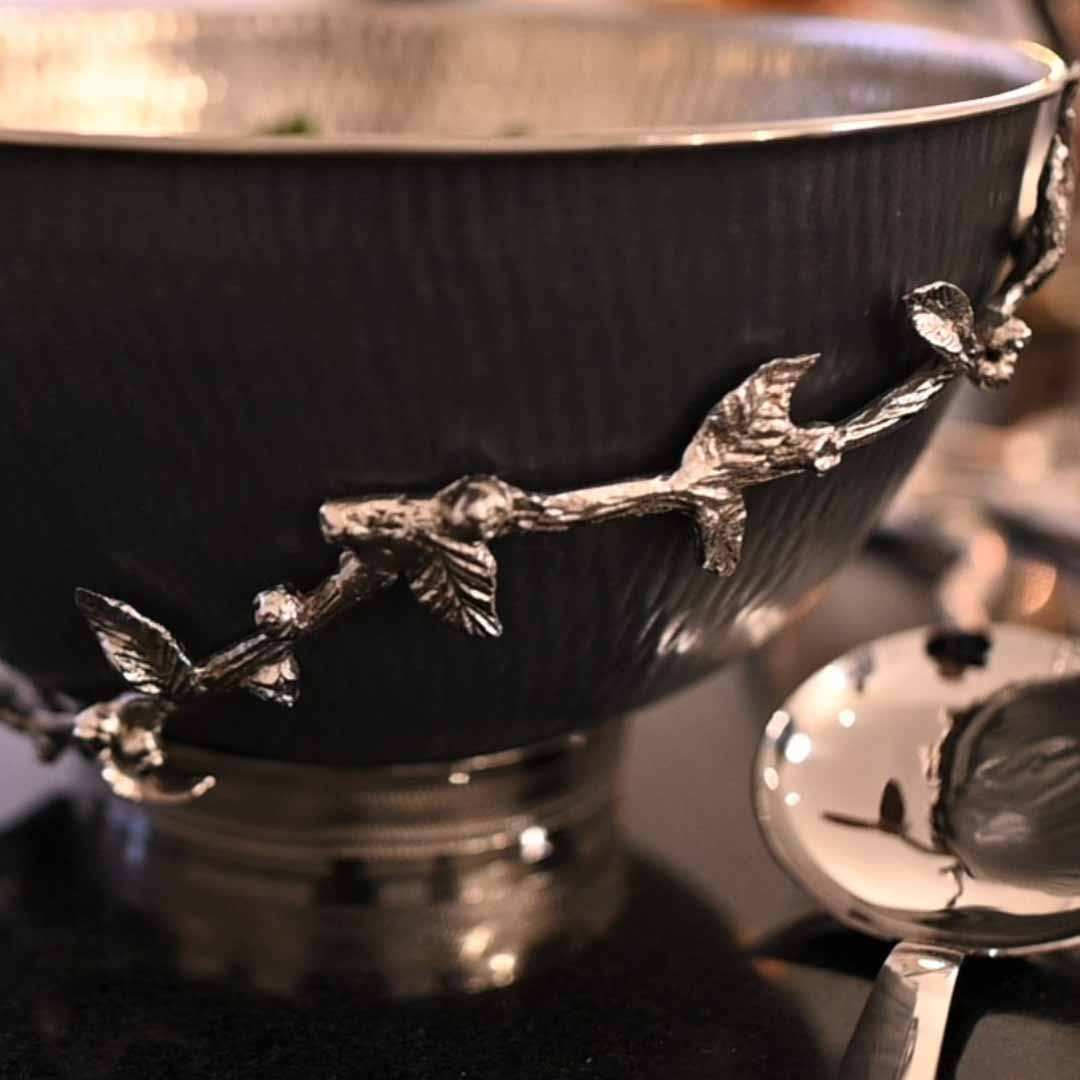
This is why bookends, trays, planters, lamps, tissue box holders, and serveware have such long lives on display. They intersect with a daily routine, so they get handled and noticed on an ordinary Tuesday, long after they were unwrapped, the deeper idea is that function gives an object a reason to stay visible. Among home decor items and decorative items for home, pieces that pair beauty with a genuine task are the least likely to migrate toward storage.
Luxury Is Also in the Presentation
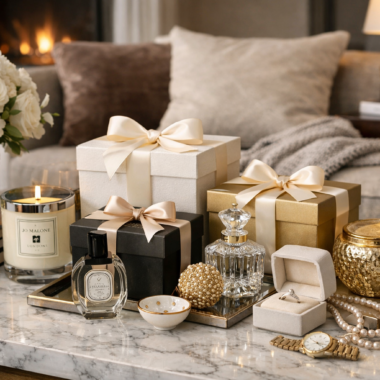
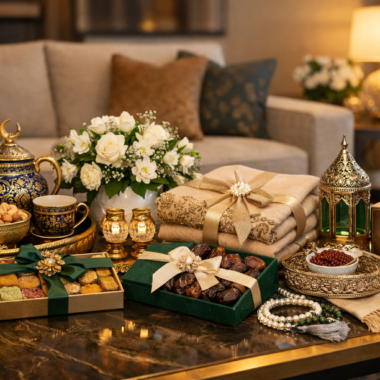
An exceptional object can still be diminished by careless wrapping, and a modest one can feel significant when it arrives beautifully presented. This is not vanity, the unwrapping is part of the gift, and the sequence of texture, weight, and reveal shapes how the object is perceived in that first moment.
Considered packaging, real structure, tissue that feels substantial, a seal that asks for a small pause before the reveal, signal that care extended beyond the purchase itself. It slows the moment down, which is precisely the point of luxury gifting. The goal isn’t spectacle; an overdressed box can compete with the object rather than support it. Creo Living approaches luxury home decor with that same instinct, treating packaging and presentation as one continuous idea rather than separate decisions bolted on at the end.
The Takeaway
A treasured decorative object rarely announces itself with drama. It tends to be the piece that, a year on, still sits exactly where it was first placed, so familiar that no one remembers a time before it arrived. That is the real measure of a successful gift: not the first five minutes, but the years spent in view.
Before buying a decorative gift, consider:
- The recipient’s existing color palette
- Their preferred materials
- The scale of their furniture
- How much decorative space they actually have
- Whether they prefer minimal or layered styling
- Whether the object serves a practical purpose
Choosing well means thinking less about what looks impressive in a shop and more about what will still feel right in someone’s home once the wrapping paper is gone, the difference between a gift admired once and a decoration items purchase that becomes part of daily life.
Some gifts get admired for a moment and set aside; the right one simply becomes part of how a home lives. Give décor that earns its place on the shelf, not a slot in the cupboard, Creo Living’s collection is built for exactly that kind of staying power.
FAQs
1. How do I choose décor for someone whose interior style I don’t know?
A: Look at what they already own before guessing what they might want. Neutral materials and moderate scale are the safest starting point when you cannot study their home directly.
2. What makes a decorative gift feel luxurious?
A: Material honesty, considered proportion, and thoughtful presentation together, not any single element alone. A modest object beautifully made and wrapped often reads as more luxurious than a large, generic one.
3. Are functional décor pieces better gifts than purely decorative objects?
A: They tend to have longer lives on display, since daily use keeps them visible. Purely ornamental pieces still work well when well matched to the recipient’s existing style.
4. What materials are safest for luxury home décor gifting?
A: Brass, marble, glass, and natural stone-inspired finishes suit a wide range of interiors, reading as considered rather than trend-bound.