




The Science of Biophilic Design
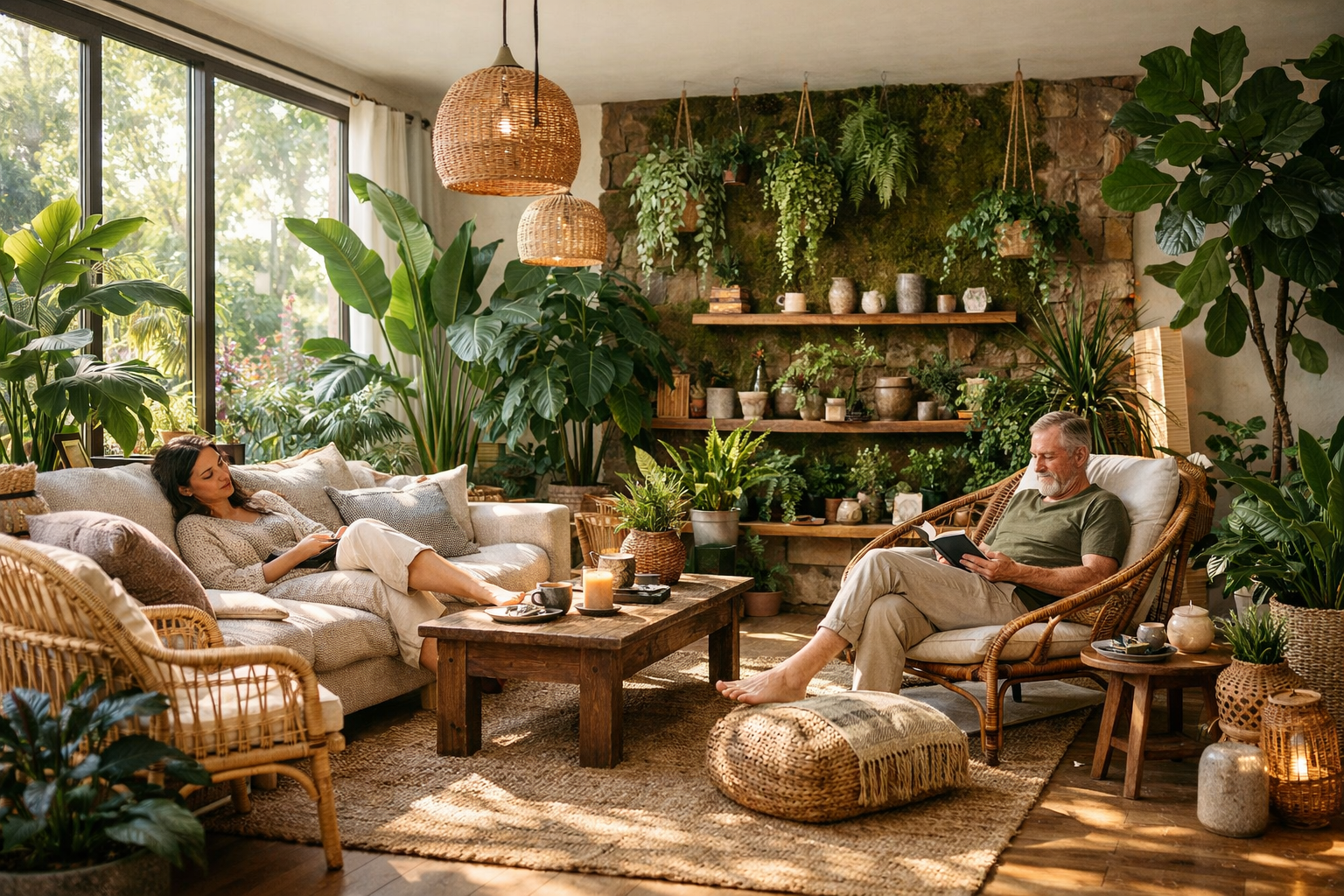
Biophilic design is the deliberate practice of weaving natural elements, light, texture, water, and living plants into built environments to honor an evolutionary truth: humans are wired to seek proximity to nature. Long before climate control and concrete facades, our ancestors read safety and abundance in green canopies and open, dappled light. That instinct never left us; it simply went dormant beneath drywall and upholstery.
Top interior architects now treat this connection as a design imperative, not a decorative afterthought. A home filled with considered greenery stops functioning as a mere container for furniture and begins to behave like a living organism, one that breathes and responds to the people who inhabit it. This is the essential promise of biophilic design: it converts square footage into sanctuary.
For homeowners across Lahore, Karachi, and Islamabad furnishing sun-drenched verandas and marble-floored drawing rooms, this philosophy carries particular weight. Pakistan’s architecture, courtyard-centric, light-filled, often oriented toward interior gardens, already leans biophilic by instinct. Foliage simply completes what the architecture began.
Mind & Atmosphere: Stress Reduction and Spatial Comfort
The psychological case for indoor greenery is no longer anecdotal; it is measurable. Environmental psychologists have repeatedly linked the presence of live plants to lower cortisol readings, improved concentration, and a reduced sense of visual clutter, even in small doses.
The documented psychological benefits include:
- Lower stress hormone levels during focused work or study
- Faster visual recovery after periods of mental fatigue
- Softened room acoustics, as foliage absorbs and diffuses hard sound reflections
- Elevated perceived air quality, which shapes how “fresh” a room feels to occupants
- A subtle sense of temporal rhythm, as plants grow and change with the seasons
Beyond the clinical data, something more intuitive is at play: greenery introduces asymmetry and movement into otherwise rigid interiors. A trailing pothos or an upright fiddle-leaf fig breaks the tyranny of straight lines, softening a room’s emotional register the way a well-placed rug softens its acoustics. The result is spatial warmth, an atmosphere that feels inhabited rather than staged.
Strategic Placement: Translating Principles into Living Spaces
Biophilic design fails when greenery is scattered without intention. Its power lies in placement that mirrors how the body actually moves through a home.
Consider foliage along these zones:
- Entry thresholds: A tall, structural plant beside the front door signals transition and sets an immediate tone of calm
- Natural sightlines: Positioning plants where the eye naturally rests when seated, rather than in forgotten corners
- Home offices and reading nooks: Greenery placed within peripheral vision during focused work measurably eases mental fatigue
- Kitchen and dining thresholds: Smaller potted herbs or trailing varieties near transitional spaces reinforce the home’s rhythm from room to room
Light dictates the map. Direct southern or western exposure suits succulents and structural varieties, while filtered northern light favors ferns and calatheas. The architect’s task is to reconcile a plant’s biological needs with the room’s spatial harmony, never sacrificing one for the other. A stunning specimen in the wrong light, or blocking a doorway’s natural flow, undermines the calm it was meant to create.
Vessel Dynamics: Why Planter Design Matters as Much as the Plant
A plant without a considered vessel reads as unfinished, as though it arrived mid-move and never found its permanent home. The planter is not packaging; it is the plinth upon which living sculpture is displayed, and it deserves the same curatorial attention as the furniture surrounding it.
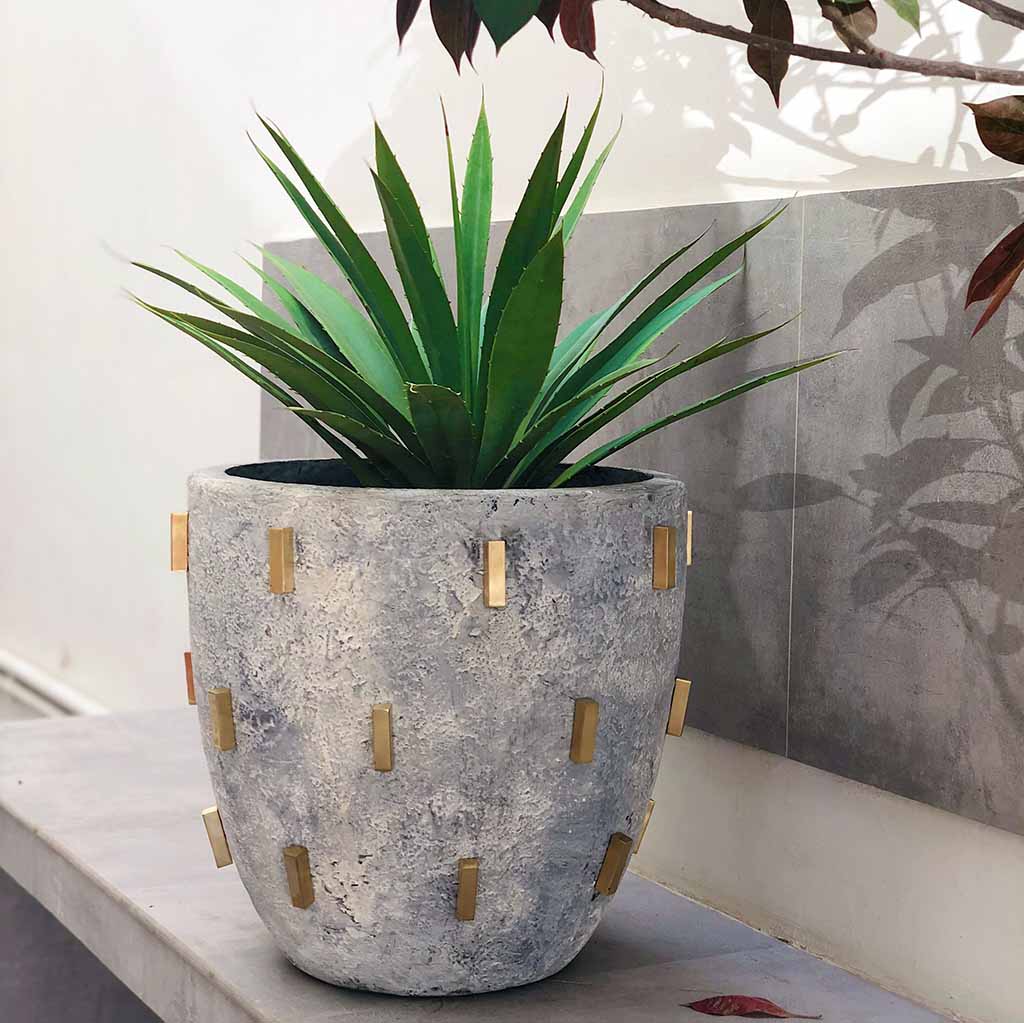
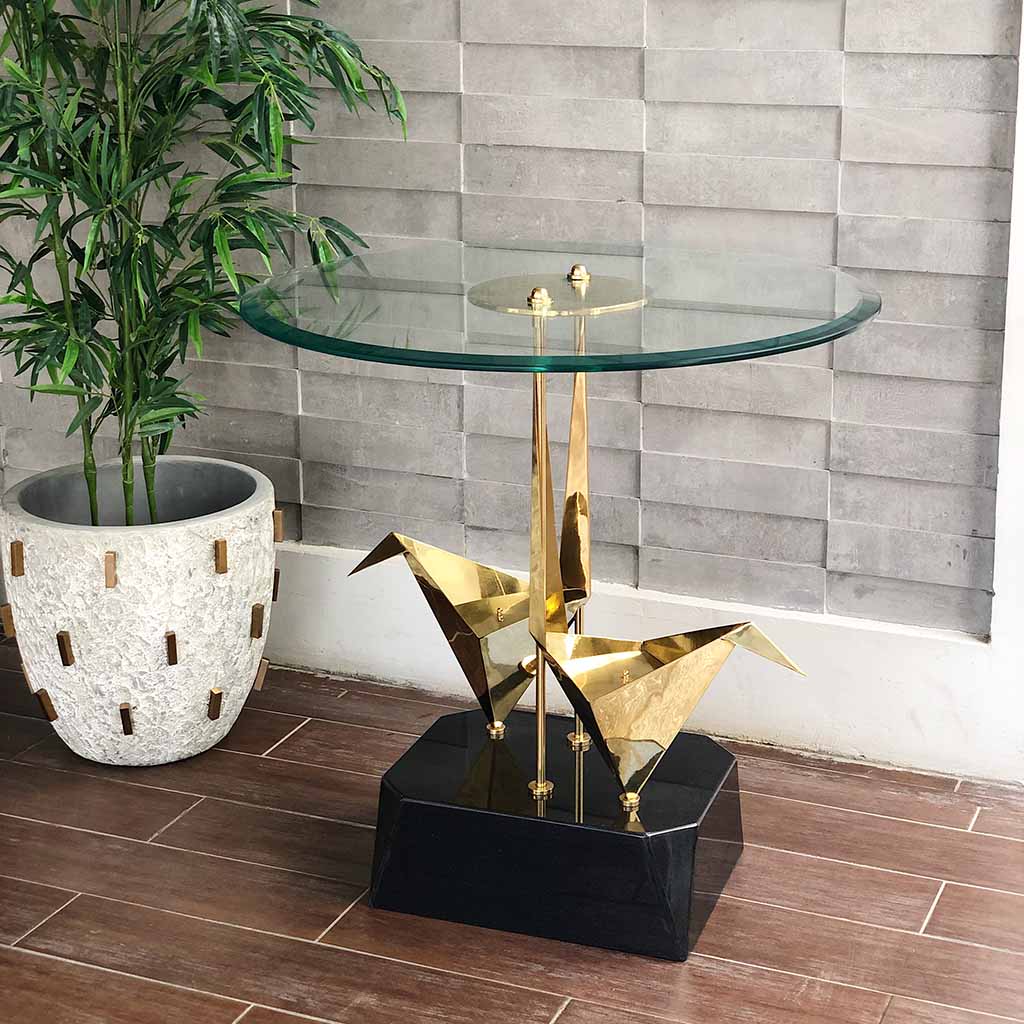
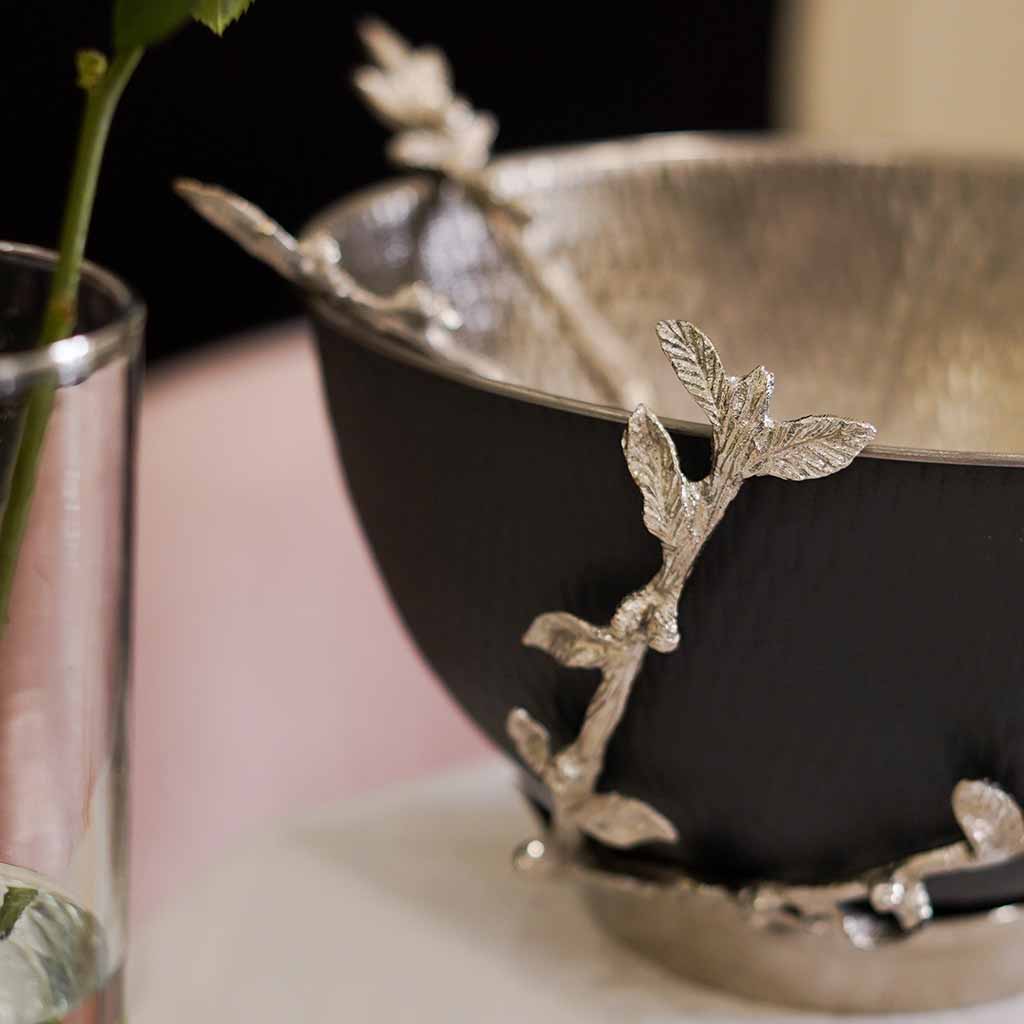
This is where many beautiful interiors fall short. Homeowners searching for planters for home often default to the nursery-grade plastic pot the plant arrived in, missing an opportunity to complete the composition. A sculptural ceramic vessel, a fluted terracotta form, or a planter finished in brushed brass instantly elevates foliage from garden-center afterthought to intentional art object.
Material pairings worth considering:
- Matte ceramic finishes against warm wood flooring, for grounded, tactile contrast
- Polished brass or gold-rimmed vessels beside marble surfaces, echoing the sheen of Pakistani drawing-room finishes
- Textured stoneware for minimalist, Scandinavian-leaning interiors
- Fluted or ribbed silhouettes that catch light and add sculptural presence even without a plant in bloom
For those browsing flower pots online Pakistan–wide, the temptation is to prioritize size or price alone. But scale, glaze, and silhouette should be considered in dialogue with the room’s existing palette. A well-chosen vessel among premium indoor planters Pakistan homeowners are increasingly seeking does double duty: it houses the plant and anchors the room’s material story, tying wood, stone, metal, and textile into one coherent statement.
The Holistic Sanctuary: Merging Function, Form, and Emotion
At its finest, biophilic styling is not a checklist, it is an integration of texture, color, light, and living presence into one continuous sensory experience. A room succeeds not because it contains plants, but because those plants are in conversation with everything around them: the grain of a console table, the temperature of the lighting, the weight of a ceramic bowl on a nearby shelf.
This is the deeper aesthetic and emotional payoff of biophilic design. It asks a home to feel less like a collection of purchases and more like a living, breathing composition, one where greenery, vessel, and architecture move as a single, considered whole.
Elevate your interiors with Creo Living’s curated collection of premium planters, gifting pieces, furniture, lamps, and serveware, crafted to turn everyday spaces into lasting design statements. Bring home the pieces that make a house feel considered, styled, and unmistakably yours.
FAQs
1. How many plants does a room need to feel biophilic?
A: There is no fixed number. A single well-placed, well-potted specimen at eye level often does more for a room’s atmosphere than five scattered afterthoughts.
2. Do biophilic principles work in low-light interiors?
A: Yes. Shade-tolerant varieties like pothos, ZZ plants, and snake plants thrive in filtered or indirect light while still delivering the psychological benefits of greenery.
3. Should planters match or contrast with existing furniture?
A: Both approaches work, provided the choice is intentional. Matching finishes create cohesion; contrasting materials create focal points. The failure mode is indecision, not the choice itself.
4. How often should planter styling be refreshed?
A: Seasonal rotation, swapping vessel finishes or foliage varieties every few months, keeps a space feeling curated rather than static, echoing biophilic design’s core idea of living rhythm.