

Unlocking the Vertical Dimension
Most homes stop decorating at eye level. Furniture is arranged, art hung at a standard sightline, while the space above the sofa or beside the window remains untouched, a quiet ceiling void that never enters the design conversation. Yet that upper third of a room holds enormous architectural potential.
Hanging planters change the equation. Suspended from a beam, hook, or ceiling track, they pull the eye upward and force a room to reveal its full height. A ceiling that once felt like a flat lid becomes a dimension worth noticing. Greenery doesn’t have to sit in a corner to soften a room, it can float through it. For anyone assembling a shortlist of planters for home styling, the vertical plane deserves equal billing with the floor.
The effect compounds in smaller apartments and low-ceilinged rooms, where floor-standing plants crowd limited square footage. Elevated foliage occupies air, not floor area, so a room can host lush greenery without sacrificing walkway or seating space.
Creating Vertical Rhythm: Drop Heights & Canopy Layering
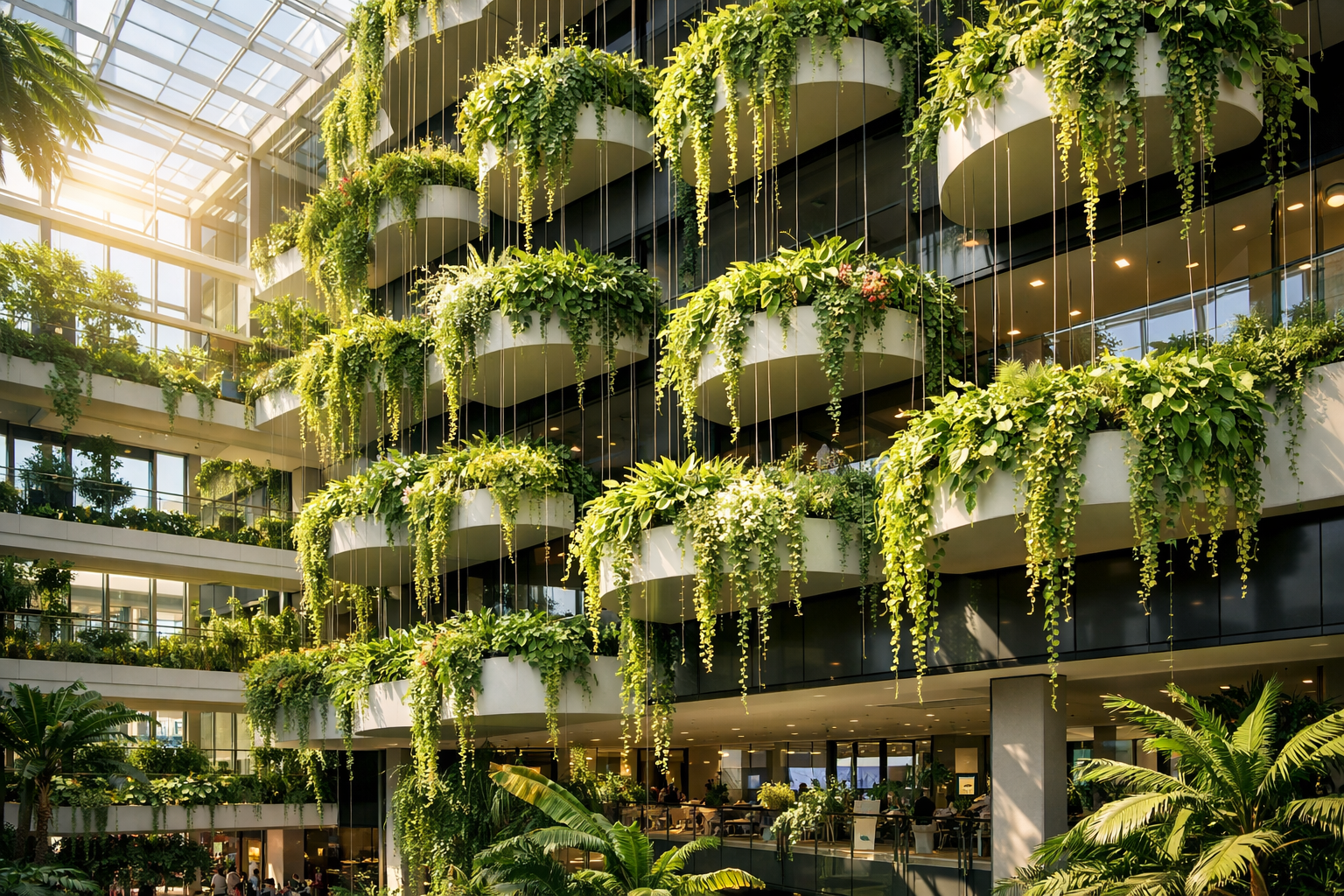
The difference between a single dangling plant and a considered vertical display comes down to rhythm. Designers stagger drop lengths- high, mid-level, low- to build what reads almost like a floating canopy, foliage occupying multiple planes rather than one static line.
A practical drop-height guide:
- High tier (12–18 inches from ceiling): trailing pothos or string of pearls, skimming just below crown molding
- Mid tier (24–36 inches): fuller specimens like philodendron or Boston fern, filling the visual midpoint
- Low tier (40–55 inches): statement trailers such as string of hearts, close enough to draw the eye without hitting head height
Grouping in odd numbers, trios or quintets, is a foundational styling principle here. Odd-numbered clusters resist the rigidity of a perfectly mirrored pair and instead create asymmetrical balance that feels curated rather than manufactured. A trio of hanging planters at staggered, offset heights will always outperform a matched pair hung level.
Material Selection: Matching Vessels to Interior Architecture
Not every hanging vessel belongs in every room. Vessel material should echo, or deliberately contrast, the architectural language already present.
Minimalist Metal & Brass
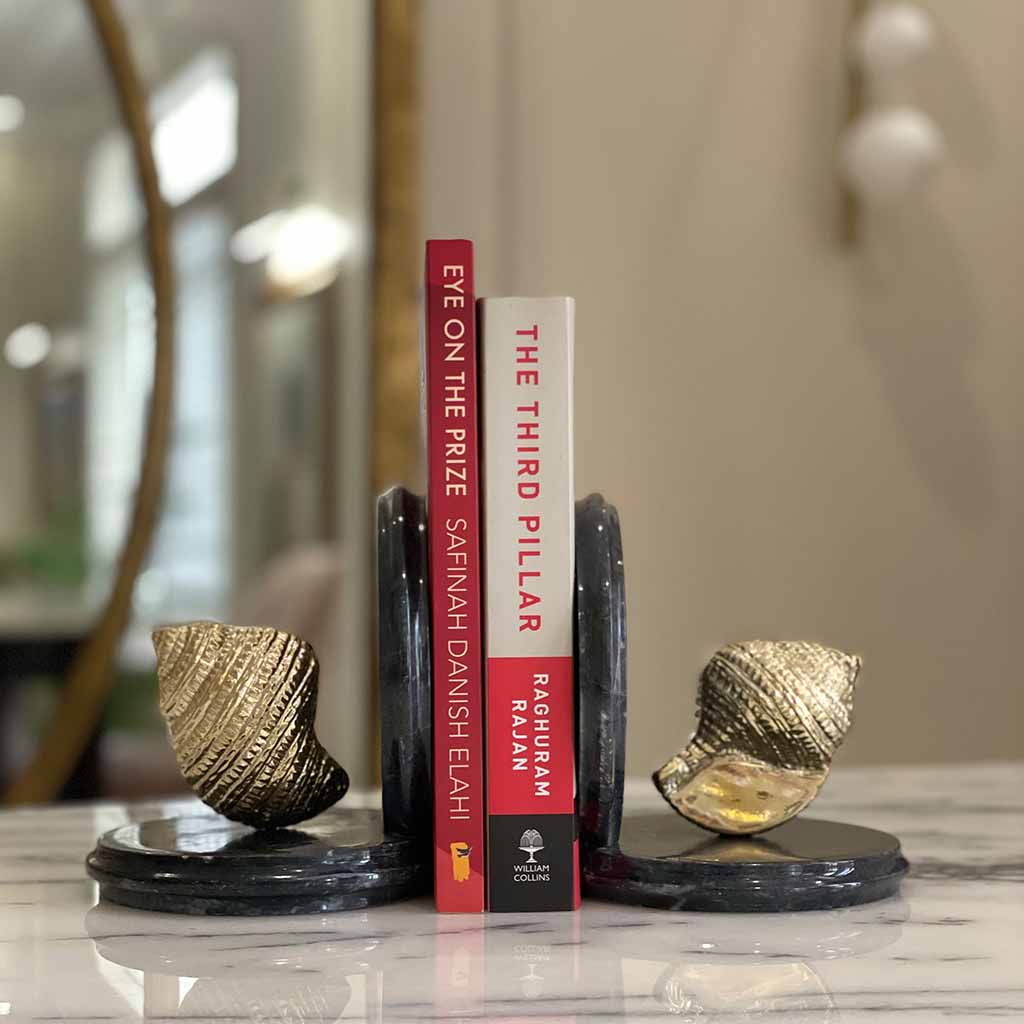
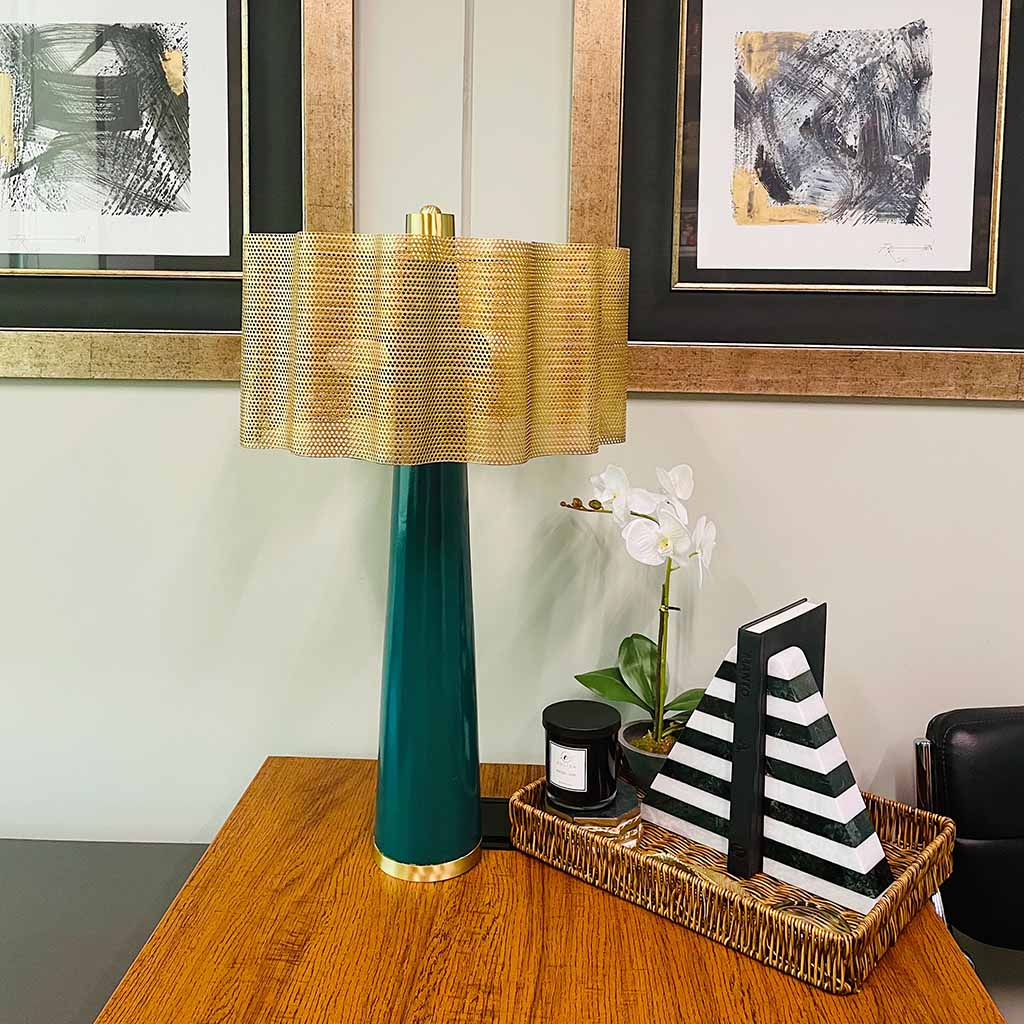
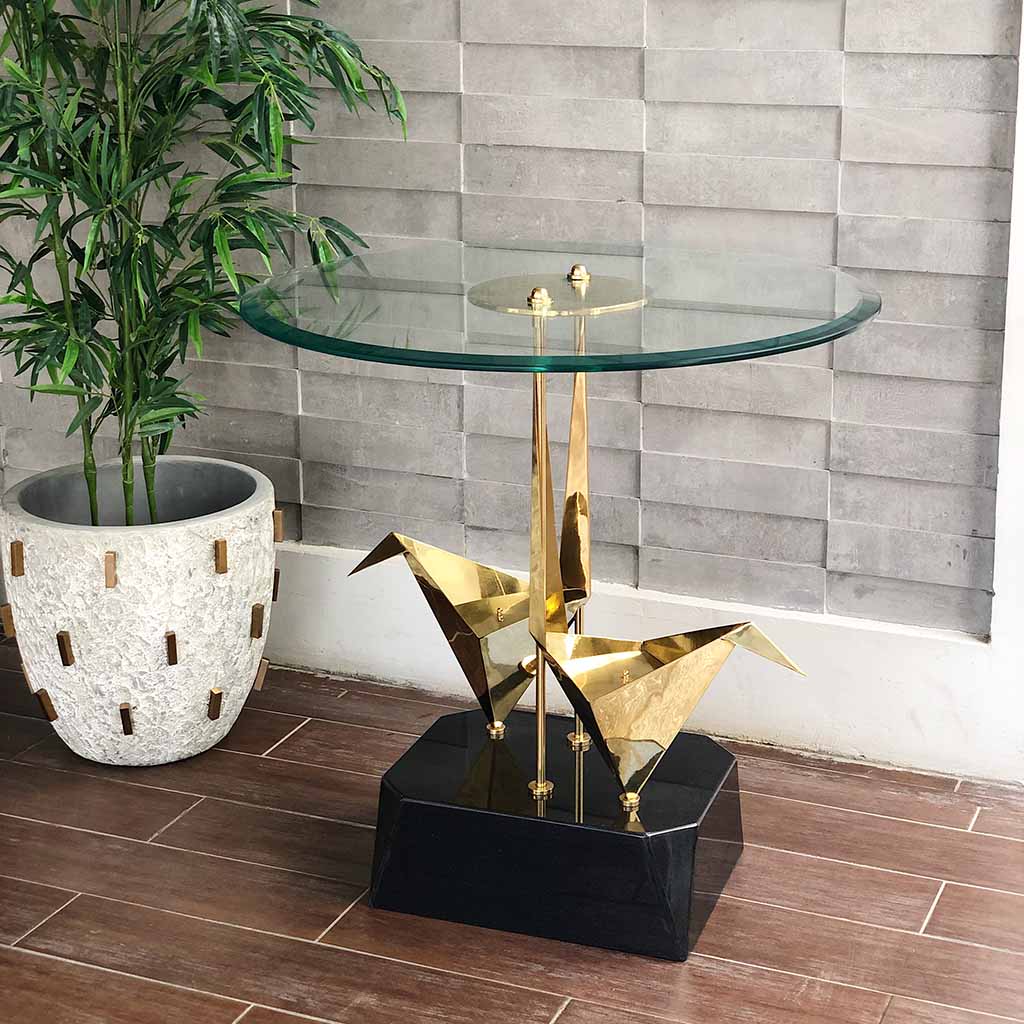
Clean lines and a warm metallic sheen make brass and matte-black metal vessels the natural choice for contemporary interiors, catching ambient light in a way ceramic never will.
Tactile Ceramics & Stoneware
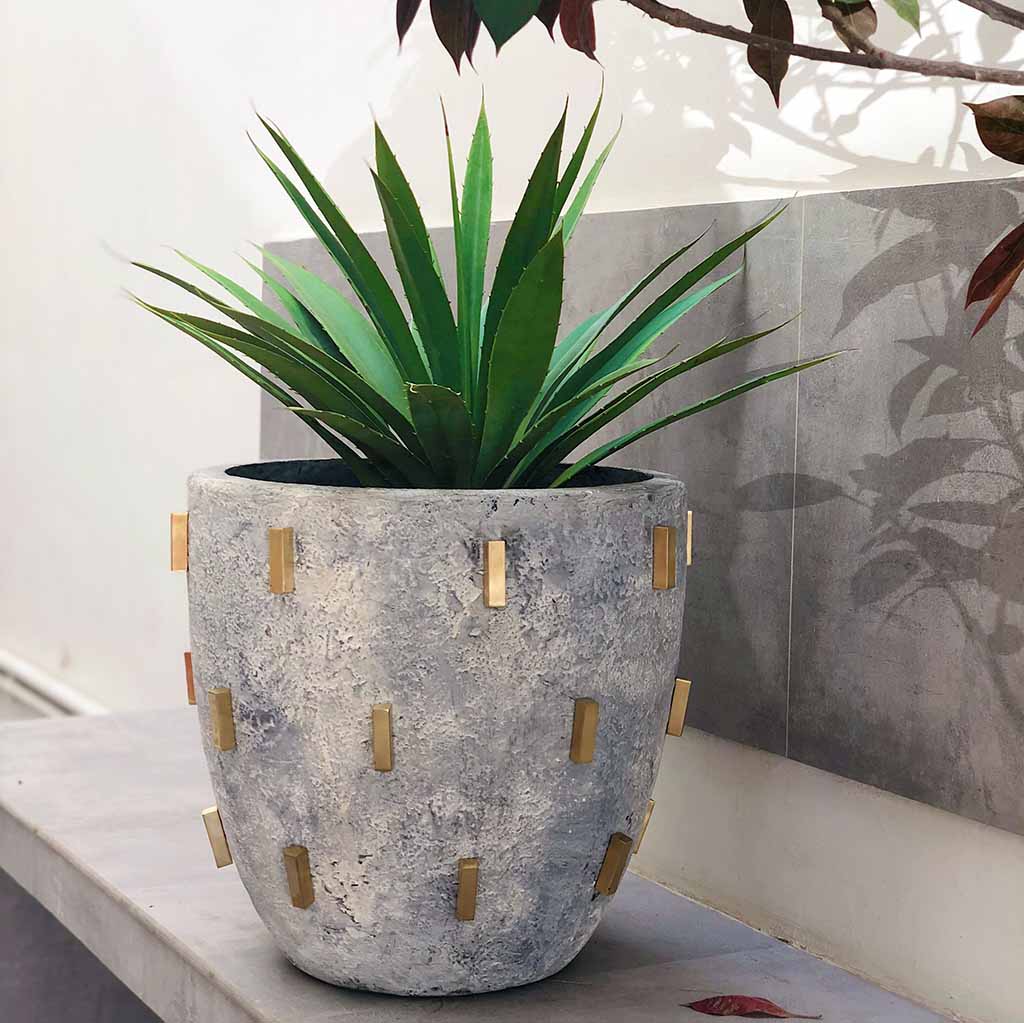
Ceramic hanging planters bring grounded weight and organic elegance. Their matte, hand-finished textures suit interiors built around natural materiality, limewashed walls, timber joinery, stone flooring.
Woven Natural Fibers & Rattan
For spaces leaning bohemian or coastal, woven-fiber and rattan hangers introduce textural lightness, ideal when a room already carries pattern and doesn’t need another heavy focal point.
Artisanal Macramé
Macramé remains the most tactile option here, intricate knotwork that adds softness and handcrafted warmth, layering beautifully alongside linen upholstery or exposed timber beams.
When sourcing options, many homeowners now browse flower pots online Pakistan retailers to compare finishes side by side, since texture and tone read differently in photography than under showroom lighting.
Placement Strategy: Over-Furniture Positioning vs. Open Air
Where a hanging planter sits matters as much as what it’s made of.
Over-furniture positioning anchors a display above a console table, reading nook, or kitchen island, using greenery to define a functional zone without adding floor furniture. A cluster hung above a console signals “considered vignette,” pulling the eye to that wall the way art would.
Open-air placement works differently, planters suspended in a stairwell, a double-height entry, or beside a window with no furniture beneath them. Here the priority shifts to sightlines and circulation. A plant hung in a passageway should sit high enough that no one ducks beneath it.
The best-styled interiors typically use both strategies at once, one grounded display anchoring a functional surface, one open-air moment adding drama to unused vertical space.
Structural Integrity: Weight-Bearing & Care Logistics
None of this styling matters if the mounting fails. Wet soil is heavier than most homeowners expect, and hardware must be matched to both vessel and ceiling type.
Ceiling anchor rules:
- Drywall alone supports only very light vessels, small woven or plastic pots under two kilograms once watered
- Toggle bolts or molly anchors rated for wet weight are the minimum standard for ceramic or metal planters
- Joist mounting, using a stud finder to locate solid framing, is non-negotiable for larger stoneware vessels or anything holding more than a few liters of soil
- Always calculate weight after watering, not before, this is where most DIY installations fail
Maintenance hacks worth adopting:
- Use lightweight, well-draining potting mixes formulated for hanging displays, reducing total suspended weight
- Install internal drainage inserts or saucers to prevent ceiling stains and water damage
- Choose a self-watering reservoir insert for high or hard-to-reach vessels, cutting watering frequency and spill risk
These details separate a display that lasts for years from one that becomes a liability within months, a distinction serious buyers of indoor planters Pakistan sourcing tend to research before installation day.
Bring that same sense of considered elevation into every corner of your home with Creo Living’s curated collection of premium home décor, furniture, lighting, and serveware. Give your space, and the people you love, something worth gifting and worth living with.
FAQs
1. How many hanging planters should I group for the best visual effect?
A: Three to five vessels at staggered heights typically reads as intentional. Fewer look incidental; more risk clutter unless the ceiling height genuinely supports it.
2. Can hanging planters work with a standard eight-foot ceiling?
A: Yes, if drop heights stay conservative. Keep the lowest vessel at least 18 inches above head height in any seated zone, and favor one high-tier plant over a layered canopy.
3. What’s the safest hardware for a heavy ceramic planter?
A: A toggle bolt anchored into a ceiling joist. Never rely on adhesive hooks or drywall alone for vessels exceeding two kilograms once watered.
4. How often should elevated plants be watered versus floor-level ones?
A: Hanging plants dry out faster due to air circulation, often needing water every four to five days rather than weekly. A lightweight mix with a drainage insert helps regulate this.