


Overcoming the “Green Thumb” Myth in Pakistan
Ask any homeowner in Karachi, Lahore, or Islamabad why their living room has no greenery, and you will likely hear the same story: a wilted fern, a browning leaf, a plant that gave up within weeks. Between relentless summer heat, dust that settles daily, and air conditioning that dries out entire rooms, it is easy to conclude that indoor plants and Pakistani homes simply do not mix.
This is a myth worth retiring. The problem was never a lack of a green thumb, but plant selection. Choosing species built to withstand heat, low light, and inconsistent watering removes most of the guesswork. Pair the right plant with the right vessel, and greenery becomes one of the simplest, most rewarding upgrades for any home.
Climate-Resilient Varieties for Pakistani Cities
Pakistan’s major cities each present distinct indoor growing conditions, and matching your plant choice to your city’s climate makes a measurable difference in how much effort your greenery demands.
Karachi deals with coastal humidity, salt-laden air, and warm breezes that can dry leaves unevenly near windows. Plants here benefit from good air circulation and tolerance for inconsistent moisture.
Lahore brings extreme summer temperatures, dry spells, and seasonal smog that coats leaves in fine dust. Hardy, dust-tolerant foliage that can be wiped clean easily performs best.
Islamabad offers a gentler climate overall, but chilly winters and variable indoor light near hillside homes call for adaptable, shade-friendly species.
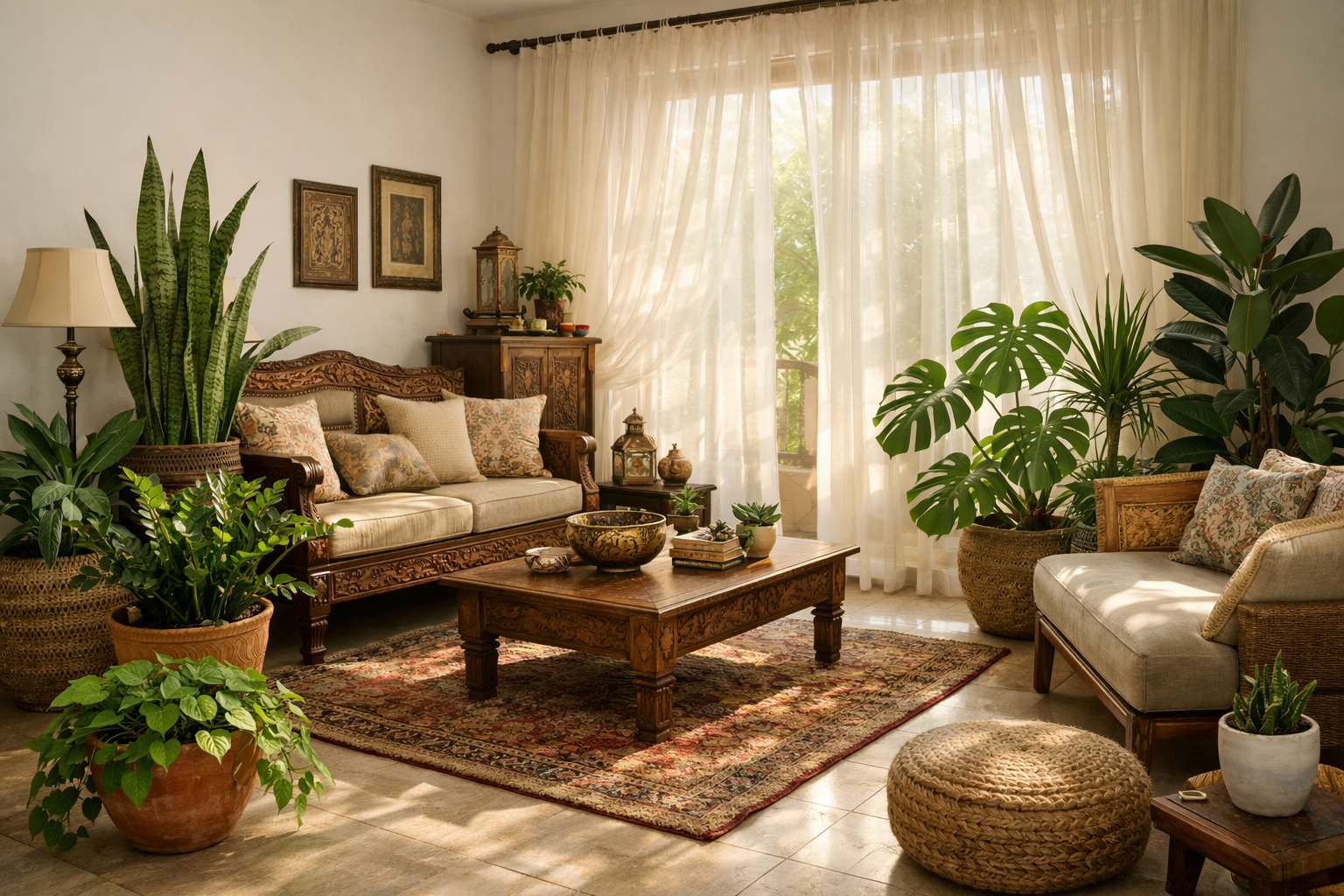
Across all three cities, five plants consistently prove themselves as the most forgiving choices for Pakistani interiors:
- ZZ Plant – thrives in low light, tolerates irregular watering, and rarely shows stress
- Snake Plant – nearly indestructible, purifies air, and suits both bright and dim corners
- Rubber Bush – handles heat well and adds a bold, glossy presence
- Cast Iron Plant – true to its name, withstands neglect, dust, and temperature swings
- Devil’s Ivy (Pothos) – trails beautifully and adapts to almost any light condition
Matching Plant Silhouette to Planter Architecture
A plant’s natural shape should guide your choice of vessel as much as your room’s layout does. Getting this pairing right separates a styled corner from a cluttered one.
Upright and sculptural plants, such as the Snake Plant, have a clean, vertical form that calls for slim, tall planters. A narrow silhouette echoes the plant’s own lines and works as a statement piece beside a sofa or doorway. This is where decorative tall plant pots for indoor use earn their keep, drawing the eye upward without overwhelming the space.
Broad-leafed and bushy plants, like the Rubber Bush, carry real visual weight and need a grounding presence to match. Deep, wide-based floor vessels keep these plants stable and proportionate, particularly in living rooms or entryways.
Trailing and cascading plants, such as Money Plant or Pothos, are at their best when given room to spill downward. Elevated pedestals, shelf planters, or raised stands let the vines cascade naturally rather than pooling on the floor.
When shopping for indoor planters, think of the vessel as an extension of the plant’s personality rather than an afterthought. The right plant pots indoor arrangement can turn a single ZZ Plant or Snake Plant into a genuine architectural feature.
Seasonal Care Adjustments for Hot, Arid, and Monsoon Cycles
Even the hardiest plants respond to Pakistan’s dramatic seasonal shifts, and a few small adjustments keep them thriving year-round.
Managing AC and summer heat: Air conditioning strips moisture from the air, leaving leaf edges crisp. Keep plants away from direct vents, and mist broad-leafed varieties occasionally during peak summer to offset the dryness.
Monsoon versus winter watering: During monsoon season, indoor humidity rises naturally, so most low-maintenance plants need less watering than usual. In the dry winter months, especially in Lahore and Islamabad, soil dries out faster, though these hardy varieties still forgive occasional lapses.
Dust management: Urban dust settles quickly on broad leaves, particularly in Lahore’s smog season. A gentle wipe with a damp cloth every couple of weeks keeps plants healthier and your indoor floor planters looking polished rather than dulled by grime.
Smart Planters: How Material and Drainage Reduce Effort
The vessel you choose does far more than complete a look. It directly determines how much maintenance your plant will demand.
Proper drainage is non-negotiable. Pots without drainage holes trap excess water around the roots, leading to root rot even in drought-tolerant species like the ZZ Plant or Snake Plant. Look for planters with drainage layers or removable inner liners.
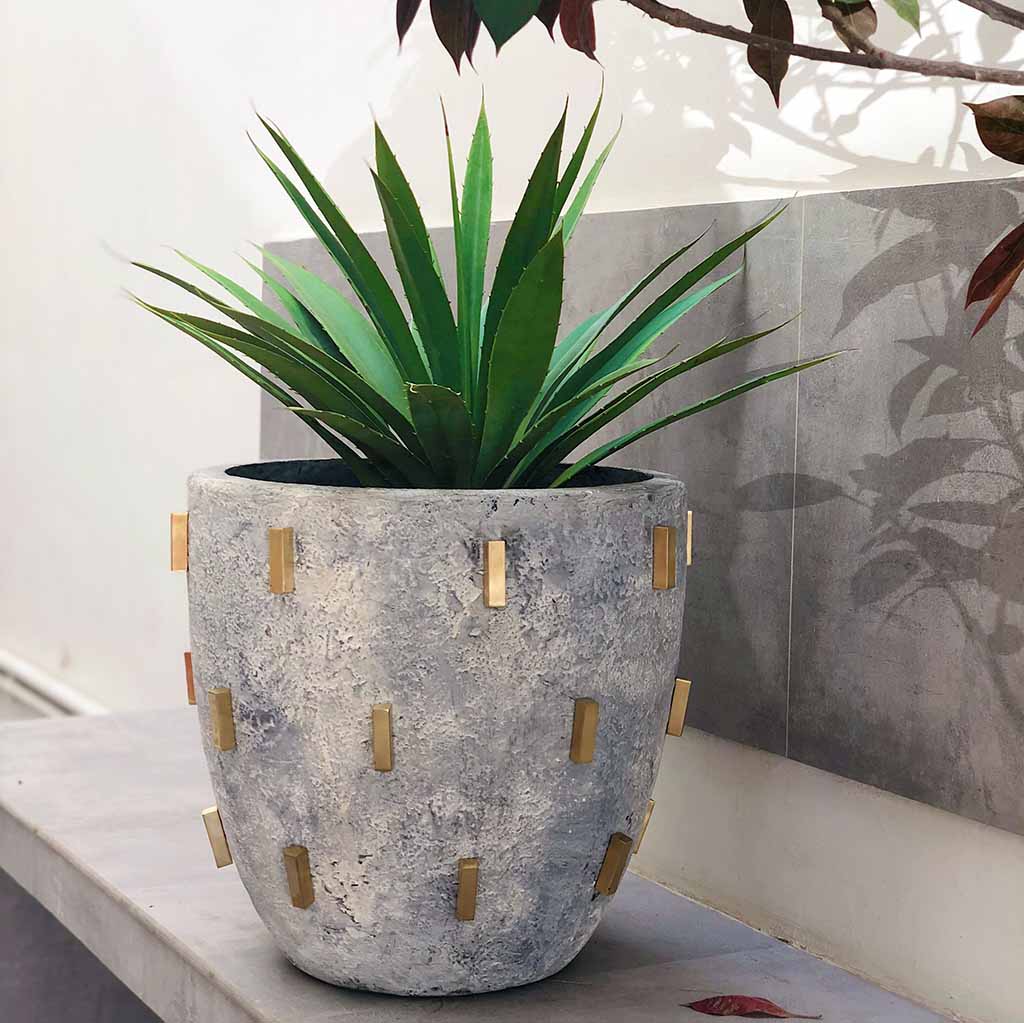
Material matters just as much. Ceramic planters retain moisture longer, suiting plants that prefer consistent watering, while breathable terracotta allows soil to dry faster, ideal for succulent-adjacent species. Fiberglass and resin planters offer lightweight durability and a refined finish, making them well-suited as statement pieces without adding weight to upper floors.
Elevated bases deserve special mention. Raised feet or stands protect wooden and marble flooring from moisture damage and improve air circulation, reducing the risk of mould in humid coastal homes. For awkward or underused spaces, indoor floor planters for corners solve a styling problem and a practical one at once, filling dead space while keeping plants elevated and healthy.
Let Creo Living help you complete the look with a curated collection of premium gifting items, home décor, furniture, lamps, and serveware accessories. Bring warmth and elegance into every corner of your home with pieces designed to last.
FAQs
1. How often should I water low-maintenance indoor plants in Pakistan’s summer?
A: Most hardy varieties need watering once every seven to ten days in summer, though this depends on humidity and AC exposure in your specific room.
2. Can indoor plants survive Lahore’s dusty and smoggy conditions?
A: Yes, provided leaves are wiped clean regularly. Cast Iron Plants and Rubber Bush are particularly resilient to dust buildup.
3. What type of planter is best for preventing water damage to flooring?
A: Choose planters with drainage holes and elevated bases, ideally paired with a saucer, to protect marble, wood, or tiled floors from moisture.