

The Invisible Clutter
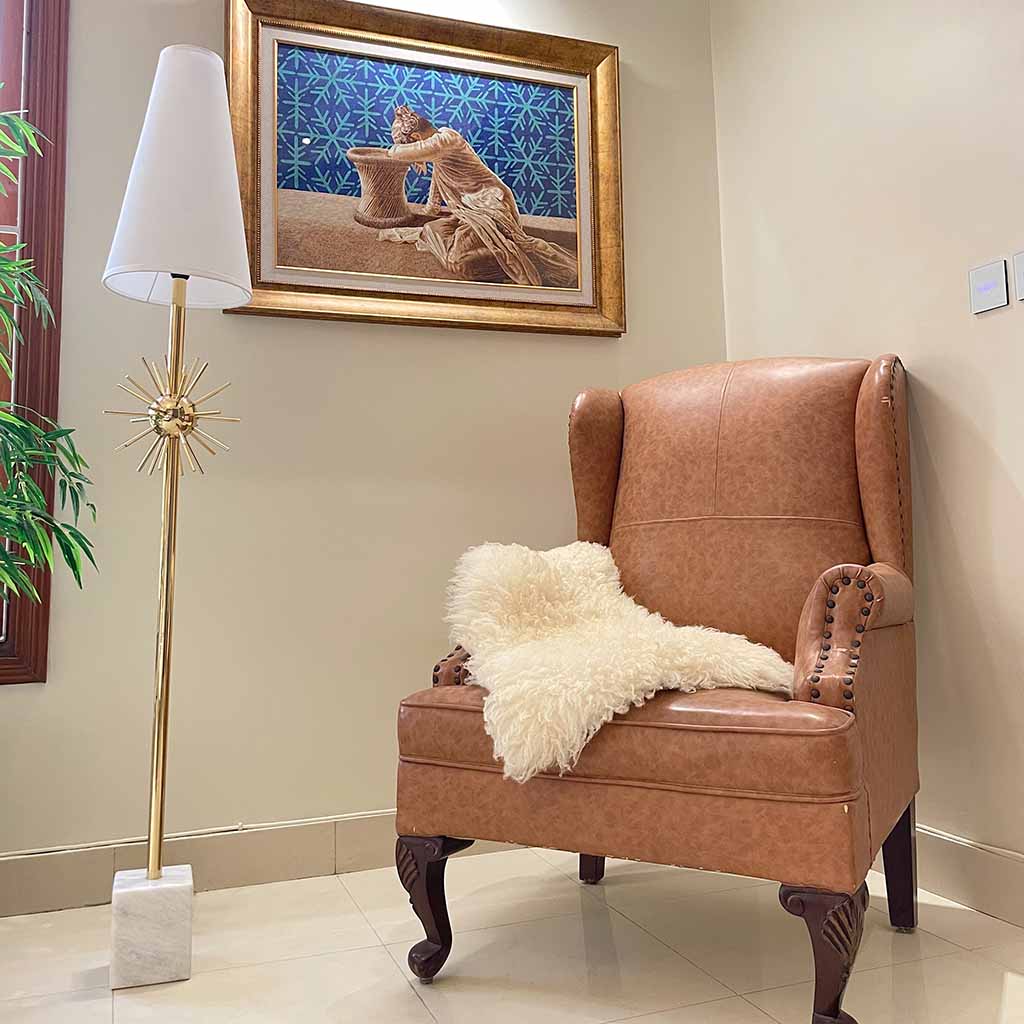
Walk into a beautifully designed room, and something can still feel faintly wrong. The sofa is right, the art is right, the lighting is considered, yet the eye keeps snagging on something small. A cardboard tissue box wedged on a marble console. A plastic soap dispenser is fighting a stone vanity for attention. This is sensory friction: the quiet dissonance of one unstyled object interrupting an otherwise curated environment. The room isn’t failing at the big decisions, but at the small ones, which accumulate into a home that reads as furnished rather than designed.
Sensory friction rarely announces itself the way a clashing rug does. It works in the periphery, a low hum of “almost” that keeps a space from feeling finished. The fix isn’t more furniture. It’s attention, redirected toward objects we’ve trained ourselves to stop seeing.
The Philosophy of Intentional Utility
Luxury design has long understood that hierarchy is a myth. A hand-blown vase and a soap dish occupy the same visual field; the eye doesn’t rank them by price, only by presence. If one is beautiful and the other is not, the ugly one wins, it’s the object that disrupts, and disruption is what memory holds onto.
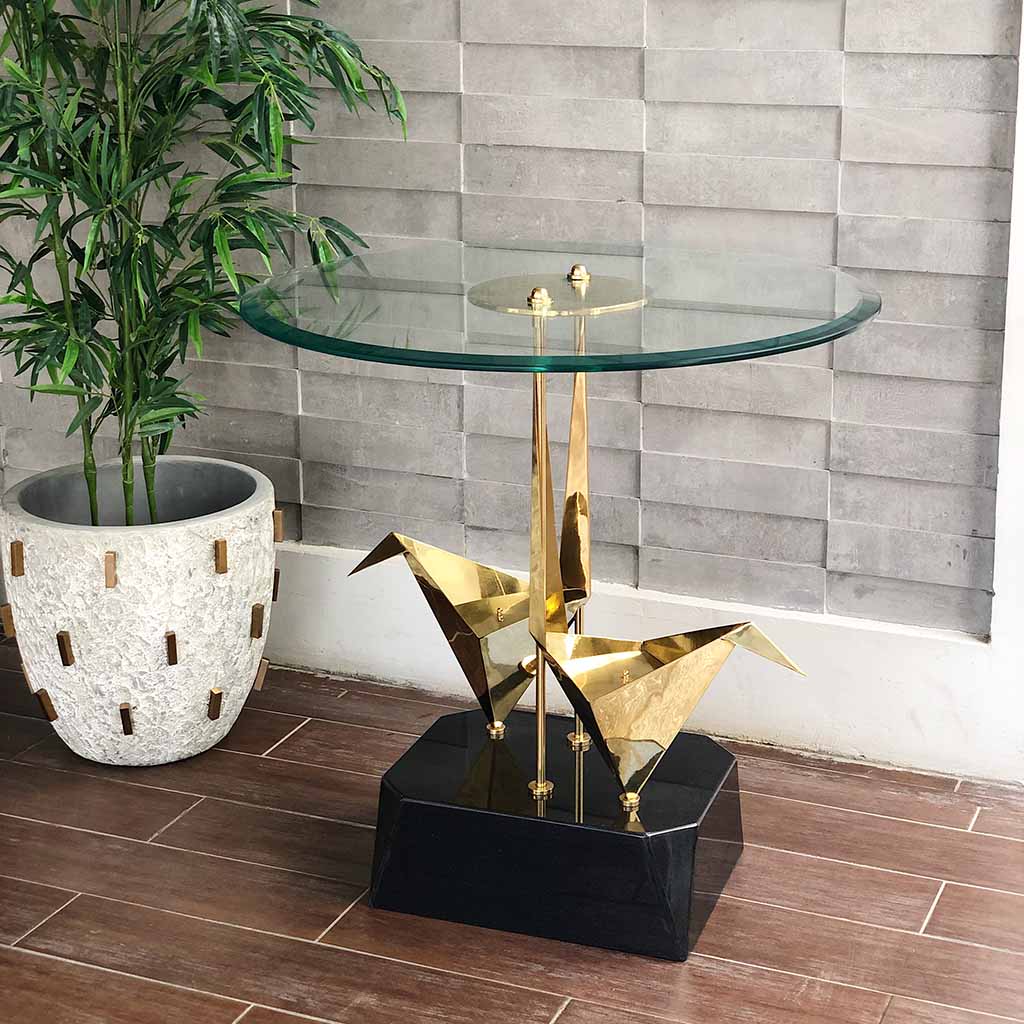
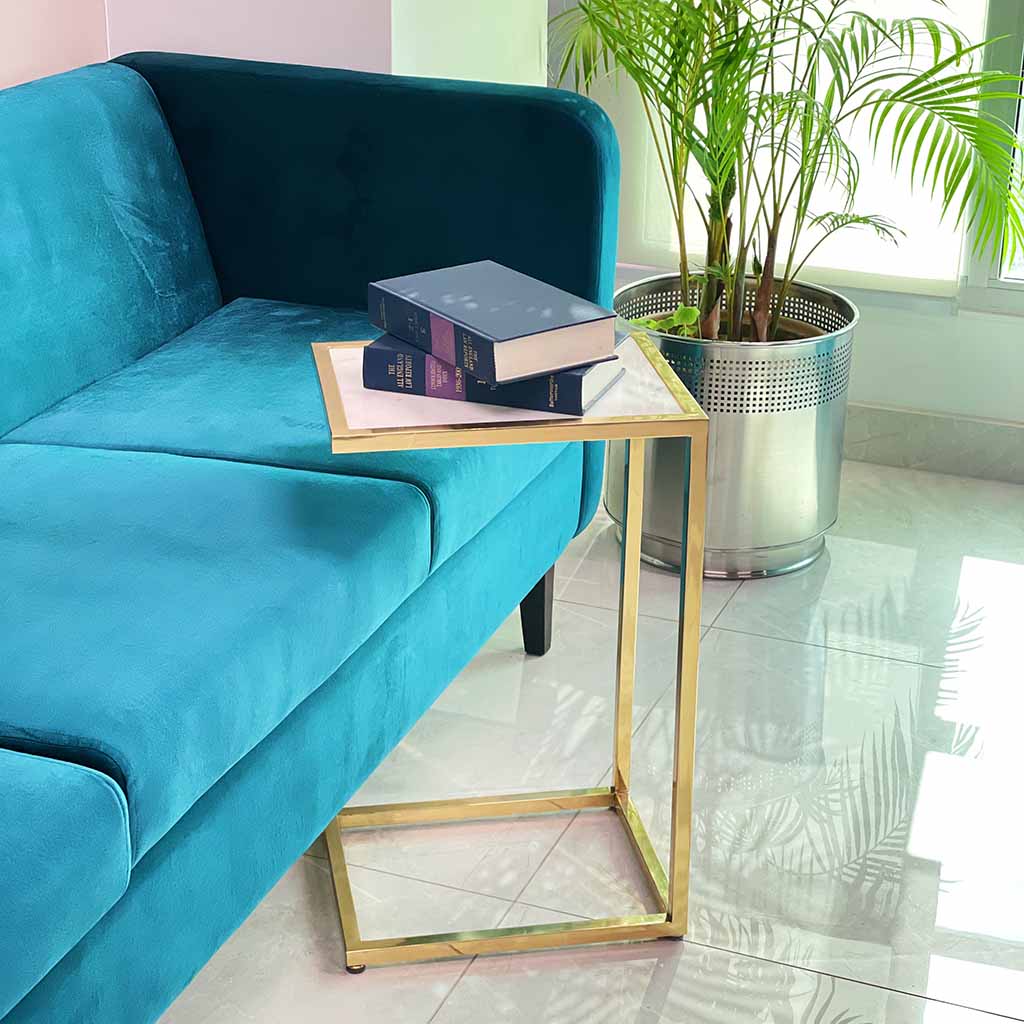
Functional objects deserve the same design language as your furniture because they’re touched daily and seen at eye level far more than a painting. A tissue box holder sits on a coffee table that you look at every evening. Coasters live under every glass set down mid-conversation. Trays anchor the objects that anchor a room. Utility, treated correctly, becomes the truest canvas for luxury, the layer of a home that never goes unnoticed, even when unappreciated.
The shift in thinking is simple: stop asking “what does this object do?” and start asking “what does this object say?” A tissue box cover doesn’t just hide tissues. It tells a visitor, in a single glance, whether a home was assembled or designed.
The Room-by-Room Audit
A proper audit means walking through your home like a stylist would, cataloguing every object that serves a purpose but has never been considered aesthetically.
The Living Room
- Swap the cardboard tissue box for a luxury tissue box cover Pakistan artisans carve from wood or cast in resin, matching the coffee table it sits on.
- Introduce heavy stone or brass coasters; weight signals permanence.
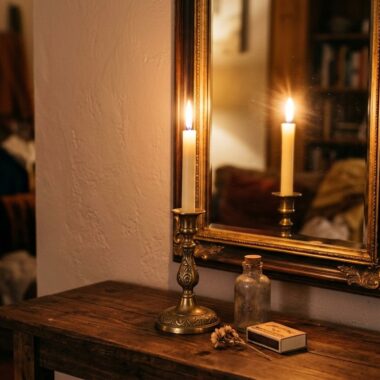
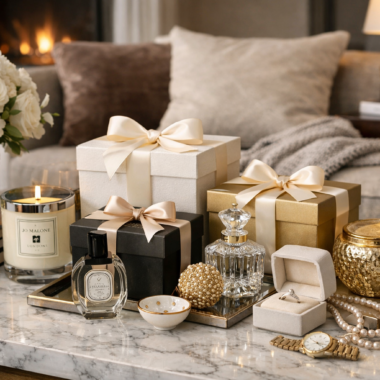
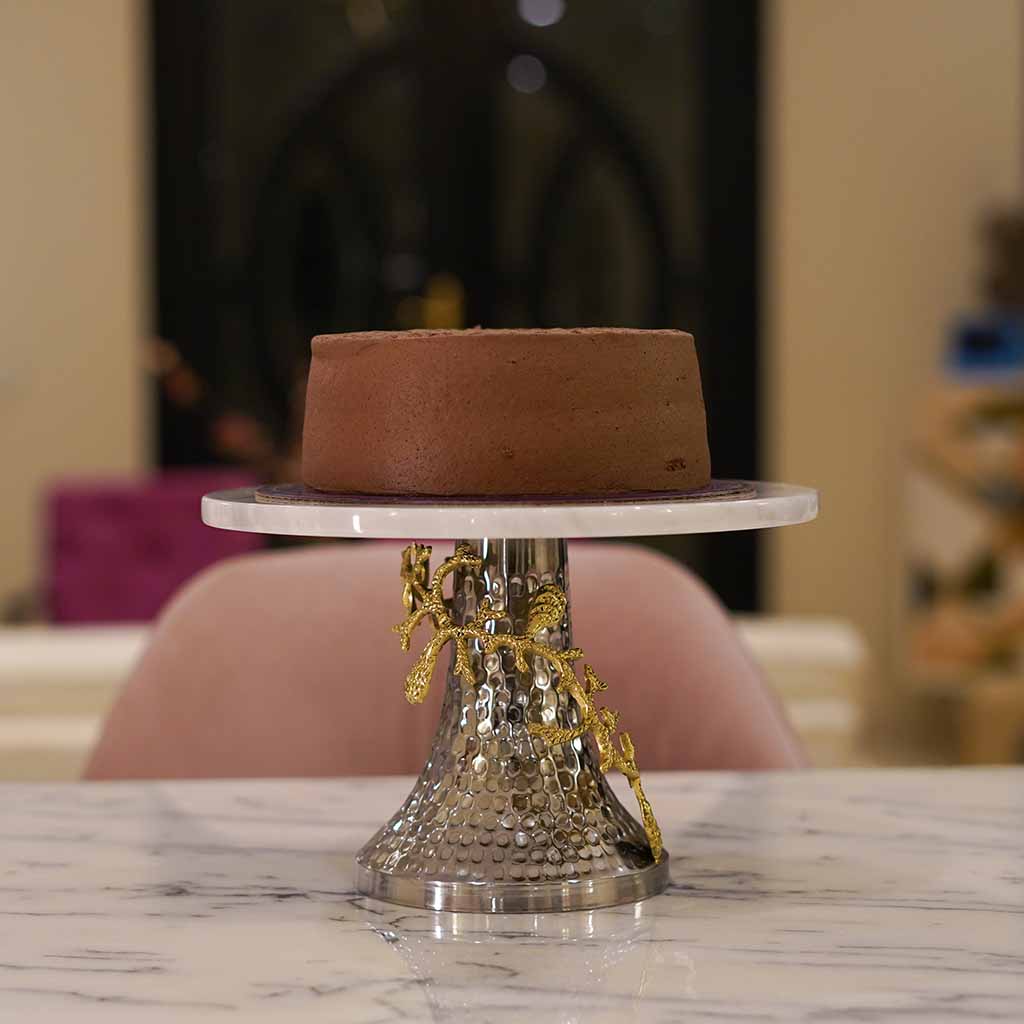
- Add a brass or lacquered tray beneath your candles to contain visual noise.
The Dining Area
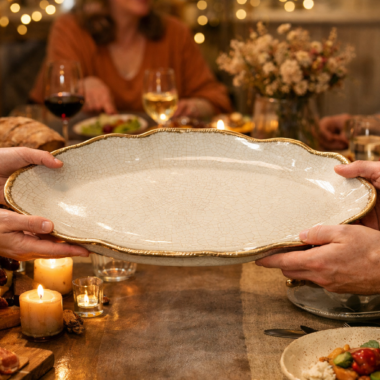
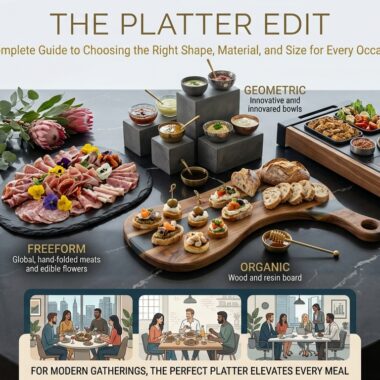
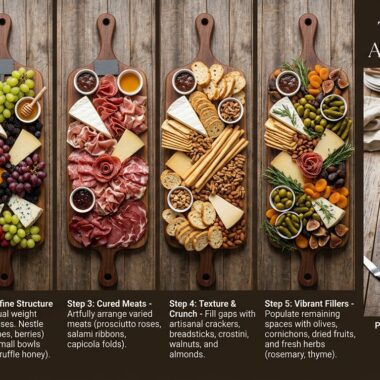
- Replace bare wooden boards with stone-finished serving pieces that hold their own against your dinnerware.
- Anchor the table’s centerline with an elegant salt cellar, small yet outsized in presence.
- Choose linens and napkin rings echoing your tableware.
The Bedroom & Vanity
- Retire the pile of chargers and tissues by the bed. A grounding ceramic or leather tissue box holder absorbs that clutter into something intentional.
- Pair it with a matching catchall tray for rings and change.
- Keep the palette restrained, two materials, never more, per nightstand.
The Bathroom Sanctuary
- Coordinate soap pumps and lotion bottles into one refillable set rather than a shelf of branded plastic.
- Store cotton pads in a lidded jar mirroring your vanity’s stone or brass accents.
- Complete the washbasin with a marble tissue box cover Pakistan homeowners increasingly choose it for its cool touch and permanent shine.
The Compound Effect of Micro-Styling
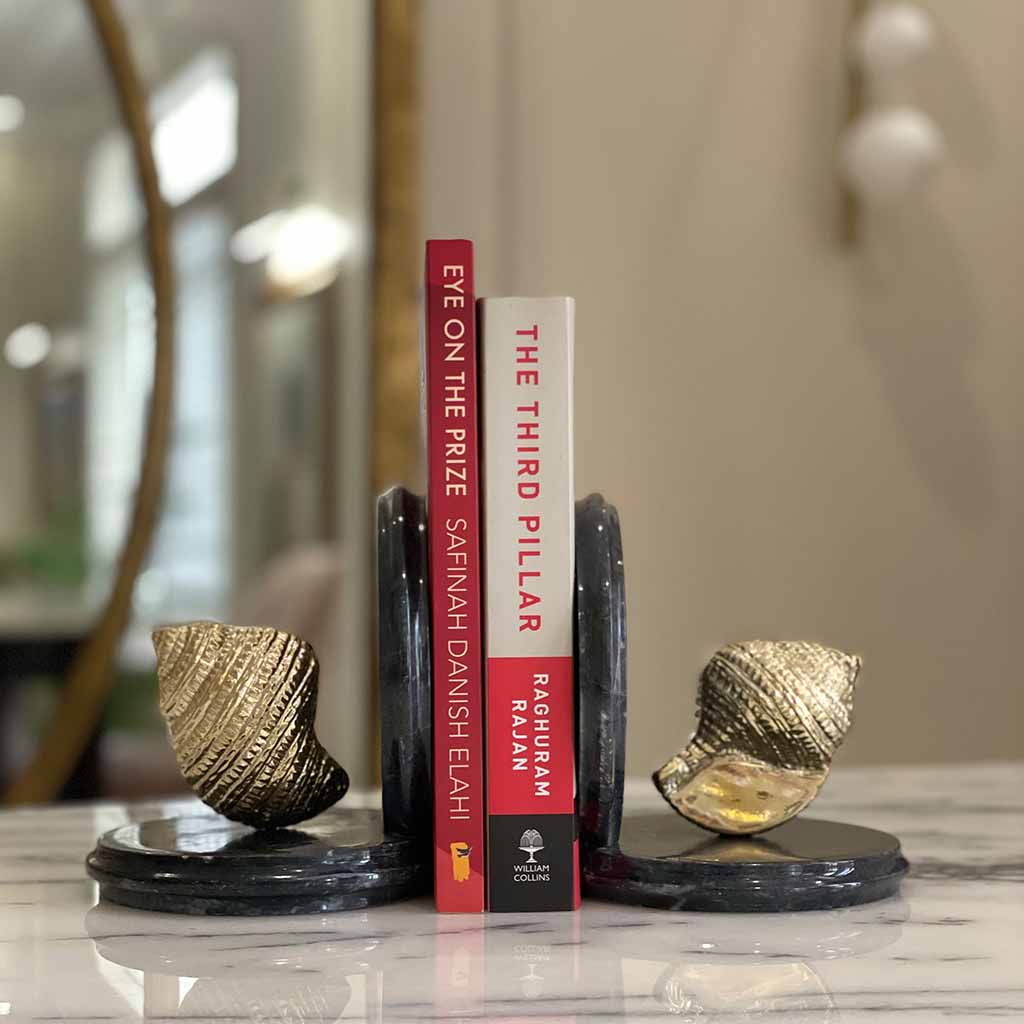
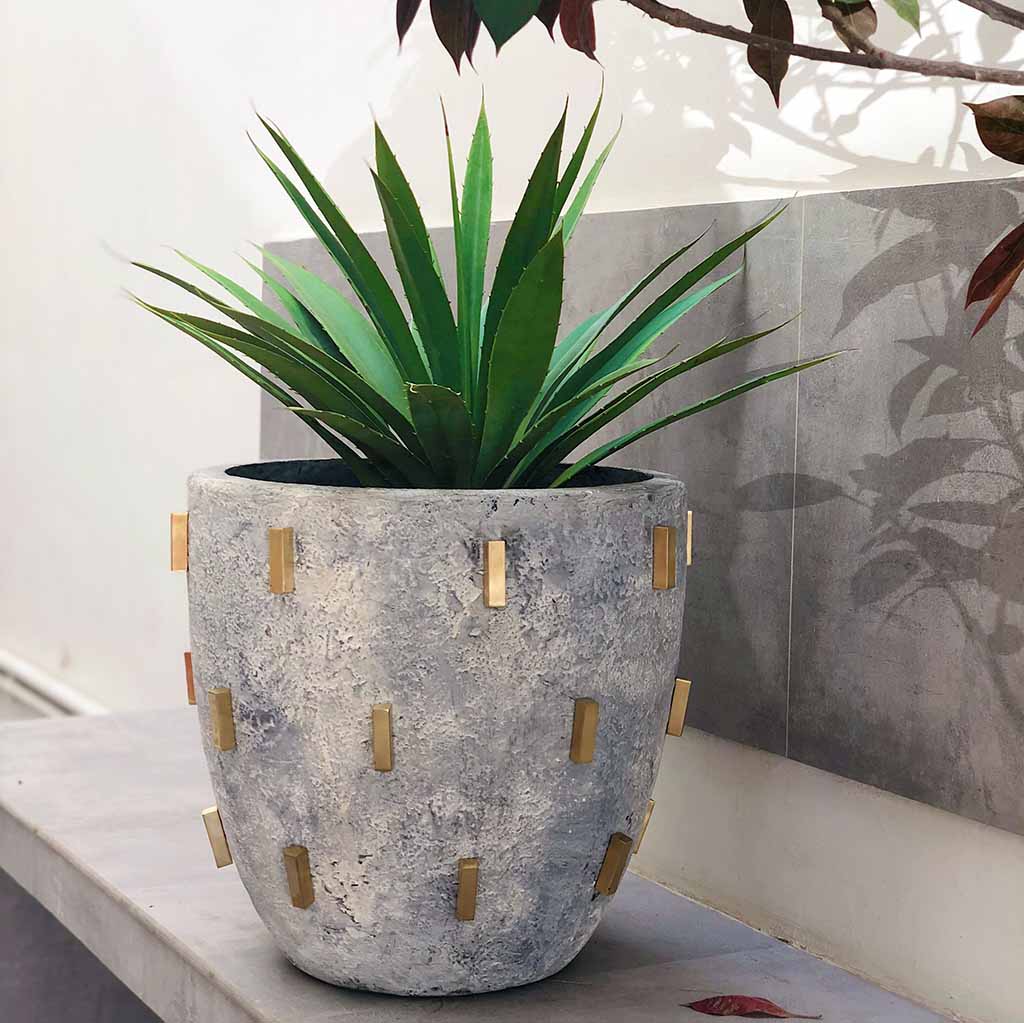
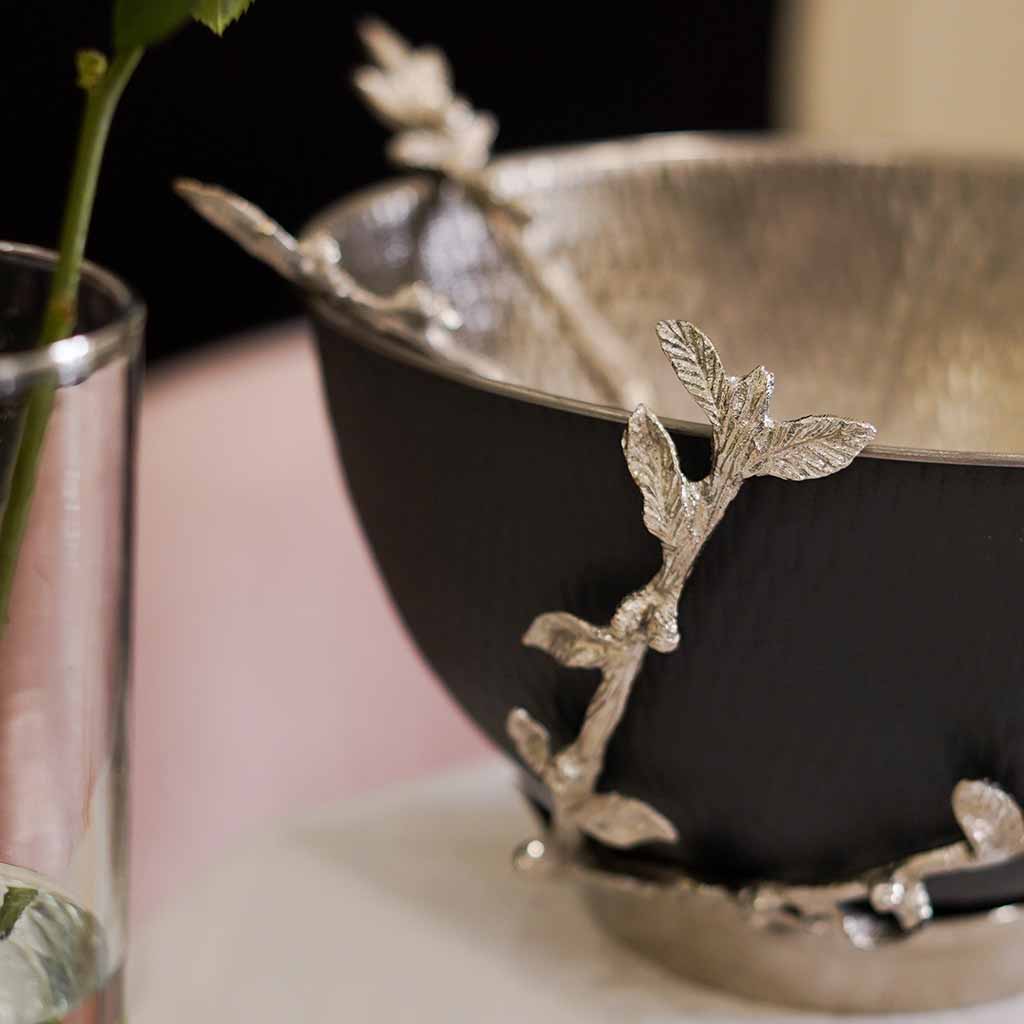
No single accessory transforms a room. What transforms it is repetition, the same material language appearing in five small places until a visitor’s subconscious registers coherence before naming why. This is the compound effect of micro-styling: brass on a tray, a candle holder, a drawer pull. Marble on a tissue box cover, a coaster, a soap dish. Each touchpoint is minor; together, they behave like a signature.
A room full of expensive furniture can still feel disjointed, while a modest room with disciplined material continuity can feel expensive. Cohesion, not cost, is the mechanism. Choose two or three materials, brass, marble, and a warm wood, and let them recur across every functional object. The result feels edited rather than accumulated, curated rather than collected.
The Stylist’s Vignette Formula
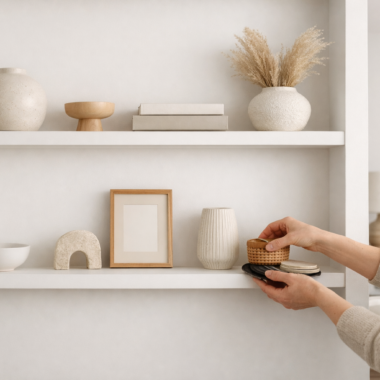
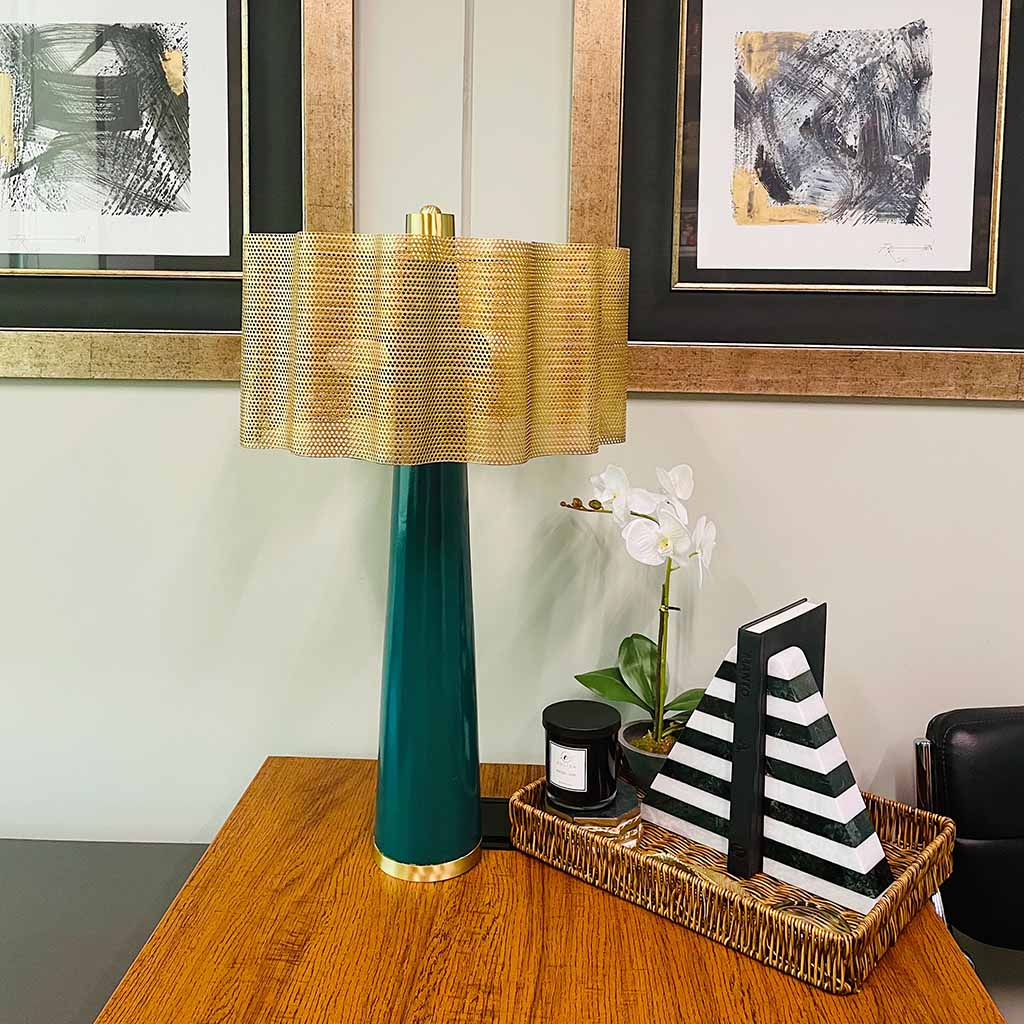
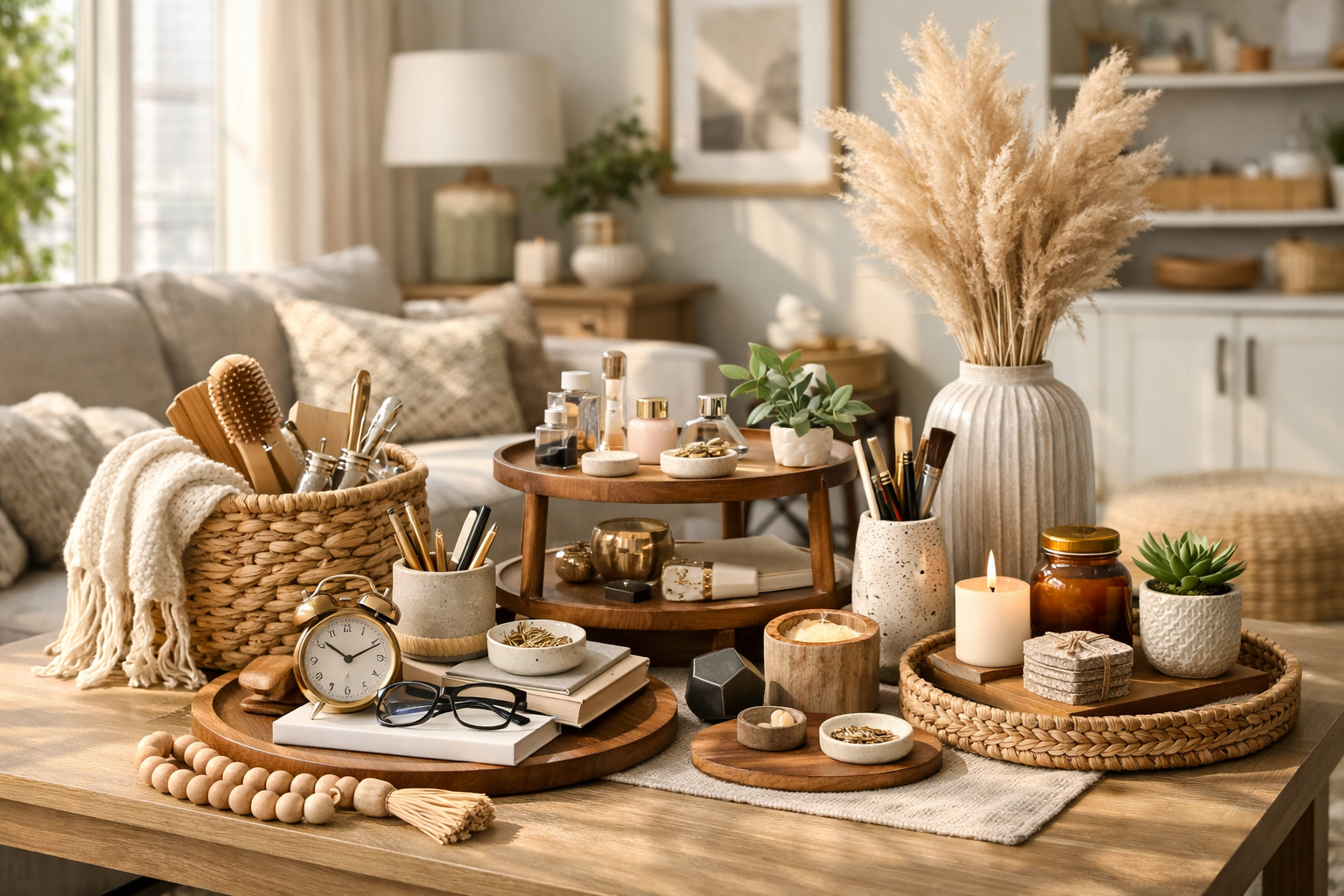
Grouping is the final, most underused tool in a stylist’s kit. A single beautiful object on an empty surface can feel stranded; grouped with two or three companions, it becomes a vignette, a small, composed scene rather than an isolated item.
A dependable formula: one tray, one object with height (a candle or small vase), and one object with texture (a decorative tissue box holder Pakistan artisans hand-finish in stone or wood, which works beautifully here). The tray contains the grouping; the height creates a focal point; the texture keeps the eye engaged. Vary heights, avoid rigid symmetry, and leave a pocket of negative space, a vignette too full reads as clutter dressed up.
Apply this formula to every surface, entryway console, bathroom counter, bedside table, and the sensory friction that once nagged at a finished room simply disappears.
Every corner of a home holds an opportunity waiting to be unveiled. Shop Creo Living’s curated edit of decor, lighting, and serveware to elevate the accessories your space has overlooked.
FAQs
1. How do I clean a marble tissue box cover without damaging its finish?
A: Wipe with a soft, barely damp cloth, avoid acidic cleaners, and reseal the stone every six to twelve months to preserve its sheen.
2. Can I mix brass and marble on the same tray without it looking chaotic?
A: Yes, pair them through a shared tone, such as warm brass with cream-veined marble, limiting the grouping to two or three materials.
3. How many styled accessories are too many for a small surface?
A: Three to four per vignette is the ceiling; beyond that, negative space disappears and the grouping competes with itself.
4. Is a decorative tissue box holder worth it if I plan to redecorate soon?
A: Yes, holders in stone, wood, or ceramic are neutral enough to transition across design updates, outlasting a redecorating cycle.