




The Personal Canvas
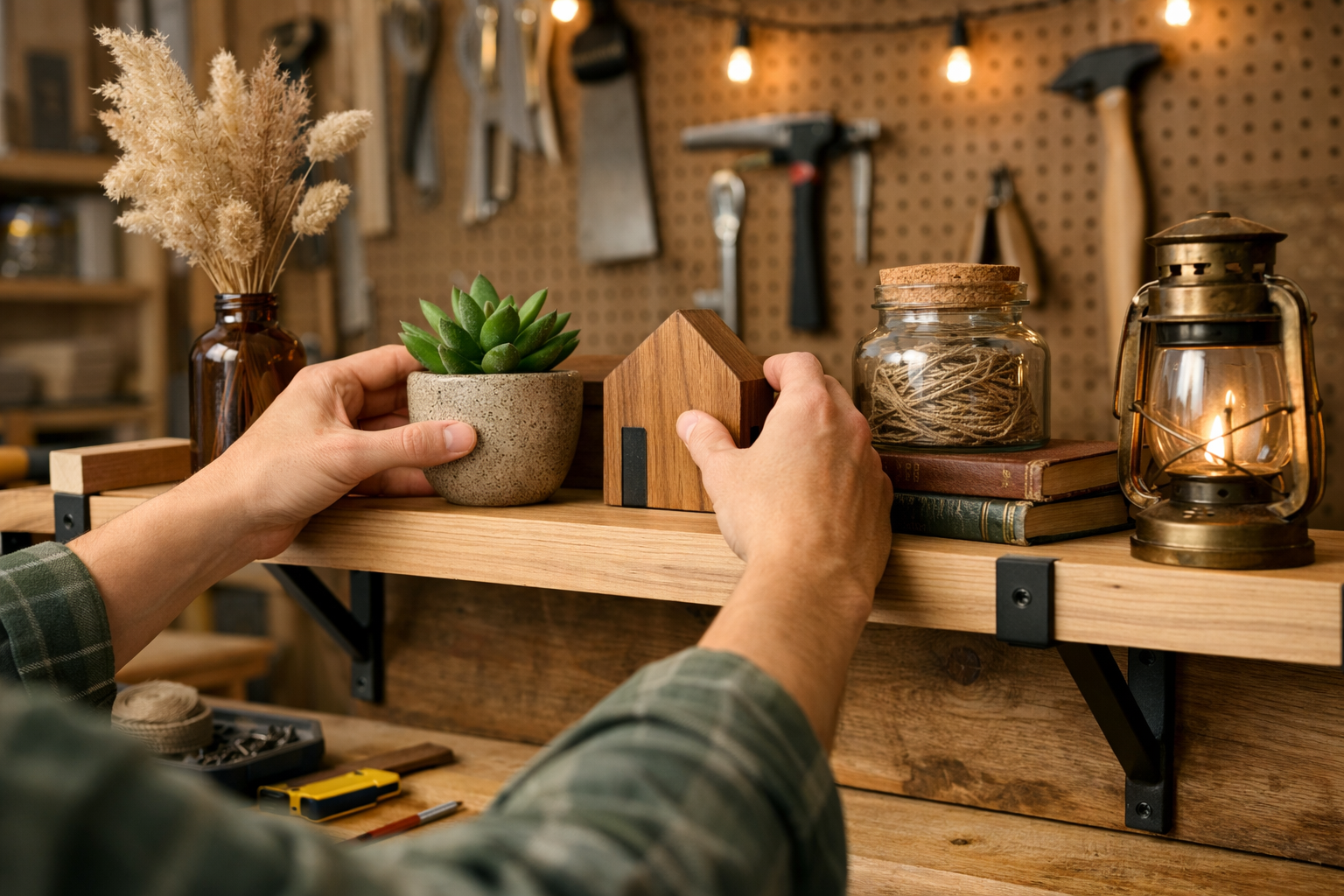
A bookcase can hold books. Or it can hold a life. The difference is intention, the gap between objects placed and objects arranged. A purely functional shelf is a storage solution: spines lined up by height, paperbacks wedged beside hardcovers, a stray candle shoved into whatever gap remains. It is efficient. It is also forgettable.
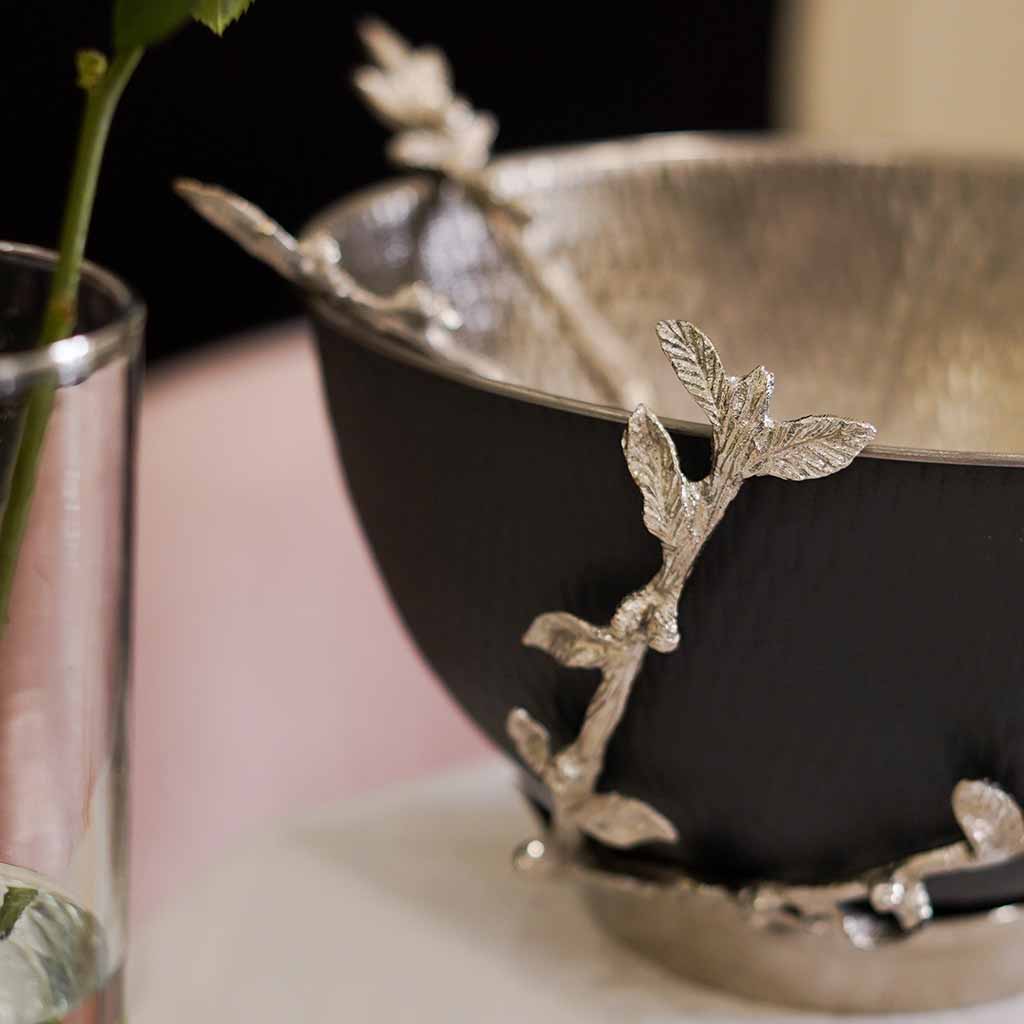
A curated shelf, by contrast, is a vignette. It is where a ceramic bowl from Lahore sits beside a photograph from a Hunza summer, where a childhood trinket leans against a first-edition novel, where negative space is treated with as much respect as the objects themselves. Shelves are among the most intimate surfaces in a home precisely because they are unscripted, set for yourself, over the years, one object at a time, which is exactly why the display deserves a framework, not just accumulation.
Narrative Anchors: The Power of Bookends
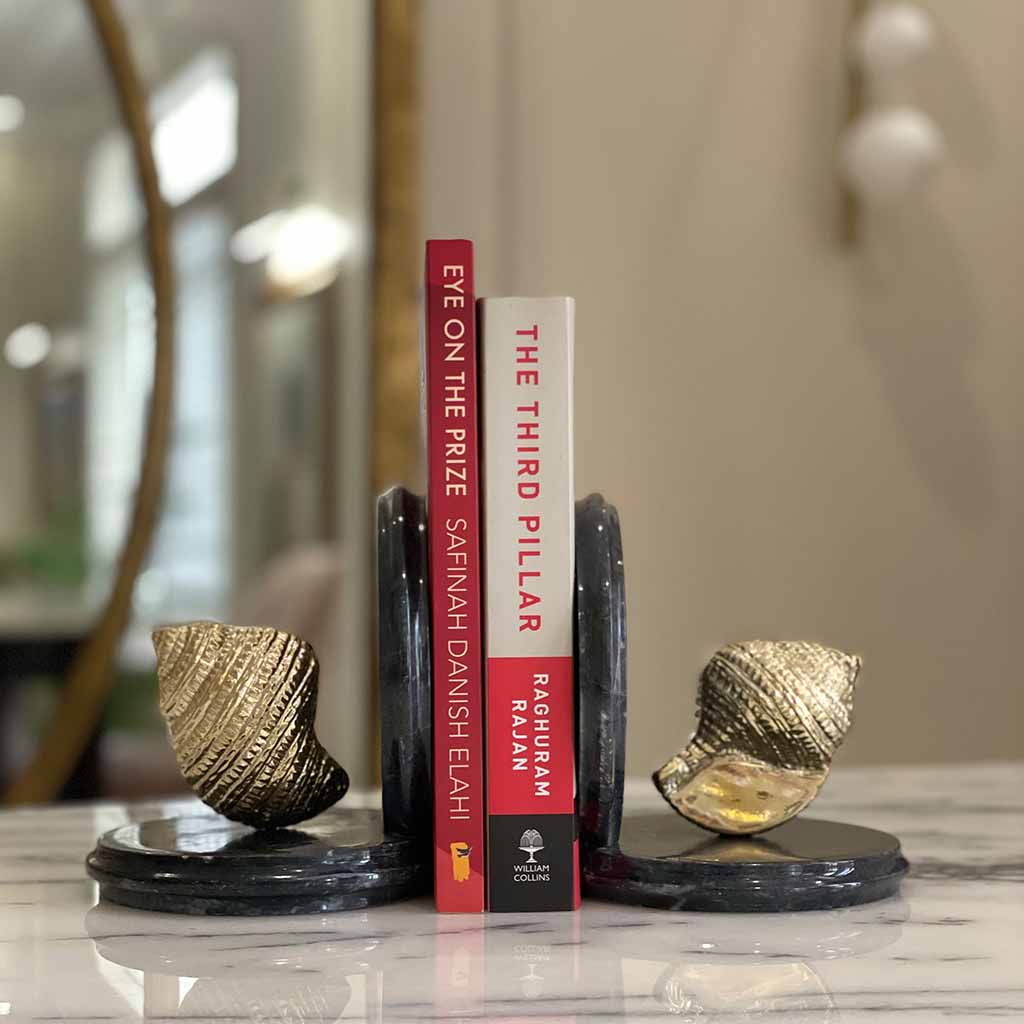
Every great display needs structure before style, and nothing provides it like a well-chosen pair of bookends. Sculptural, weighted anchors do more than keep paperbacks upright, they visually bracket a collection, telling the eye where a grouping begins and ends. Without them, books slump, spines drift, and the shelf reads as clutter rather than composition.
Material matters enormously here. Investing in luxury bookends elevates even a modest paperback collection into something that feels considered and permanent. Choosing to buy decorative bookends online gives access to sculptural forms, obelisks, orbs, abstract geometrics, that function as small works of art, not mere hardware.
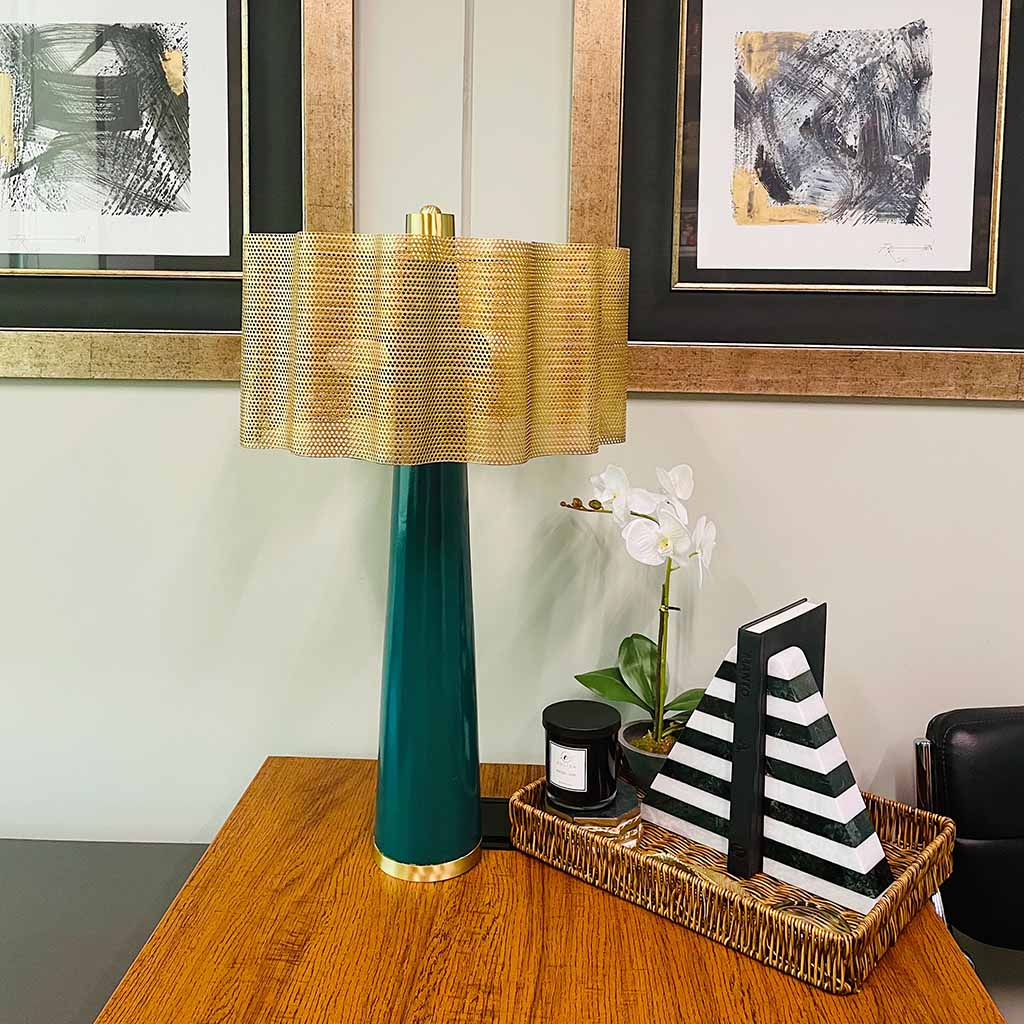
For those who want true tactile gravitas, nothing rivals stone. Marble bookends Pakistan artisans carve by hand, introduce a coolness and heft that plastic or resin cannot replicate, the kind of weight you feel before you even lift them. Flanking a stack of design monographs or grounding a single leaning art book, marble brings quiet permanence to a shelf. For newer, more minimalist interiors, modern bookends for shelves in brushed brass or matte stone strike a cleaner, architectural note. To source pieces that double as sculpture, buy bookends online Pakistan retailers now stock in finishes suited to classic libraries and contemporary lofts alike.
The Art of the Layered Mix
Once your anchors are set, the real curation begins, layering disparate objects into a single, cohesive narrative. Chaos and richness look similar at a glance; the difference lies in restraint and repetition:
- Vertical and horizontal book stacks, Lay three or four books flat to form a pedestal, then rest a small object or framed piece on top. This single move instantly adds height variation and purpose.
- Sculptural objects and ceramic art pieces, A single glazed vessel or hand-thrown bowl beside a stack of books introduces texture and breaks the monotony of paper and cloth.
- Framed photographs and small-scale art, Layer a small frame slightly behind and overlapping a taller object, rather than placing it flat against the wall. Depth reads as intention.
- Trailing plants or small botanicals, A single trailing stem, even artificial, introduces organic movement and softens the shelf’s harder geometric lines.
The goal is never symmetry for its own sake. It’s tension, hard against soft, matte against glossy, resolved just enough to feel calm rather than busy.
Compositional Rules: The Rule of Threes & Negative Space
Design instinct can be taught, and it starts with three governing principles.
Odd Numbers
Groupings of three or five objects feel naturally balanced to the eye in a way even numbers rarely do. A pair feels static; a trio feels alive, with one piece drawing focus while the other two support it. Resist the urge to round a grouping to four, trust the asymmetry of three instead.
Varying Heights
A flat, monotonous line of objects of the same size reads as storage. Introduce a rhythmic visual wave instead: tall, medium, short, tall again. Use book stacks as risers to manufacture height where objects don’t naturally provide it, letting the eye travel up and down the shelf rather than sliding flatly across it.
The Power of the Pause
Negative space is not space, it’s breathing room. A hero object, a marble sculpture, or an heirloom vase needs surrounding air to register as important. Crowd it, and it disappears into the noise. Isolate it, even slightly, and it becomes the shelf’s focal point.
Avoiding Common Curation Pitfalls
The most frequent mistake in shelf styling is simple excess, every inch claimed, no object left to breathe. A collection gathered over the years can start to feel like clutter the moment editing stops. The fix is ruthless subtraction, not addition:
- Remove one object from every grouping of four or more before calling it finished.
- Rotate seasonal or sentimental pieces in and out rather than displaying everything simultaneously.
- Group by color or material family to create visual calm, even when object count stays high.
- Step back ten feet periodically, styling mistakes are almost always visible from a distance before they’re visible up close.
A shelf edited with discipline will always outshine one merely filled.
Your shelves have something to say about you. Shop Creo Living’s collection of sculptural bookends, art objects, and refined accents to give your story its frame.
FAQs
1. How many bookends do I actually need for one shelf?
A: One pair per grouping is standard, but larger sectioned shelves often benefit from multiple pairs to bracket separate vignettes rather than one continuous run of books.
2. Are marble bookends heavy enough to support large hardcover collections?
A: Yes. Marble’s density makes it one of the most reliable materials for anchoring substantial hardcover stacks without sliding or tipping over time.
3. Should bookends match other objects on my shelf?
A: Not exactly, aim for material harmony rather than an exact match. A brass bookend can sit comfortably beside a ceramic vessel if both carry warm, complementary tones.
4. How do I keep a large shelf from feeling too busy?
A: Anchor each grouping with one hero piece, apply the rule of threes, and leave visible negative space between vignettes rather than filling every available inch.