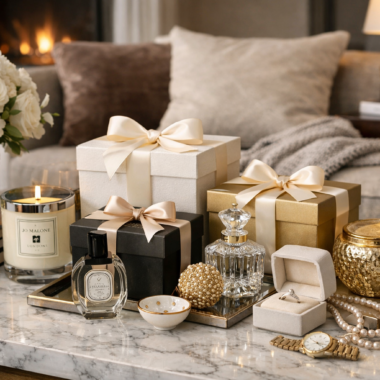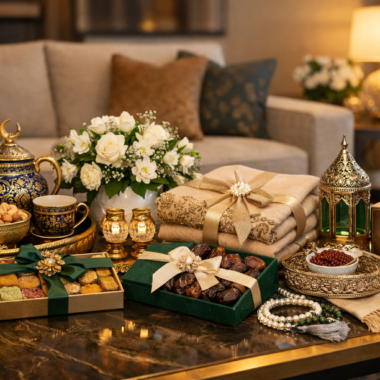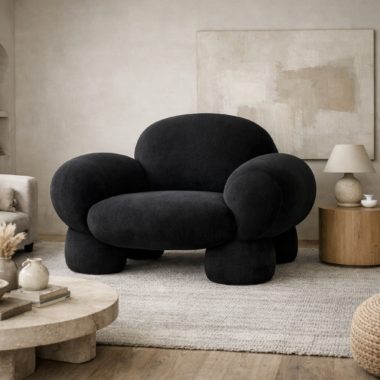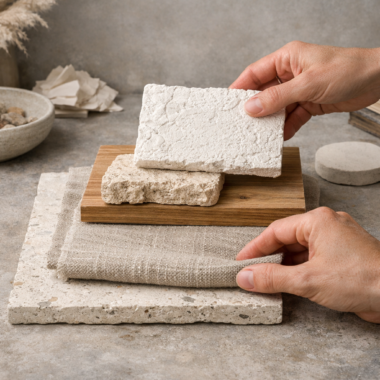


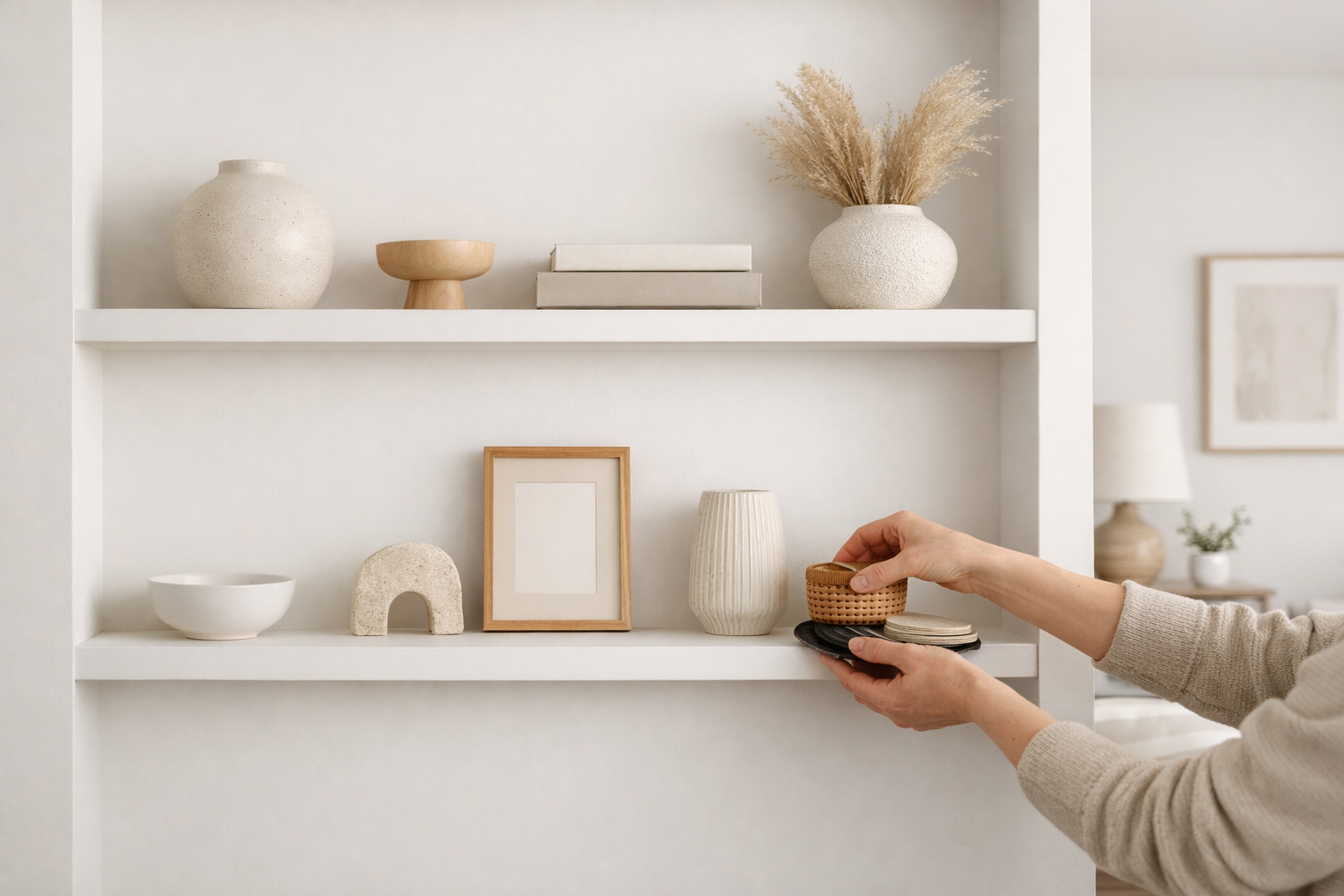
A home can have gorgeous furniture, expensive finishes, and a shelf full of attractive objects, and still feel oddly restless. You can’t quite name what’s wrong, but something about the room doesn’t sit right. More often than not, the culprit isn’t a lack of style. It’s that every object was chosen on its own merits, never as part of the larger picture. A candle looked lovely in the shop. A bowl was a thoughtful gift. Individually, each one earns its place. Together, on the same console, they start to argue with each other.
That’s the difference between a home filled with beautiful things and a home that feels beautifully composed. In interior design, that difference almost always comes down to editing, knowing which objects genuinely serve the room and which are simply occupying space.
1. When Beautiful Objects Become Visual Noise
Clutter rarely arrives all at once. It accumulates in small, reasonable-seeming decisions: a decorative bowl lands on the console because the surface looks bare, a few books join the coffee table, a candle sits beside them, a souvenir finds a shelf, and then something else appears because that shelf “still feels empty.”
None of these additions feel excessive in the moment, but surfaces have a visual capacity. Past a certain point, objects that were individually beautiful start competing for attention instead of contributing to it. This is visual noise, and it tends to make a room feel:
- Busy, even when it’s tidy
- Visually smaller than its actual footprint
- Less sophisticated, regardless of what the pieces cost
- Fragmented, with no clear place for the eye to land
- Less intentional, as if no final decisions were made
The problem is rarely the quality of the home decor items themselves, it’s the number of competing focal points asking for attention in one small area.
2. Edit Before You Add
Professional stylists rarely fix a flat-looking room by adding more. Their instinct runs the opposite direction: remove first, then reassess. Taking a few objects off a shelf often improves a room more than buying several new ones, because subtraction reveals what was already working.
This is where negative space earns its reputation as a design tool, not an absence of one. An empty section of a console gives the eye somewhere to rest, which makes the remaining objects look more deliberate. Breathing room creates hierarchy, it signals which piece matters most. Without it, everything reads as equally important, which visually means nothing feels important at all.
Editing isn’t about making a home feel sterile. A well-edited room still has warmth and character; it simply gives each element enough air to be appreciated rather than skimmed over.
3. The Three Questions That Earn an Object Its Place
Before letting an accessory keep its spot, run it through three honest questions:
1. Does it genuinely contribute? Does it add beauty, texture, contrast, or real function, or is it just filling space?
2. Does it belong here, specifically? Scale, material, color, and shape matter. A delicate glass piece can be lovely and still feel wrong beside heavy, matte ceramics.
3. Would the room feel worse without it? Remove it mentally and look again. If the room feels better without it, it was never essential, just present.
An accessory is probably earning its place if it:
- Adds a distinct texture or material to the mix
- Creates visual balance with nearby pieces
- Serves a genuine, practical purpose
- Connects visually to another element in the room
- Provides one clear focal point, not a competing one
- Carries real sentimental meaning worth the space it takes
4. Why Restraint Can Make a Room Feel More Luxurious
Five-star lobbies and well-styled showrooms rarely look crowded, even when the pieces are costly. Restraint reads as confidence. A room with fewer, stronger focal points lets quality actually register, a well-made object surrounded by space feels entirely different than the same object squeezed among six others.
Luxury doesn’t mean owning less for its own sake; it means choosing what deserves attention and letting everything else go quiet. This applies to luxury home decor as much as to a modest apartment: one substantial sculptural piece often reads as more elevated than three small decoration items competing on the same shelf, simply because the eye processes one clear statement more easily than three small, unrelated ones.
It’s worth saying plainly: maximalism can be gorgeous too. Layered, richly decorated rooms are a legitimate design language when composed with intention, using repeated color or material to hold everything together. The opposite of clutter isn’t minimalism, it’s coherence.
5. The Room Audit: A Stylist’s Step-by-Step Reset
Step 1: Photograph the room. A photo flattens the space and reveals imbalances the eye edits out day to day.
Step 2: Clear the surfaces. Empty every coffee table, console, shelf, side table, cabinet, and media unit.
Step 3: Group similar objects. Gather candles with candles, bowls with bowls. Seeing duplicates together is often when clutter becomes obvious.
Step 4: Identify your strongest pieces. Judge each on form, material, craftsmanship, scale, and sentimental weight, not how long you’ve owned it.
Step 5: Reintroduce selectively. Bring back only what improves the composition, one piece at a time.
Step 6: Check from multiple angles. Assess from the doorway, from your seating, at eye level, and across the room.
Step 7: Leave space empty. Resist filling every gap. Empty space isn’t a sign something is missing, it’s part of the design.
During this process, watch for:
- Objects too small for the surface they sit on
- Duplicate pieces with no real visual purpose
- Several items competing for the same focal position
- Accessories that clash with the room’s color palette
- Pieces that block genuinely useful space
Give Your Best Objects Room to Speak
Good decorative items for home don’t need company to prove their worth, they need space to be seen properly. This is the philosophy behind collections like those found at Creo Living, where designer furniture, lamps, serveware, and gifting pieces are made to stand as quiet focal points rather than filler. Whether you’re sourcing home decor Pakistan–wide or reassessing what you already own, the goal is the same: fewer competing voices, and more room for the pieces that deserve to be heard.
Intentional decorating was never about having less. It’s about giving the right things enough space to matter.
For pieces worth building a room around, Creo Living offers thoughtfully designed furniture, lamps, serveware, and gifting accessories made to feel intentional in any space. Give your home the pieces that truly deserve the spotlight, and let the rest go quiet.
FAQs
1. How many decorative objects should go on a coffee table?
A: There’s no fixed number, but one to three items with varied height work well: a tray, a stack of books, one sculptural piece. If it feels crowded at a glance, it usually is.
2. How do I know which home accessories to remove?
A: Run each one through the three-question framework: does it contribute, does it belong here specifically, and would the room feel worse without it? If not, it’s a strong candidate for removal.
3. Does an edited room have to be minimalist?
A: No. Editing is about coherence, not quantity. A richly layered, maximalist room can be just as edited as a spare one, as long as every piece is chosen with intention.
4. How can I make my home décor look more luxurious without buying new pieces?
A: Start by removing, not adding. Group similar items, keep your strongest pieces, leave visible negative space around them, and repeat one or two colors or materials to create cohesion.