



Picture the platter before a single hand reaches for it. Marble catches the light along one edge, its veining running like a quiet current beneath clusters of fig and blush-pink prosciutto. A wedge of cheese leans against a small ceramic bowl of honey. Grapes spill just slightly over the rim. Nothing looks accidental, yet nothing looks stiff either, and slowly, guests drift toward it before they’ve even sat down.
That pull is not luck. A great grazing board is built more like a composition than a pile of food. It has structure beneath its abundance, a kind of grazing architecture, where height, texture, colour, and space are all considered before a single olive is placed. This guide walks through how that architecture comes together, and why, in Pakistani homes today, it has quietly become one of the most rewarding ways to entertain.
Why Grazing Boards Have Become a Centrepiece of Contemporary Pakistani Entertaining
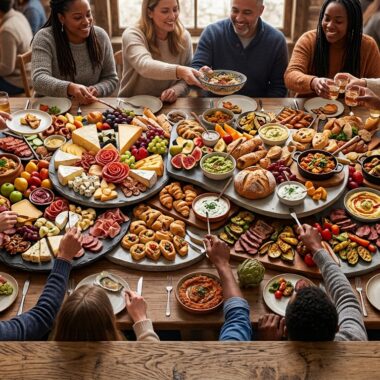
There is a particular kind of ease in gathering around one generous board rather than waiting for individually plated courses. Guests can help themselves, linger over conversation, and return for more without ceremony, yet the presentation still feels considered. That balance between relaxed hospitality and visual polish is precisely why the grazing board has found such a natural home in Pakistani entertaining.
It suits an intimate dinner as easily as it suits a house party or a festive Eid spread. It softens the formality of a sit-down meal while still signalling that thought went into the evening. And perhaps most importantly, the board itself becomes part of the table’s décor, not an accessory to the meal, but a centrepiece in its own right, alongside the linens, the lighting, and the servingware already on display.
The Luxury Platter as the Foundation
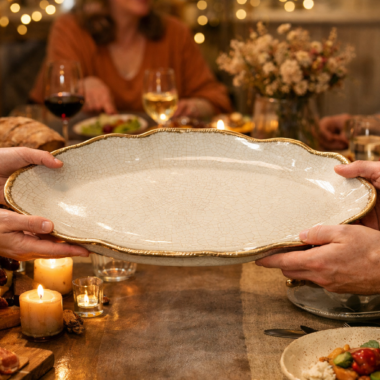
Before any food is chosen, the platter deserves its own consideration. It is the architectural base everything else is built upon, and its size, shape, material, and finish will shape the entire composition.
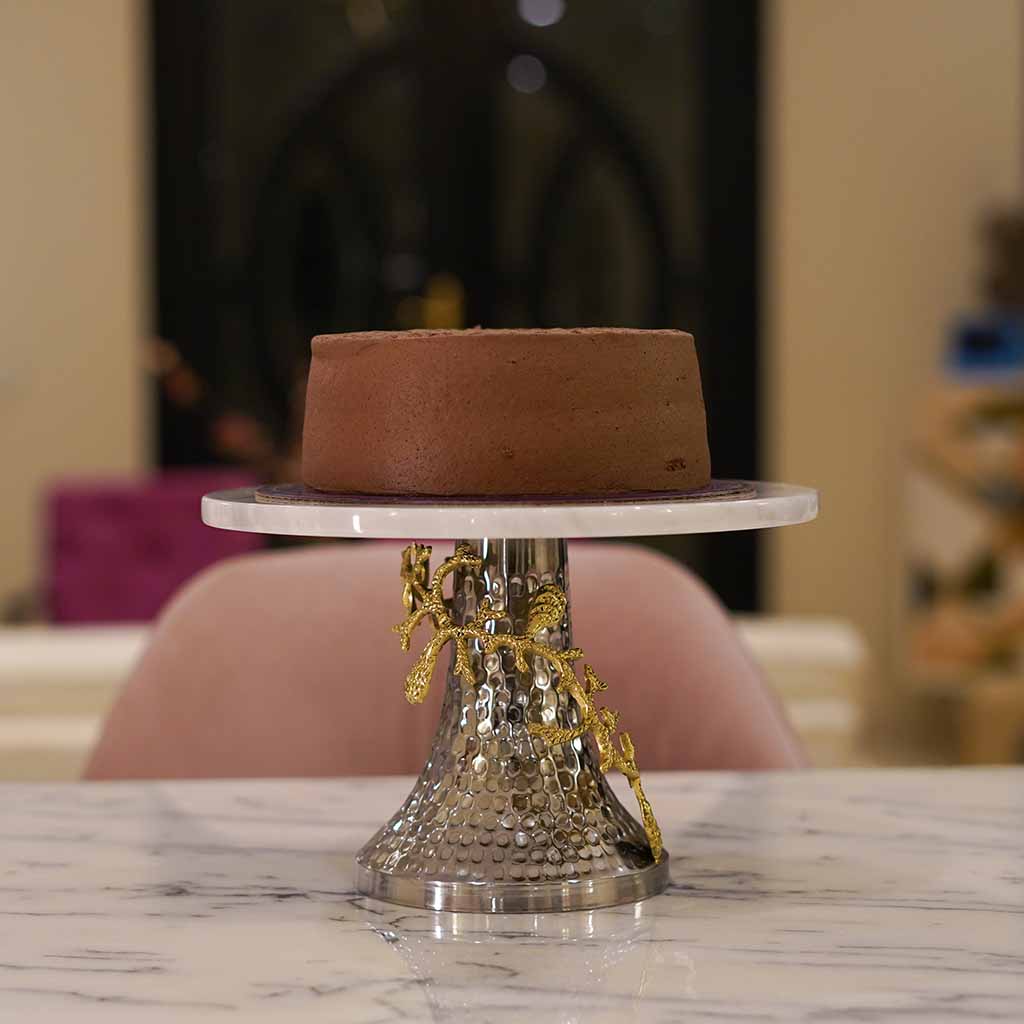
A platter that is too small crowds the food; one that is too large leaves an arrangement looking sparse and unintentional. Rim details matter too, a raised border can contain a generous spread, while a flat, open edge suits a more sculptural, spilling-over style. Colour and surface finish should support the food rather than compete with it, which is why a well-chosen selection of serving platters often does more for a table’s atmosphere than any single ingredient placed on it. For hosts putting together a collection ahead of the season’s gatherings, the growing range of stylish serving platters for sale in Pakistan makes it far easier to find a piece with the right proportions and finish, and the option to buy serving platters online in Pakistan means that search no longer has to mean weeks of shop-hopping.
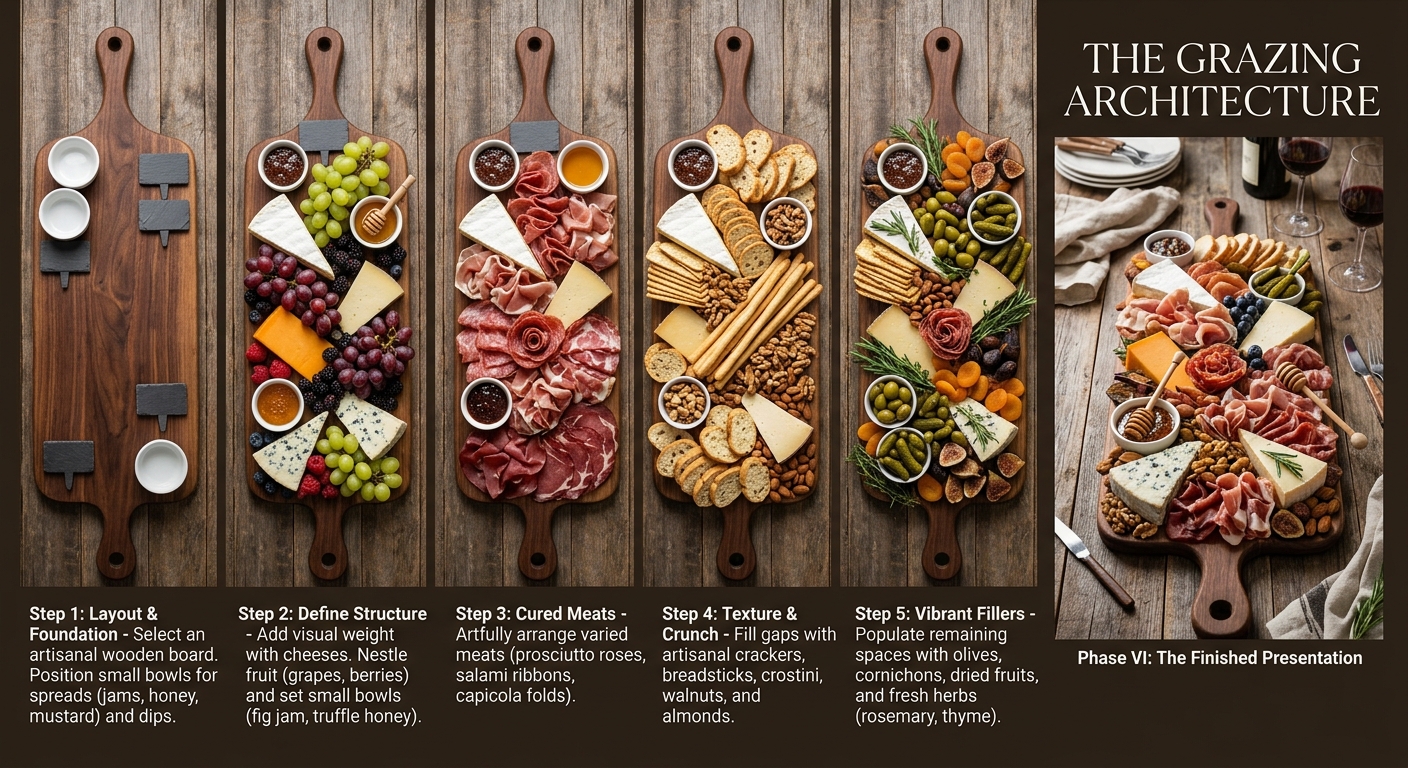
The Architecture of a Great Grazing Board
Step 1: Anchor with Height
Begin with the elements that will draw the eye upward: a small bowl of dip on a raised stand, folded ribbons of cured meat, a cluster of stacked crackers, or a wedge of cheese propped rather than laid flat. These anchor points stop a large platter from reading as flat and give the whole arrangement a sense of dimension at first glance.
Step 2: Build Volume
With height established, fill in the surrounding space with substance, cheeses of varying shapes, crackers, warm bread, fruit, nuts, olives, dried fruit, vegetables, and cured meats where appropriate. The goal is variation in scale rather than uniform blocks of colour; a wedge beside a crumble, a curl beside a cluster, keeps the eye moving rather than resting on repeated shapes.
Step 3: Create Visual Rhythm
Rhythm comes from repetition placed with intention. Echo a fruit’s colour in two or three spots rather than one dense cluster. Set something dark beside another dark note elsewhere on the board so the eye travels between them. Let a soft cheese sit near something crisp, like a cracker or apple slice, so texture contrasts as much as colour does. Avoid letting every striking element gather in a single corner, the board should feel balanced from every angle guests approach it from.
Step 4: Finish with Detail
The final layer is almost like punctuation. Fresh herbs tucked into gaps, a scatter of seeds, a few edible flowers, tiny bowls of honey or preserves, these details complete the composition. They should feel like a finishing flourish rather than an afterthought, and restraint matters here just as much as generosity did earlier.
Material Pairing: Matching the Platter to the Board
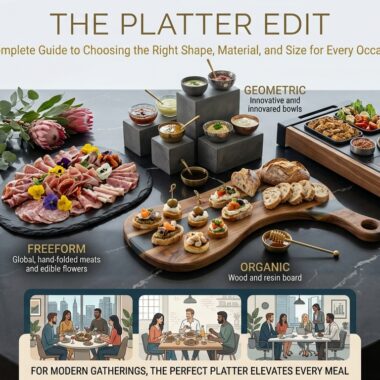
Marble lends itself to cool, minimalist compositions, pale cheeses, fresh fruit, and clean lines that suit a contemporary table. Its natural veining works almost like a quiet background pattern, giving the arrangement depth without adding visual noise.
Dark stone, by contrast, creates a richer, more dramatic mood. Bright fruit, pale bread, and soft cheeses stand out beautifully against a darker surface, lending the board a sense of abundance and warmth that suits a more festive occasion. Choosing between the two is less about which is superior and more about which visual story your table is telling that evening.
Negative Space and Abundance
A board that looks generous is not the same as a board with every inch covered. Leaving small areas of visible platter gives the eye somewhere to rest and allows individual ingredients room to be appreciated rather than lost in a crowd. A useful rule of thumb: if you can no longer identify the shape of any single element without hesitation, the board is too full. Abundance, at its best, still breathes.
Designer Serving Tools and the Finishing Layer
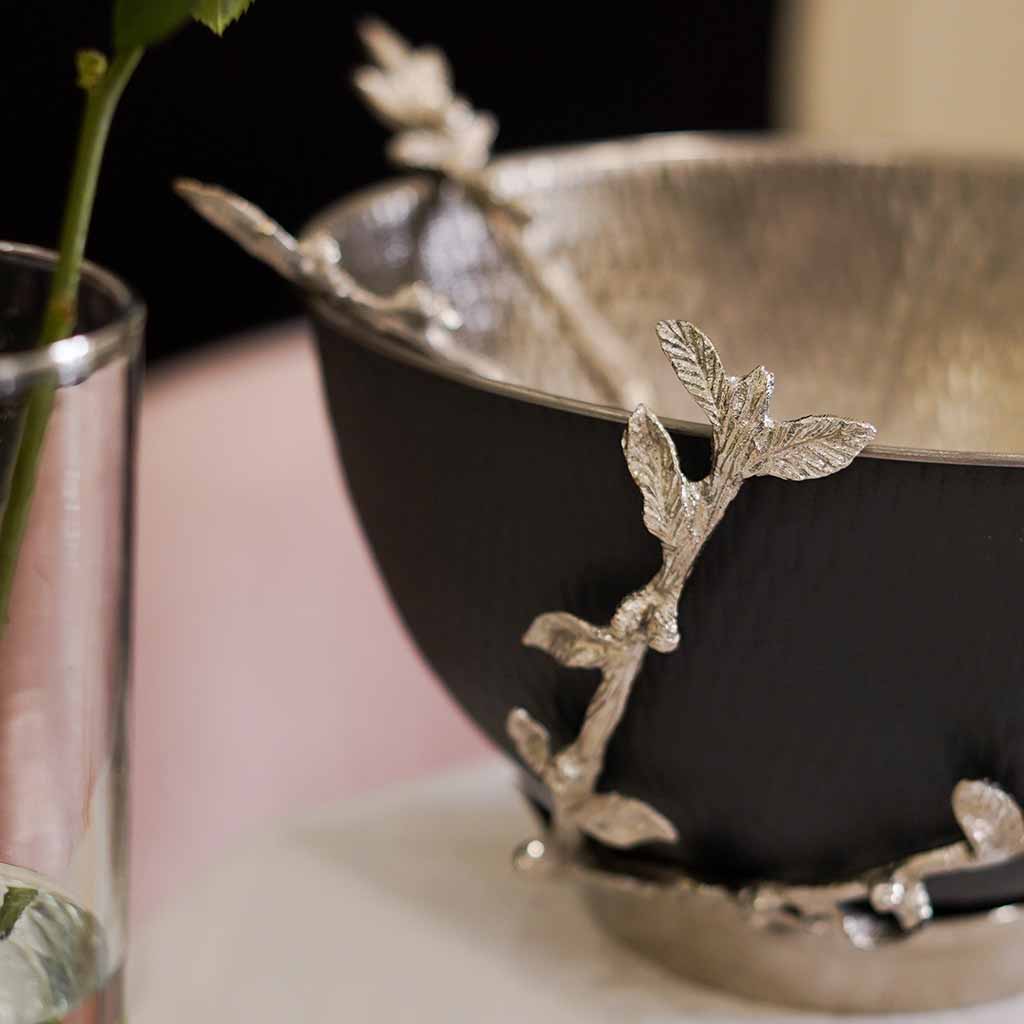
The tools placed alongside the board are part of its presentation, not separate from it. A well-chosen cheese knife, a small pair of tongs, or a delicate serving spoon can echo the platter’s material or tone rather than simply sitting beside it as an afterthought. Increasingly, hosts are building coordinated entertaining collections by choosing designer serving utensils for dining that match their platters in finish and character, and with the option to buy serving utensils online in Pakistan, assembling that collection has become far more convenient than it once was.
One Platter, Two Lives
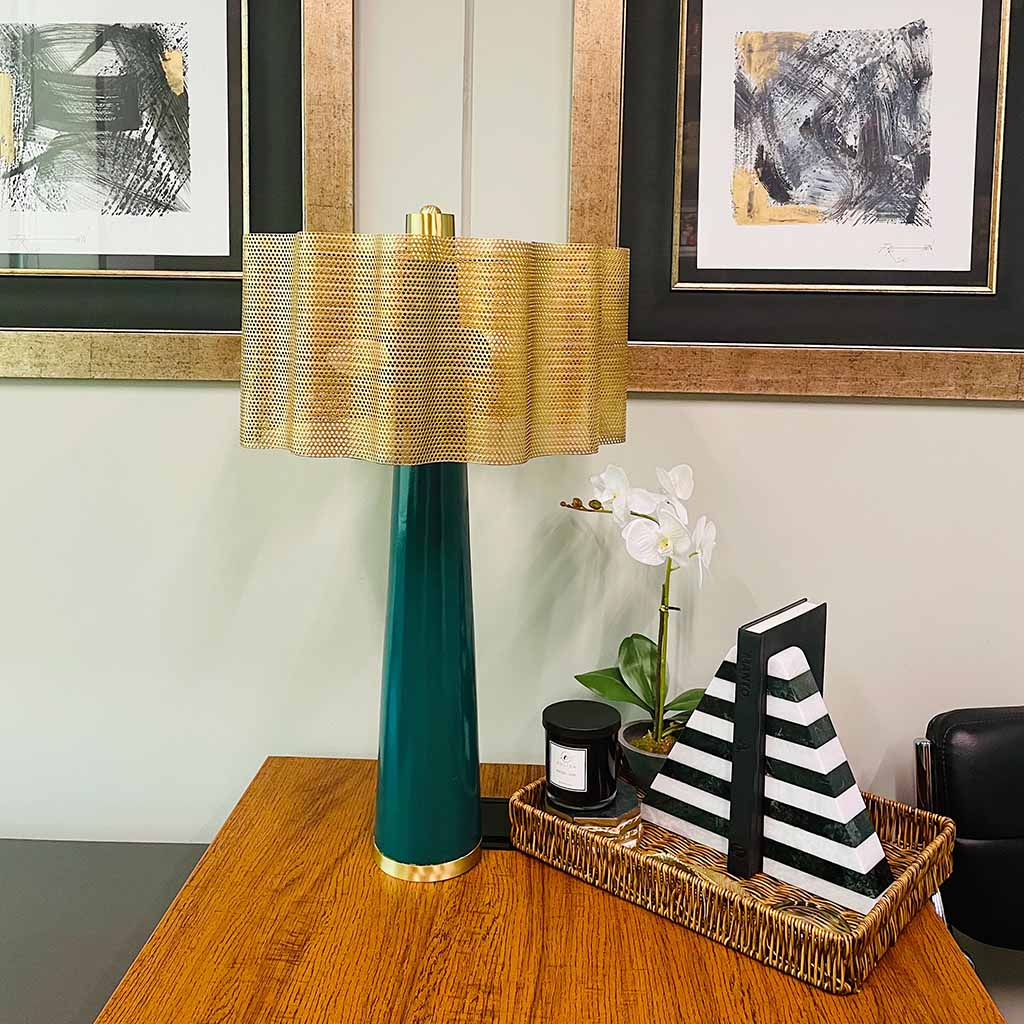
Once the last guest has gone and the board has been cleared, a well-designed platter does not need to disappear into a cupboard. The same marble or stone surface that held cheese and fruit an hour earlier can just as easily hold a small stack of books, a cluster of candles, or a seasonal display of decorative objects on a coffee table. This is functional luxury in its truest sense, a piece considered beautiful enough to remain part of the room, whether it is serving guests or simply sitting in quiet view. It is a philosophy Creo Living designs around consistently, treating everyday serveware, furniture, and décor as objects worth living with, not just using.
For those looking to buy serving platters online in Pakistan, Creo Living offers a considered edit of pieces designed to elevate every gathering. Step into a collection of home décor, furniture, and serveware built to hold a moment, and to stay beautiful long after it has passed.
FAQs
1. How do I start building a luxury charcuterie board?
A: Begin with the platter itself, choosing a size and material that suits your table. From there, anchor the board with a few taller elements before filling in volume and finishing with smaller details like herbs and nuts.
2. Which platter material works best for a grazing board?
A: It depends on the mood you want. Marble suits a lighter, more minimal spread, while dark stone creates a richer, more dramatic backdrop for colourful ingredients.
3. How do I make a grazing board look abundant without overcrowding it?
A: Leave small areas of visible platter between clusters of food rather than filling every gap. If individual ingredients start losing their shape, pull back.
4. Can a serving platter be used as home décor after entertaining?
A: Yes, and it often should be. A well-designed platter can hold candles, books, or decorative objects, transitioning easily from the dinner table to a permanent spot on a shelf or coffee table.