

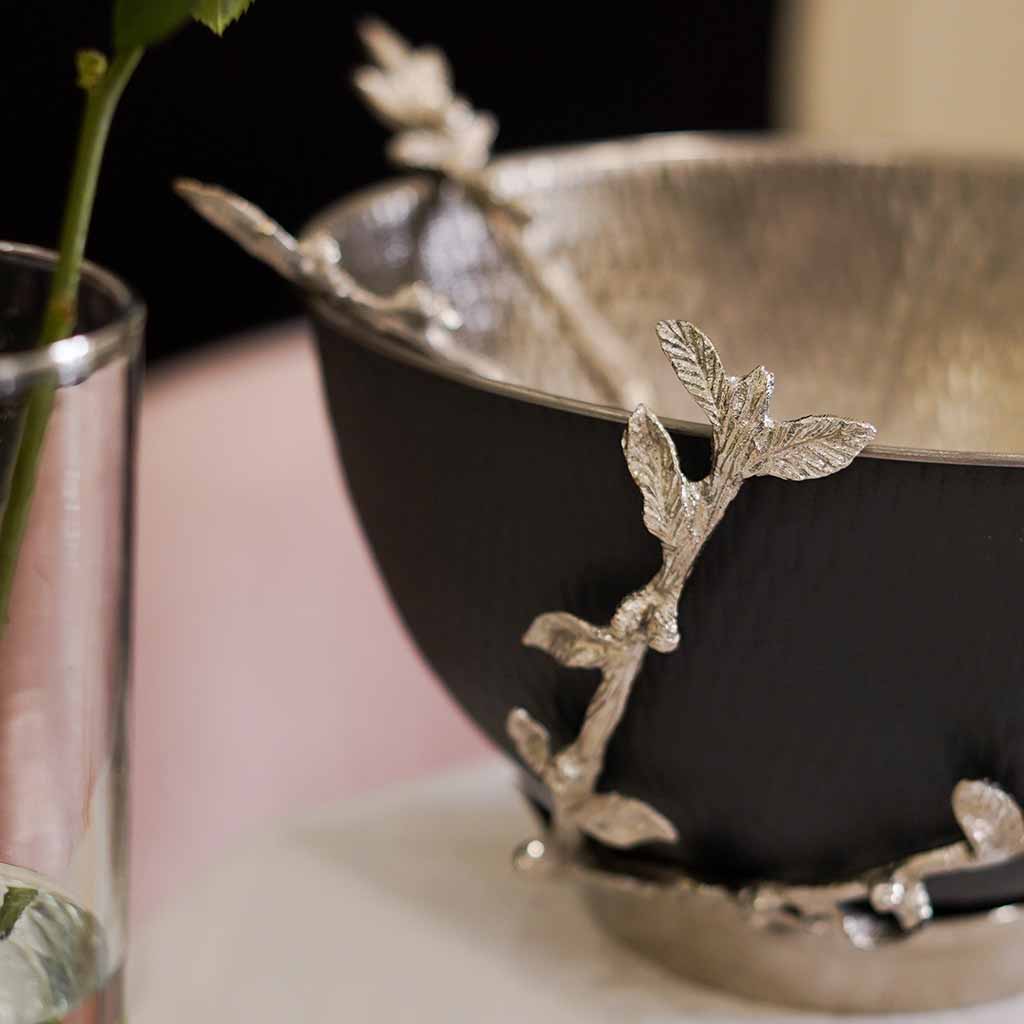



Line up twelve tealights along a console and watch what actually happens to the room. You expect twelve small moments of warmth. What you usually get is one smeared band of light, repetition so even that the eye stops reading individual objects and begins reading a pattern. Nothing is emphasised, because everything is.
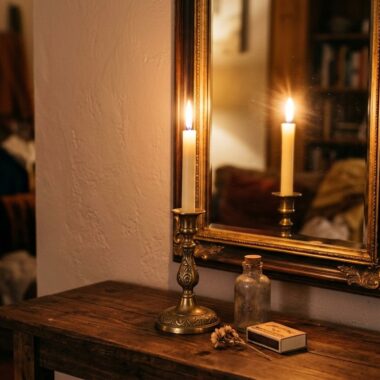
Now take eleven of them away. Leave one stand, taller than feels strictly necessary, set slightly off-centre, with clear surface on either side of it. The room changes. There is finally somewhere for the eye to land.
That gap between what we expect from candlelight and what it actually does is the subject of this piece. Call it Single Flame Theory, not a scientific law, and not an established doctrine, but an editorial way of naming something stylists do by instinct: the power of a candle stand lies less in how much light it produces than in where the eye finds it.
Why More Candlelight Doesn’t Always Mean More Atmosphere
Designers describe emphasis as a relative quality. One element can only stand out if something else steps back and becomes its background. When everything in a composition competes at the same volume, nothing is heard.
Candles are unusually good at defeating this principle. They are small, self-similar, inexpensive in multiples, and therefore tend to be distributed rather than placed. Scattered across a sideboard, a coffee table and two windowsills, they create busyness rather than atmosphere, visual noise that the eye skims and then abandons.
A single stand behaves differently. It is an object before it is a light source: silhouette, height, material, shadow. It asks to be looked at, not scanned past.
This is not an argument that one is always correct. It is an argument that quantity is the laziest of the tools available to you, and placement is the most powerful.
The Focal Point Rule
Every room already contains anchors, a window, a fireplace, a painting, the dining setting itself. Good interiors usually work with several points of interest arranged in a hierarchy: one primary anchor, then quieter secondary moments that carry the eye onward.
A candle stand rarely wins an argument with a fireplace. It performs best in the pause between anchors, in the position where the eye naturally rests after it has taken in the main event.
Depending on the room, that resting point might be:
- A console table in an entryway
- The centre of a dining table
- A sideboard beneath artwork
- A quiet corner with no functional purpose
- The end of a hallway, closing a long sightline
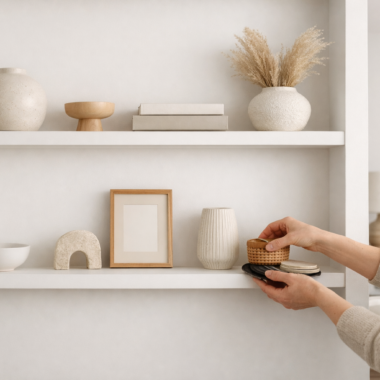
- A shelf that already holds one or two considered objects
No single location is universally right. Architecture, sightlines, furniture arrangement, scale, existing light sources, and available negative space all decide it. The useful test is simple: does the piece complete the composition, or compete with it?
Finding the Room’s Natural Resting Point
A practical method, the kind a stylist would actually walk a client through:
- Stand at the main entrance. Notice where your eye goes first, without directing it. That is your primary anchor, and it is usually not where the candle stand belongs.
- Name the strongest existing element. Artwork, a window, a chandelier, the table itself. Work around it rather than against it.
- Look for the area that feels unfinished. Most rooms have one surface or corner that reads as unresolved. This is often where a solitary piece does its best work.
- Test the breathing room. Clear everything within roughly a hand’s span around the stand and see whether the object gains authority. If it does, leave it cleared.
- Walk the room again. A stand that looks composed from the doorway can look stranded from the sofa. Check it seated, standing, and from the adjoining room.
Material Weight: Brass Anchors, Glass Floats, Stone Grounds
Here is where a single piece either succeeds or quietly fails. Materials carry what designers call perceived visual weight, the sense of mass an object projects, which is not the same as what it weighs.
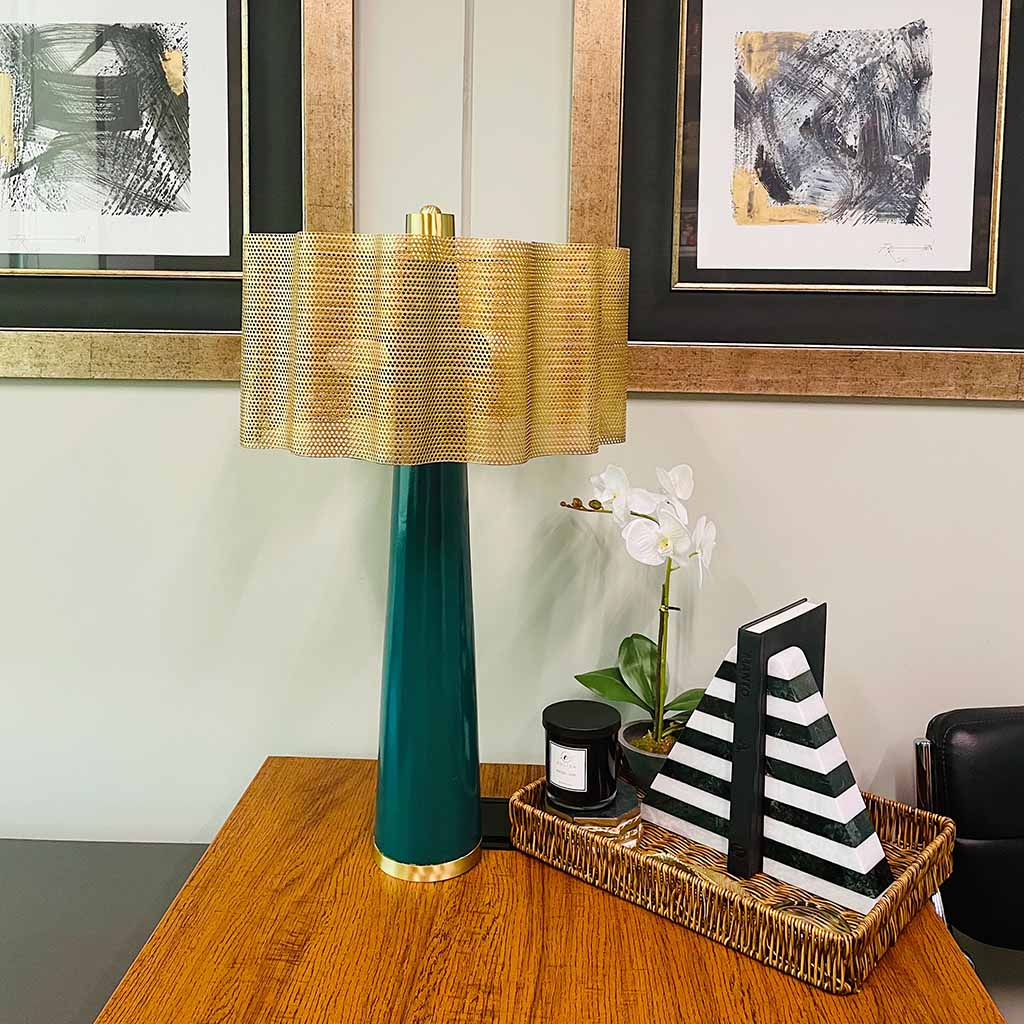
- Brass: Tends to read warm and substantial. It catches flame-light and returns it, so the object stays visible even at low light levels, and it anchors a surface without needing much height.
- Glass: Tends to float. It transmits rather than blocks, and it preserves sightlines, which is useful on a narrow table but can make a piece disappear against a pale wall.
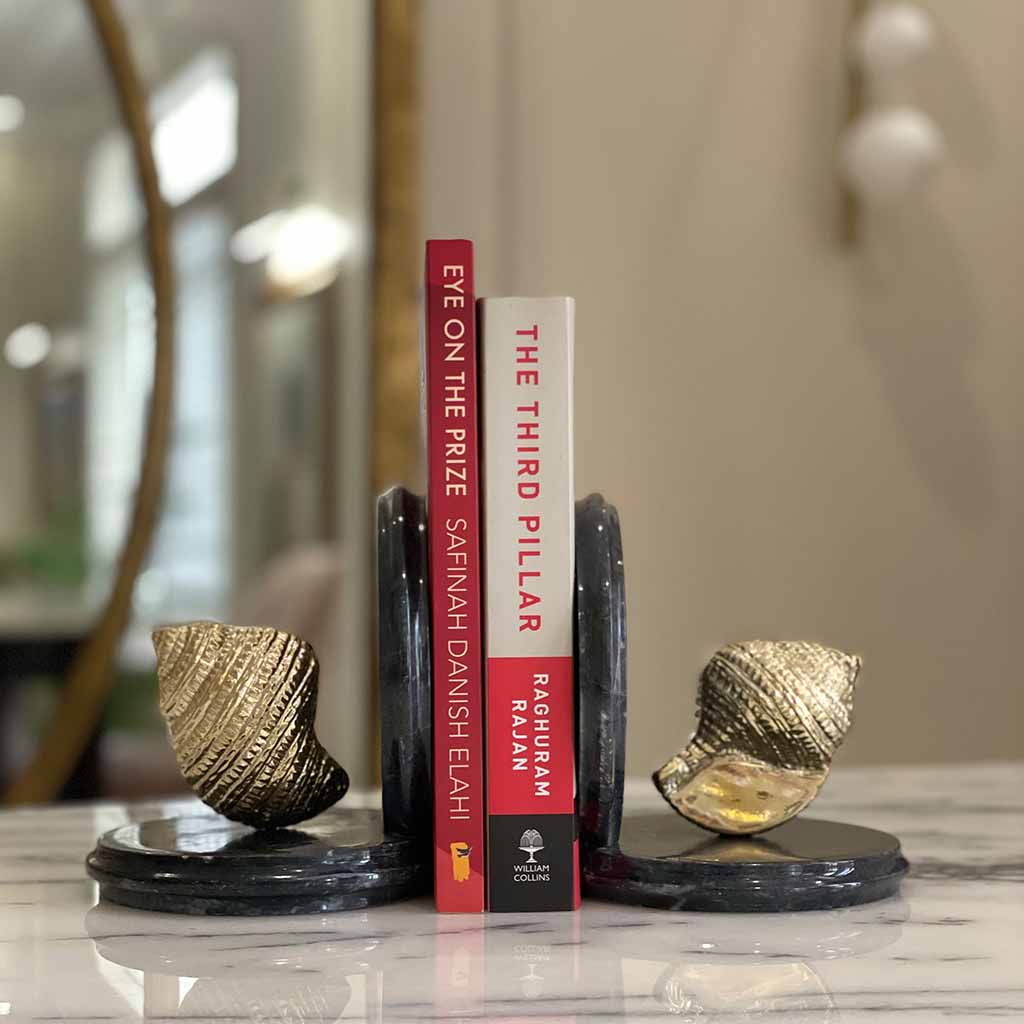
- Marble and Stone: Feel grounded and architectural. Veining gives the eye something to travel across, and mass suggests permanence, which is partly why marble candle stands Pakistan buyers gravitate toward tend to hold their own against heavy dining furniture and stone flooring.
- Metal (Matte/Blackened): Creates definition and line, behaving more like drawing than mass.
None of these are absolutes. Colour, finish, thickness, form, reflectivity, scale and surrounding décor all shift the effect. But the tendency is consistent enough to be useful: one visually heavy object frequently commands more authority than several light ones, which is the quiet logic behind most luxury candle stands Pakistan showrooms display alone rather than in rows.
Candle Stands for Table Decor: The Single-Statement Approach
Tabletops are the least forgiving surfaces in the house, because people have to look across them at each other.
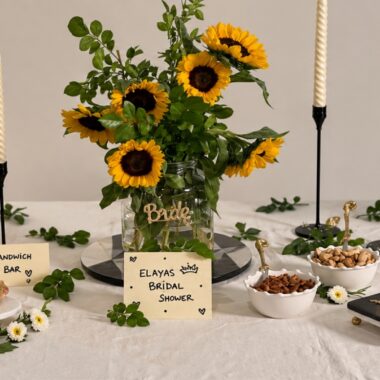
When choosing candle stands for table decor, scale matters more than style. On a dining table, a centrepiece that sits in the sightline between facing guests will be moved within ten minutes of service, so a single stand works best when it is either clearly below eye level or tall and narrow enough for conversation to pass beneath it.
Also consider table width. A narrow table can take one vertical accent and little else; a wide one can hold a stand alongside a low floral arrangement without crowding. And remember what else is coming: serving dishes, glassware, a dessert course. A single stand leaves room for the meal to happen.
On coffee tables, console tables, sideboards, and entryway surfaces, the restriction lifts and height becomes an asset rather than an obstacle.
Designer Candle Holders and the Role of the Statement Object
The best sculptural pieces function like small artworks that happen to hold a flame. This is why designer candle holders for home decor are worth treating as an investment in composition rather than an accessory purchase.
What to look at:
- Silhouette against the wall behind it
- The shadow it throws when lit
- The proportion between base and stem
- The way the finish behaves in daylight as well as at night
Ornamentation is rarely the deciding factor. Simple geometry, one strong material, and correct placement will outperform an elaborate piece standing in the wrong spot.
When a Grouped Arrangement Makes More Sense
- Single Stand: Suits minimalist interiors, contemporary dining rooms, small tables, console styling, formal spaces, and any room that already has a commanding focal point.
- Grouped Arrangement: Makes better sense for long banquet tables, wedding receptions, outdoor entertaining, large architectural volumes, and festive gatherings where repetition is deliberately part of the design language.
A dawat for thirty people on a twelve-seat table is not the moment for restraint, rhythm along the length of the table does real work there.
The distinction is about space, occasion, and intended atmosphere. Intimacy tends to reward singularity; celebration often rewards repetition.
The Beauty of Negative Space
The empty surface around a statement piece is not leftover area. It is part of the composition, and it is doing the work of telling the eye what matters.
Crowding a strong object with smaller ones dilutes hierarchy, flattens the surface, and reduces the perceived importance of every piece present, including the good one. Clear space does the opposite. It reads as a decision.
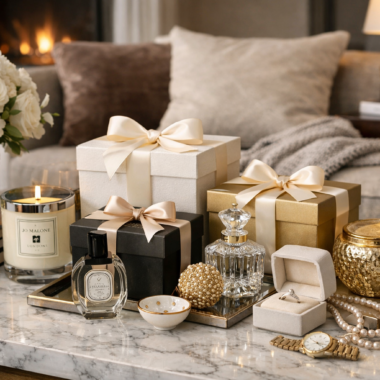
Think of how a jeweller presents a single ring: not because there is nothing else in the case, but because emptiness is the fastest way to communicate value.
From Statement Piece to Everyday Home Décor
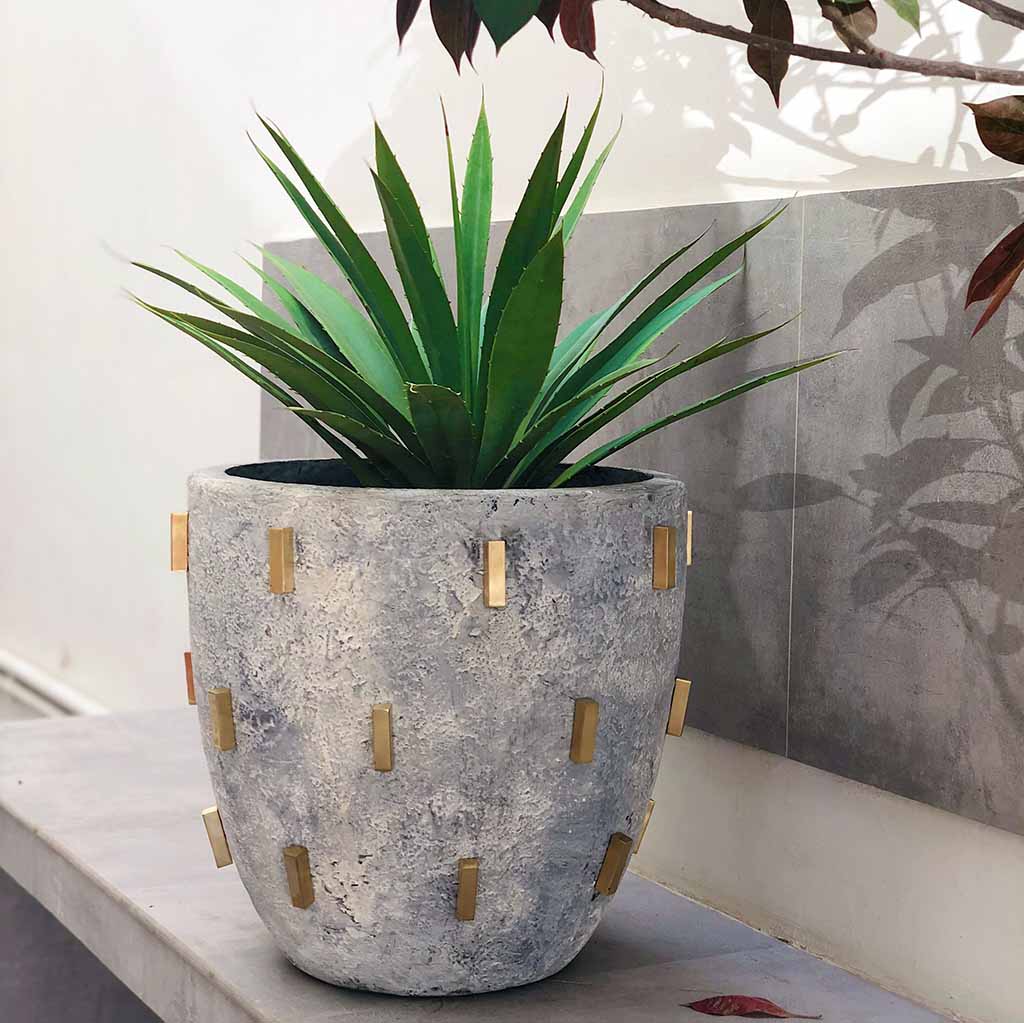
The same principle extends well past entertaining. Decorative candle stands for home use move easily between roles, a dining centrepiece for a formal dinner, an entryway accent on ordinary weeks, a console feature during Eid, a quiet living-room object the rest of the year.
Choosing a timeless material and a versatile silhouette is what makes that mobility possible. A sculptural stand in marble or brass survives changes of season and room in a way that occasion-specific styling rarely does. Creo Living approaches décor from this angle, with pieces that sit comfortably across home styling, gifting, and entertaining, alongside furniture, lamps, and serveware built for contemporary interiors.
In Closing
Decorating is often treated as an accumulation problem: add until the room feels finished. Single Flame Theory suggests the opposite discipline. Subtract until one thing is unmistakably the point, then give it enough space to be believed.
A room does not become atmospheric because it holds more light. It becomes atmospheric when the light has somewhere meaningful to be.
Creo Living brings together décor, furniture, lamps, serveware, and considered gifting for contemporary homes. Browse the collection online and find the one piece your room has been waiting for.
FAQs
1. Is one candle stand enough for a dining table?
A: Often, yes, particularly on tables seating six or fewer, where a single stand provides vertical interest without obstructing conversation. Longer tables and larger gatherings usually benefit from a rhythm of pieces along the length. The deciding factors are table width, guest sightlines, and how much serving space the meal requires.
2. Where should I place a single candle stand?
A: Look for the spot where the eye naturally rests after taking in the room’s main feature, a console, a sideboard, the end of a sightline, or a surface that feels unresolved. Give it clear space on all sides so it reads as intentional. Then check it from at least two other positions in the room before committing.
3. Which material works best for a statement candle stand?
A: It depends on what the room needs. Marble and stone ground a space and hold their own against heavy furniture; brass adds warmth and reflects flame-light; glass keeps sightlines open in tighter rooms; matte metal adds line and definition. Match the material to the visual weight the surface can carry.
4. Can decorative candle stands be used as permanent home décor?
A: Yes, a sculptural stand functions as an object whether or not a candle is burning. Choosing a neutral material and a simple silhouette allows the same piece to work as an everyday console accent, a festive centrepiece and a dinner-party feature. That versatility is what separates a lasting piece from event styling.