



For decades, storage furniture lived a quiet, unglamorous existence. Its purpose was concealment, closed doors, solid panels, and the unspoken agreement that whatever sat behind them was best left unseen. But interior design has undergone a fundamental shift. The modern home no longer hides its objects of value, it displays them with confidence.
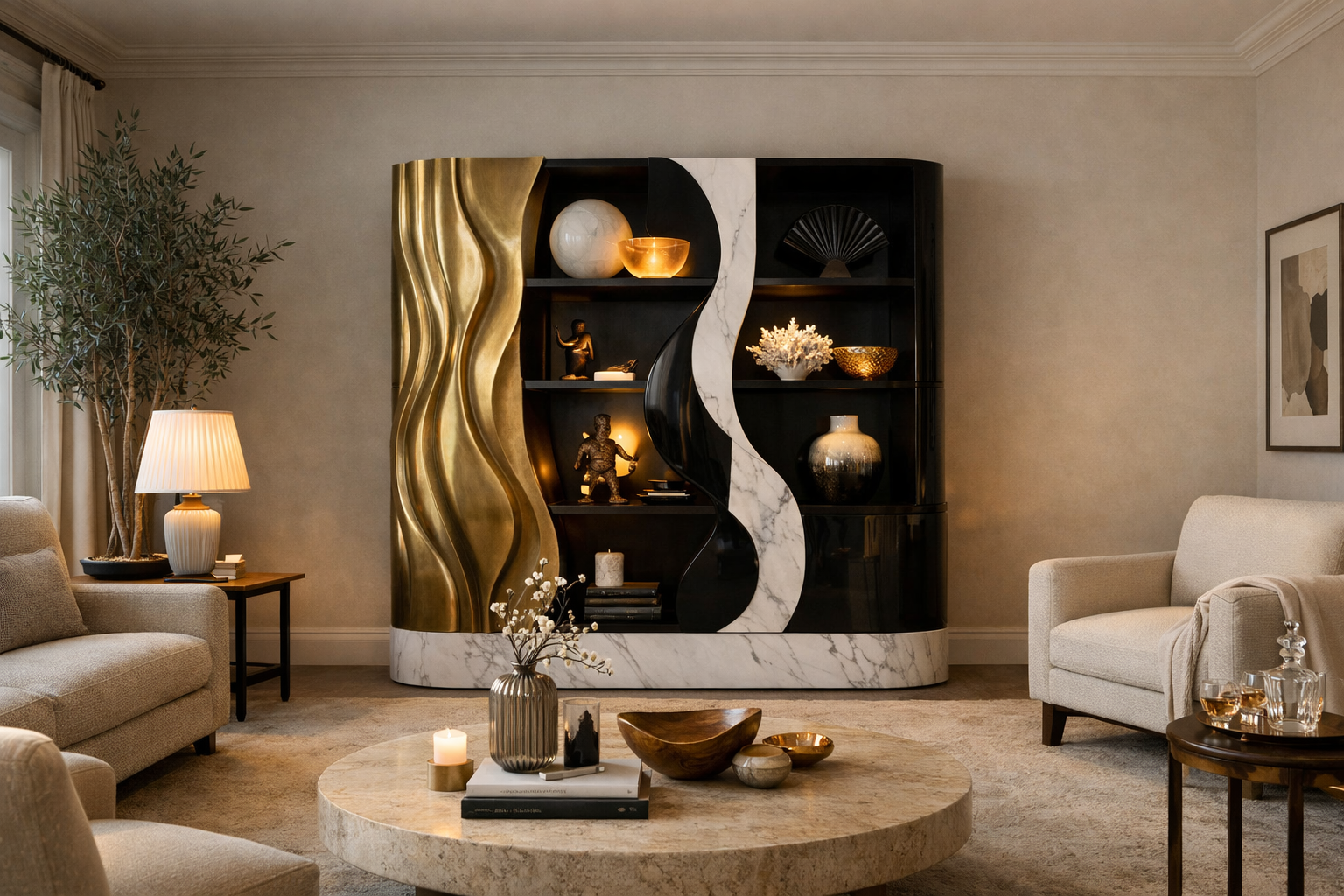
The statement cabinet exists at the centre of this shift. It is no longer a box that swallows clutter. It is a curated gallery, a piece of furniture-as-art that holds equal weight to a sculptural lamp or a designer accent table. The question facing today’s homeowner is not where to hide things, it is what deserves to be seen.
The Art of the Reveal: Styling Glass-Front and Open Shelves
A glass-front cabinet is, in essence, a permanently lit display case. Styling it well requires the same discipline as curating a gallery wall, restraint, rhythm, and deliberate spacing.
The Visual Pacing Formula
- Leave breathing room. Never fill a shelf edge-to-edge. Aim for roughly 40% negative space per shelf, emptiness is what allows individual pieces to be seen, not lost
- Layer in depth, not just width. Place a taller object toward the back of the shelf and a smaller one slightly forward, creating dimensionality rather than a flat row of items
- Balance heavy with delicate. Pair a substantial stone vase or sculptural object with something visually light, a slim ceramic, a small framed piece, to prevent any single shelf from feeling top-heavy
- Vary the height across shelves. Avoid placing objects of identical height on consecutive shelves; the eye should travel upward and downward in gentle, varied increments
- Anchor with one statement piece per shelf. Every shelf needs a single object that commands primary attention, everything else exists in support of it
Glass front cabinets, by their very transparency, demand more editorial discipline than closed storage. What you choose to place behind glass becomes a permanent, visible statement about your taste. Treat each shelf as a sentence, not a paragraph.
The Designer’s Dichotomy: What to Display, What to Conceal
Every statement cabinet should perform two roles simultaneously, gallery and storage, and knowing which objects belong to which side is essential.
Worthy of the Spotlight
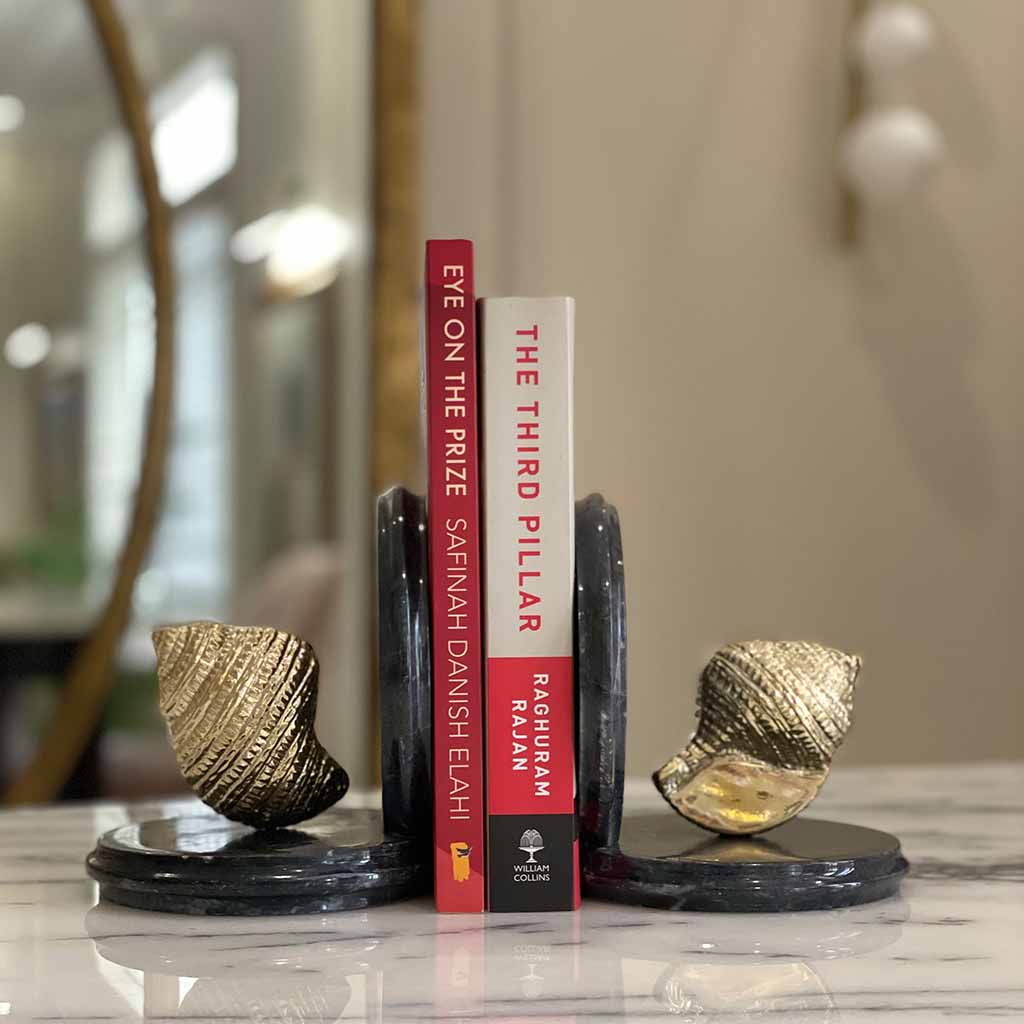
- Editorial coffee table books are displayed both upright and stacked horizontally
- Artisanal ceramics and hand-finished pottery with visible texture and craftsmanship
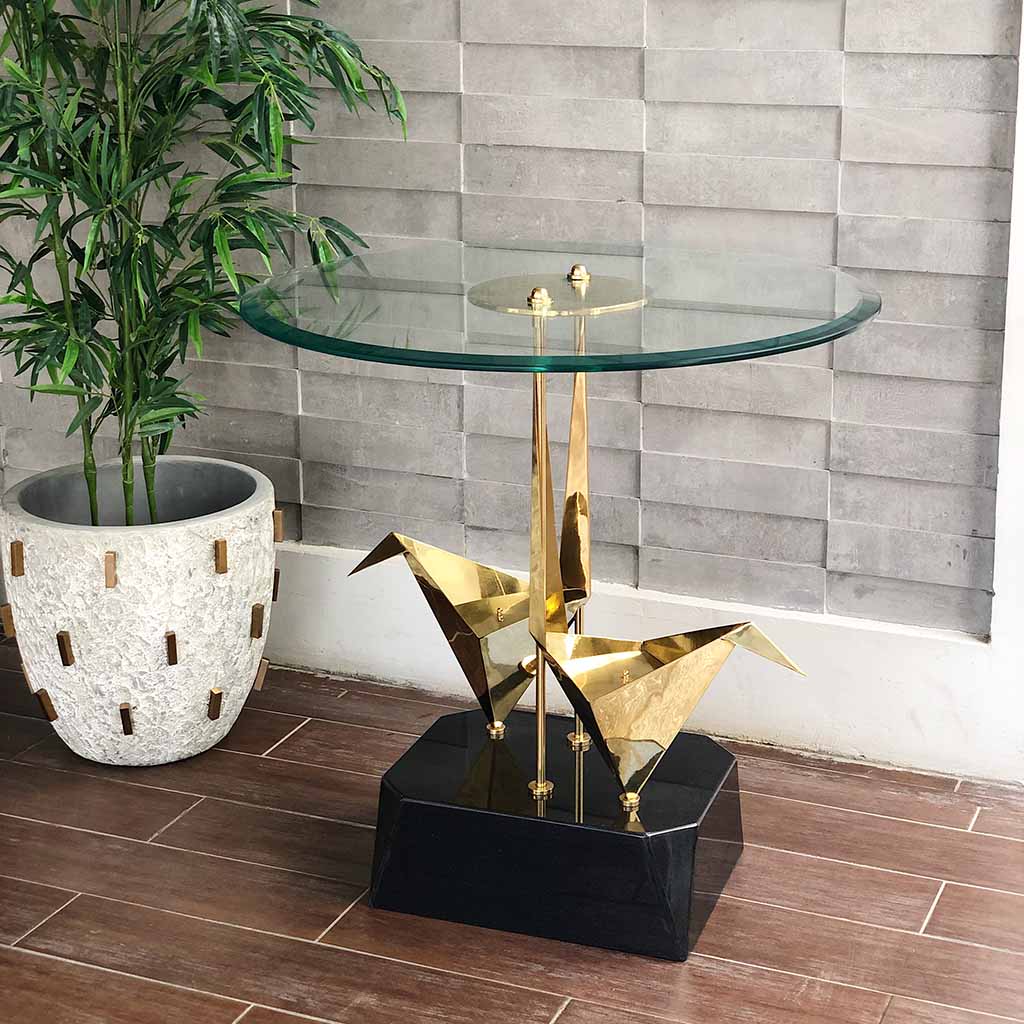
- Sculptural serveware, a striking bowl, a brass candle stand, an object that holds no function beyond beauty
- Curated glassware collections, particularly in the dining room context
- Small framed art or photography, leaned rather than hung
Best Kept Behind Closed Drawers
- Loose paperwork, cables, and tech accessories
- Everyday tableware is used in daily rotation rather than for display
- Linens, table runners, and seasonal textiles
- Remote controls, chargers, and the general detritus of modern domestic life
The most successful statement cabinet designs offer both, open or glass-fronted sections above for curated display, and solid, closed drawers below for the practical realities of daily living. This duality is precisely what separates a thoughtfully designed piece from either a sterile showcase or a cluttered catch-all.
Room Dynamics: Living Room vs. Dining Room Architecture
A cabinet’s purpose shifts entirely depending on which room it occupies, and styling it correctly requires understanding that distinction.
In the Living Room
Here, the cabinet speaks to lifestyle and personality. Those who buy living room cabinets online are typically seeking a piece that tells a personal story:
- Family photography mixed with travel mementos and personal collections
- A warmer, more layered styling approach, books read and re-read, objects gathered over years rather than purchased for the occasion
- Lower visual formality, allowing for asymmetry and a lived-in sense of curation
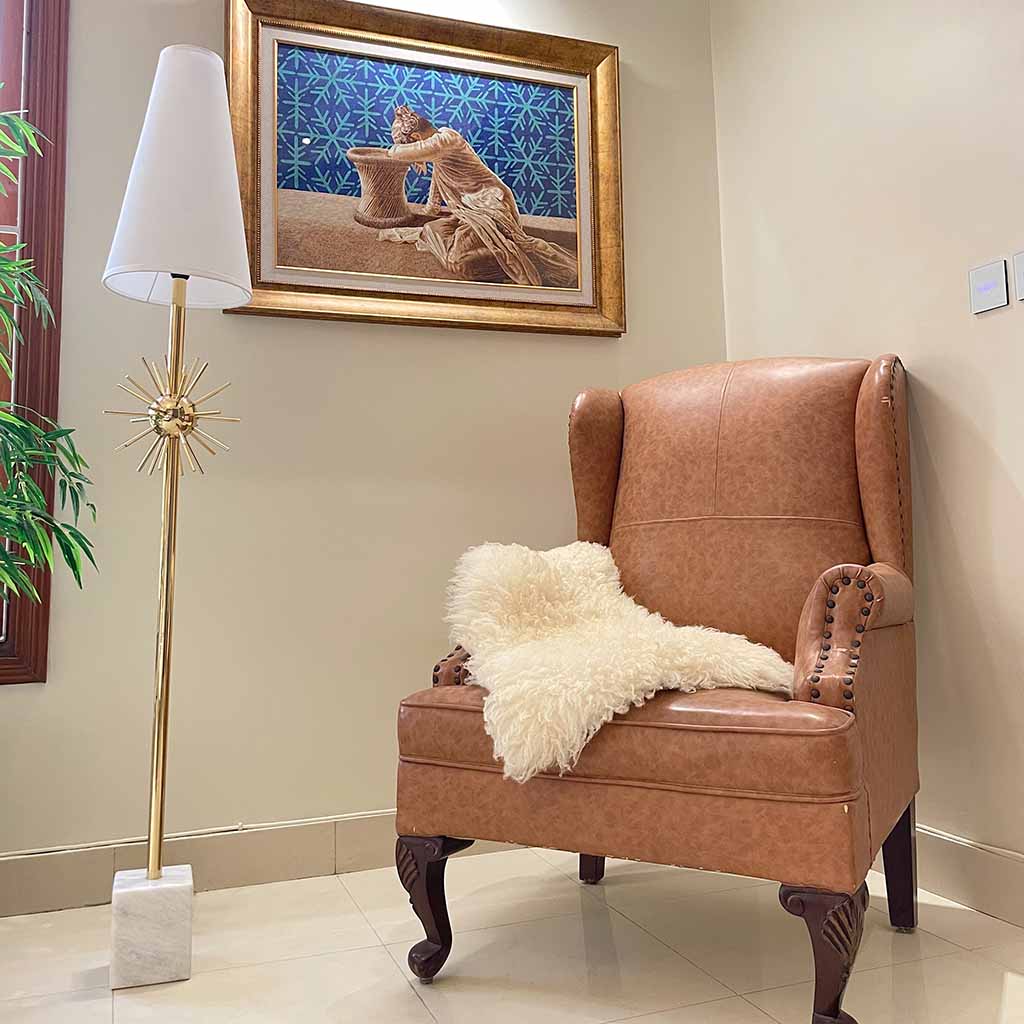
- Placement as a focal wall opposite or adjacent to the primary seating arrangement, often paired with a floor lamp for evening ambiance
In the Dining Room
The dining room cabinet operates under an entirely different brief, one of hosting, theatre, and culinary luxury:
- Luxury glassware, crystal decanters, and fine china take centre stage, often lit from within if the cabinet allows
- Symmetry and formality matter more here than in the living room; pairs of objects create a sense of ceremony
- The cabinet becomes a staging ground for entertaining, easily accessible serveware stored just steps from the table
- This is where luxury furniture Pakistan interiors most often invest in a true showpiece, as the dining room cabinet is frequently the room’s single largest furniture statement
Harmonizing the Space: Coordinating Without Overwhelming
A large cabinet carries inherent visual weight, and managing that weight relative to the rest of the room determines whether it reads as commanding or chaotic.
- Match wood tones with intention, not exactness. The cabinet’s finish need not match every other wooden piece in the room, but it should share an undertone, warm with warm, cool with cool
- Let the cabinet anchor, not compete. If the cabinet is visually rich, dark wood, brass hardware, and glass detailing, the surrounding furniture should simplify in response, allowing the sofa or accent chairs to recede slightly
- Use floor lighting to soften scale. A floor lamp positioned beside or near a large cabinet breaks up its visual mass and prevents the piece from reading as a single imposing block
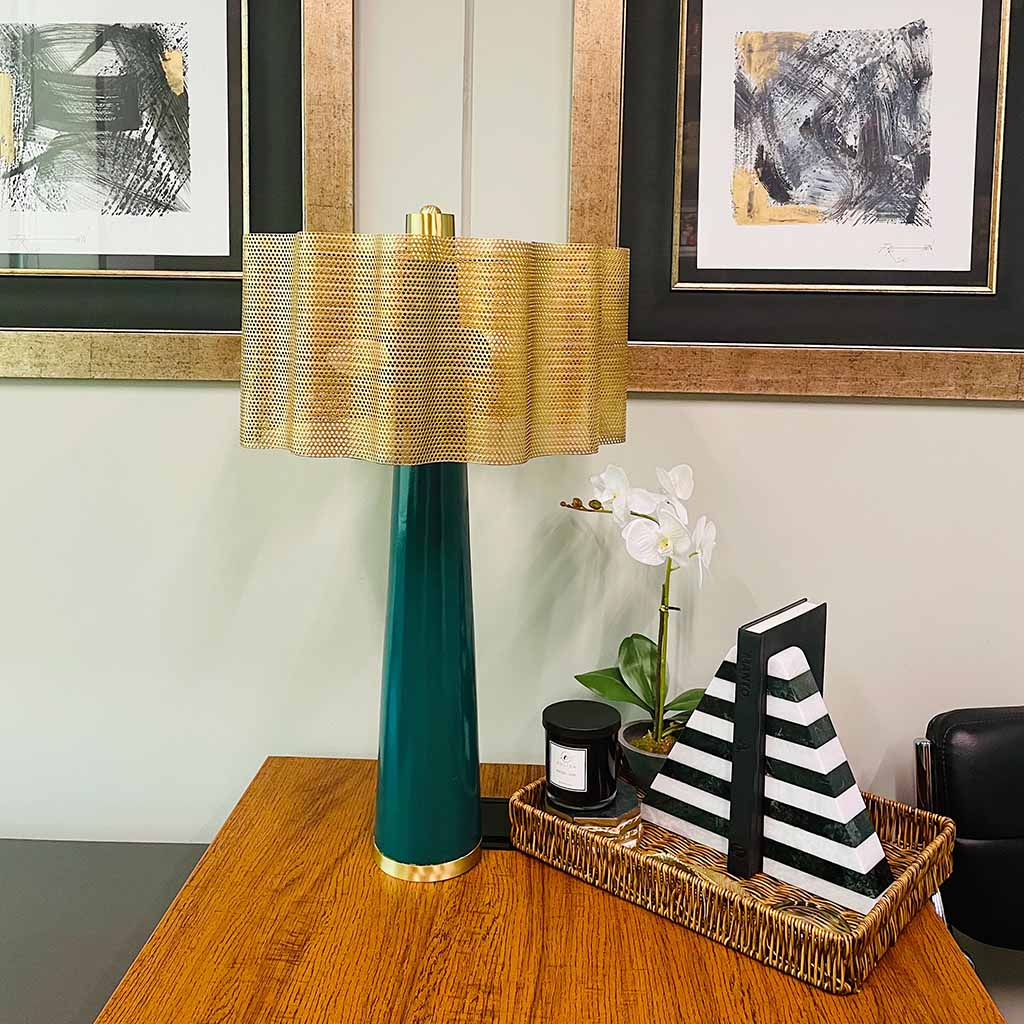
- Repeat one material elsewhere in the room. A brass cabinet handle echoed in a nearby candle stand or lamp base ties the statement piece into the room’s broader material language
- Respect the proportional scale. A cabinet’s width should generally not exceed 60–70% of the wall it occupies, preserving enough negative space for the room to breathe around it
Unveil the full collection of statement cabinets, premium furniture, lamps, and home décor at pk.creoliving.com, where every piece is chosen to elevate the way you live. Welcome a cabinet built to hold both your everyday and your most treasured objects, and acquire storage that finally earns its place in the room.
FAQs
Q: What is the ideal depth for a statement cabinet in a living room?
A: A depth of 40–45 cm typically balances storage capacity with spatial efficiency, allowing the cabinet to hold a meaningful display without protruding awkwardly into the room’s walking paths.
Q: How many objects should I display on each cabinet shelf to avoid clutter?
A: Limit each shelf to three to five objects of varying height and visual weight. Beyond this, the composition begins to compete with itself, and the eye loses its ability to identify a clear focal point.
Q: Can I mix different wood finishes between my cabinet and other furniture pieces?
A: Yes, provided the undertones align, pairing warm woods with other warm woods or cool-toned finishes together. A shared undertone allows different wood species and grain patterns to coexist without visual conflict.
Q: Should glass front cabinet shelves be lit from within?
A: Internal lighting elevates a glass-fronted cabinet considerably, particularly for displaying glassware, ceramics, or sculptural objects in the evening. Soft, warm LED strip lighting along the shelf edges achieves this without overwhelming the objects on display.