


There is a particular kind of stillness that settles into a room when a living thing is placed inside it thoughtfully. Not a trailing vine crammed into a forgotten corner, but a considered arrangement, a wide-leafed fiddle fig anchoring a console table, a cluster of sculptural succulents punctuating a bedroom shelf, a towering monstera claiming its rightful place beside a floor-to-ceiling window. In the most beautifully designed homes across Karachi, Lahore, and Islamabad, indoor greenery is never an afterthought. It is part of the room’s spatial logic.
The vessel matters as much as the plant it holds. A premium planter does not merely contain soil, it introduces material, weight, and personality to a space. When chosen well, it functions as a sculptural object that simply happens to support life. That distinction, between placing a plant and designing with one, is where this guide begins.
Curating First Impressions: Entryways and Living Rooms
The entry of a home sets an atmospheric promise that every room that follows either keeps or breaks. A poorly considered entryway tells guests the design ends at the door. A beautifully anchored one, structured, sensory, and deliberately layered, communicates that every inch of this space has been considered with intention.
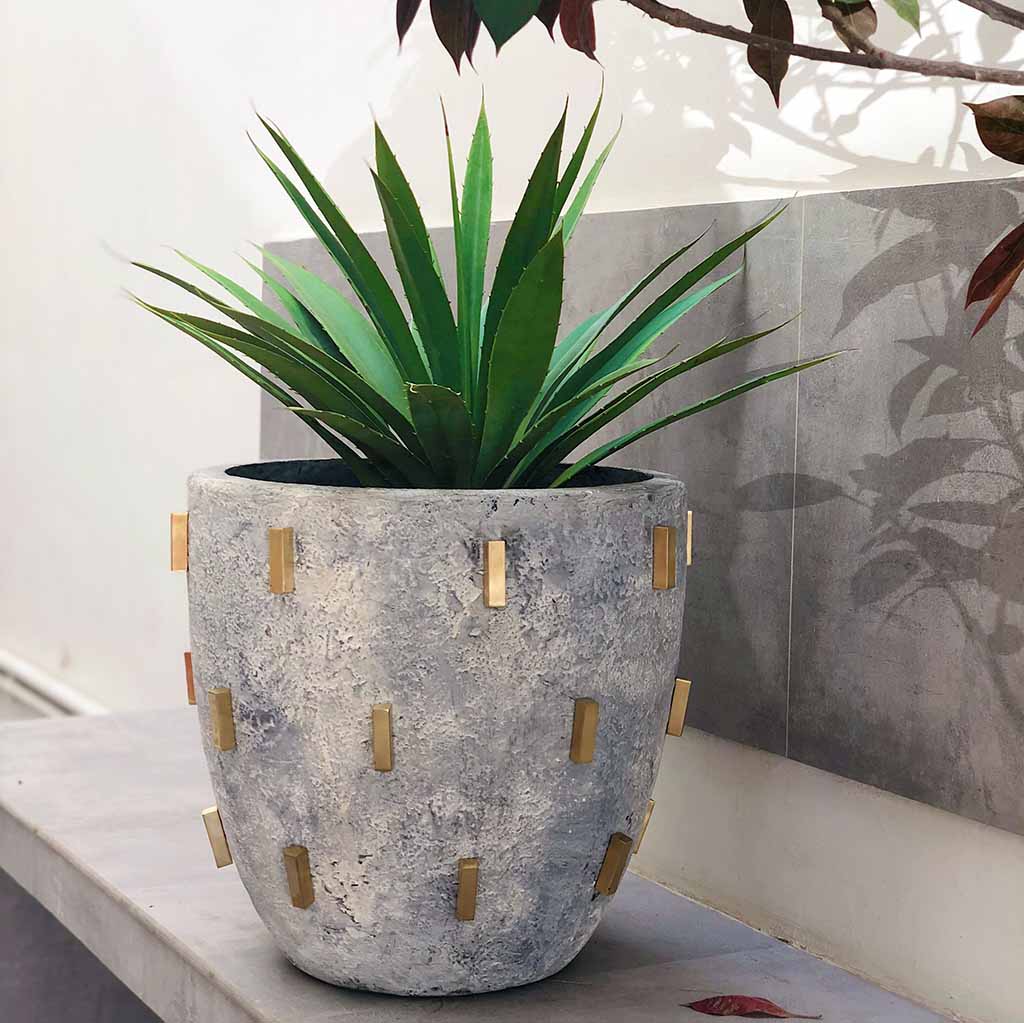
- Scale up for entryways without hesitation. The most common mistake in hallway styling is selecting plants and vessels that are too small for the space’s proportions. Entryways benefit from indoor planters that stand at least waist-height, commanding vertical attention and giving the architecture something to lean into. A cylindrical textured stone planter with a lush kentia palm or a broad-leafed strelitzia creates immediate visual authority.
- Flank, don’t centre. Symmetrical pairs of tall planters flanking a doorway or a primary staircase lend the space a formal, architectural quality, a design principle borrowed directly from classical European and Mughal-influenced interiors. A pair of deep charcoal matte vessels with matching sculptural topiaries achieves exactly this effect.
- In living rooms, use statement indoor planters to fill structural voids. An empty corner beside a sofa or beneath a high window is an architectural opportunity. A large, floor-standing planter in burnished terracotta or hand-finished stone fills the visual gap while introducing an organic silhouette that softens the hard geometry of contemporary furniture.
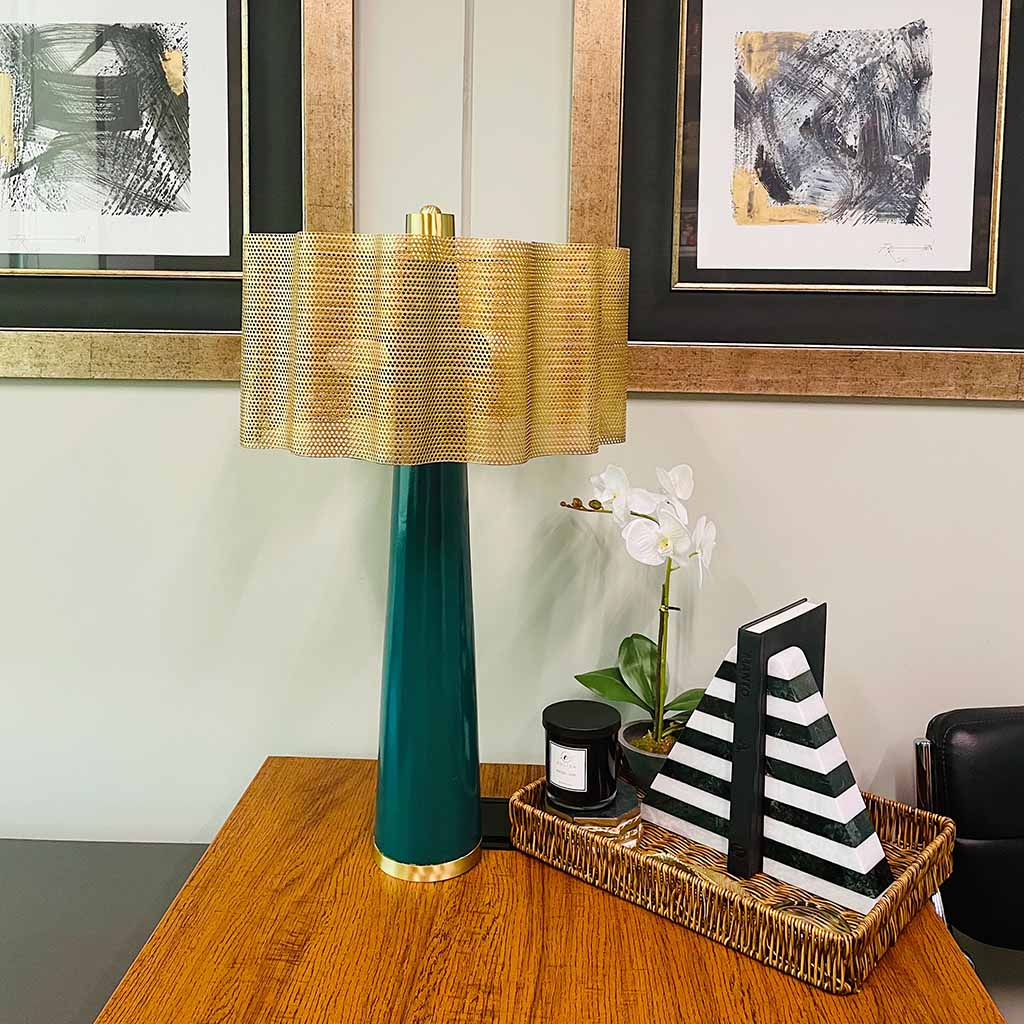
- Layer the console table. A medium-height planter on one end of a console table, balanced by a lamp, a stack of art books, or a ceramic vessel on the other, creates horizontal rhythm without symmetry. The asymmetry is the point. It is what reads as curated rather than decorated.
The Designer’s Playbook: Height, Texture, and Material
Every interior designer working at the highest level applies the same core principle to grouped objects: variation is visual interest. When plant pots indoor are grouped without thought to height or material, the result reads as a collection. When they are grouped with intention, the result reads as a composition.
- Apply the rule of three. Group plant pots indoors in odd numbers, most effectively in threes, and vary the heights deliberately. A tall, slender vessel, a medium, wide-mouthed pot, and a low, flat bowl-style planter create a trio with genuine visual tension. Each piece holds its own while the group tells a coherent story.
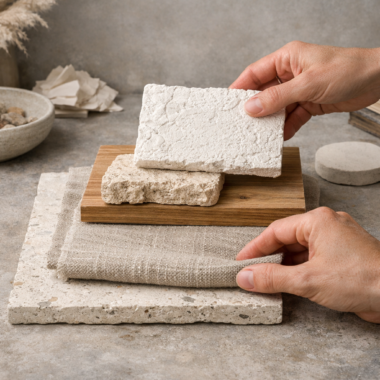
- Contrast your material finishes. The most sophisticated groupings pair materials that share an underlying tone but differ in texture. A hand-carved white marble planter beside a polished brass accent pot beside a rough, raw terracotta vessel creates layered richness, cool against warm, rough against smooth, matte against reflective. The eye moves across the group and never quite settles, which is precisely the effect you are after.
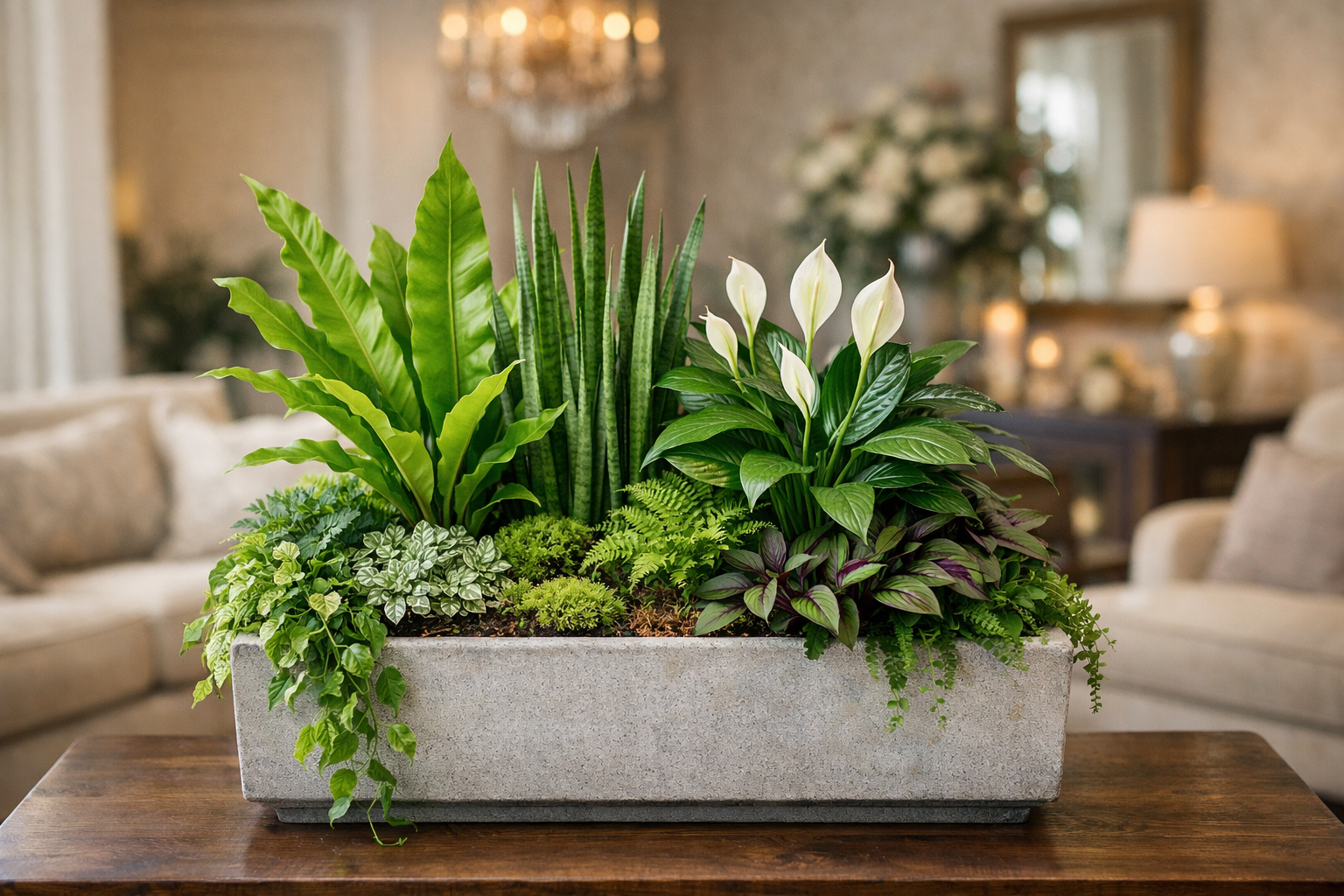
- Vary plant form, not just height. Pair an architectural plant with a trailing one and a compact, structured one. A tall snake plant beside a cascading pothos beside a round, mounding fern creates botanical variety that makes the grouping feel like a curated collection rather than a random accumulation.
- Consider the base. Elevating a planter onto a low wooden stool, a marble slab, or a thin metal plant stand immediately introduces an additional layer of height variation while adding material interest at floor level, a zone most stylists forget entirely.
- Colour-match to the room’s undertone, not its dominant colour. If the room is anchored in warm ivory and teak, choose planters in warm stone, aged brass, or terracotta. If the space reads cool, grey marble floors, white walls, chrome fittings, reach for concrete, matte black, or brushed pewter vessels.
Designing Calm Zones: Bedrooms and Visual Balance
The bedroom requires a lighter hand. Where entryways and living rooms benefit from scale and presence, the bedroom rewards restraint, small, thoughtfully placed accents of greenery that soften the space without competing with its primary function as a place of rest.
- Choose low-light plants in elegant vessels. Peace lilies, ZZ plants, and trailing pothos thrive in the reduced light conditions of most bedrooms. A single peace lily in a slim, tall white ceramic planter placed beside a reading chair introduces life without visual noise.
- Treat the bedside table like a micro-curated vignette. A small succulent or air plant in a brass or stone vessel, positioned beside a sculptural candle holder and a single book, creates a calm, layered still life that the eye returns to naturally. The trick is keeping the total number of objects to three or four maximum; restraint is what makes it feel designed rather than cluttered.
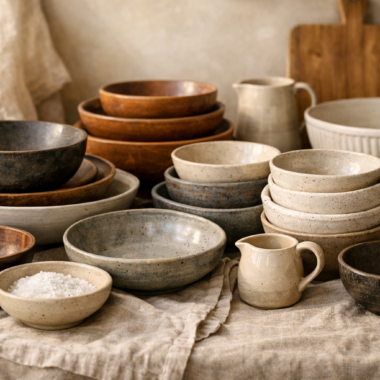
- Use window ledges and floating shelves for greenery micro-clusters. A trio of small plant pots indoors on a window ledge, in varying ceramic finishes, invites natural light into the room and frames the view outward with a living border.
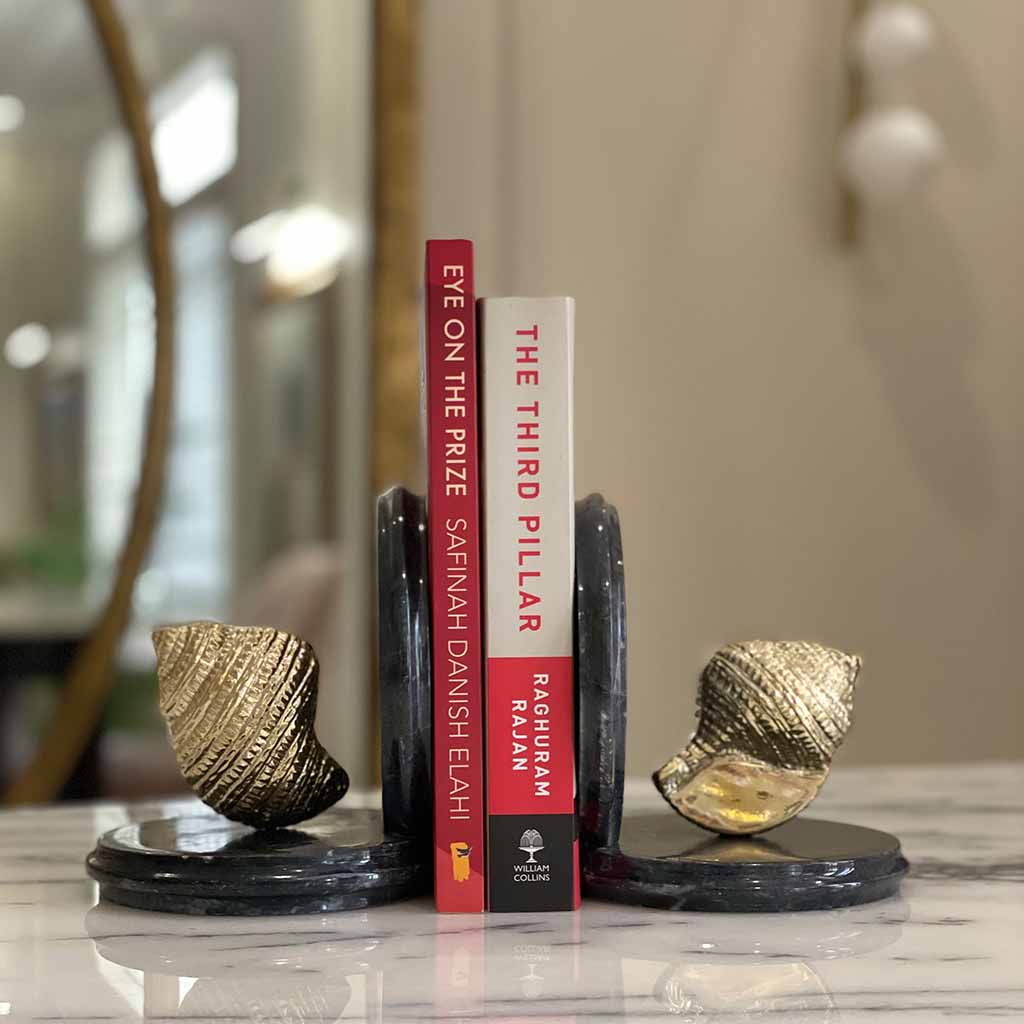
- Balance greenery with sculptural accessories. An isolated planter on a shelf reads as an object that was placed but not considered. When it is flanked by a ceramic bookend, a softly glowing candle, or an artisan tray carrying a few personal objects, it becomes part of a composed moment, the difference between a plant in a room and a designed corner within it.
- Introduce fragrant plants with intention. A small jasmine in a low, handcrafted planter near a bedroom window blurs the boundary between scent and decor, engaging a sense that most interior styling overlooks entirely.
Explore Creo Living’s full collection of luxury home decor, designer furniture, artisan lamps, premium serveware, and curated gifting at pk.creoliving.com, where every corner of your home finds its most considered expression.
FAQs
1. How do I protect premium flooring from water drainage?
A: Always use a hidden internal plastic liner inside your decorative planter, or invest in vessels that come with sealed bases. This keeps the aesthetic of the outer pot completely intact while ensuring that no moisture reaches your floors or rugs. For statement floor planters on marble or hardwood, a thin felt pad beneath the vessel adds an additional layer of protection against surface scratching.
2. Which indoor plants work best in Pakistan’s climate and indoors?
A: Plants that tolerate warm temperatures, occasional dry air, and variable light tend to perform best in Pakistani homes. Snake plants, pothos, peace lilies, ZZ plants, fiddle leaf figs, and monsteras are all reliable choices. For sunny rooms with direct light, succulents and cacti in statement vessels can be genuinely striking. Avoid plants requiring high sustained humidity unless you have air conditioning running consistently.
3. How do I create a designer look without overcrowding a small space?
A: The key is vertical thinking. In a compact apartment or room, one tall statement indoor planter commands significantly more visual presence than three small ones clustered together. Take up height rather than floor area, choose a vessel in a material that connects to the rest of the room’s palette, and resist the urge to add more. A single beautifully considered piece always reads more designed than an abundance of smaller ones.
4. What materials work best for outdoor-facing rooms or balconies?
A: For spaces with direct sun exposure, high humidity, or outdoor elements, avoid natural stone and unfinished brass, as both are susceptible to weathering without proper sealing and maintenance. High-fired ceramic, powder-coated metal, and fibre-reinforced concrete planters offer the visual sophistication of premium materials with significantly higher resistance to the elements. Pair them with plants bred for direct sun, bougainvillea, palms, and ornamental grasses, which all thrive in Pakistan’s outdoor conditions.