


Beyond the Solitary Pot
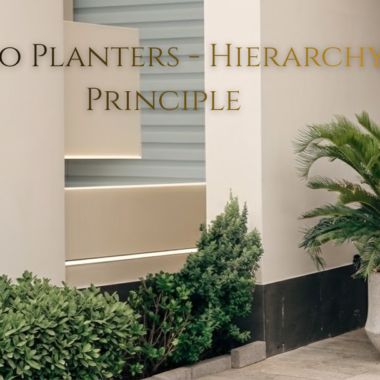
A single potted plant, however beautiful, tends to read as an afterthought, something placed rather than styled. It occupies a corner and rarely earns a second glance. The spaces that stop us, the ones that feel considered and alive, are built differently. They rely on groupings, on the interplay between several vessels of different scale and character standing in conversation with one another.
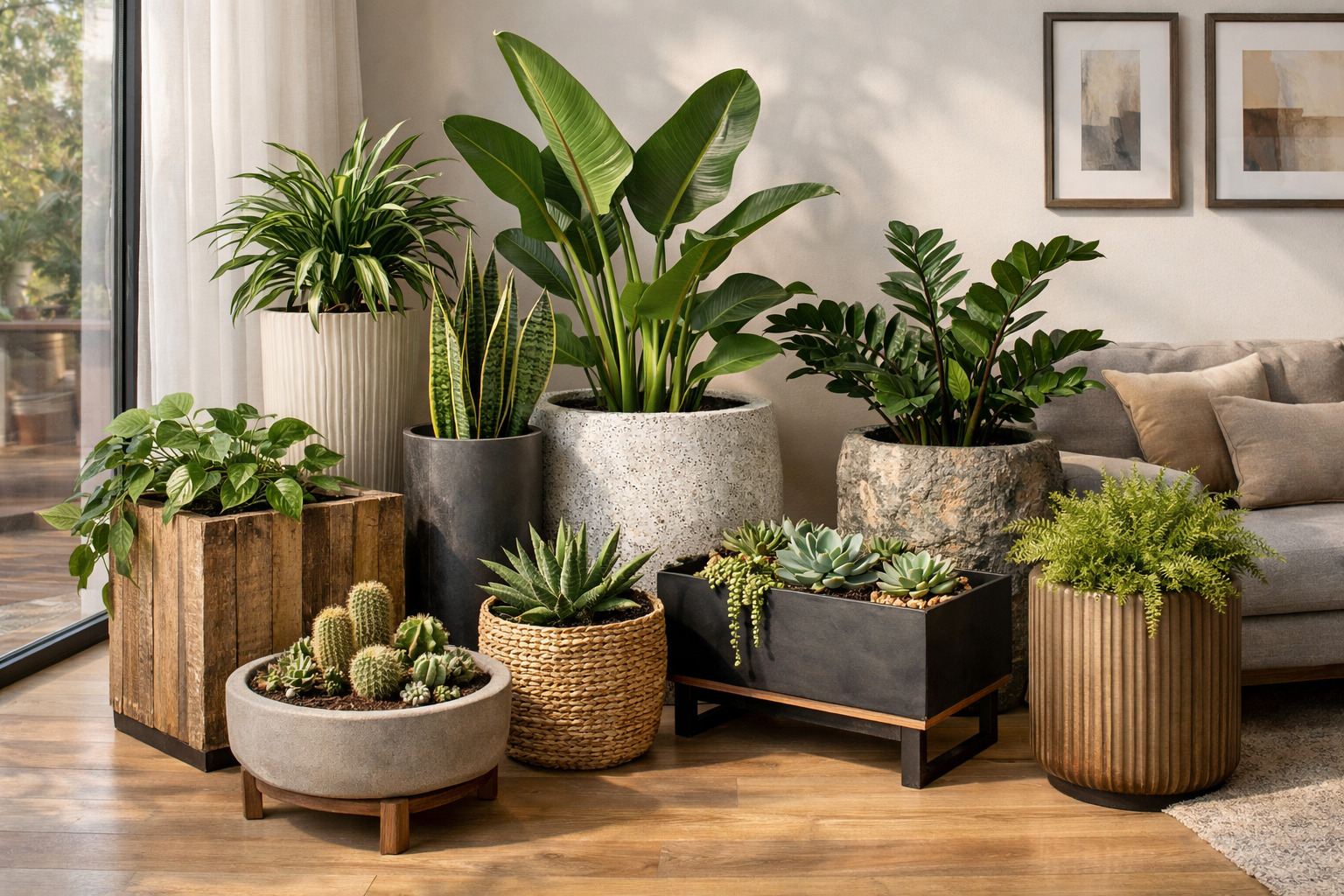
This is the essence of planter pairing: moving away from a scattered collection of pots toward a cohesive botanical landscape, arranged with the same intentionality a stylist brings to a tablescape or a gallery wall. It’s less about accumulating plants and more about composing them, building vignettes that feel curated rather than incidental, the kind found among the most aesthetic planters for home styling.
The Power of Odd Numbers & Varied Heights
Interior designers have long relied on a deceptively simple principle: group objects in odd numbers. Three or five planters, rather than two or four, create a visual rhythm that feels dynamic instead of static. The eye doesn’t settle into a predictable mirror image, it moves, tracing an invisible line from one vessel to the next.
Height is the second half of this equation. A grouping where every planter sits at the same level flattens the composition; introduce variation, and suddenly there’s a landscape to explore.
Ways to build vertical rhythm:
- Layer a tall pedestal riser beneath your most sculptural plant
- Use a low, wide planter as the visual anchor at ground level
- Introduce a mid-height plant stand to bridge the two extremes
- Stagger planters along a console rather than lining them in a row
- Let one outlier break the sightline slightly, asymmetry reads as intentional
When building a grouping like this, it helps to buy modern planters online Pakistan retailers curate specifically with scale variation in mind, rather than hunting piecemeal for the right proportions.
Textural Harmony: Mixing Materials & Finishes
Height creates movement; texture creates depth. A grouping composed entirely of glazed ceramic, however elegant individually, can feel one-note when placed together. The most compelling vignettes borrow from several material families at once, letting each surface catch and hold light differently.
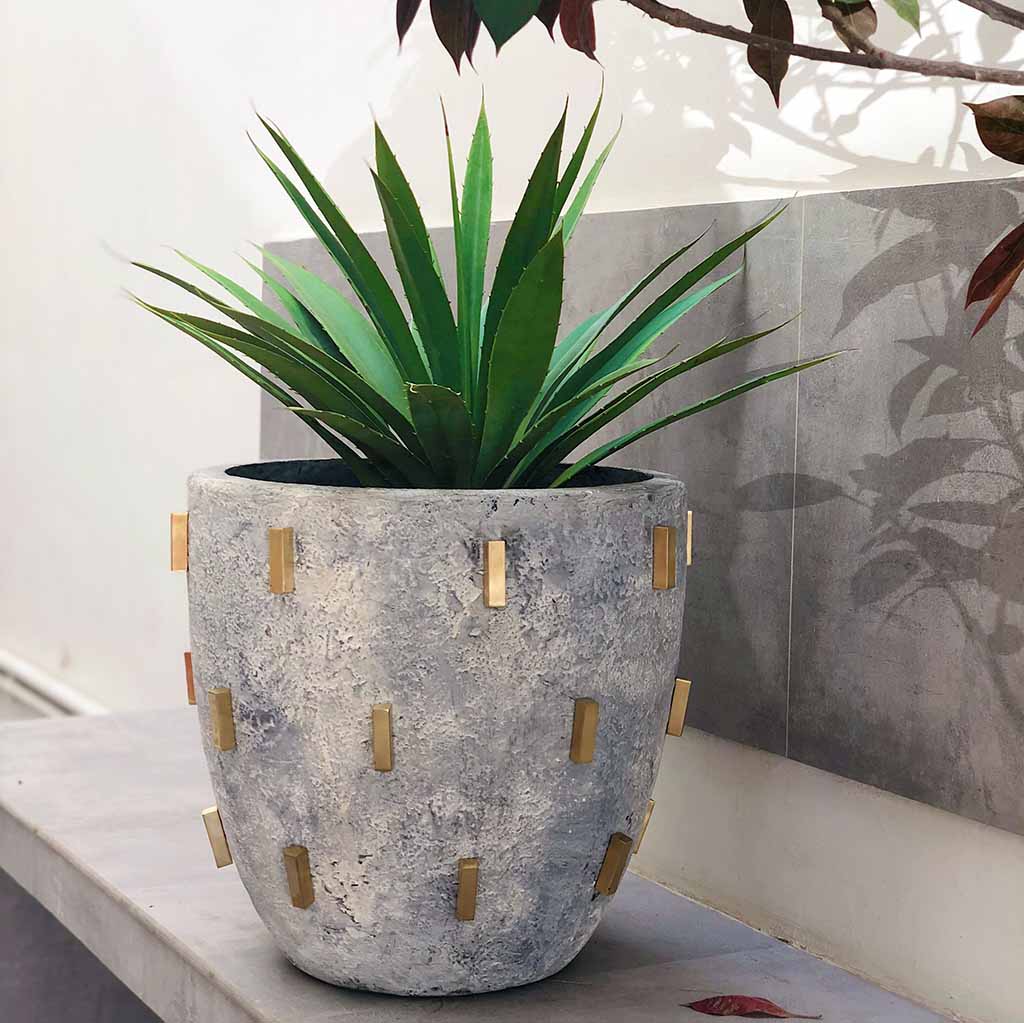
Think of a smooth, matte ceramic planter beside a raw stone vessel with its irregular, sun-warmed texture, finished off with a hand-woven rattan basket whose ridges throw small shadows across the tabletop. Add an oxidized or brushed-metal planter, and you introduce a cooler note that keeps the arrangement from feeling too soft or too rustic.
Material pairings worth trying:
- Matte stoneware + woven seagrass basket + hammered brass
- Polished terrazzo + raw travertine + unglazed terracotta
- Smooth porcelain + textured jute wrap + antiqued copper
This is where decorative pots for indoor plants Pakistan homeowners are increasingly drawn to earn their keep, not as single statement pieces, but as part of a considered material dialogue that keeps the eye engaged as it travels across the vignette.
Botanical Architecture: Pairing Plant Forms
Just as materials need contrast, so do the plants themselves. A grouping of identical foliage shapes, no matter how lush, tends to blur into a single green mass. The goal is architectural variety, silhouettes that play distinct roles within the composition.
Start with a dramatic upright form: a sculptural snake plant, a strelitzia with its paddle-shaped leaves, or a slender dracaena that draws the eye skyward. Let this be your vertical anchor. Around it, introduce something cascading, a trailing pothos or string of pearls spilling over a pedestal’s edge, softening hard lines and pulling the composition downward. Ground the grouping with a low, broad-leaf spreading plant, such as a calathea or peace lily, whose horizontal mass balances the height above it.
A well-balanced trio typically includes:
- One upright, sculptural silhouette for height
- One trailing or cascading form for movement
- One low, broad-leaf variety for visual weight at the base
For an elevated, gallery-like finish, weave in artistic home decor sculptures or a small decorative face sculpture among the foliage, nestled at the base of a taller plant or perched on a riser between two pots. This pairing of organic form with crafted artistry is what separates a plant corner from a genuine styled moment. Look for artistic home decor sculptures Pakistan ateliers produce in stone, brass, or resin, as their tactile finishes echo the same material language as your planters. Decorative face sculptures for home decor bring a quiet, sentinel-like presence to a green vignette, an unexpected focal point that draws the eye in for a closer look.
Unifying the Composition
With so many variables in play, height, material, plant form, sculptural accents, the real skill lies in making it all read as one deliberate story rather than a disjointed collection.
The unifying thread is usually subtle: a shared undertone running through different materials, a warm terracotta echoing brass detailing on a nearby sculpture, or a consistent color family across two or three planters that lets a fourth, more expressive piece stand out without clashing. Repetition, used sparingly, tells the eye that these objects belong together.
A few grounding techniques:
- Choose one dominant color family and let every other tone sit within its range
- Repeat a single material, brass, wood, or stone, across at least two elements
- Keep planter shapes varied but silhouettes complementary
- Step back frequently while styling; weak points often reveal themselves only from a distance
Bring this layered philosophy home with Creo Living’s curated collection of premium home decor, gifting pieces, furniture, lamps, and serveware. Each piece is crafted to build the kind of considered, story-driven interior every room deserves.
FAQs
1. How many planters should I group for the best visual effect?
A: Three to five planters strike the right balance, enough to create rhythm and height variation without overwhelming the space.
2. Can I mix different plant species within the same grouping?
A: Yes. Combining upright, trailing, and broad-leaf varieties creates the layered silhouette that makes a grouping feel intentional rather than random.
3. What’s the easiest way to unify mismatched planters I already own?
A: Introduce a shared color undertone or repeat one material, such as brass or woven rattan, across two or more pieces.
4. Where should sculptural accents be placed within a plant grouping?
A: Nestle them at varying heights, at the base of a tall plant, on a low pedestal, or tucked between trailing foliage, so they feel integrated into the landscape.