
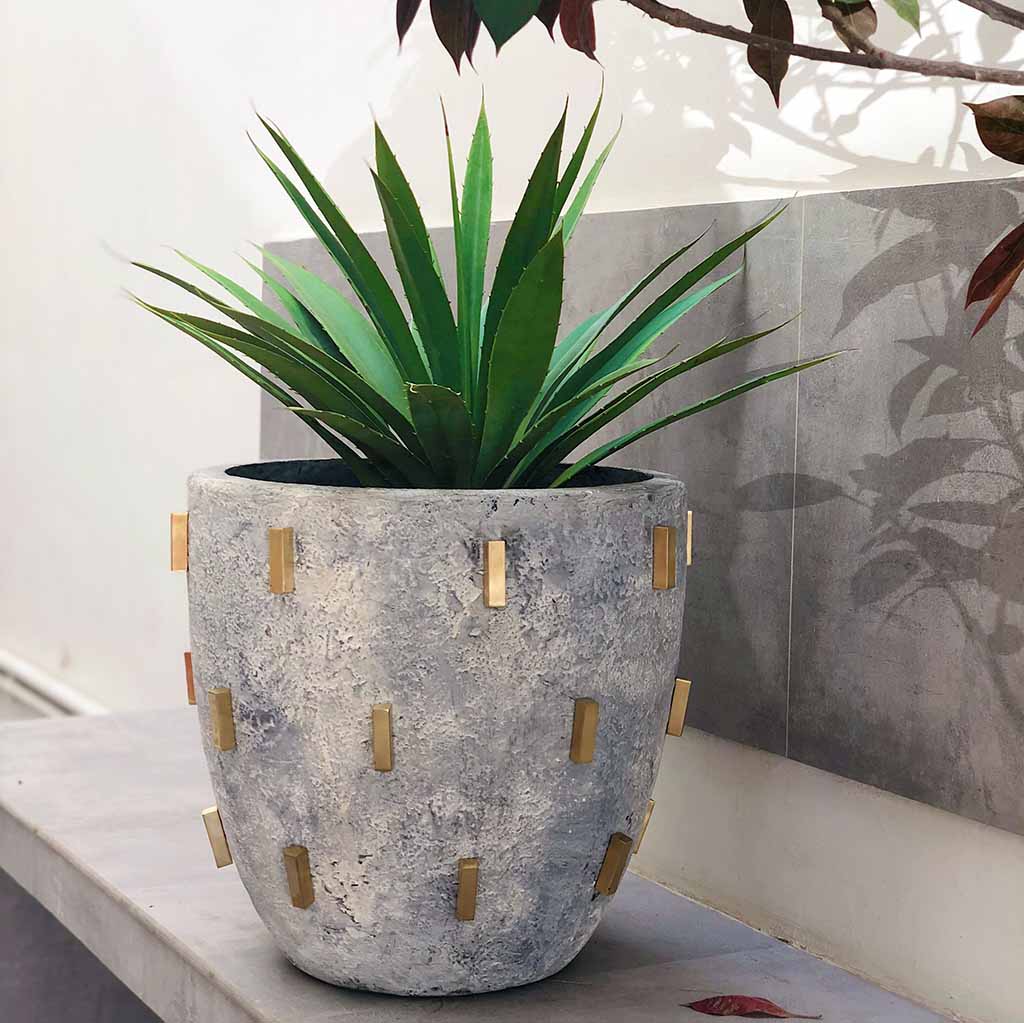

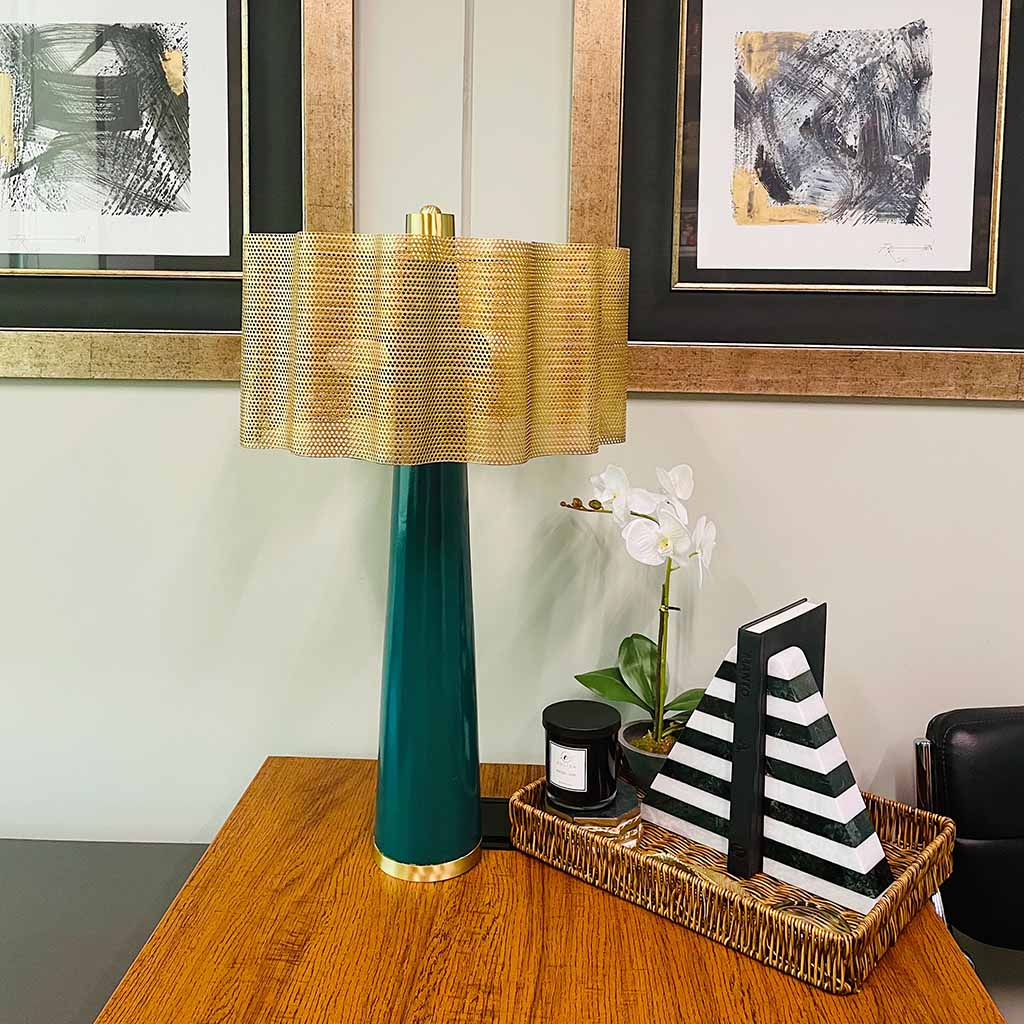
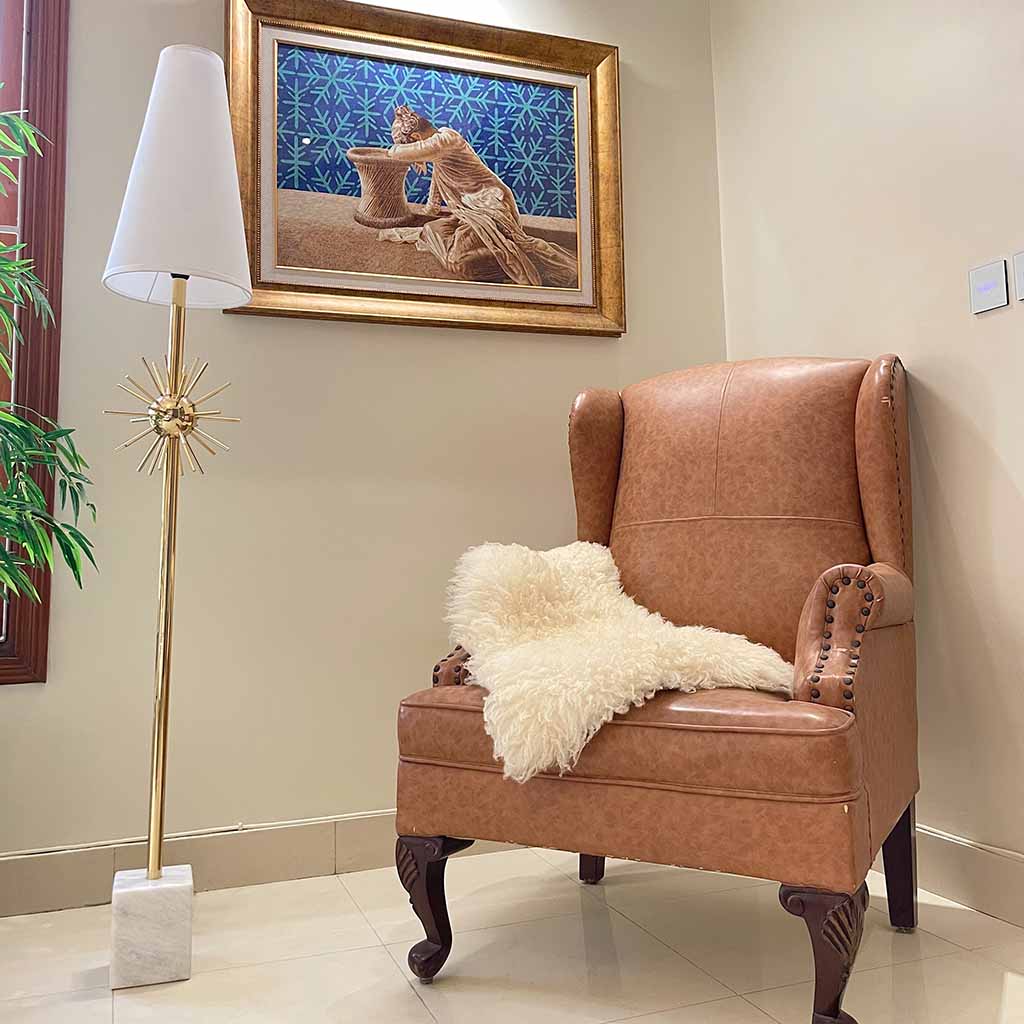
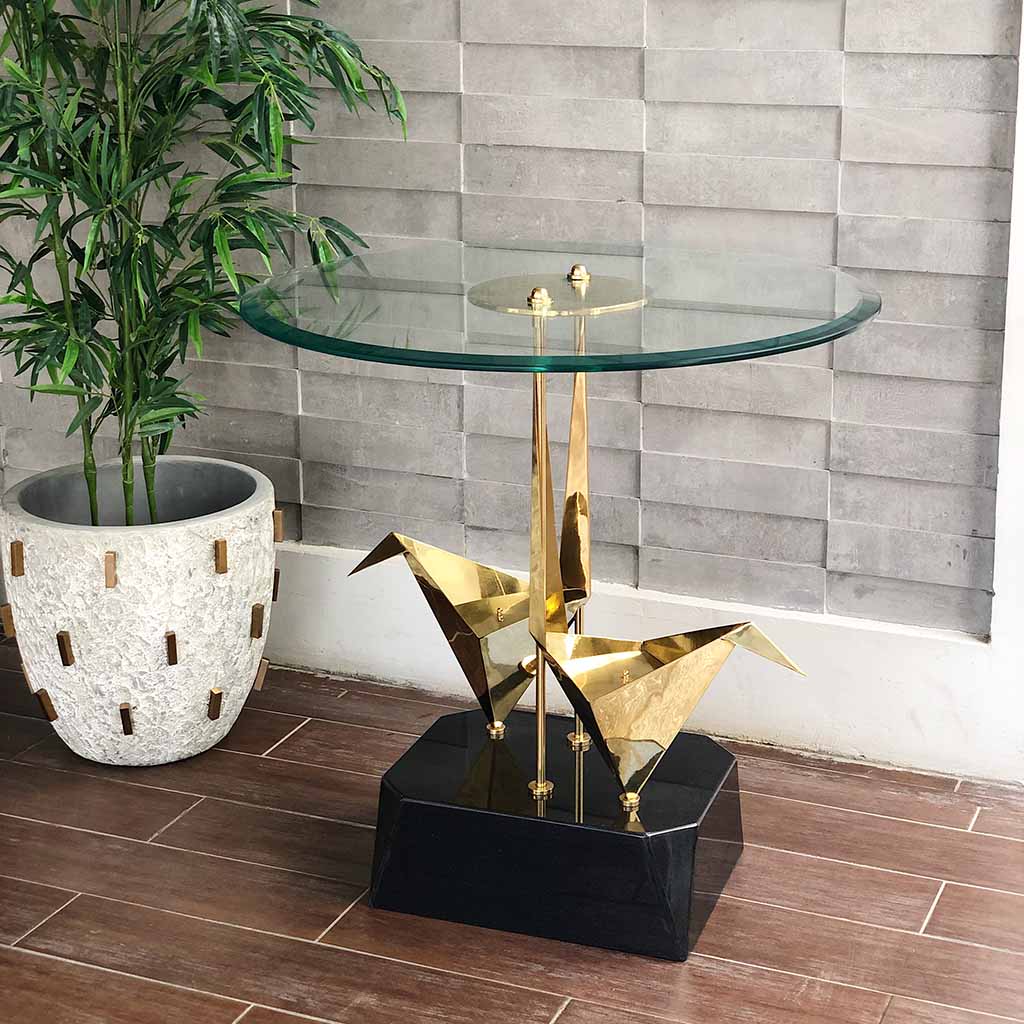


There is something measurable that happens when you walk into a room containing living things. Not simply the visual softness of leaves against hard walls, though that registers immediately, but something physiological. Research in environmental psychology has consistently demonstrated that exposure to natural elements, even indoors, reduces cortisol levels, slows the nervous system, and activates the part of the brain associated with rest and safety. Biophilic design, the deliberate integration of nature into built environments, is not a trend borrowed from international design publications. It is a response to something deeply wired into human cognition.
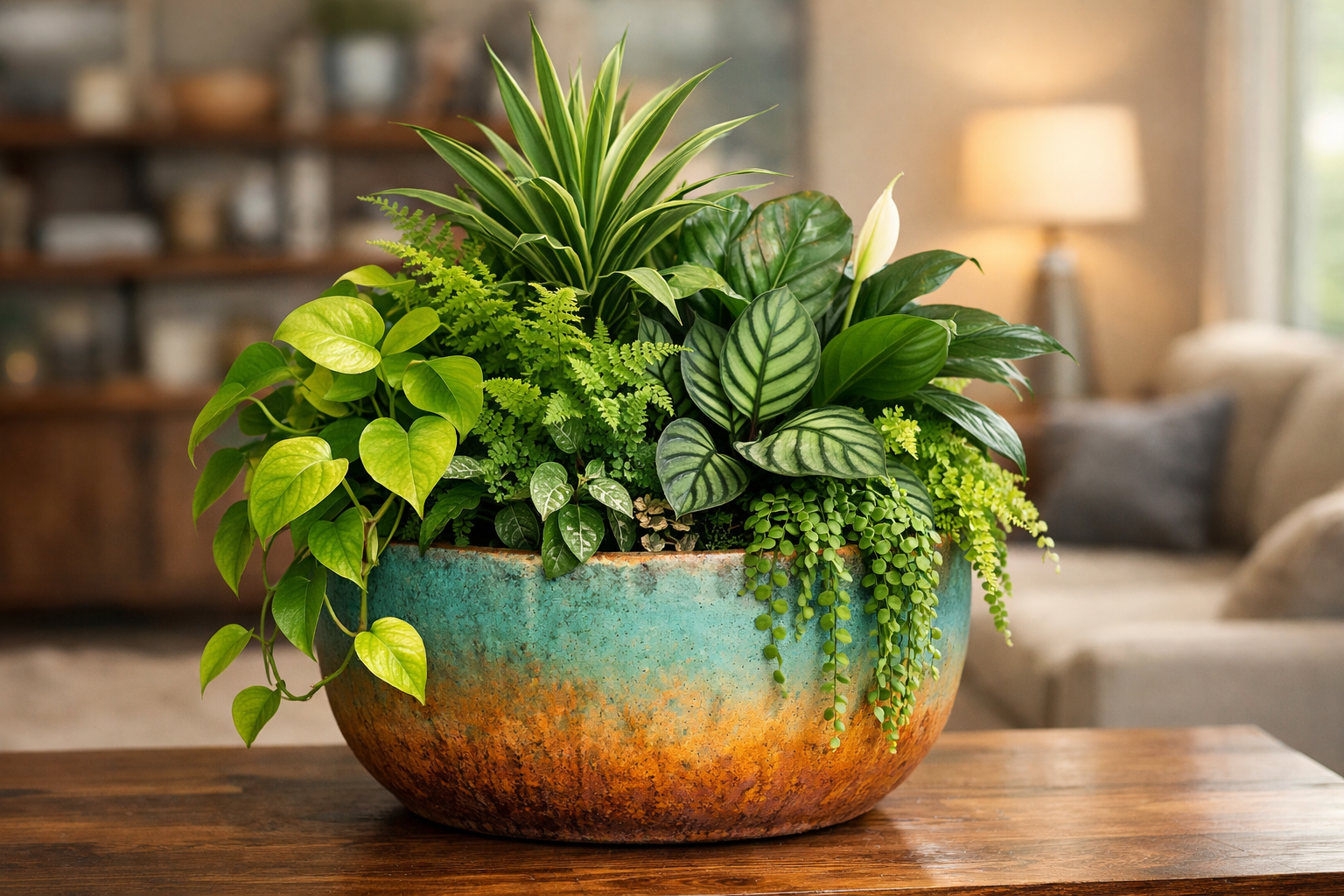
What this means practically is that indoor planters are not decorative objects in the conventional sense. They are mood instruments. The vessel you choose, the plant it holds, and the precise location you place it in are collectively capable of shifting the emotional register of a room, from anxious to calm, from stark to welcoming, from forgettable to quietly extraordinary. The question is not whether to bring greenery indoors. It is how to do it with enough intention that it actually changes the way the space feels.
The Style and Psychology Matrix
Before selecting any vessel or plant, establish which emotional outcome you are designing toward. The table below maps three distinct interior aesthetics to their ideal planter material profiles and the psychological mood each combination produces.
| Interior Aesthetic Style | Ideal Planter Material Profile | The Resulting Emotional Mood |
| Minimal | Geometric metals, matte concrete, slim white ceramic cylinders | Structural focus, mental clarity, deliberate calm |
| Luxe | Hand-carved marble, polished onyx, sculptural brass, lacquered ceramic | Prestigious grandeur, sensory richness, elevated confidence |
| Earthy | Raw textured stone, unglazed terracotta, woven organic composites | Organic grounding, warmth, primal comfort and ease |
The most compelling interiors typically pull from two adjacent columns rather than committing to a single row. A Luxe-Minimal space, hand-carved marble vessels with clean geometric profiles, produces a mood that is simultaneously grand and uncluttered. An Earthy-Luxe pairing, raw stone vessels with brass detailing, introduces warmth without sacrificing sophistication. Use this matrix as a diagnostic starting point, not a rigid prescription.
Before and After Spatial Transformations
The Threshold: Transforming the Grand Entryway
Before: The entry hall of a large apartment in Gulberg, Lahore. White marble floors, a narrow console table in dark walnut, a single overhead pendant. The space is clean, objectively well-finished, but cold in a way that is difficult to name. Guests arrive and move through it quickly, as though something is hurrying them. There is no reason to pause, no visual invitation to settle into the home’s atmosphere before encountering the living room. The console holds a lamp and a decorative bowl. The floor on either side of it is empty. The ceiling above feels high and indifferent.
After: Two sculptural floor-standing indoor planters, hand-finished dark stone cylinders, standing 90 centimetres, planted with kentia palms whose fronds arch outward at eye level, flank the console symmetrically. The overhead pendant now illuminates leaves rather than just air, casting a shifting organic shadow pattern across the marble floor that changes with the hour. On the console itself, a smaller brass-finished vessel holds a compact, structured succulent, positioned between the lamp and a low decorative object. The effect is immediate and total: the entry no longer feels like a corridor to pass through. It feels like the first room of the home. Guests pause. They notice. The space has acquired a psychological weight it did not possess before, an atmosphere of considered welcome that persists even after the greenery itself stops being consciously registered.
The specific alchemy at work here is biophilic anchoring: the human eye, upon entering a space, naturally seeks a focal point. When that focal point is a living thing, architectural in scale, asymmetrically beautiful, positioned to interact with the light, the brain’s threat-assessment instinct relaxes almost immediately. The room reads as safe, inhabited, and cared for.
The Centerpiece: Elevating the Living Room Console
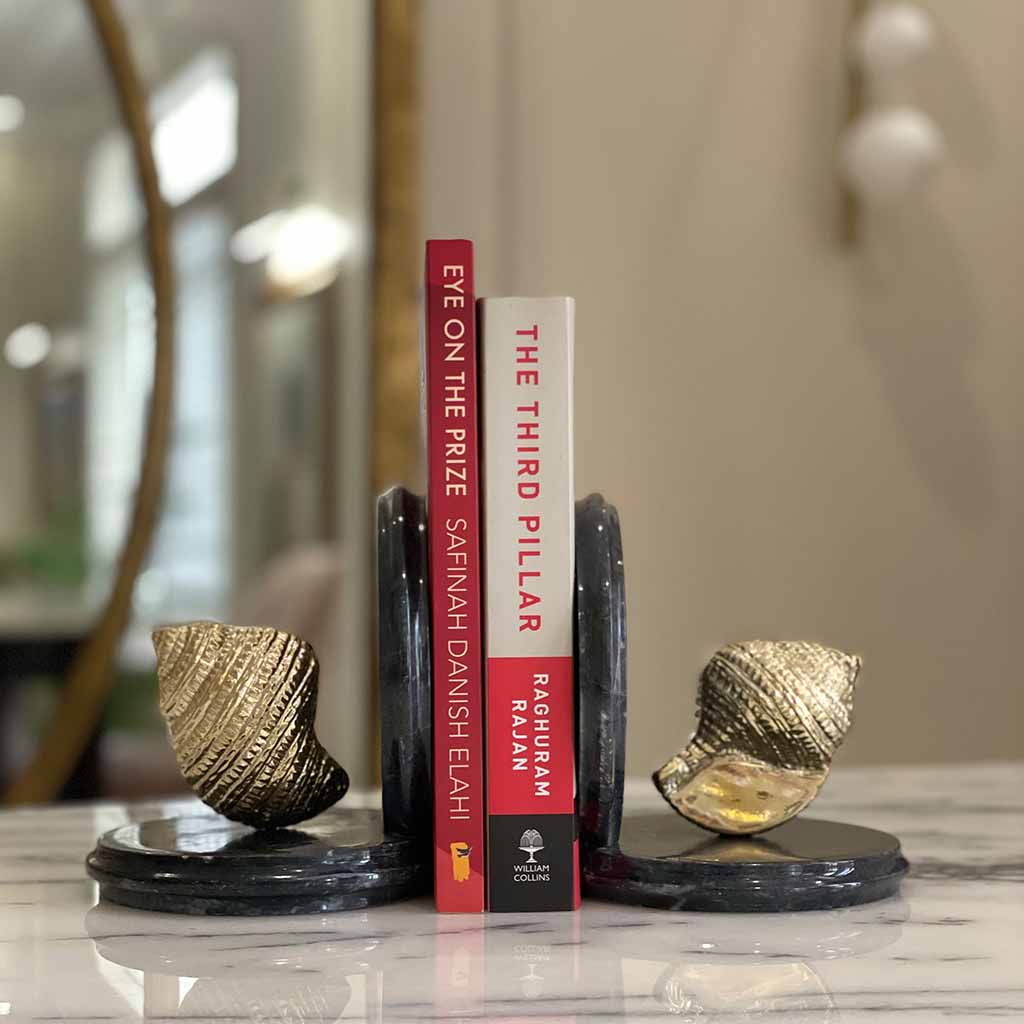
Before: A wide console table in a contemporary drawing room in DHA, Karachi. Behind it, a large rectangular mirror in a slim brass frame. The mirror reflects the sofa across the room, the ceiling, and an expanse of pale wall. It is a beautiful object doing a purely functional job, bouncing light, confirming proportions. The console below it carries a table lamp, two matching decorative vases, and a stack of coffee table books, all arranged in a flat horizontal line. The visual plane is even, ordered, and completely static. Nothing asks to be looked at.
After: The symmetry is deliberately broken. A tall, slender white ceramic planter, planted with a sculptural snake plant whose upright blades rise above the console surface, anchors the left side. At the centre, a medium-height hand-carved onyx vessel holds a compact peace lily. On the right, a low, wide brass bowl planted with a trailing pothos allows the plant to spill softly over the console edge, introducing downward movement into what was previously a purely horizontal composition. The lamp remains, now repositioned slightly right of centre, its light falling directly onto the onyx vessel.
The mirror now reflects all of this, the varied heights, the interplay of materials, the organic movement of leaves, doubling the composition and giving the room an illusion of doubled depth. The console, which was previously furniture, is now an installation. The plant pots indoor are not accessorising the space. They are structuring it.
What has shifted psychologically is the room’s sense of vitality. Static, symmetrical arrangements read as controlled, sometimes elegantly so, but also, at a subconscious level, slightly lifeless. Varied heights and organic forms read as alive, dynamic, and inhabited. The room communicates, without a single word, that someone with genuine aesthetic intelligence lives here.
Explore Creo Living’s complete collection of luxury home decor, designer furniture, artisan lamps, curated serveware, and premium gifting at pk.creoliving.com, where every object is chosen for the way it makes a room, and a life, feel.
FAQs
1. How do I choose a planter that complements my room’s current mood?
A: Look at the dominant textures and tones already present in the space. If your room features clean lines, neutral palettes, and hard-edged furniture, a geometric metal or smooth matte ceramic vessel will feel like an extension of the existing logic. If the room runs warm, rich woods, layered textiles, amber lighting, an unglazed terracotta or rough-textured stone planter will deepen the warmth without disrupting it. The vessel should feel like it belongs to the same visual family as the room’s existing materials, even if it introduces a new element.
2. What is the most common psychological mistake people make when placing indoor planters?
A: Placing them too small for the space, or too uniformly across a room. A single undersized pot in a large room reads as an afterthought rather than a design choice, and a row of identically sized vessels creates the kind of static repetition that the brain processes and moves past quickly. Scale up more than feels instinctive, particularly in entryways and living rooms, and vary heights deliberately to create the kind of visual rhythm the eye wants to follow.
3. Which plants create the strongest calming psychological effect indoors?
A: Peace lilies, snake plants, and pothos all have documented associations with air quality improvement and are visually low-stimulation, their forms are soft, their movement gentle, and their maintenance demands minimal, which removes the background anxiety that high-maintenance plants can introduce. For spaces where the design goal is active calm, a meditation corner, a reading nook, or a bedroom, these are the most reliable choices. In spaces designed for energy and conversation, more architectural plants like monsteras or fiddle leaf figs introduce vitality without aggression.
4. Can small apartments in Karachi or Lahore genuinely benefit from indoor greenery without feeling overcrowded?
A: Absolutely, and the key is vertical thinking. In a compact space, one tall indoor planter with strong vertical presence commands far more visual authority than three small ones clustered at floor level, and uses significantly less floor area. A single floor-standing cylinder planted with a snake plant or a slender dracaena introduces the full psychological benefit of biophilic design without consuming the room. Complement it with one small vessel on a shelf or windowsill, and the space feels considered rather than crowded.