





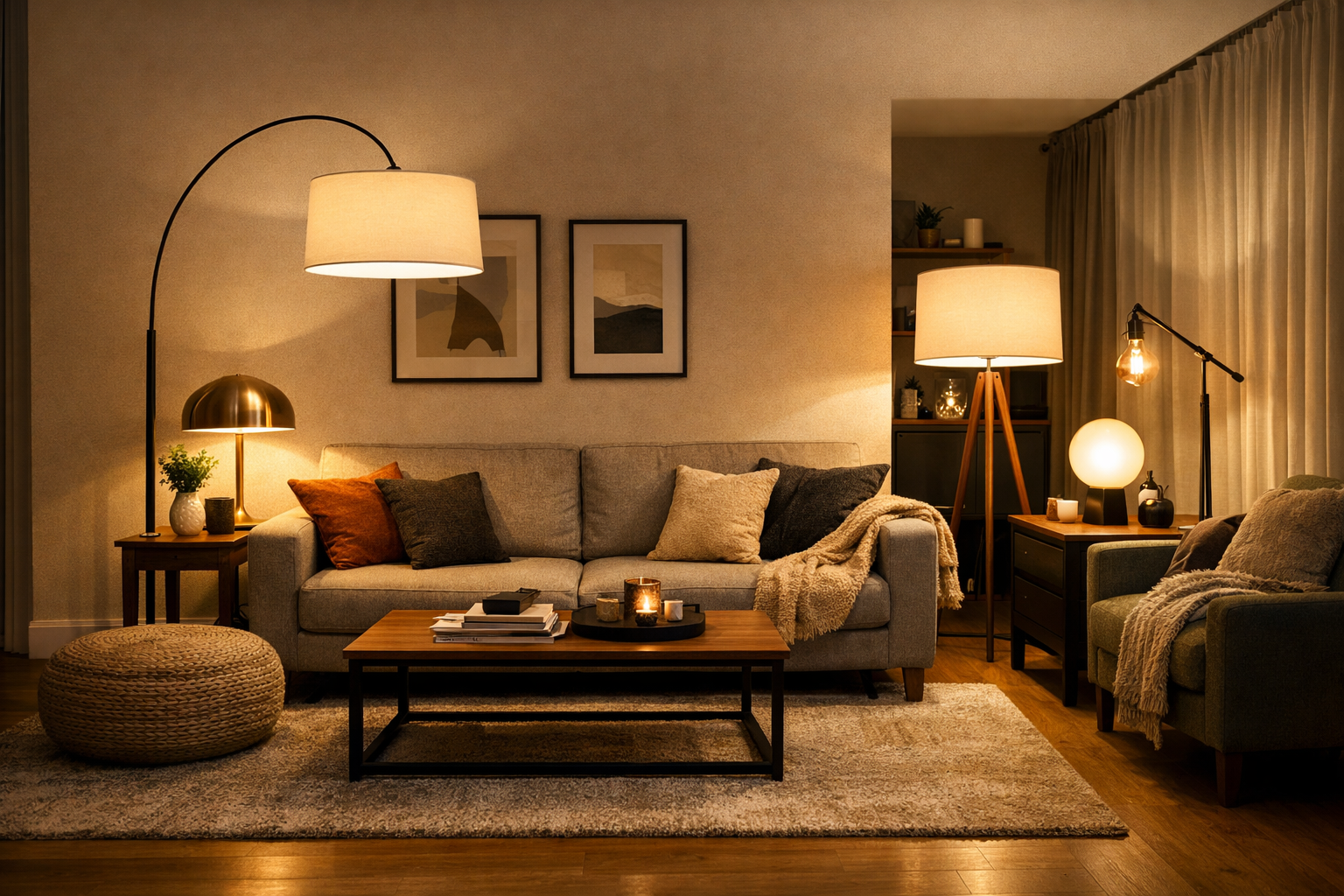
Overhead lighting is the most common lighting mistake in residential design. A single ceiling fixture floods a room with flat, directionless light that flattens surfaces, eliminates shadow depth, and strips a space of any atmospheric warmth. The rooms that feel genuinely beautiful, the ones you photograph instinctively and linger in without quite knowing why, are almost never lit from above alone.
This is what designers mean by layered lighting: the deliberate stacking of light sources at different heights, intensities, and angles to create a room that breathes and shifts throughout the day. A table lamp pools warm light across a bedside surface. A floor lamp washes an entire reading corner in soft, diffused glow. Together, they give a room its texture, its mood, its sense of being lived in with intention. The choice between them is never arbitrary, it is architectural.
The Lighting Layering Matrix
| Illumination Source | Primary Design Function | Proportional Impact | Ideal Spatial Blueprint |
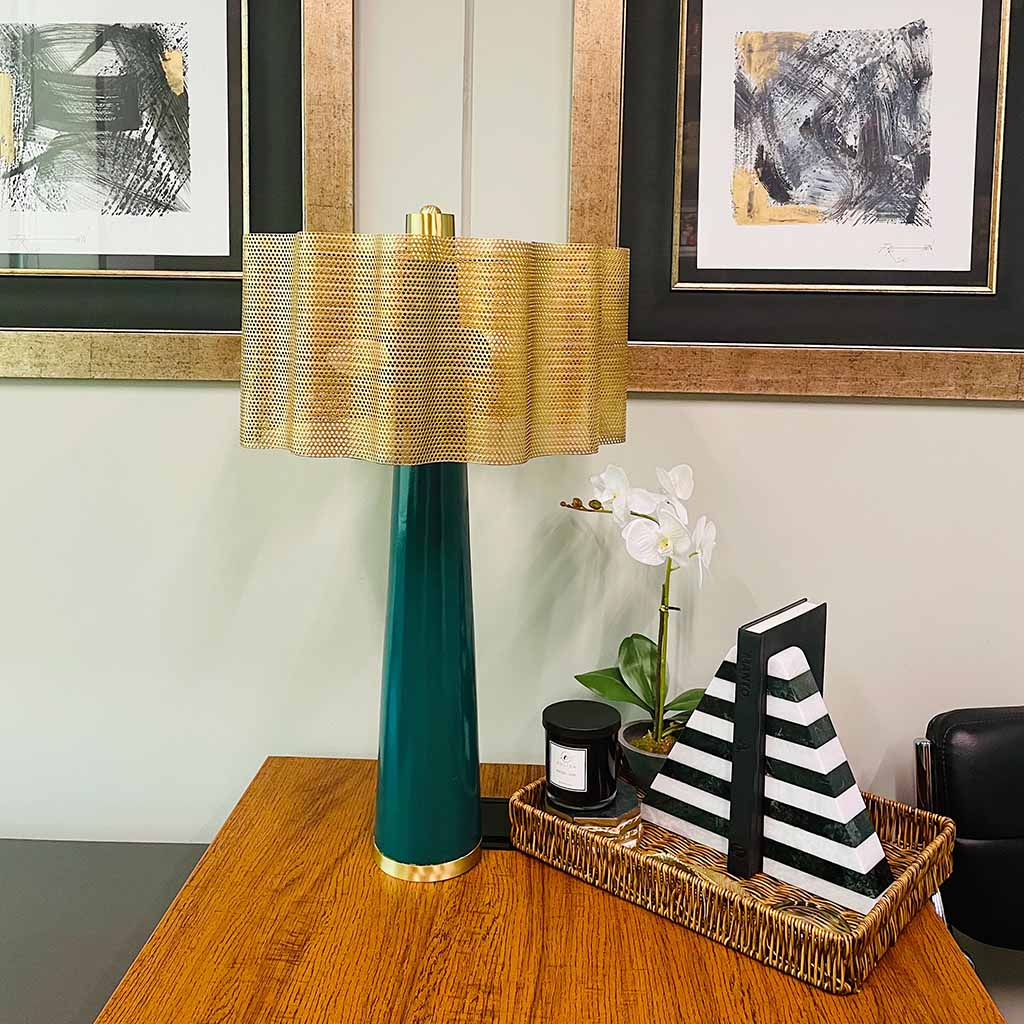
| Table Lamp | Task & Accent | Anchors surfaces; draws the eye downward to intimate zones; creates pools of focused warmth | Bedside nightstands, console tables, writing desks, side tables flanking a sofa |
| Floor Lamp, Uplight | Ambient | Bounces light off ceiling to increase perceived height; excellent for rooms with low ceilings | Corners of living rooms, behind sofas, beside tall bookshelves |
| Floor Lamp, Arc or Pendant-Style | Task & Accent | Extends light source over a specific zone without requiring a surface; commands vertical space | Reading nooks, over a chaise longue, beside an armchair |
| Modern Floor Lamp, Slim Torchière | Ambient & Sculptural | Creates a vertical line that elongates rooms with wide, low footprints | Narrow corridors, bedroom corners, dining room alcoves |
| Bedside Table Lamp, Low-Slung | Task & Intimate Ambient | Keeps light below eye level when seated; reduces melatonin disruption in the evening | Master suite nightstands, guest bedroom side tables |
| Desk or Adjustable Table Lamp | Task | Directs precise light to a working surface without spilling into the wider room | Home offices, reading chairs with side tables, study desks |
Spatial Placement Playbooks
The Living Room Conversation Hub
A living room serves multiple functions across a single day, morning coffee, afternoon reading, evening conversation, and late-night film. No single light source handles all of these gracefully. The professional approach is to treat the seating arrangement as a stage and light it accordingly.
Modern floor lamps earn their place in the living room by framing the seating group rather than interrupting it. Position a tall arc floor lamp behind and slightly to one side of the primary sofa, never directly overhead, where it creates downward glare into the eyes of the seated person. The arc should extend far enough to cast light over the centre of the seating cluster, mimicking the warmth of a pendant without requiring any ceiling infrastructure.
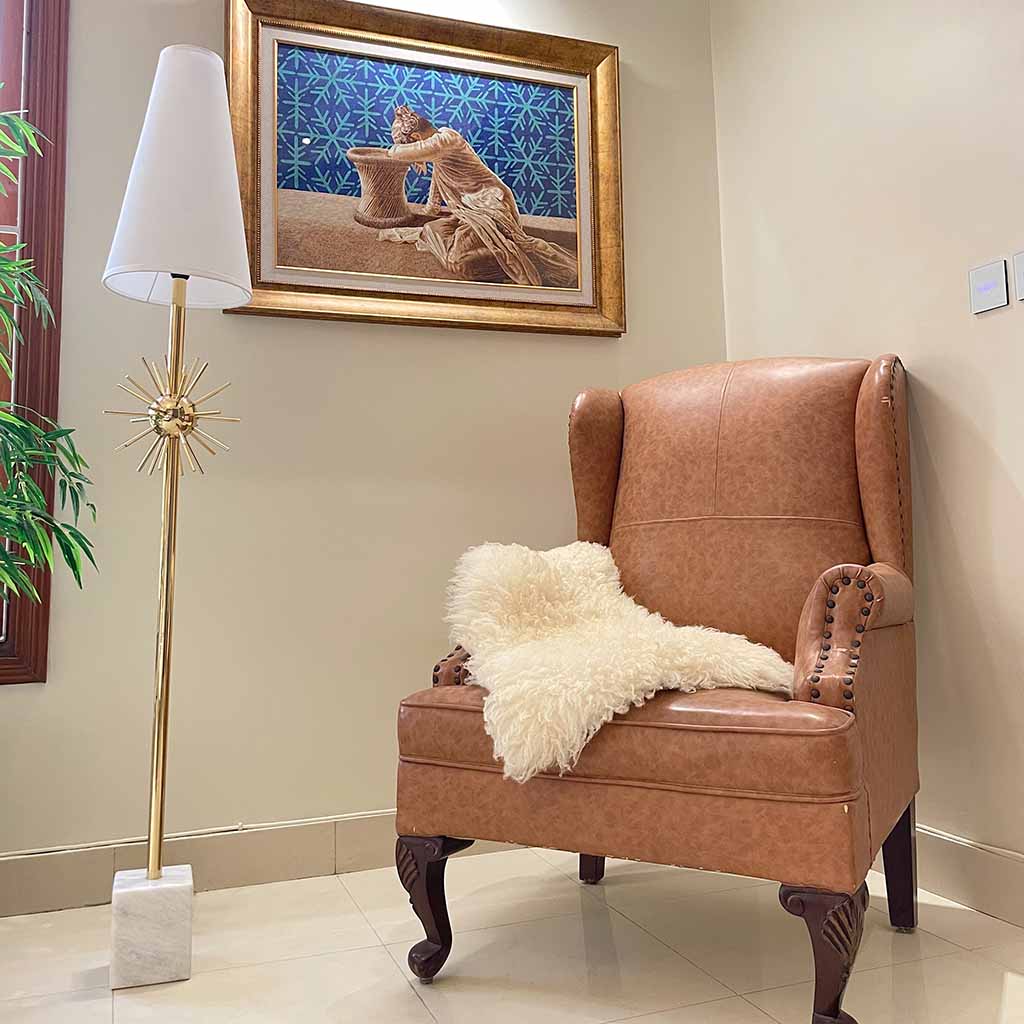
For secondary seating, a single armchair, a chaise positioned at an angle, and place a slimmer upright floor lamp at shoulder height in the corner behind it. This creates a secondary light zone that allows one person to read while the rest of the room dims for the evening. The contrast between the lit and unlit zones is precisely what gives a living room its sense of depth and inhabitation.
Avoid placing floor lamps directly beside a television or behind a screen, the contrast between a lit lamp and a bright display is visually fatiguing. Instead, use that wall for a table lamp on a console, creating a horizontal band of soft ambient light that reduces eye strain during viewing.
The Master Suite Sanctuary
The bedroom is the room where lighting does its most sensitive work. The shift from daytime clarity to evening intimacy requires light sources that can modulate, and the best bedroom lighting schemes rely almost entirely on table lamps and floor lamps rather than central overhead fixtures.
Bedroom side table lamps are the anchor of the master suite lighting plan. Positioned on matching nightstands at either side of the bed, they should be selected so that the bottom of the shade falls at roughly eye level when you are sitting up, typically 55–65 cm from the surface of the nightstand. This prevents the bare bulb from entering your sightline and keeps the light directional rather than diffuse.
For larger master suites, rooms where a corner is given over to a reading chair, a dressing area, or a chaise, floor lamps for the bedroom perform a completely different function. A tall, warm-toned floor lamp in the reading corner creates a secondary environment within the room: a space that feels distinct from the sleeping zone, with its own light temperature and its own mood. Choose a shade in a natural linen or frosted material that diffuses the light softly rather than casting it in a sharp cone.
Layering both fixture types in the master suite, paired bedside table lamps at the surface level, and a standing floor lamp in the far corner, gives the room a range it could not achieve with either source alone.
The Intellectual Reading Nook
A reading nook demands the most precise lighting of any domestic space. Too dim, and the eyes strain. Too bright, and the warmth of the corner is lost entirely. The goal is a light source positioned just above and slightly behind the reading line, casting illumination down and forward across the page without shining directly into the eye.
A luxury table lamp on a side table beside the reading chair is the classic approach, and it works because it is correct: the light source sits at roughly the same height as your head, angled toward your book rather than your face. The shade should be wide enough to diffuse the light broadly, not focus it in a harsh spotlight.
If no side table is available or if the chair is positioned away from any surface, an adjustable arc floor lamp is the most elegant solution. Select one with a flexible neck or an articulated arm that allows you to direct the light precisely where it is needed. The base should be heavy enough to sit without a counterweight; solid brass or cast iron are both reliable choices.
The Scale & Mood Checklist
When you buy floor lamps online in Pakistan or source table lamps for a new interior scheme, material and silhouette choices carry as much weight as placement. Use the following as your selection guide:
- Minimalist interiors: Matte black or brushed nickel bases with white or oatmeal linen shades. Clean lines, no ornamentation. The lamp should read as an architectural form, not a decorative object.
- Warm transitional interiors: Brushed brass or antique gold bases with cream or amber shades. The warm metal tone amplifies the colour temperature of the bulb, creating a cohesive golden hour atmosphere even at 9 pm.
- Rich maximalist interiors: Hand-blown glass bases in smoky or coloured tones, sculptural ceramic columns, or rattan and cane structures with wide drum shades. In maximalist spaces, the lamp is as much an object of display as a light source.
- Stone-base lamps: Marble and travertine bases anchor a lamp with genuine physical weight and pair beautifully with both minimalist and organic-modern interiors. Select a shade in white or natural linen to let the material of the base speak clearly.
- Bulb temperature: Across all aesthetic registers, 2700K–3000K warm white bulbs are the standard for residential atmosphere. Reserve cooler temperatures for task lighting in home offices only.
- Shade opacity: Opaque shades concentrate and direct light; translucent or open-top shades diffuse it broadly. Match opacity to function, task lamps need direction, and ambient lamps need diffusion.
Visit pk.creoliving.com to browse our curated selection of designer table lamps, sculptural floor lamps, luxury home decor, statement furniture, refined serveware, and gifting collections, each piece chosen for those who understand that light is never incidental.
Shop the full Creo Living illumination range and acquire the fixtures that give your rooms their warmth, their depth, and their unmistakable sense of after-hours ease.
FAQs
1. What is the standard height rule for bedroom side table lamps?
A: Ideally, the bottom of the lamp shade should align with your eye level when sitting up in bed, typically between 55 and 65 cm above the nightstand surface, depending on your mattress height. This keeps the light directed at your book or task rather than casting directly into your resting eye line. When in doubt, err slightly lower: a lamp that sits a centimetre too low is always more comfortable than one that glares.
2. Can I use a floor lamp as the primary light source in a bedroom?
A: You can, but it should be a deliberate choice rather than a default. A single floor lamp provides enough ambient light for dressing and movement, but insufficient directional light for reading or detailed tasks. In master suites where ceiling fixtures are intentionally omitted for aesthetic reasons, pair one ambient floor lamp with at least two bedside table lamps to cover the full range of the room’s lighting needs.
3. How do I choose between a table lamp and a floor lamp for a small room?
A: In compact spaces, floor lamps with a slim profile, a torchière, or a straight-column uplight are often preferable because they occupy floor space rather than surface space, leaving tables and consoles free. However, if the room has a low ceiling, an uplighting floor lamp will only emphasise how low it is. In that case, table lamps at surface level keep the visual weight anchored and avoid drawing attention to the ceiling height.
4. What should I look for when I buy floor lamps online in Pakistan?
A: Prioritise three things: base stability (heavier is always better, look for solid metal, stone, or cast resin bases rather than hollow plastic), shade quality (seams should be invisible from the outside, and the inner lining should be white or reflective for maximum light output), and cord management (a floor lamp with a fabric-covered cord and a discreet inline switch reads as considered; an exposed plastic cord does not). Always confirm the shade dimensions before purchasing, a shade that is too small for the base will look pinched and unresolved, regardless of how good either component is individually.