




Two Rooms. One Difference.
Picture two identical rooms, same furniture, same floor plan, same paint on the walls. In the first, a single overhead fixture throws flat white light across every surface with equal, merciless clarity. Nothing is soft. Nothing breathes. The room feels functional in the way that a waiting room is functional: adequate, uninviting, forgettable.
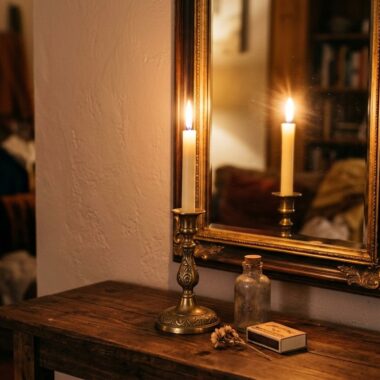
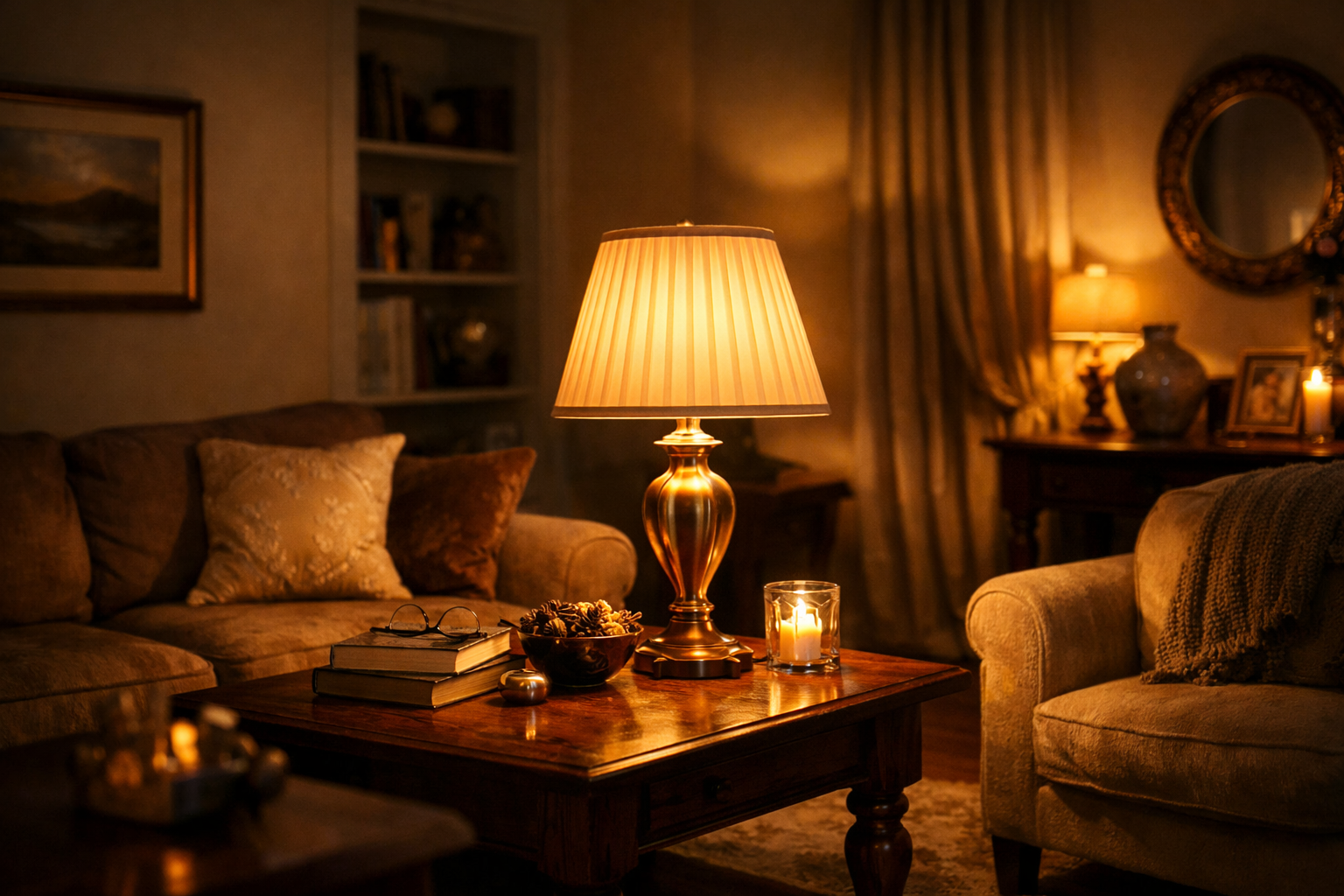
Now switch it off. Place a table lamp on the side console, warm-toned, shade angled slightly downward. The room you are standing in is suddenly a different room entirely. The shadows return, gentle ones, the kind that give furniture its depth and walls their texture. The corners recede. The seating area pulls inward. Something that was a space becomes a place.
This is not a trick of the imagination. It is lighting architecture at its most domestic scale, and it begins with a single, considered lamp.
The Psychology of Warm Light: Why Your Brain Responds Differently
Overhead lighting mimics the sun at noon, high, flat, and directional from above. Our nervous systems associate it with alertness, productivity, and scrutiny. It is no accident that it features in offices, hospitals, and interrogation rooms. It keeps us awake and slightly on edge.
Warm low-level light, by contrast, mimics firelight and the golden hour, both of which the human brain reads as signals of safety, rest, and social warmth. A table lamp positioned at surface height, casting a pool of amber light across a corner of the room, does not just look warmer. It physiologically encourages the body to relax.
This is the biological argument for bedroom side table lamps that so many interior designers make instinctively without labelling it. When light comes from below eye level, the melatonin signal activates. When it comes from above, it suppresses. A single lamp swap in a bedroom is not decoration, it is a sleep intervention.
Lamps as Visual Anchors: Defining Zones Without Walls
One of the most underused capabilities of a lamp is its power to create a room within a room. Interior architects call these micro-zones, defined areas within an open-plan space that feel psychologically distinct from their surroundings, without any structural division.
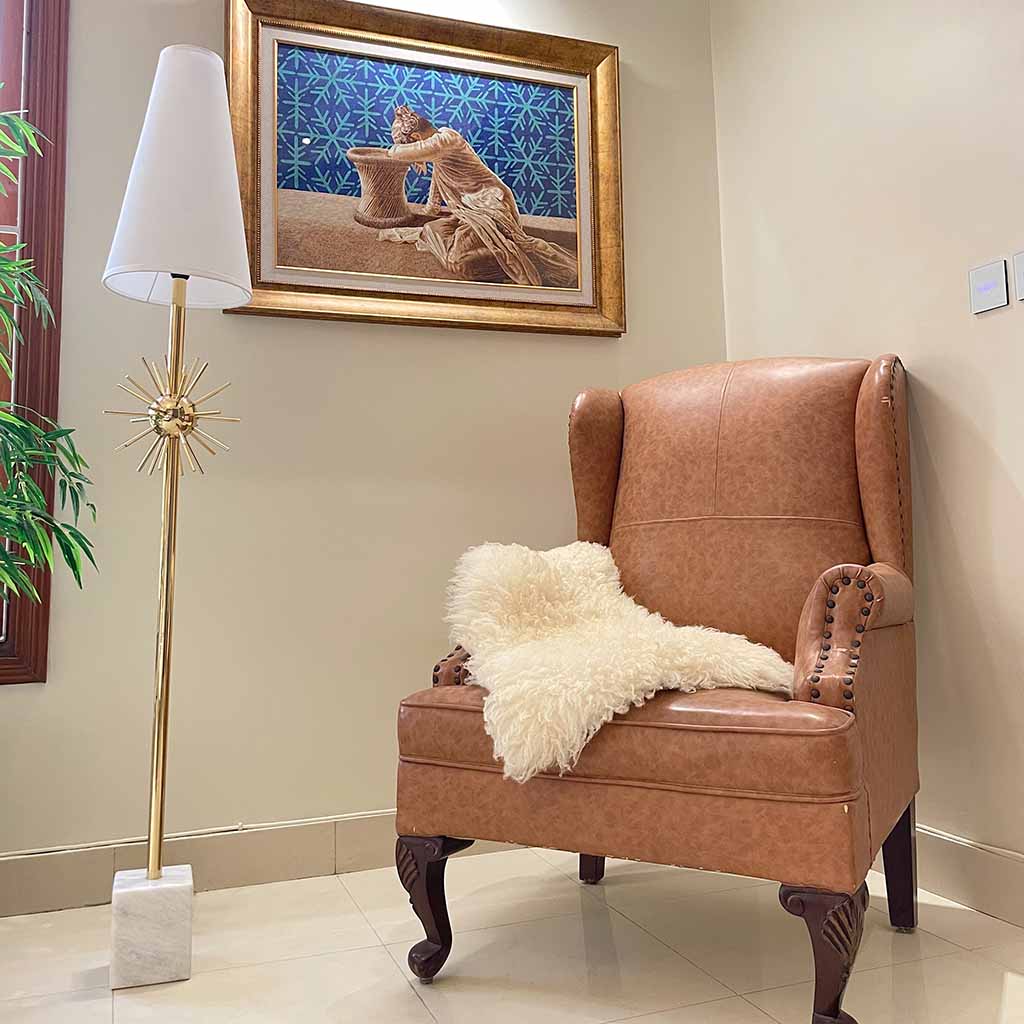
A floor lamp for the bedroom corner, positioned behind a reading chair with a book on the armrest, creates an unmistakable reading nook. The lamplight defines the territory. You know where to sit. You know what happens there. No room divider, no rug change, no architectural intervention, just a column of warm light claiming a corner as its own.
Modern floor lamps in living rooms perform the same role beside sofas: they frame the conversation area, draw the eye inward toward the seating rather than upward to the ceiling, and anchor the furniture grouping in a way that floating overhead lights simply cannot. The fixture becomes the reason the sofa is where it is, a lighting logic that organises the room from the ground up.
The Vignette Formula: How to Style a Lamp, Not Just Place One
A lamp on a bare surface is an object. A lamp within a considered arrangement is a composition, and the difference is everything.
The formula designers return to is simple: the rule of three, at three different heights.
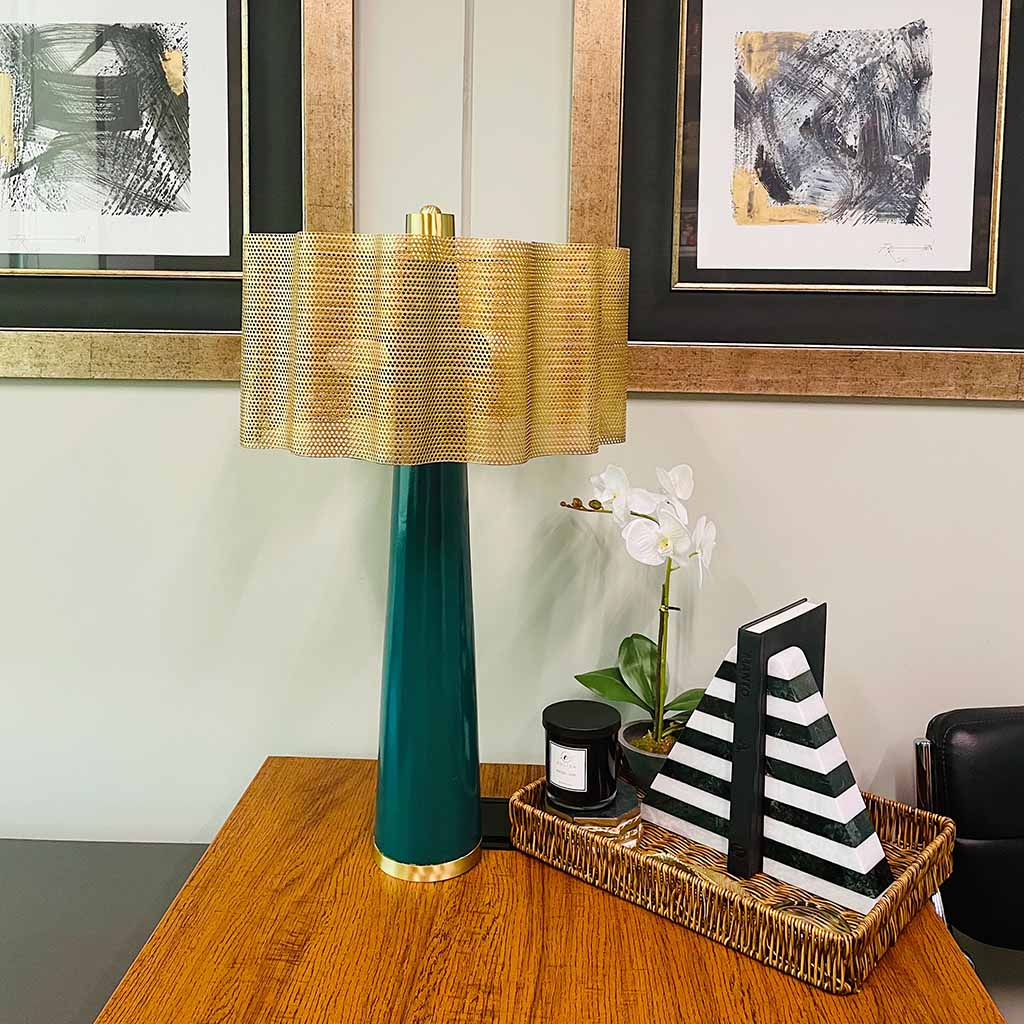
- The Tall Anchor, the lamp itself, provides the vertical axis and the light source.
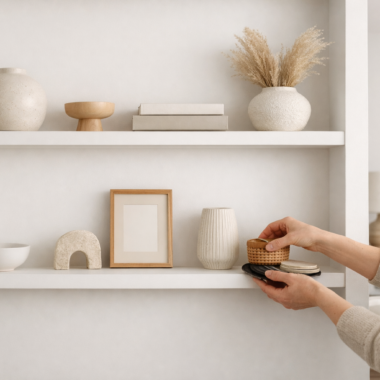
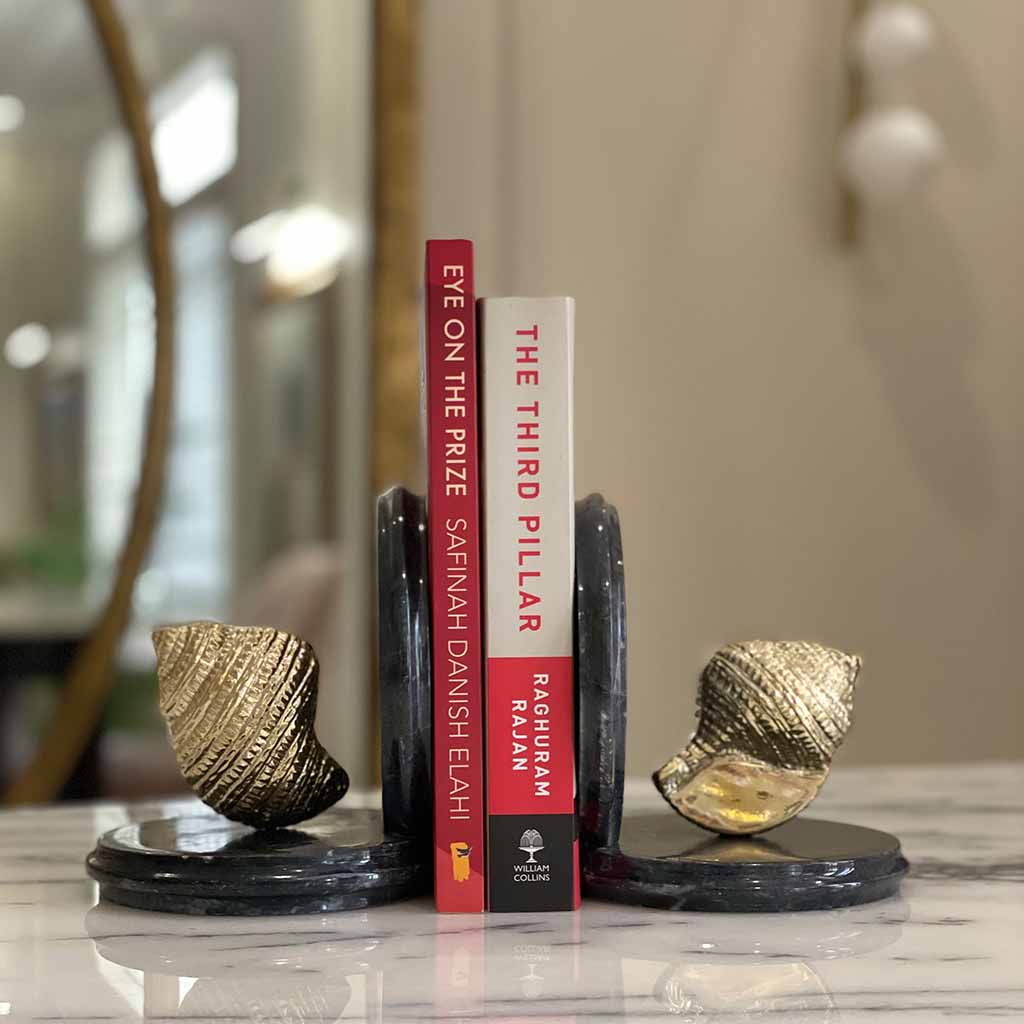
- The Mid-Height Object, a small stack of hardcover books, a ceramic vase, and a sculptural vessel at roughly half the lamp’s height.
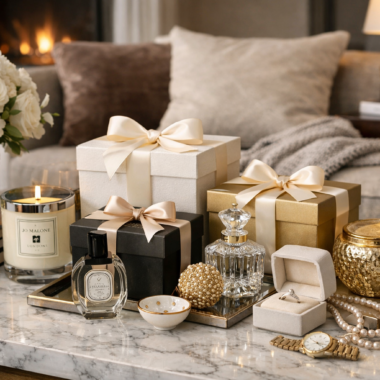
- The Low Accent, a tray, a small candle, a smooth stone, or a single bloom in a narrow vessel sitting directly on the surface.
These three elements, arranged with slight asymmetry rather than perfect alignment, give a surface its sense of intention. The tray is critical: it acts as a frame within the frame, pulling the objects into a cohesive unit and preventing the lamp from reading as an isolated accessory. When you buy floor lamps online in Pakistan or invest in a statement table lamp, the vignette around it determines whether the piece reads as furniture or as design.
Before and After: The Sensory Transformation
Before: A living room at 7 pm, single ceiling pendant blazing at full brightness. The sofa cushions look washed out. The coffee table holds objects that all compete equally for the eye, there is no hierarchy, no depth. The television is the only thing that reads as warm in the space. Conversation feels slightly effortful. No one lingers.
After: The same room, same evening, same people. The overhead pendant is off. A tall arc floor lamp stands behind the left end of the sofa, casting its glow down and forward across the cushions. On the console behind the seating, a table lamp in brushed brass with a cream linen shade burns at low wattage. The coffee table now has shadow and dimension. The corner bookshelf disappears softly into the background. The sofa suddenly looks deeper, more generous, more inviting than it did at noon. No one wants to leave.
This is not an exaggeration. It is the consistent, repeatable result of shifting light sources from ceiling height to surface and standing height, and it happens in every room type, every interior style, and every budget range.
Day Object, Night Instrument: The Dual Life of a Well-Chosen Lamp
A lamp earns its place in an interior twice over.
By day, when natural light fills the room, and the fixture is switched off, it functions as a sculpture. The silhouette of a well-proportioned floor lamp beside a window, or the solid geometry of a stone-based table lamp on a console, contributes to the room’s daytime composition the same way a ceramic vessel or a framed print does. The material matters here: table lamps in Pakistan’s most considered interiors increasingly feature marble bases, hand-blown glass columns, and woven rattan structures that hold their own as objects of craft even in daylight.
By night, the same object becomes an instrument. The shade diffuses or concentrates. The warmth of the base reflects the bulb’s temperature. The pool of light it casts on the surrounding surface changes the room’s entire colour reading. Warm tungsten light deepens timber tones, softens white walls, and makes upholstered furniture look richer and more saturated than it does in daylight.
Choosing a lamp is, in this sense, choosing two things at once: a sculpture for daylight hours and a mood-setter for the evening. The best ones, the ones that genuinely transform a room, succeed at both.
Browse the full Creo Living collection at pk.creoliving.com, designer lamps, sculptural home decor, luxury furniture, fine serveware, and curated gifting pieces for interiors that mean something.
Peruse our complete range and acquire the lighting pieces that give your rooms their warmth, their atmosphere, and their unmistakable sense of considered living.
FAQs
1. How many lamps does a bedroom actually need?
A: As a baseline, two matched bedroom side table lamps on either side of the bed provide balanced task lighting for reading and a symmetrical visual anchor. Add a third source, a floor lamp for the bedroom corner or a low ambient lamp on a dresser, if the room is larger than 14 square metres or if you want a distinct mood zone separate from the sleeping area.
2. What wattage and colour temperature should I use in a bedroom lamp?
A: For bedrooms, 2700K–3000K warm white bulbs in the 6–10 watt LED range (equivalent to 40–60W incandescent) are the professional standard. Anything cooler than 3000K will work against the room’s restful purpose. Dimmable bulbs paired with a dimmer-compatible shade fitting give the widest range of atmospheric control.
3. What should I look for when I buy floor lamps online in Pakistan?
A: Prioritise base weight, shade construction, and cord finish. A floor lamp with a lightweight hollow base will shift or tip; solid metal, stone, or weighted resin bases are the reliable choice. Confirm the shade dimensions against the base, a shade too narrow for its base looks pinched and unresolved. Look for fabric-covered cords in a matching tone, and always confirm compatibility with locally available E27 or B22 bulb fittings before purchasing.
4. Can modern floor lamps work in small rooms, or do they overwhelm the space?
A: Slim-profile modern floor lamps, particularly torchière or straight-column uplights, work very well in compact spaces precisely because they take up floor area rather than surface area, leaving tables and shelves free. The key constraint is ceiling height: uplighting floor lamps in rooms with ceilings below 2.7 metres will emphasise the low ceiling rather than disguise it. In those cases, a floor lamp with a downward-directed shade or a focused arc form is a better choice.