

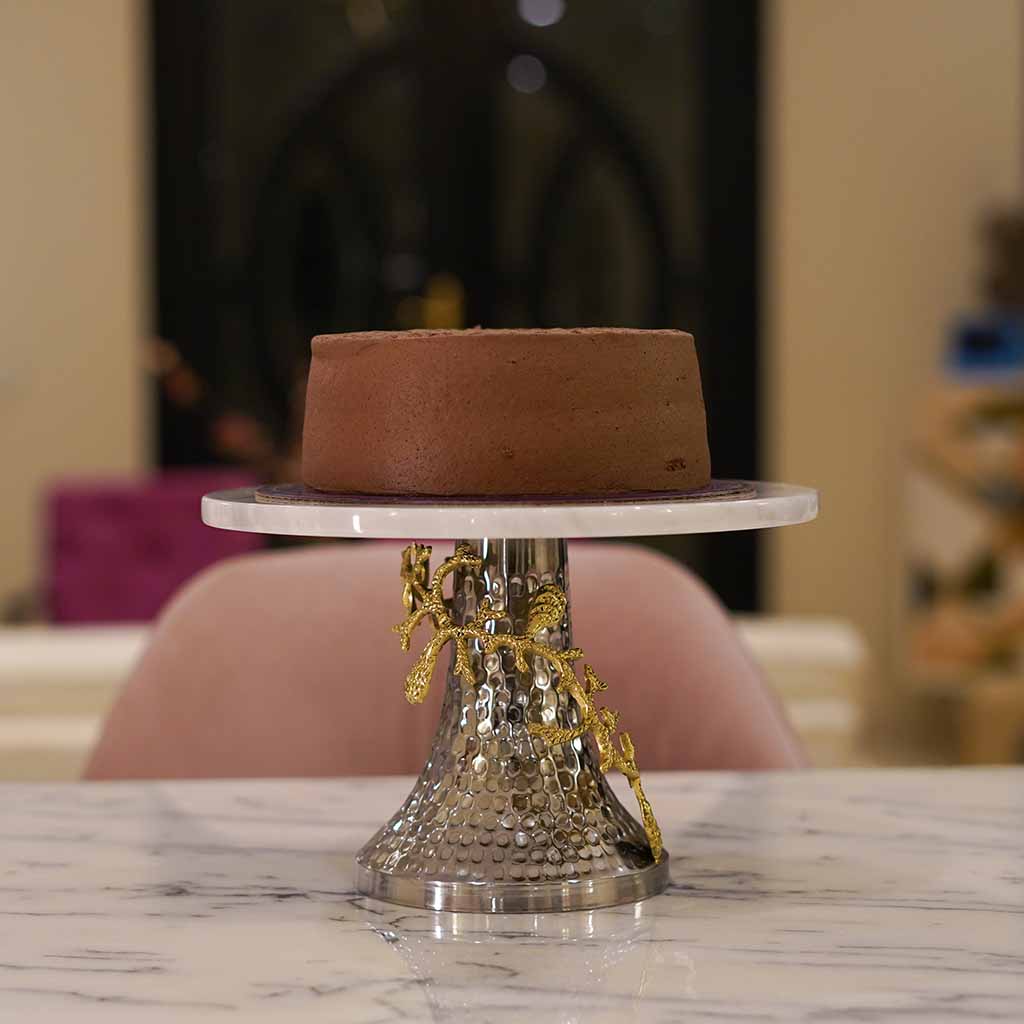
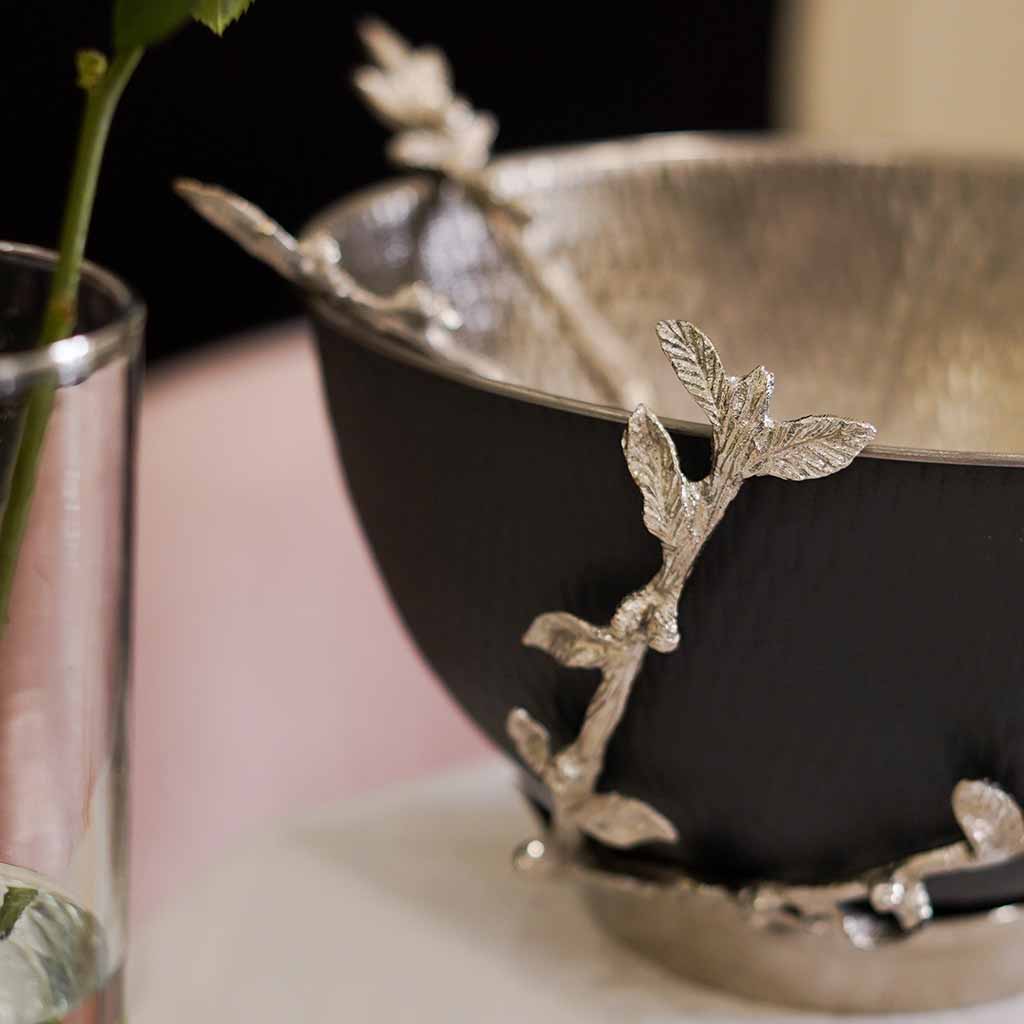

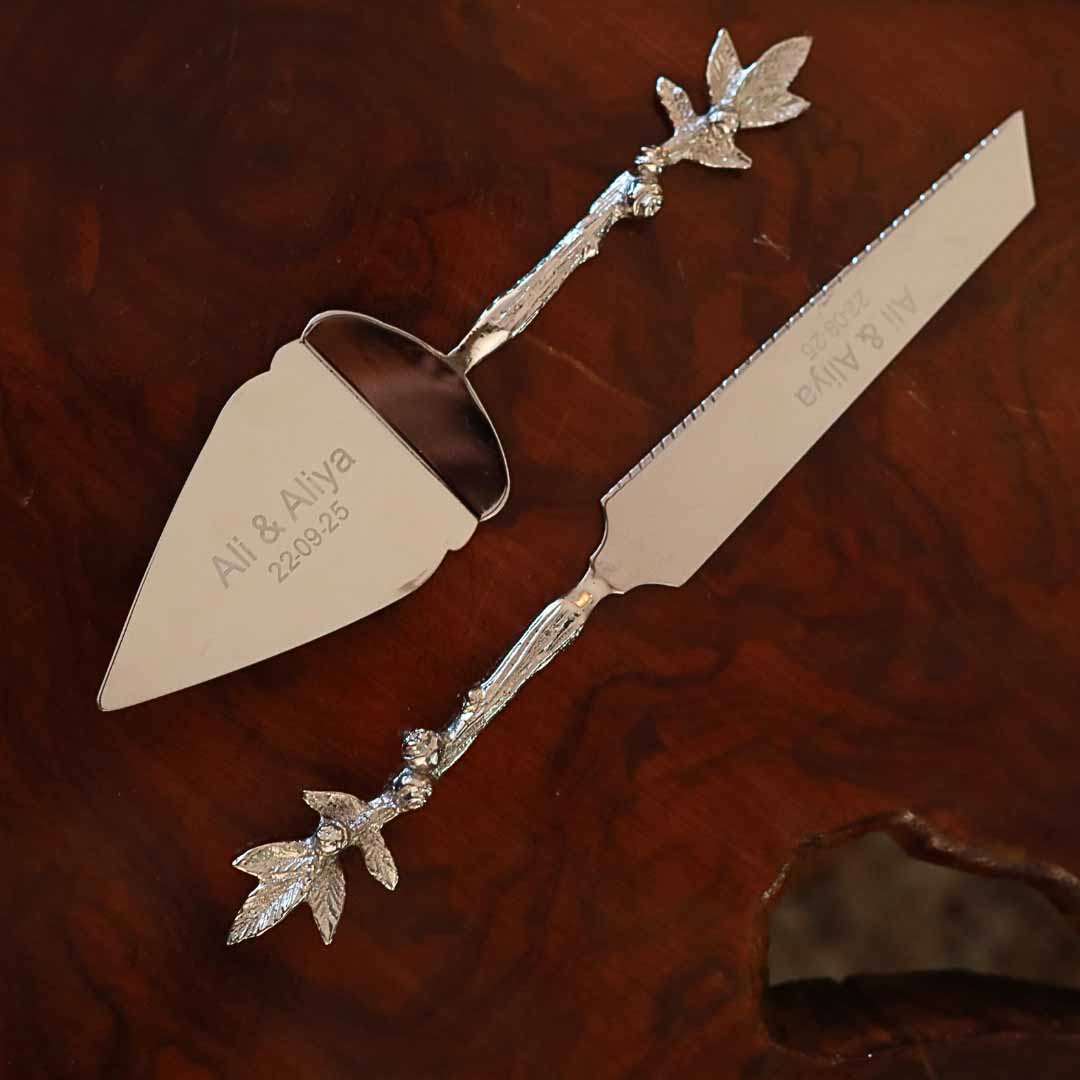
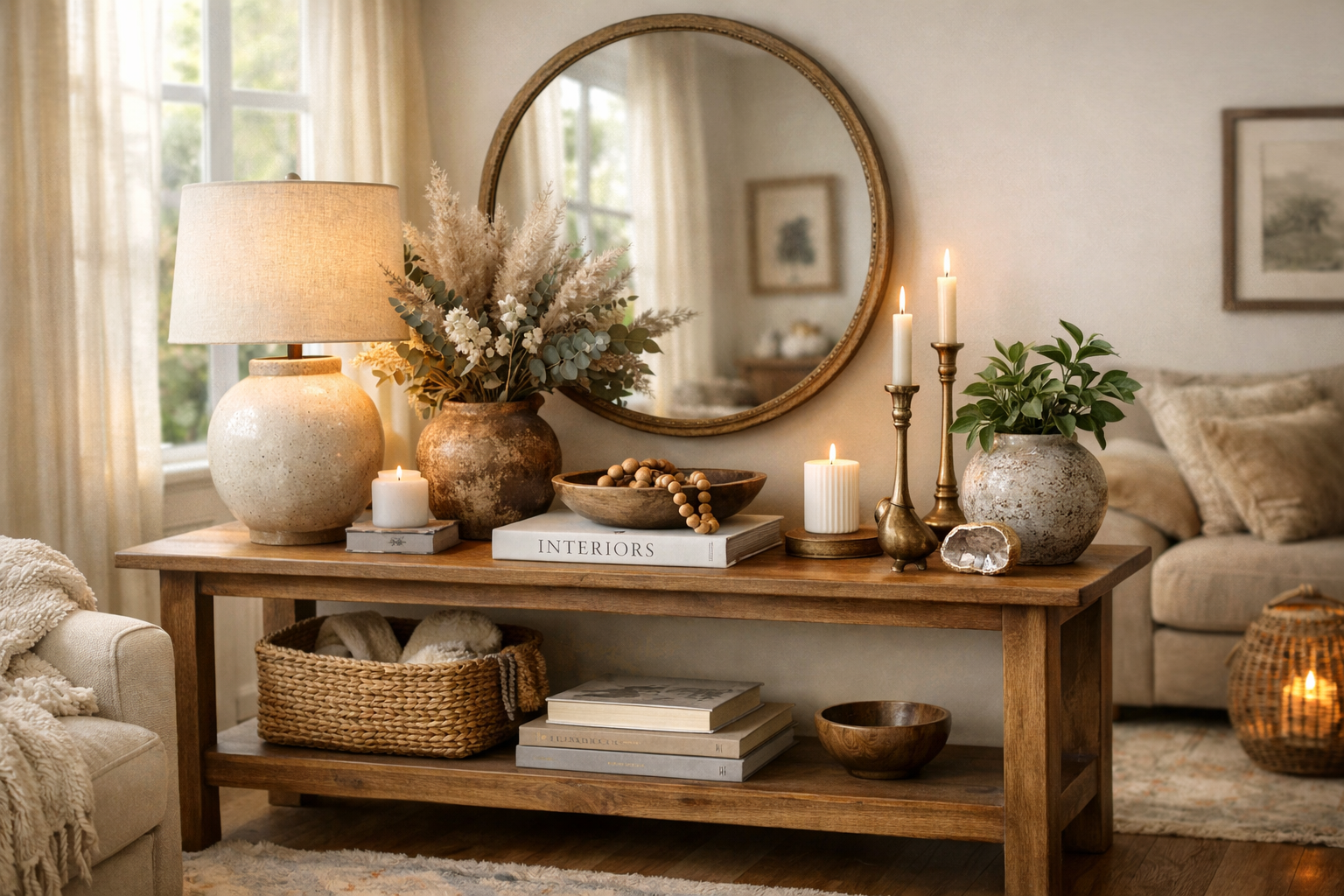
There is a particular kind of dissatisfaction that comes from a room that looks almost right. The sofa is impeccable. The rug anchors the space with confidence. The lighting is warm, considered, and layered. Yet something remains unresolved, a spatial restlessness that no amount of cushion rearranging will fix. Nine times out of ten, the culprit is the same: the room is missing its surfaces.
Small-scale functional furniture, the accent table, the side table, and the center table are not decorative punctuation. It is structural grammar. Without it, a seating arrangement floats, objects have nowhere to land, and the room quietly fails the people living inside it.
The Functional Trio: Three Tables, One Cohesive Room
Understanding why your space feels incomplete begins with recognising what each table type actually does, not just aesthetically, but architecturally.
The Accent Table
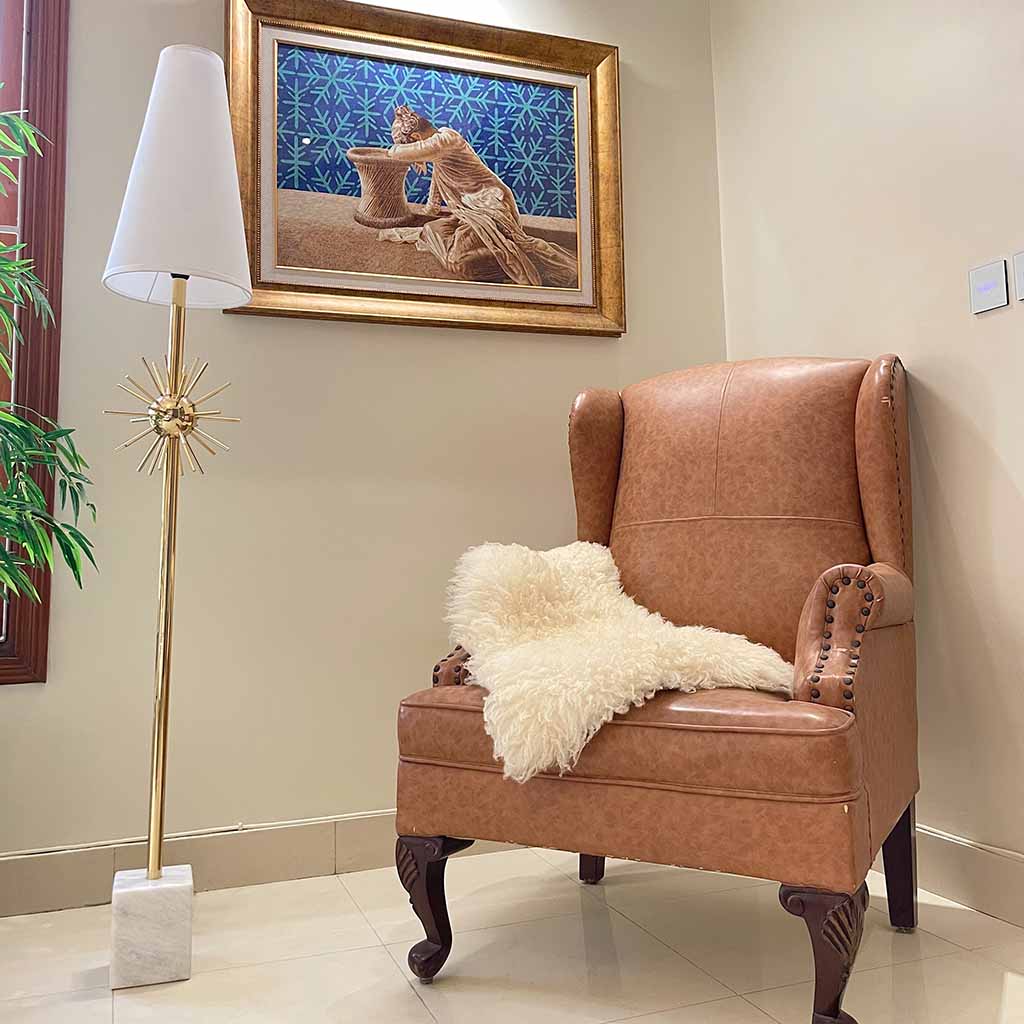
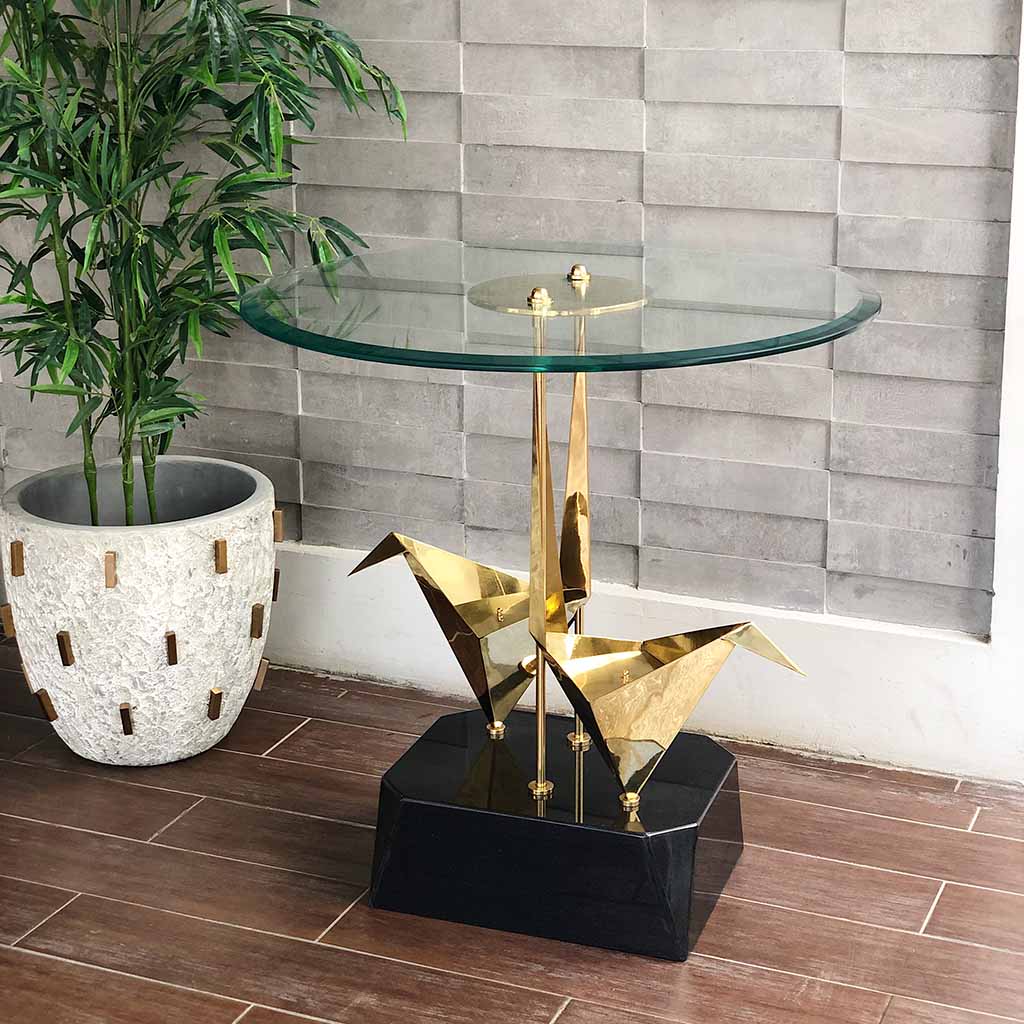
This is the room’s personality piece. Placed beside an armchair, at the end of a console, or tucked into a corner that needs definition, an accent table carries the weight of character. It does not need to match anything. It needs to mean something, a sculptural form, an unexpected material, a finish that catches light differently at different hours.
Side Tables for Living Room
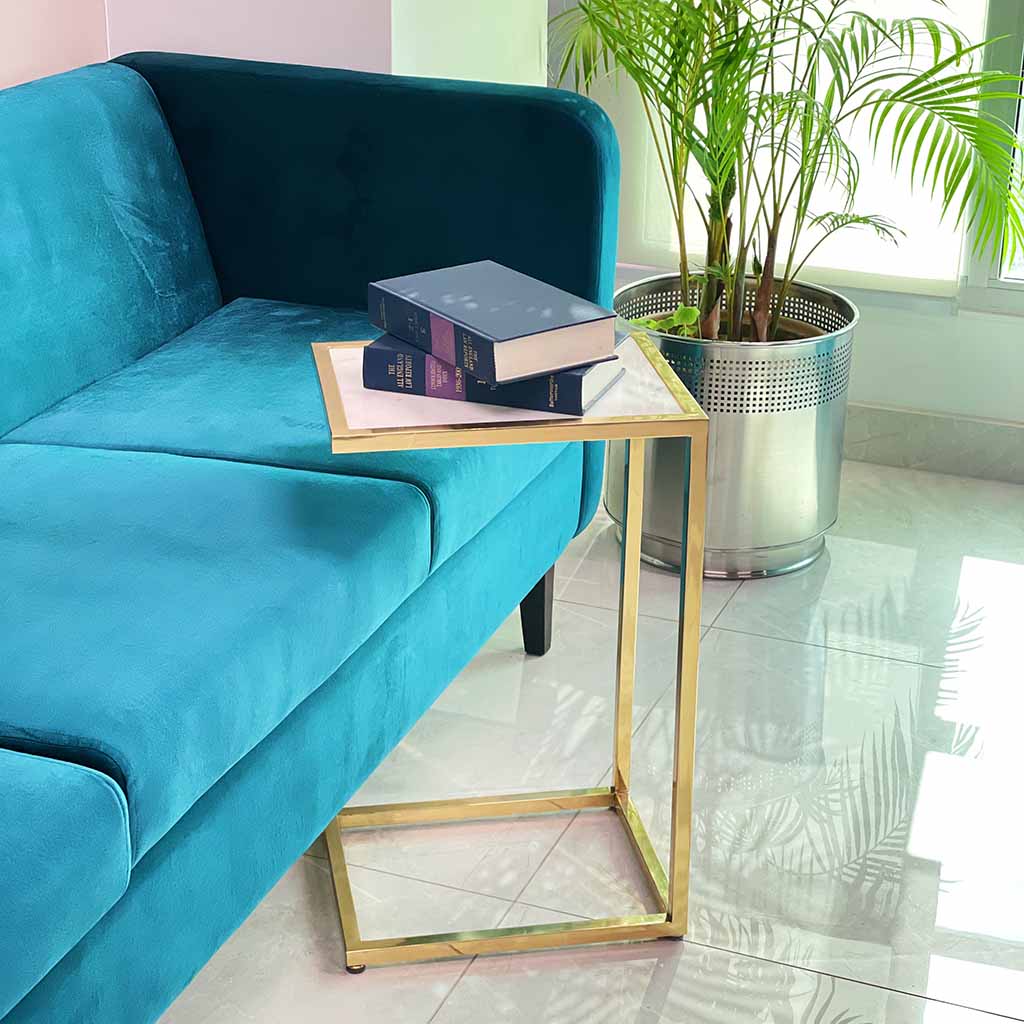
Where accent tables express, side tables for living room arrangements serve. These are the workhorses of a seating plan, holding a drink, a book, and a phone charging quietly overnight. Their value is in proximity and proportion, always within an arm’s reach of wherever a person naturally settles. A living room without them forces a series of small inconveniences that compound into genuine discomfort.
The Modern Center Table
The modern center table operates as the room’s anchor, the gravitational centre around which all other furniture orients itself. It defines the seating zone, sets the material palette conversation, and offers the largest available surface for considered styling. Choose it deliberately. Everything else responds to it.
The Rules of Scale and Height
Poor proportions between seating and tables produce rooms that look subtly wrong without the viewer quite knowing why. Follow these guidelines precisely:
- The arm height rule: Your side table should sit within 2–5 cm of your sofa or armchair arm height. This allows effortless reach without stretching or stooping.
- Deep sofas require taller tables. A low-profile table beside a deep, sink-in sofa creates an awkward lean. Prioritise tables with a height of at least 55–65 cm in these arrangements.
- Center table height: For standard sofas, a modern center table should sit approximately 5–8 cm below the sofa seat height, low enough to feel grounded, high enough to remain functional.
- Scale to the seating, not the room. A large sectional paired with delicate side tables looks architecturally confused. Match visual weight to visual weight.
- Leave breathing room. Maintain at least 40–45 cm between the center table edge and the sofa to allow comfortable movement without disrupting the composition.
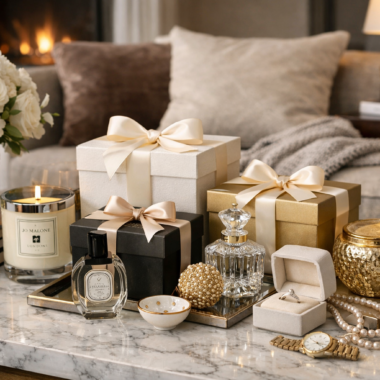
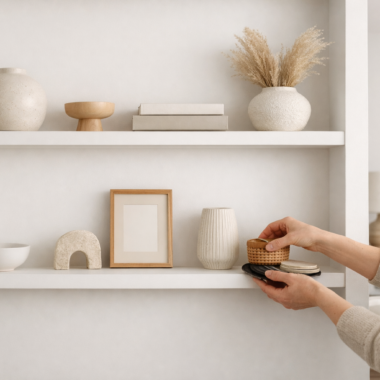
The Vignette Formula: How to Style a Table Surface
A well-styled table surface is not an accident, it follows a layering logic that balances height, weight, texture, and function.
The Four-Element Formula
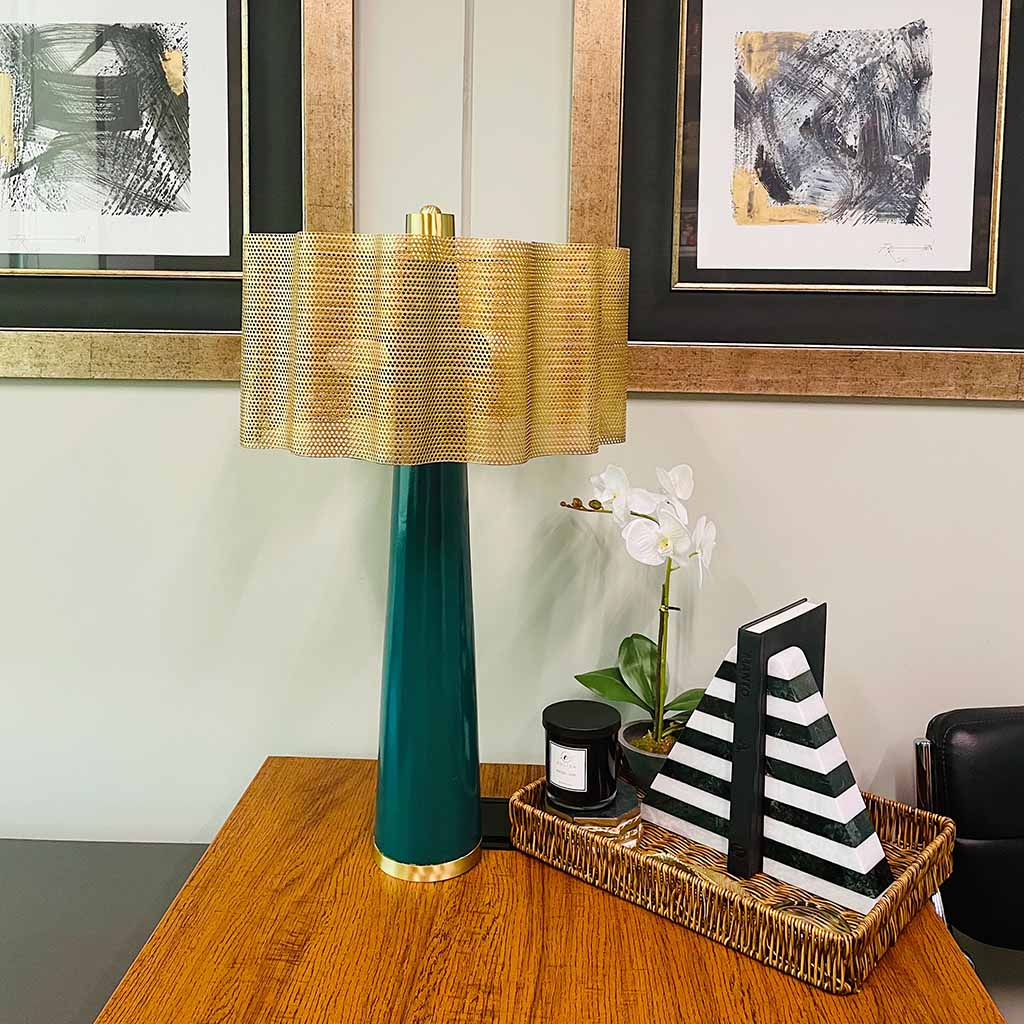
1. Start with Structure: The Tray
Ground the surface with a tray. This immediately creates visual containment, signalling that what sits within it belongs together. Use a tray in a contrasting material to the table itself, a stone tray on a brass table, a lacquered tray on raw wood.
2. Build Height: The Lamp
A table lamp is non-negotiable in a complete vignette. It draws the eye upward, adds warmth to the entire corner, and separates a thoughtfully styled surface from a merely tidy one. Position it at the back or one side, never centred.
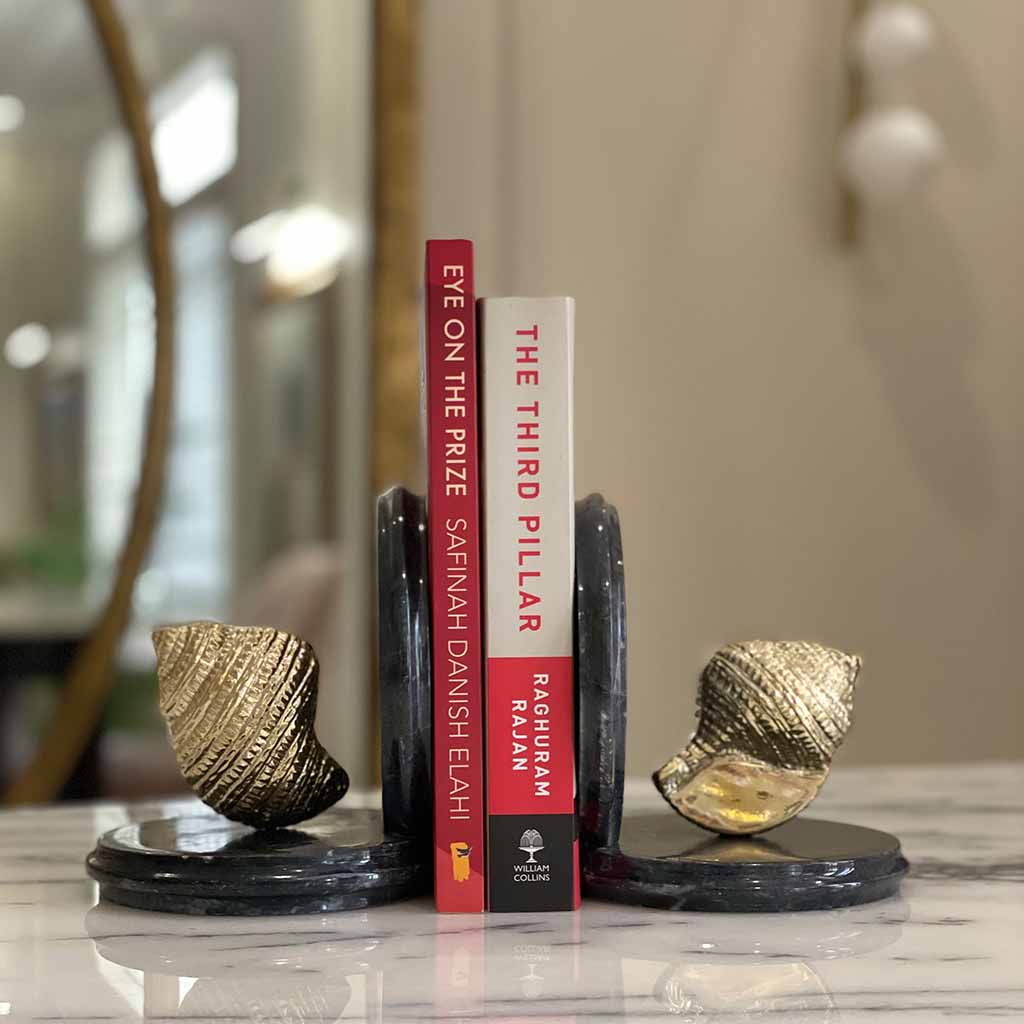
3. Add Weight: The Design Book
A substantial design or art book introduces visual mass and horizontal grounding. Stack two if the surface allows. The spine colour, the cover texture, these details matter more than most people acknowledge.
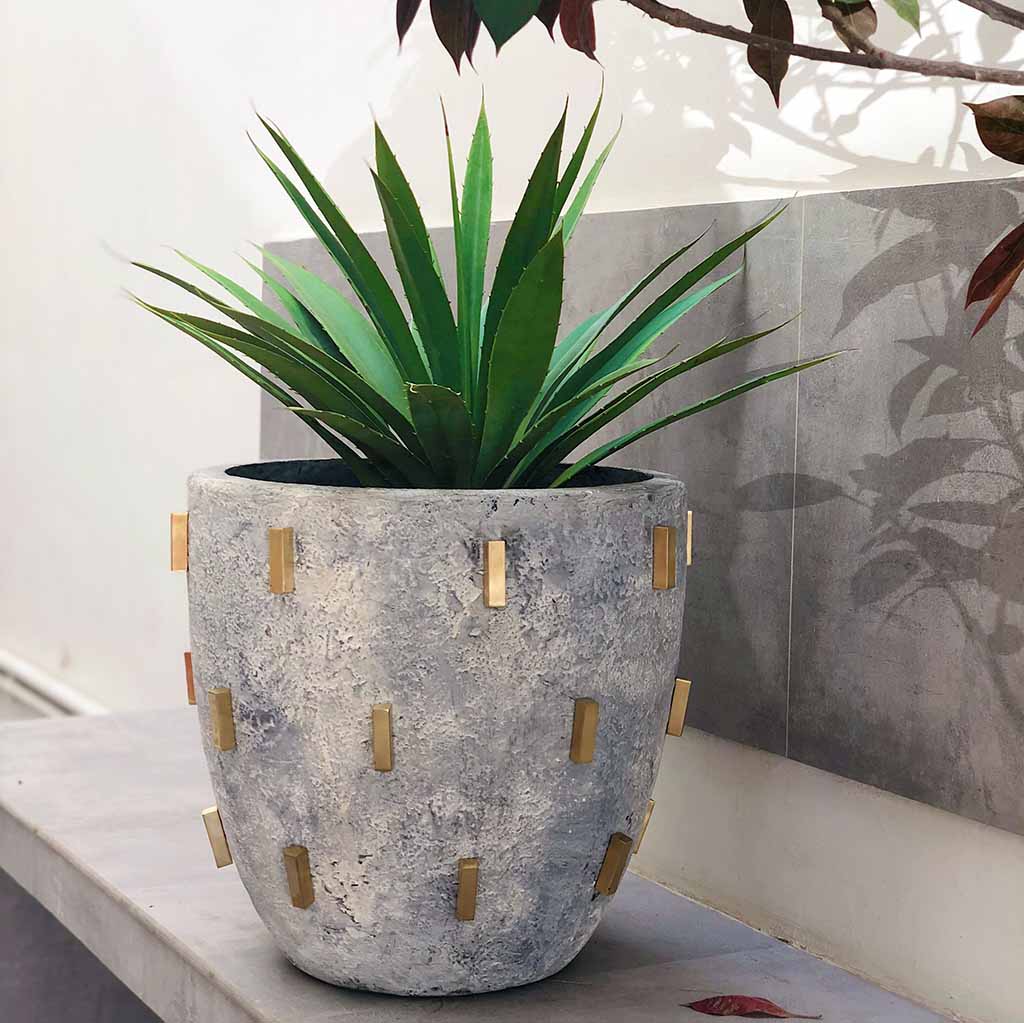
4. Introduce Life: The Organic Element
A small plant, a stem in a bud vase, or a low floral arrangement softens the geometry of every other object on the surface. This element should be compact, the goal is to accent, not be the focal point.
Mastering the Mix: Materials and Finishes Without Conflict
The instinct to match all table materials in a room is understandable but limiting. Confident interiors mix, and the results are invariably richer.
How to Combine Without Creating Chaos
- Anchor with one dominant material. If your modern center table is marble, let it lead. Side tables and accent tables can then introduce brass, dark wood, or smoked glass as complementary notes.
- Repeat at least one finish across the room. A brass accent table echoed in the lamp base, the candle stand, or cabinet hardware creates cohesion without uniformity.
- Contrast texture, not tone. A matte stone surface paired with a polished metal frame works because the tones remain close while the textures diverge. Avoid clashing two high-gloss surfaces of similar colour.
- Wood warms every combination. When in doubt, a wooden element, whether walnut, oak, or lacquered, brings organic warmth that prevents a space from reading as cold or overly styled.
| Pairing | Works Because |
| Marble top + brass frame | Softness meets warmth |
| Dark wood + matte black | Tonal depth, textural contrast |
| Stone + smoked glass | Both recede quietly; neither competes |
| Mixed metals (brass + black) | Works when one dominates |
Source the table pieces that complete your interiors at pk.creoliving.com, where considered design meets lasting craftsmanship. Every surface, every room, every detail: find it all in one curated destination.
FAQs
Q: Can I use different table styles in the same living room without it looking mismatched?
A: Absolutely. The key is consistency in either material, tone, or finish. Vary the form and silhouette freely, but maintain one unifying thread, a shared metal accent, a complementary colour range, or a consistent design era.
Q: What should I consider before I buy tables online Pakistan?
A: Prioritise verified dimensions, material specifications, and finish photography in natural light. When you buy tables online Pakistan, request detailed product measurements and confirm whether the finish is sealed or raw, particularly for stone and brass surfaces, to assess maintenance requirements accurately.
Q: How many tables does a living room actually need?
A: At minimum: one modern center table and two side tables for living room seating. An accent table in a secondary corner or beside a single armchair elevates the space further. Avoid overcrowding, each surface should have clear spatial ownership.
Q: How do I style an accent table in a small room without it feeling cluttered?
A: Edit ruthlessly. In a compact room, limit each accent table to two or three objects maximum. Prioritise vertical height, a slim lamp, and one small plant over horizontal spread. A tray still helps; it signals intention even when holding very little.