
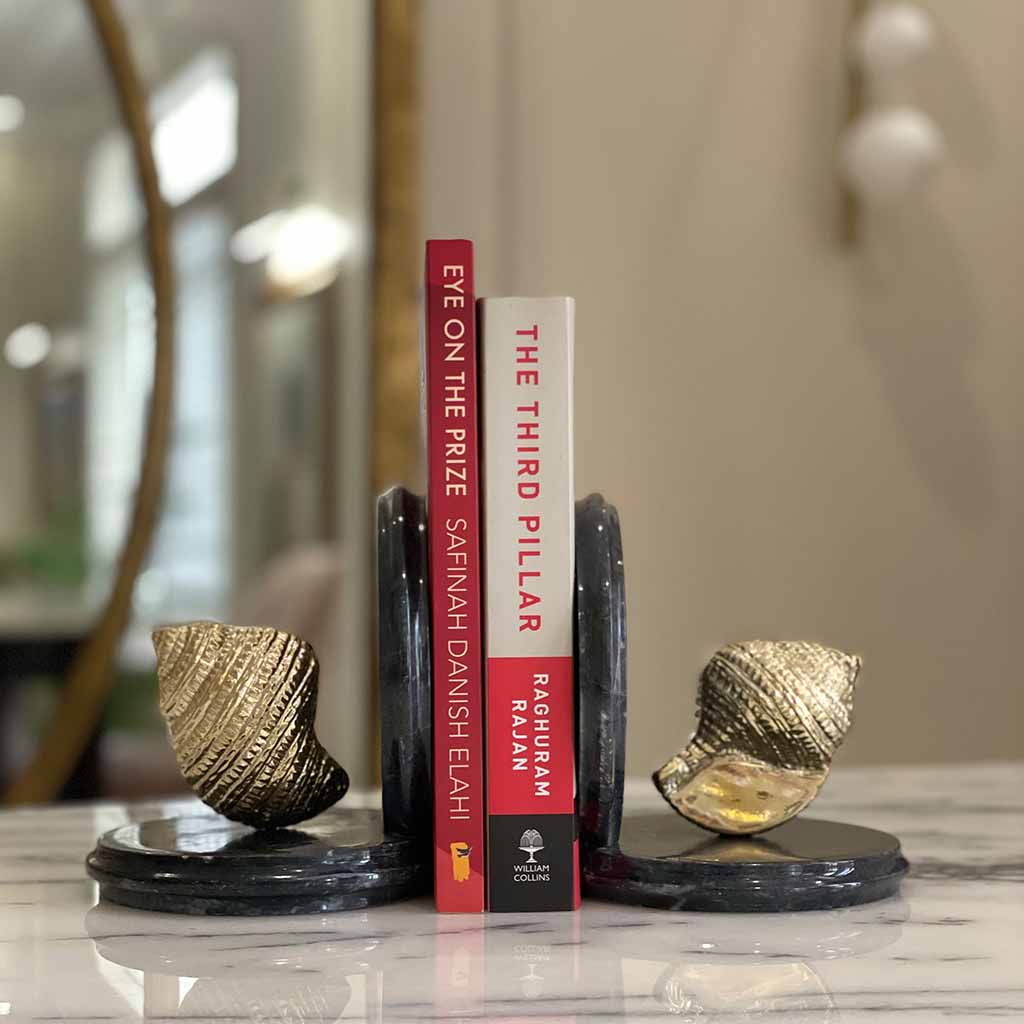
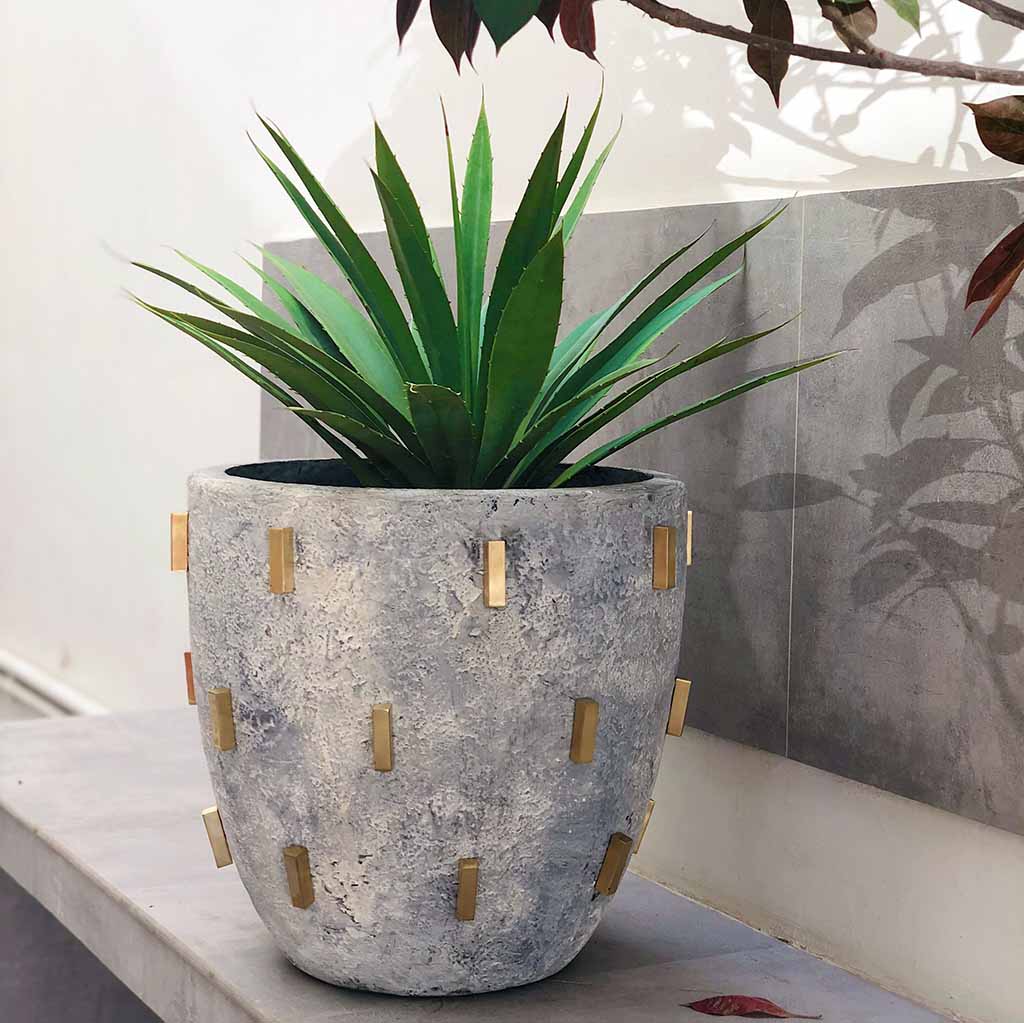

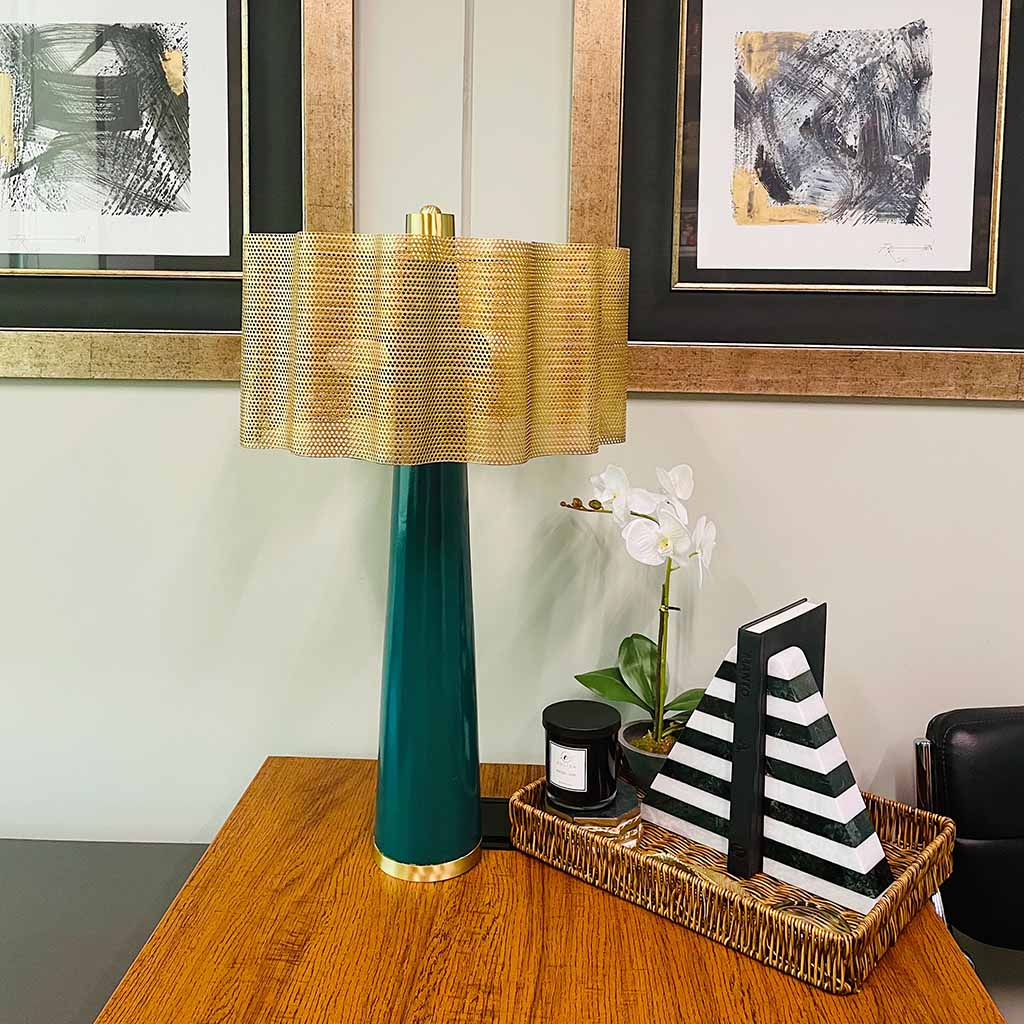
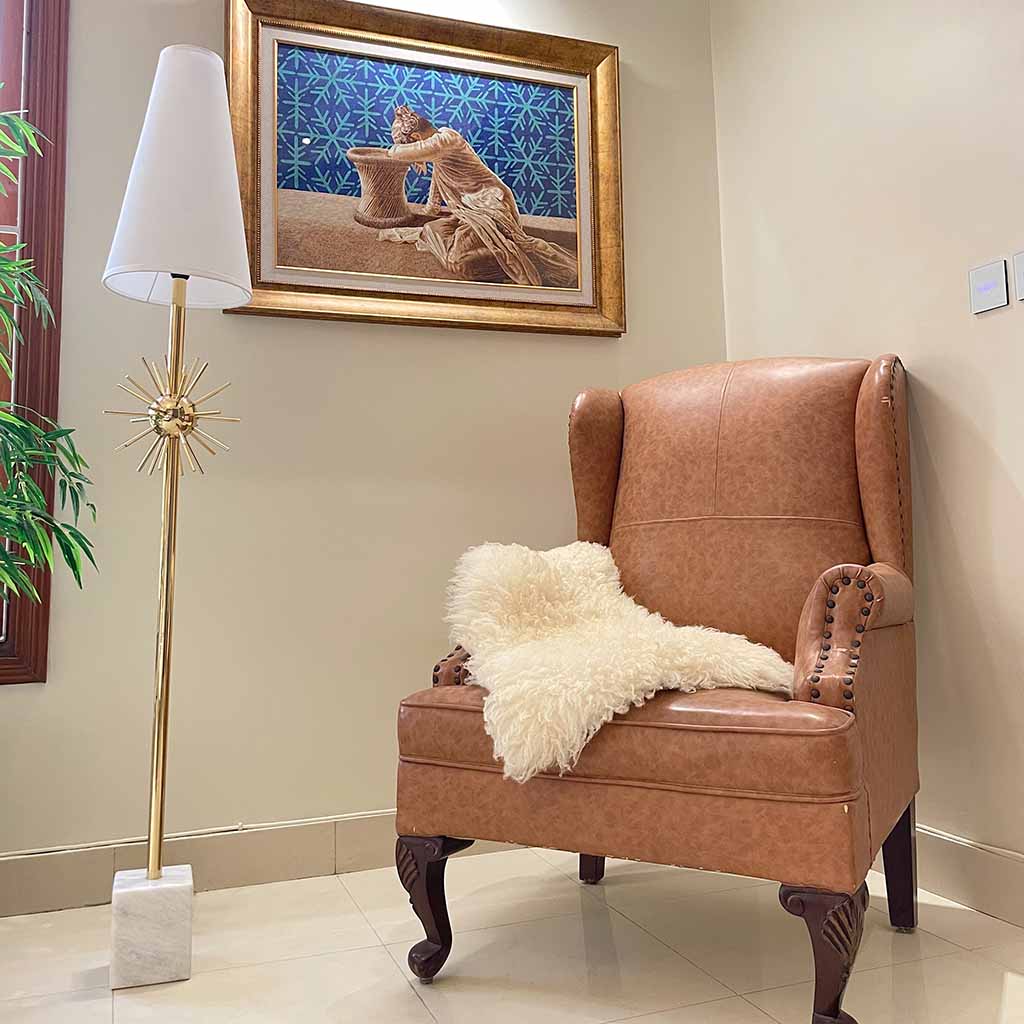
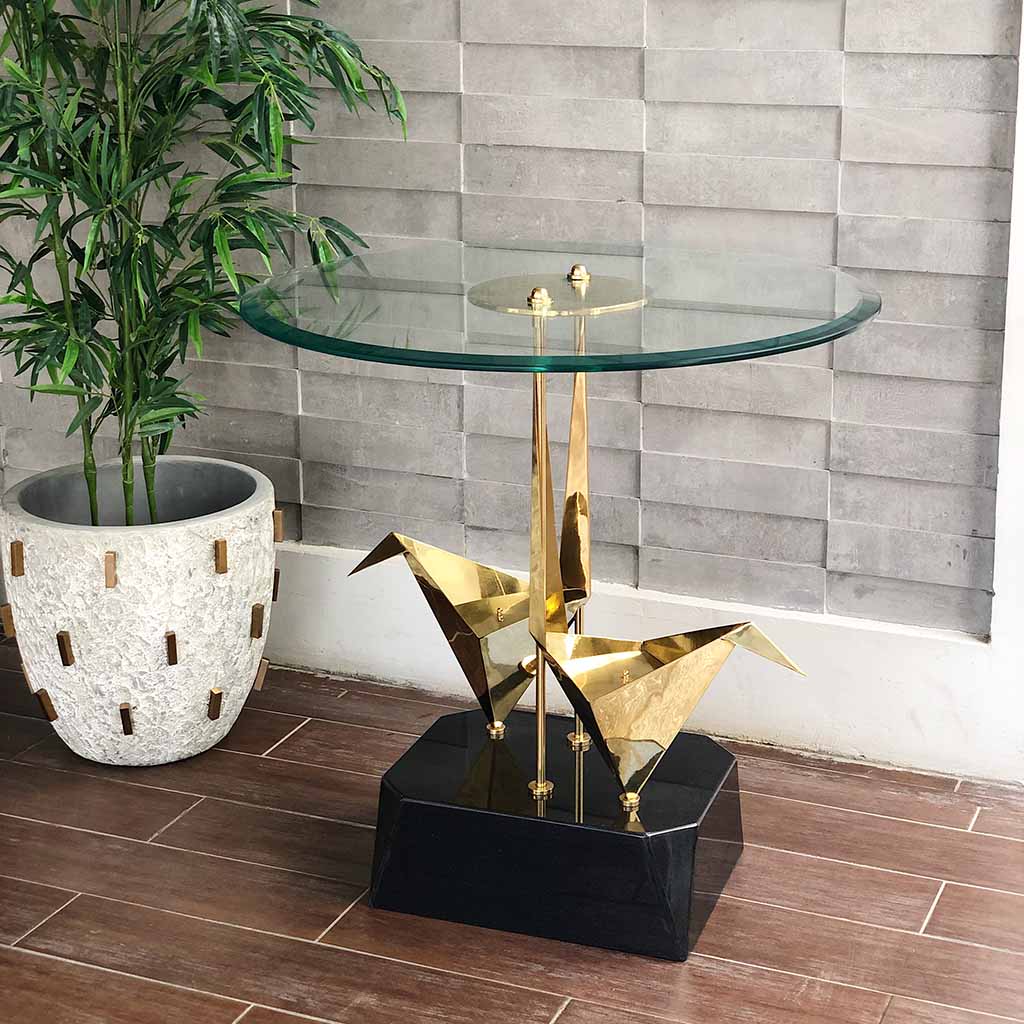
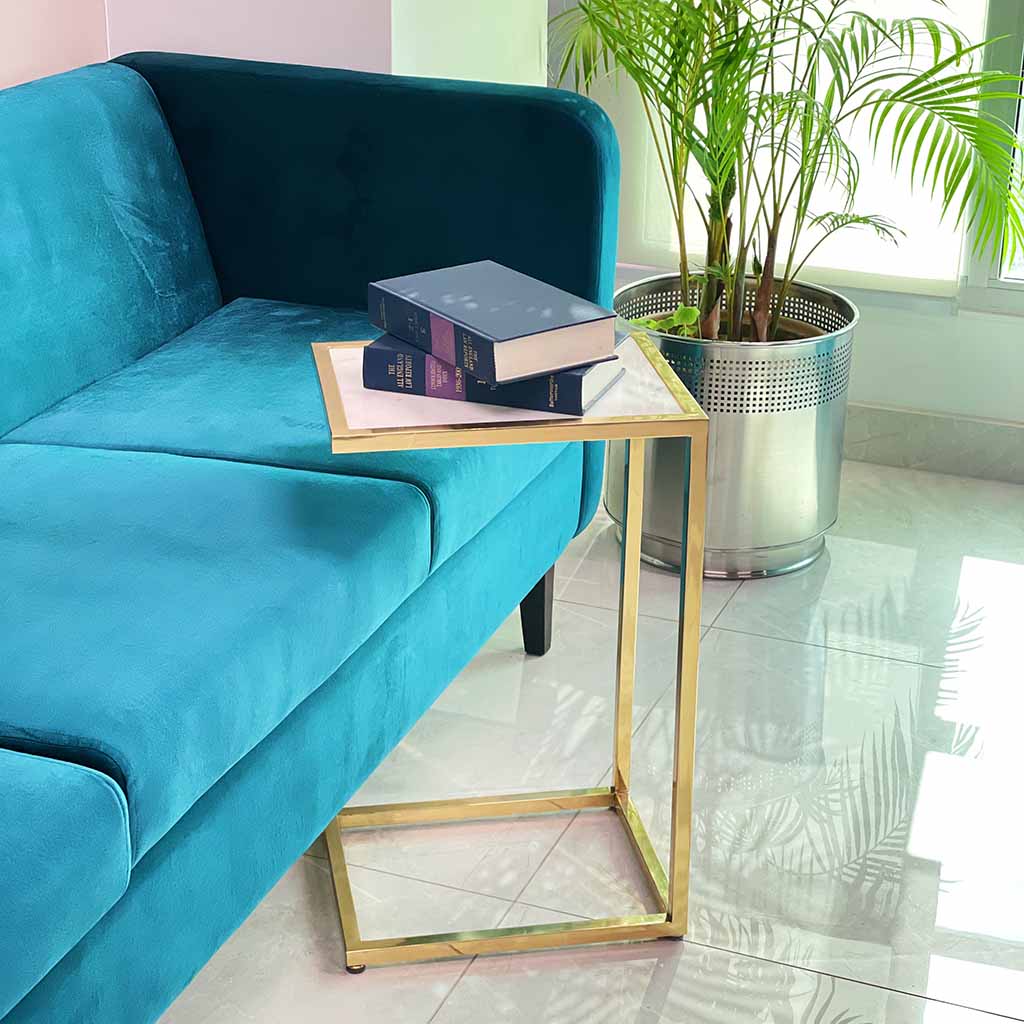
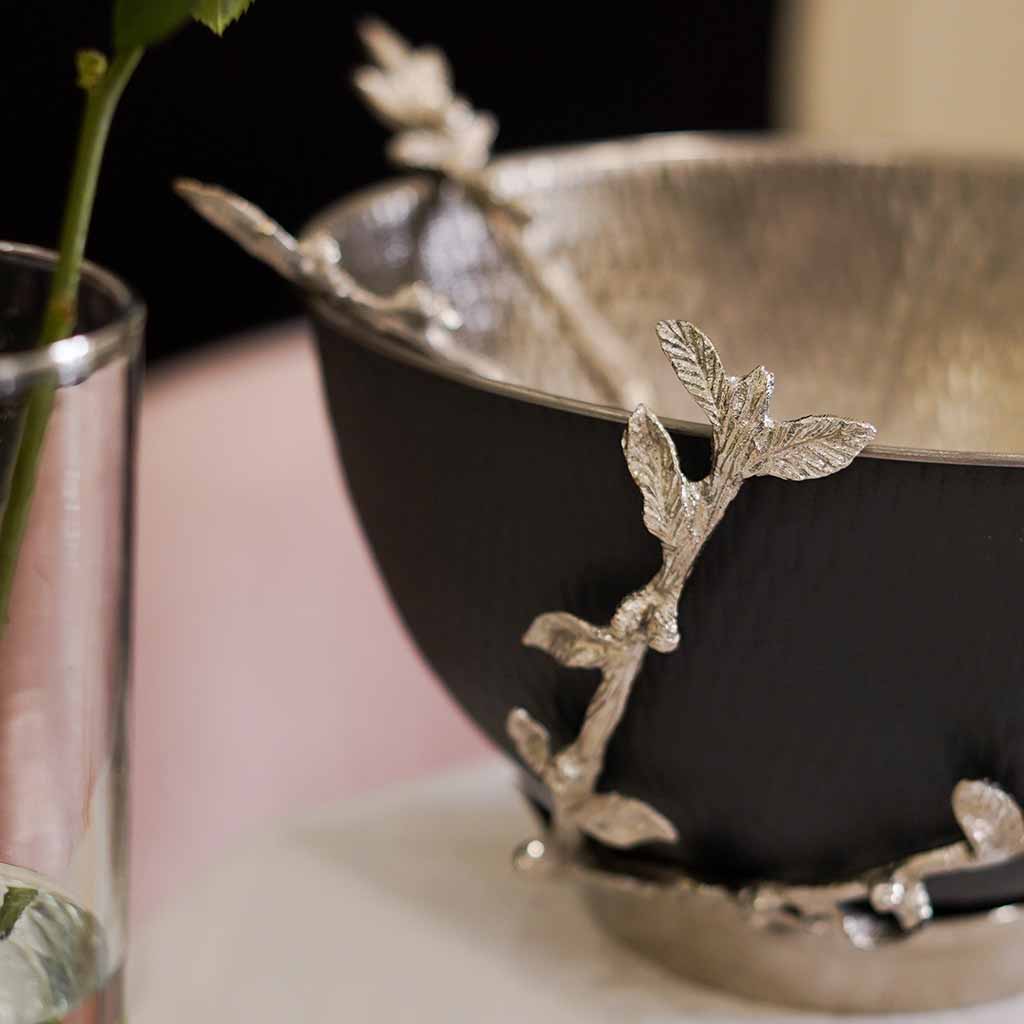
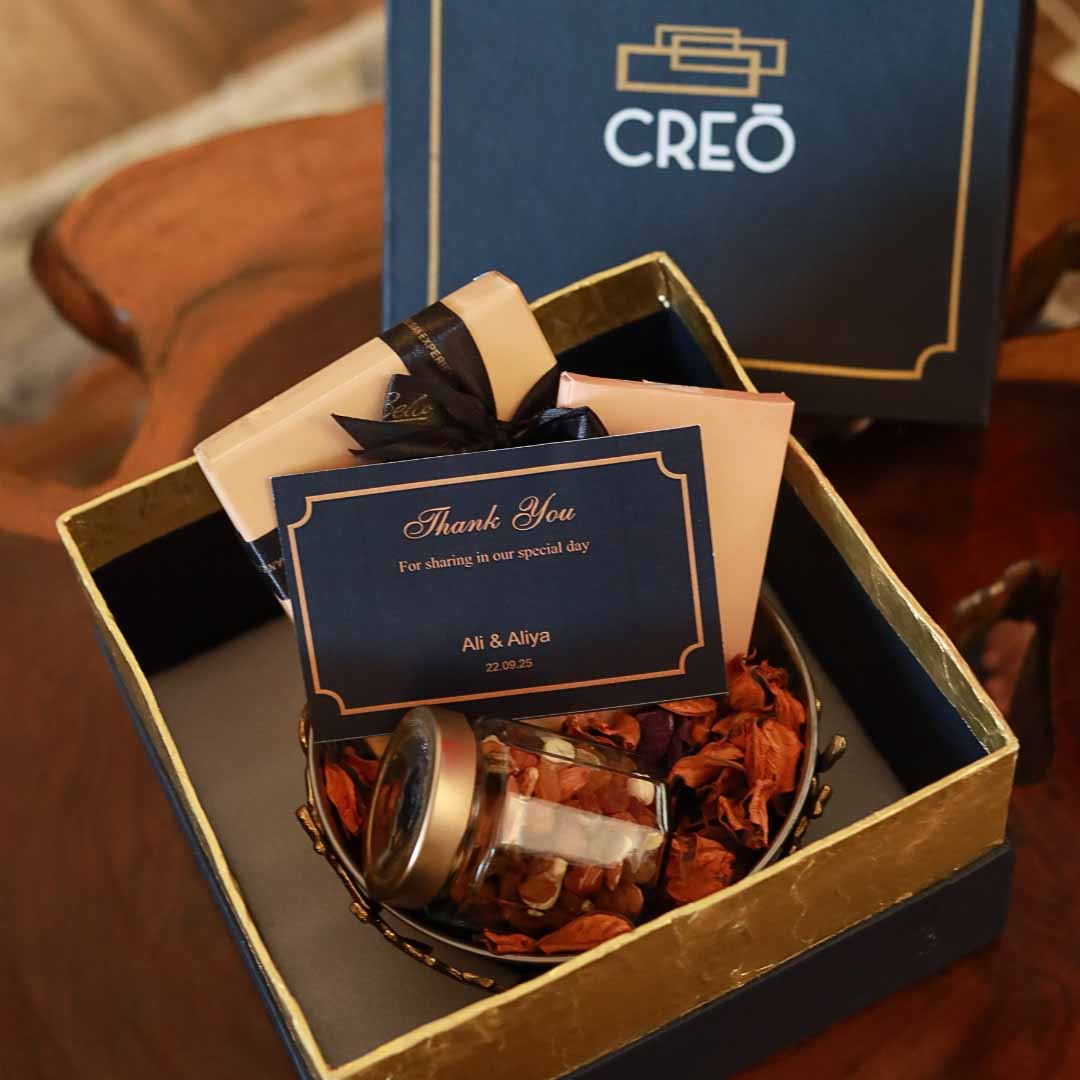
There is a moment, when you first run your hand across a hand-finished marble surface or lift a solid brass object and feel its unexpected heft, that you understand something important: the finest home accents are not decorative afterthoughts. They are the tactile vocabulary of a space. The material a piece is made from determines not just how it looks under light, but how it feels against the palm, how it ages across decades, and what emotional register it introduces into a room. A well-chosen object in the right material becomes a kind of architecture in miniature, anchoring a corner, animating a table, or lending a shelf the kind of composed authority that no amount of styling alone can manufacture. For architects, interior designers, and discerning homeowners across Karachi, Lahore, and Islamabad, material literacy is the difference between a house that looks curated and one that simply feels it.
The Organic Majesty of Natural Stone
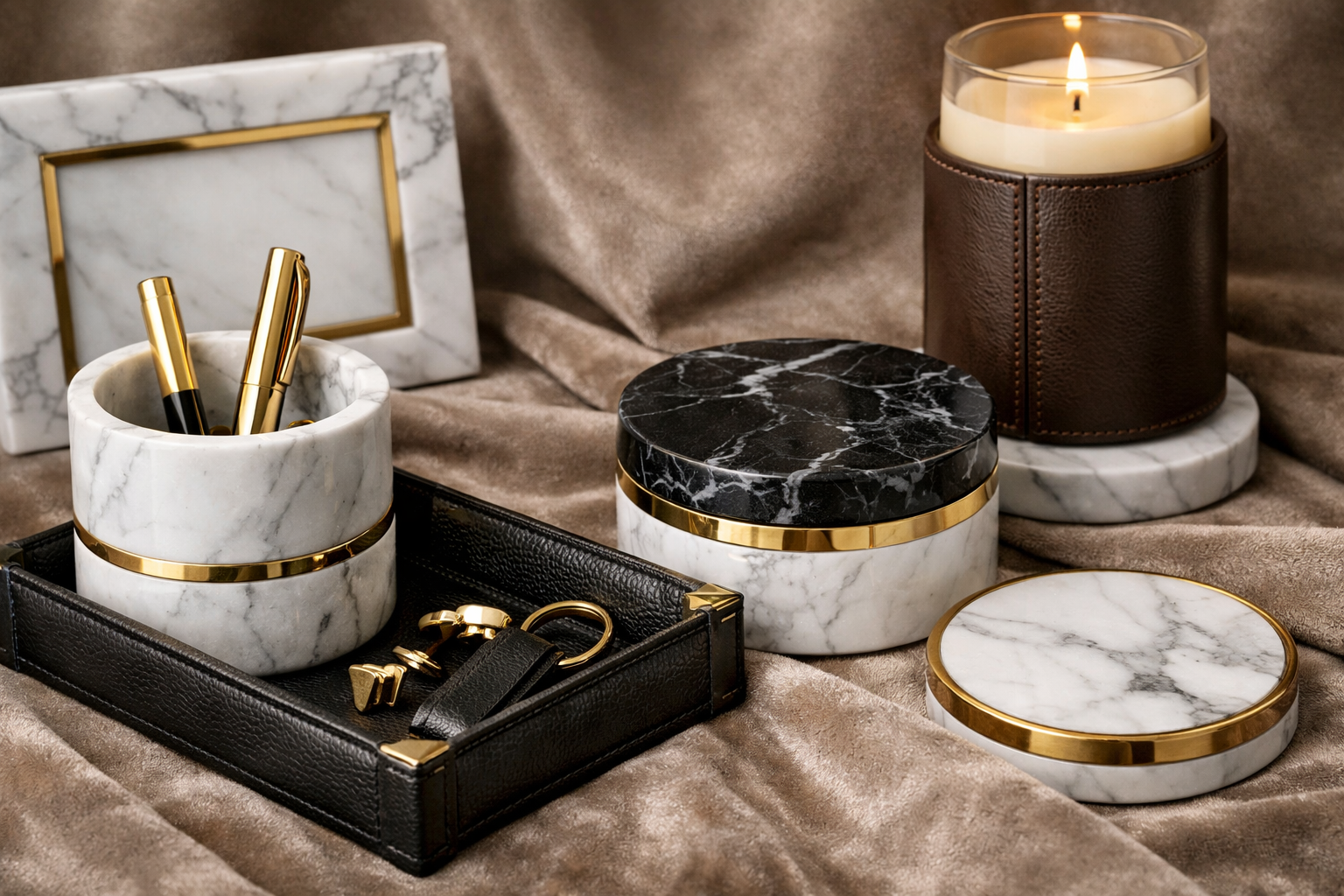
No material carries the geological drama of natural stone. Marble and onyx arrive at your home already ancient, formed across millions of years of mineral compression, heat, and crystallisation, and that origin gives them a visual authority that manufactured materials can only approximate.
- Marble is dense, cool, and structurally generous. Its weight gives it a sense of permanence that lighter materials simply cannot replicate. The veining in marble is unique to each slab, no two pieces share the same geological signature, which makes every marble object, from a hand-carved serving bowl to a wide serving dish, inherently one of a kind.
- Onyx is marble’s more theatrical sibling. Where marble carries a classic, architectural composure, onyx leans into drama. Its semi-translucent quality means it responds to light differently depending on the hour, glowing with amber warmth under a warm bulb, turning cool and architectural under daylight. When backlit deliberately, an onyx panel or large serving platter becomes something closer to art than a functional object.
- Both materials run cold. This is not a flaw, it is one of their most useful properties. Stone serving bowls and serving dishes chilled for thirty minutes before a gathering hold temperature beautifully, making them ideal for cold mezze presentations, charcuterie arrangements, and chilled seafood. In Pakistan’s warm climate, this is a distinct practical advantage that crystal or ceramic simply cannot match.
- Interior pairing: Marble reads most naturally in Neo-Classical and Transitional interiors, where its traditional associations feel intentional rather than nostalgic. Onyx, with its heavier coloration and translucency, belongs in Contemporary and Art Deco-influenced spaces, anywhere that drama and depth are architectural goals rather than accidents.
- Durability note: Both stones are porous and reactive to acid. Seal them seasonally with a food-safe stone sealant and avoid placing citrus-dressed dishes or tamarind-heavy foods directly on the surface.
The Living Radiance of Fine Brass
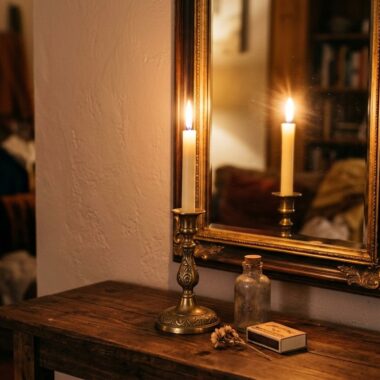
Brass is, among all the metals used in home design, the one most willing to enter into a relationship with its owner. It does not stay fixed. It breathes. Over months and years of use, unlacquered brass develops a patina, a softening of its original high shine into warmer, deeper golden and bronze tones, that tells the quiet story of a home and the hands that have passed through it. This is not deterioration. It is character.
- Brass bridges eras effortlessly. It carries the architectural dignity of traditional Islamic interiors and Mughal-era metalwork while fitting with absolute ease into modern, minimalist spaces where a warm metallic note is needed to prevent the room from reading too cold or clinical.
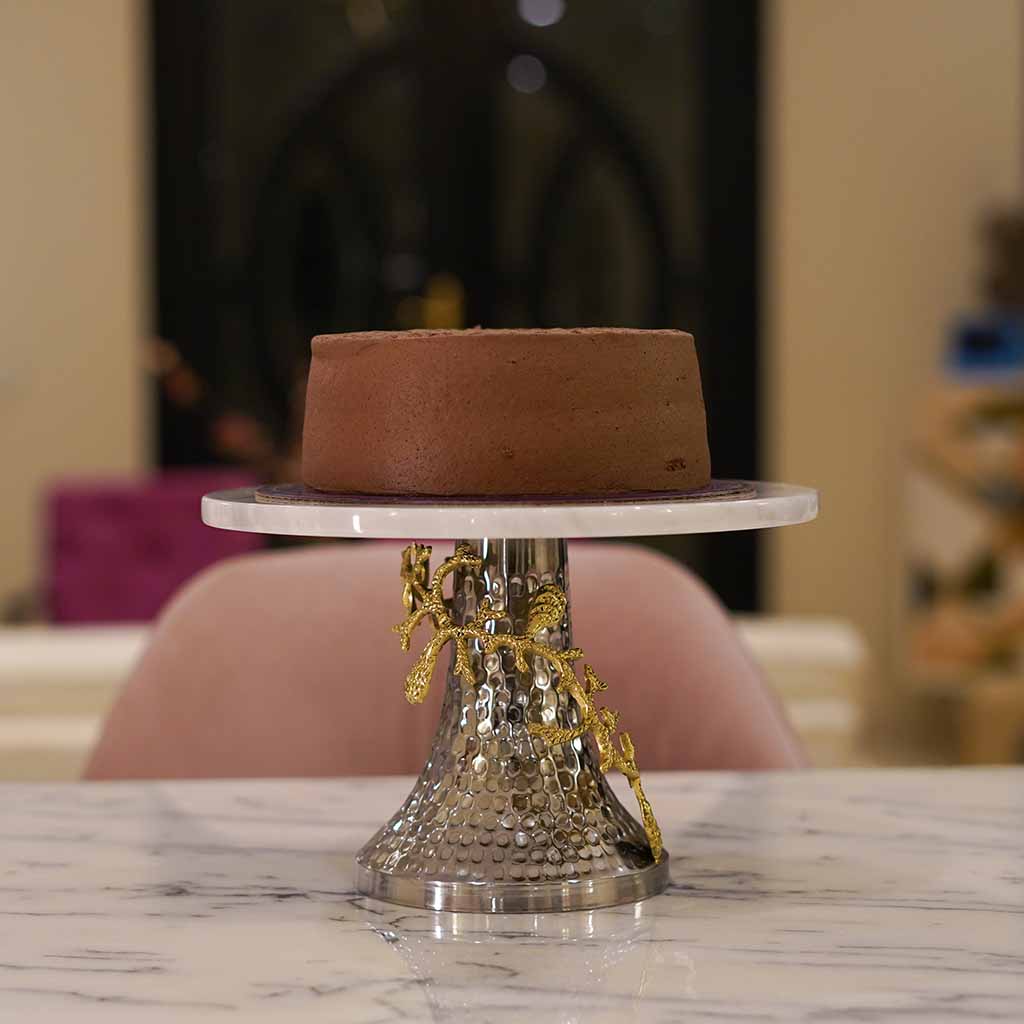
- Its reflectivity is warm, not harsh. Unlike chrome or polished steel, brass reflects light with a golden diffusion that flatters adjacent colours and softens shadows. A brass cake stand at the centre of a styled table introduces a focal point without the hard glare of silver-toned metals.
- Brass objects accumulate visual presence over time. A brass object purchased today will look richer, more distinguished, and more deeply personal in five years than it does now. This is a quality shared by very few materials in home decor, and none of the synthetic alternatives.
- Interior pairing: Brass belongs to Maximalist, Neo-Classical, Boho-Luxe, and warm Contemporary interiors. In a minimalist space, a single large brass piece, a sculptural cake stand, a tall candleholder, and a statement fruit bowl function as deliberate punctuation rather than decoration. The material does the heavy lifting precisely because it restrains quantity.
- Maintenance note: Lacquered brass retains its original shine with minimal upkeep, simply wipe with a damp cloth. Unlacquered brass polishes beautifully with a mild paste of flour, salt, and white vinegar, rinsed and buffed dry.
Modern Ergonomics and the Durability of Stainless Steel
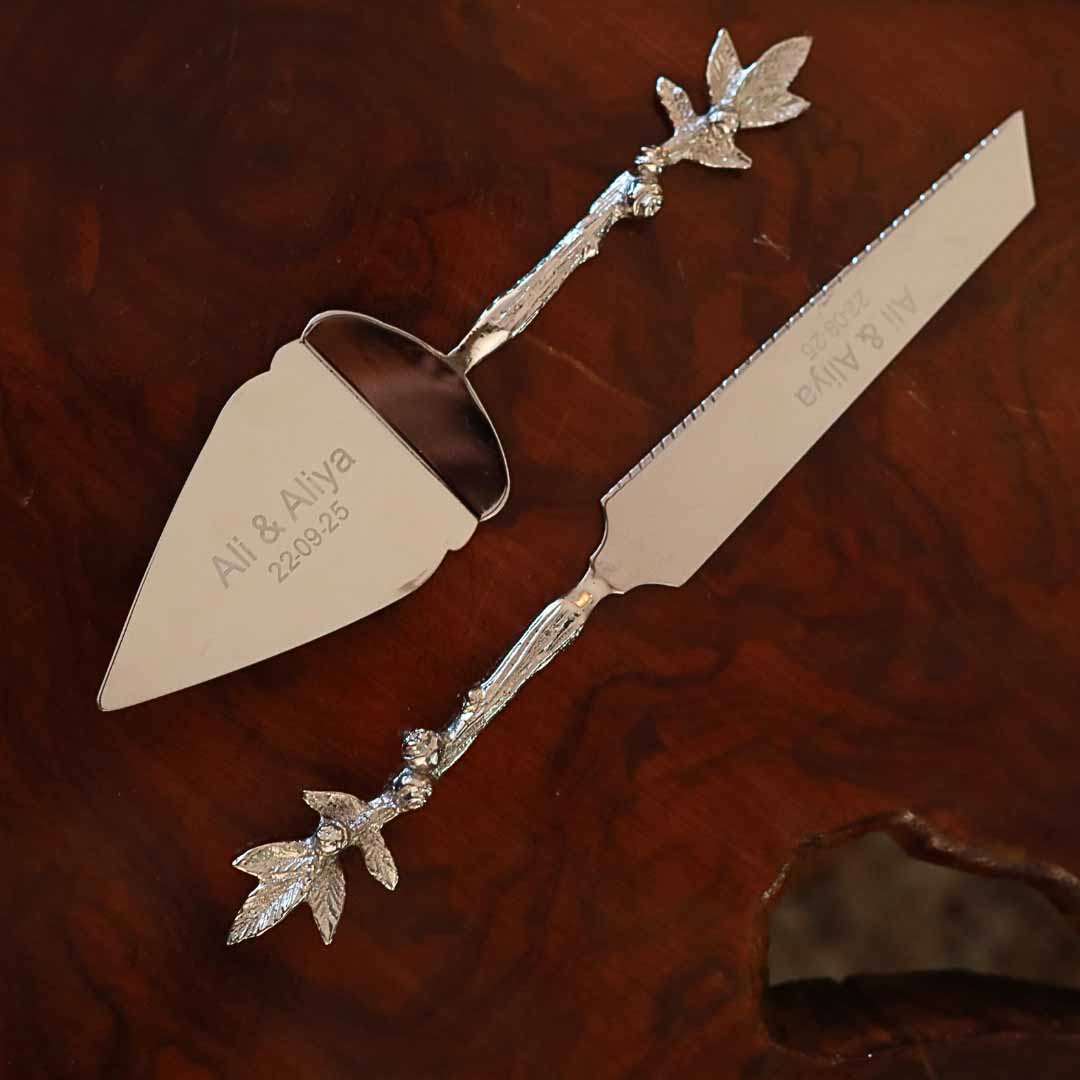
If marble and brass carry the weight of history, premium stainless steel carries the logic of now. It is the material that high-end restaurants, professional kitchens, and Michelin-starred dining rooms trust for a reason: it is hygienic, structurally sound, corrosion-resistant, and, when manufactured at a high grade, possesses a mirror-bright elegance that holds its own against far more precious materials.
- Grade matters significantly. 18/10 stainless steel, the benchmark for luxury tableware, contains 18% chromium and 10% nickel, giving it superior resistance to rust, staining, and the light pitting that lesser grades develop over time. When selecting a cutlery set or high-use serving piece, this designation is the minimum standard worth considering.
- It is the most hygienic material on the table. Stainless steel is non-porous, which means it does not harbour bacteria, absorb food odours, or retain flavour traces between uses, a critical advantage for serving platters and serving trays that move between courses or carry raw and cooked proteins.
- For high-frequency entertaining, nothing competes. Large serving trays in brushed or polished steel can carry significant weight without flexing, and they clean quickly, completely, and without the material anxiety that comes with stone or lacquered finishes. For hosts who entertain regularly, the durability is not a compromise, it is the entire point.
- Steel ages differently from stone or brass. Rather than developing a patina, premium steel retains its original appearance almost indefinitely with proper care. This makes it the ideal material for hosts who prefer their table to look consistent rather than evolving.
- Interior pairing: Stainless steel reads most naturally in Contemporary, Industrial-Luxe, and Scandinavian-influenced interiors. Combined with warm materials, a marble board, a brass cake stand, and a linen tablecloth, it prevents the table from reading too cold while contributing a clean architectural tension that polished materials do beautifully.
Explore the full Creo Living collection of luxury serveware, home decor, statement furniture, artisan lamps, and bespoke gifting at pk.creoliving.com, where every material tells its own story, and every object earns its place.
FAQs
1. What is the main structural difference between marble and onyx?
A: While both are natural stones formed through mineral crystallisation, marble is considerably denser and more opaque, making it the more structurally robust choice for heavily used pieces. Onyx is semi-translucent and tends to be lighter and softer, making it more susceptible to surface scratching. Onyx is best reserved for display-adjacent pieces and low-abrasion applications, while marble handles higher-contact use more gracefully.
2. Does brass tarnish, and should I be concerned?
A: Unlacquered brass does oxidise naturally over time, shifting from its original bright gold toward deeper bronze and amber tones. Whether this reads as tarnish or patina is largely a matter of preference, many collectors and designers prize it. If you prefer the original finish, lacquered brass pieces require only gentle wiping to maintain their appearance. For unlacquered brass, a simple homemade paste of flour, salt, and white vinegar polishes it back to brightness in minutes.
3. Can I mix marble, brass, and stainless steel on the same table?
A: Absolutely, in fact, this is one of the most considered approaches to table styling. The key is maintaining a visual hierarchy: let one material dominate (typically stone or brass), use a second as accent, and allow stainless steel to serve the functional, high-contact role. The contrast between the cool weight of marble, the warm glow of brass, and the crisp clarity of steel creates a layered, editorial table that reads as curated rather than matched.
4. Which material is best for a first luxury purchase?
A: A high-grade stainless steel cutlery set is almost always the most strategic first investment. It works across every interior style, handles daily use without compromise, and provides the reliable, hygienic foundation around which stone and brass accent pieces can be added over time. Once the functional core is established, a marble serving platter or brass cake stand makes the ideal second layer, adding organic warmth and visual distinction without the pressure of being a primary workhorse piece.