


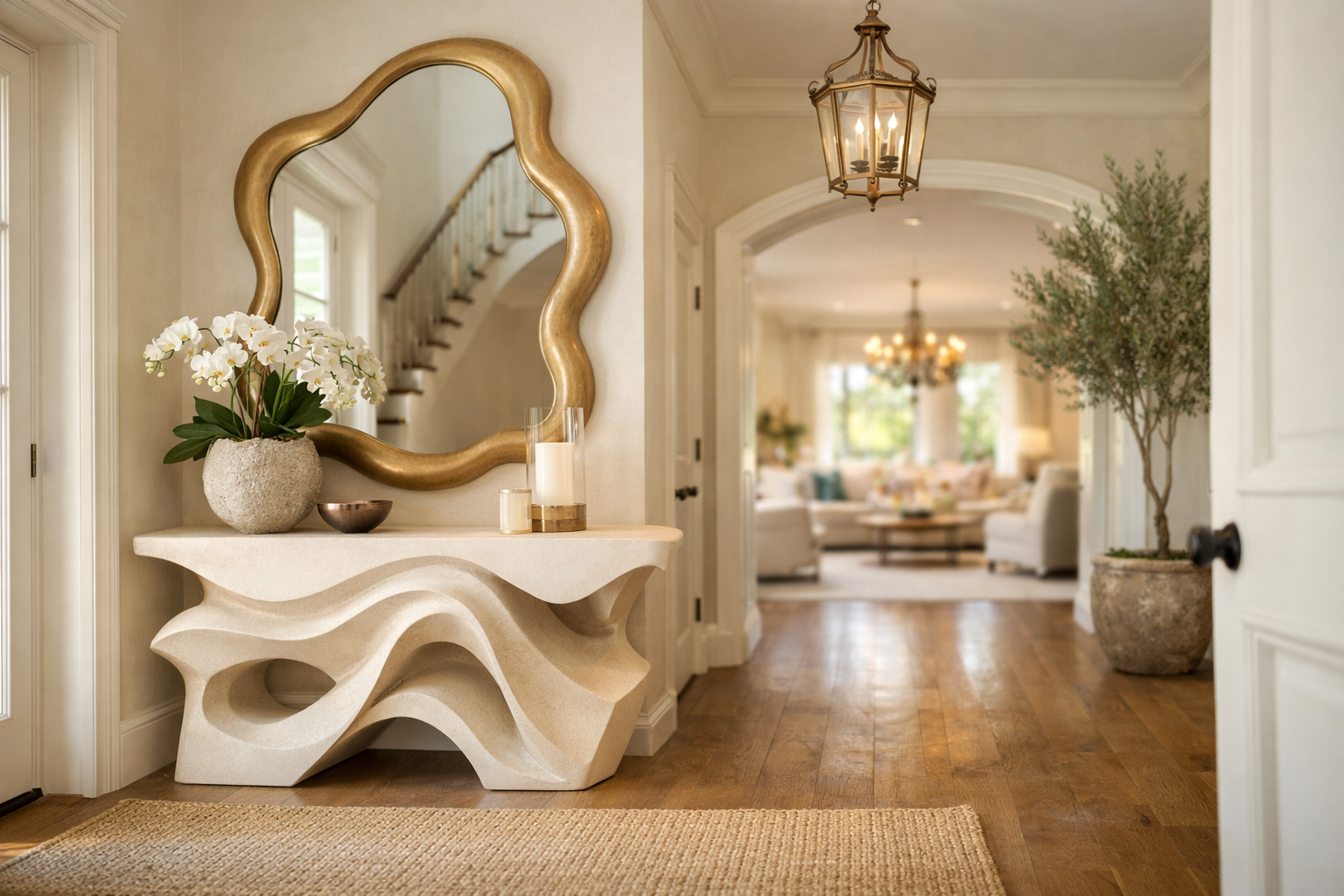
A guest steps in, balancing a box of mithai, and pauses to slip off their shoes. In that pause, they meet your house before they meet your sofa or your artwork. The living room beyond may be carefully furnished, but a doorway of scattered shoes, a bare wall, and one flat light has already spoken, and it sounds like an afterthought.
That is the quiet irony of the entryway: it is the smallest space in the home and often the least considered, yet it sets the terms for everything after it. It does not need to be the costliest room. It needs to be the most intentional: a clear, proportionate introduction to your home decor. Here is how to build one that works every day, in Pakistani homes of every size.
The First Few Steps Set the Tone
An entryway can look decorated without feeling designed. The first is a collection of objects; the second is a set of relationships. Light, order, proportion, and texture are read together, so a space with fewer pieces and a clearer point of view usually beats one crowded with home decor items bought separately.
A modest table, one lamp, and a well-sized plant that echo each other in height and finish feel more resolved than expensive pieces that ignore one another. Adding more decoration items is rarely the fix; editing is.
Five Elements, One Composition
Think of the entryway as a small composition: furniture as the foundation, then home accessories that answer to one another.
Furniture That Holds Everything Together
The console table is the foundation, so choose it for proportion rather than surface to fill. As a rough rule, which varies between design sources, a depth of 10 to 14 inches suits most narrow entrances, leaving about 30 inches clear for walking. A useful console never blocks the door swing or the route guests take.
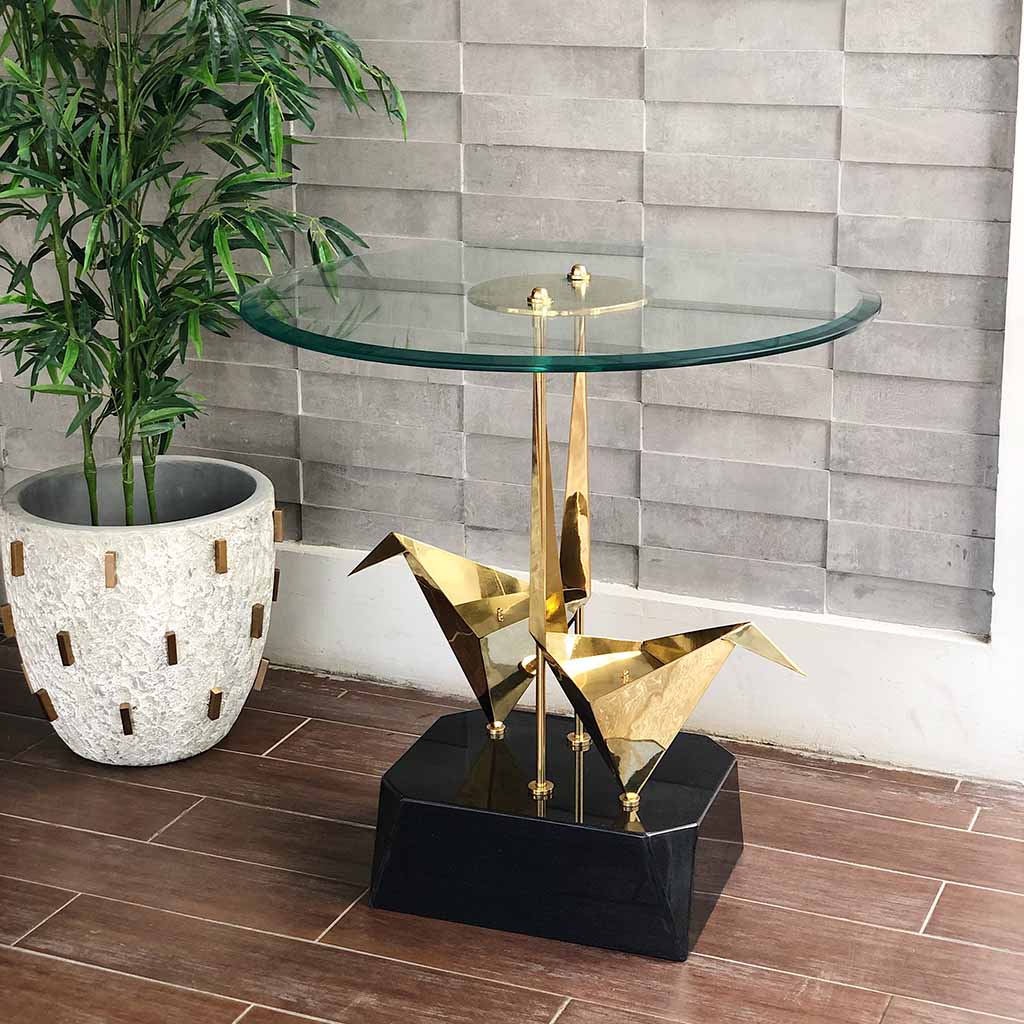
Where a full console will not fit, a compact round table can step in. The Signatum Side Table, a copper top on a brass base with a 12-inch round footprint, offers a small landing surface without a long edge to bump into.
The Mirror
A mirror gathers light, adds depth, and gives the wall a focal point. Hang it above the console, slightly narrower than the table, with its centre near eye level. It does not automatically enlarge a space, though. Faced towards the shoe rack, it doubles the disorder.
The Lamp
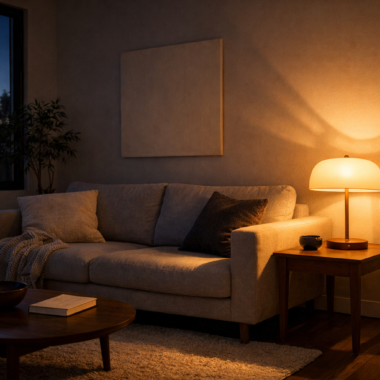
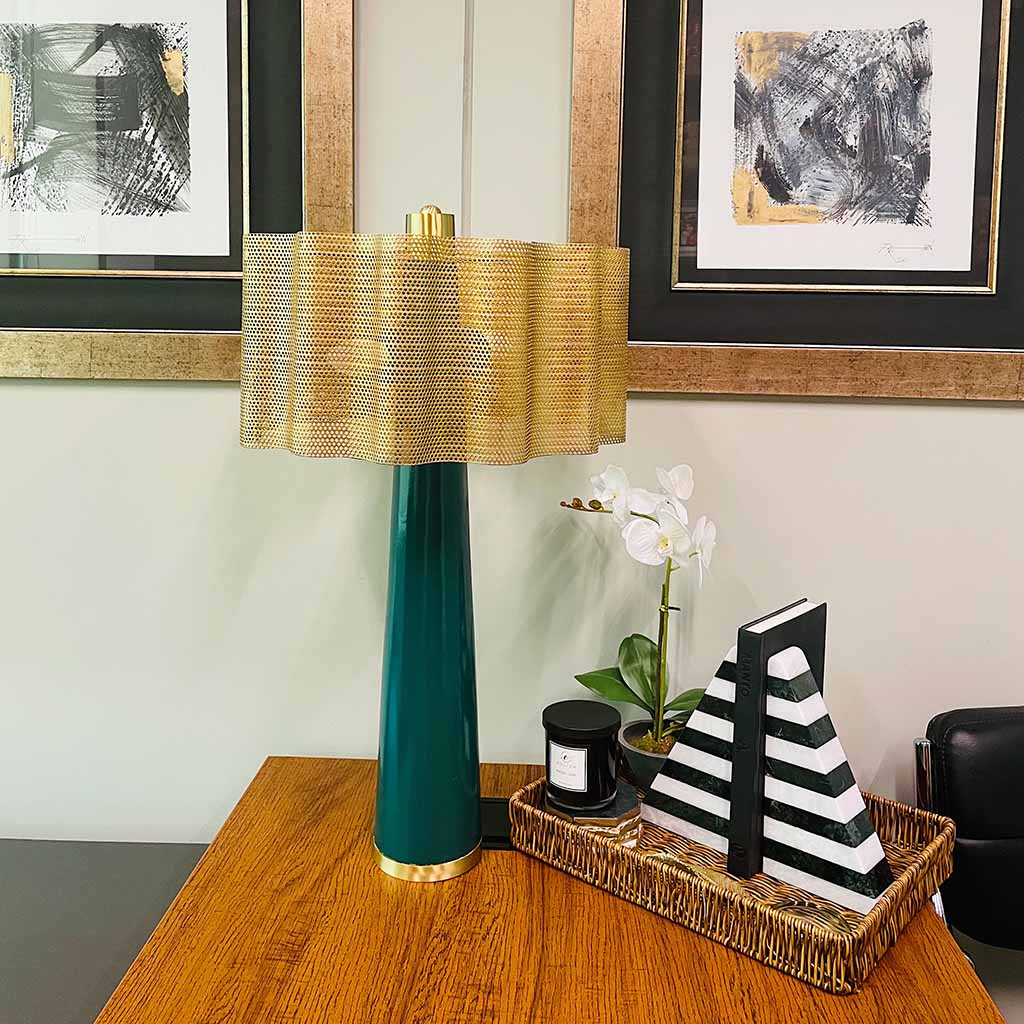
Overhead light is useful but flat. A table lamp brings light to a more intimate level and makes an entrance feel considered after dark. Let its silhouette and finish relate to what sits nearby. The Solida Table Lamp pairs a cement-finish fiberglass body with brass collars and a white drum shade. That shade is 16 inches wide, so it suits a deeper console or a more generous entrance.
The Planter
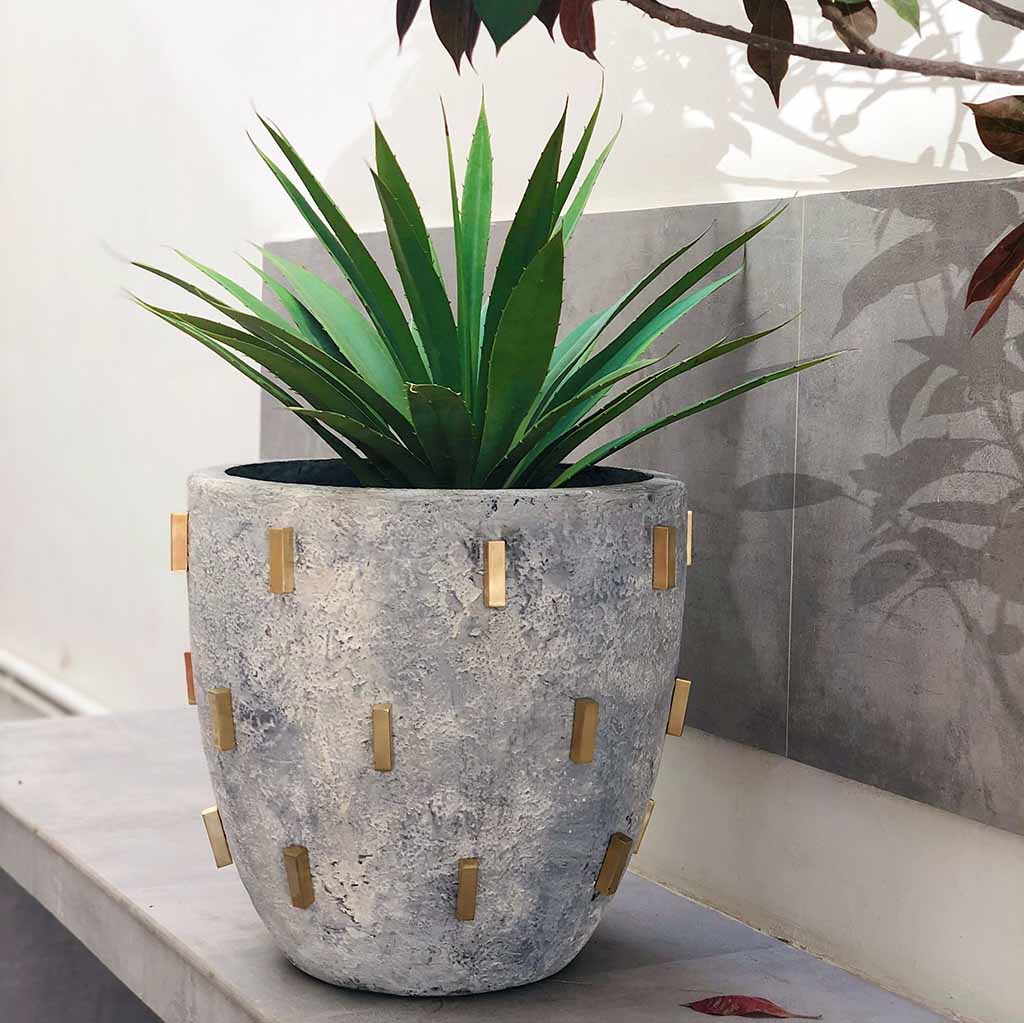
Greenery adds softness, and a sculptural planter adds height. Indoor planters work on the floor beside the console, where the Citron Floor Planter, white with a tangerine rim, brings colour to a neutral entrance. Keep them clear of doors and walkways. Where floor space is scarce, hanging planters draw greenery upward and leave the floor open.
One Decorative Object
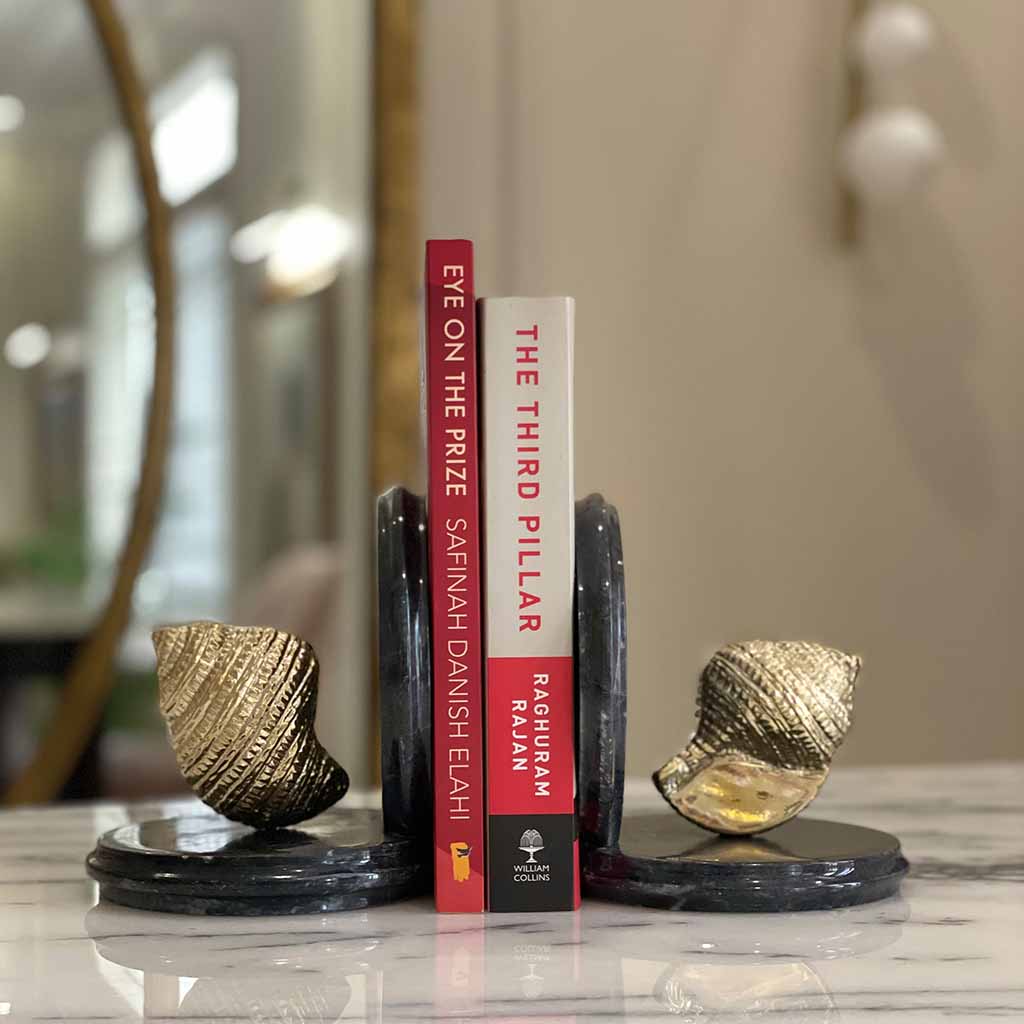
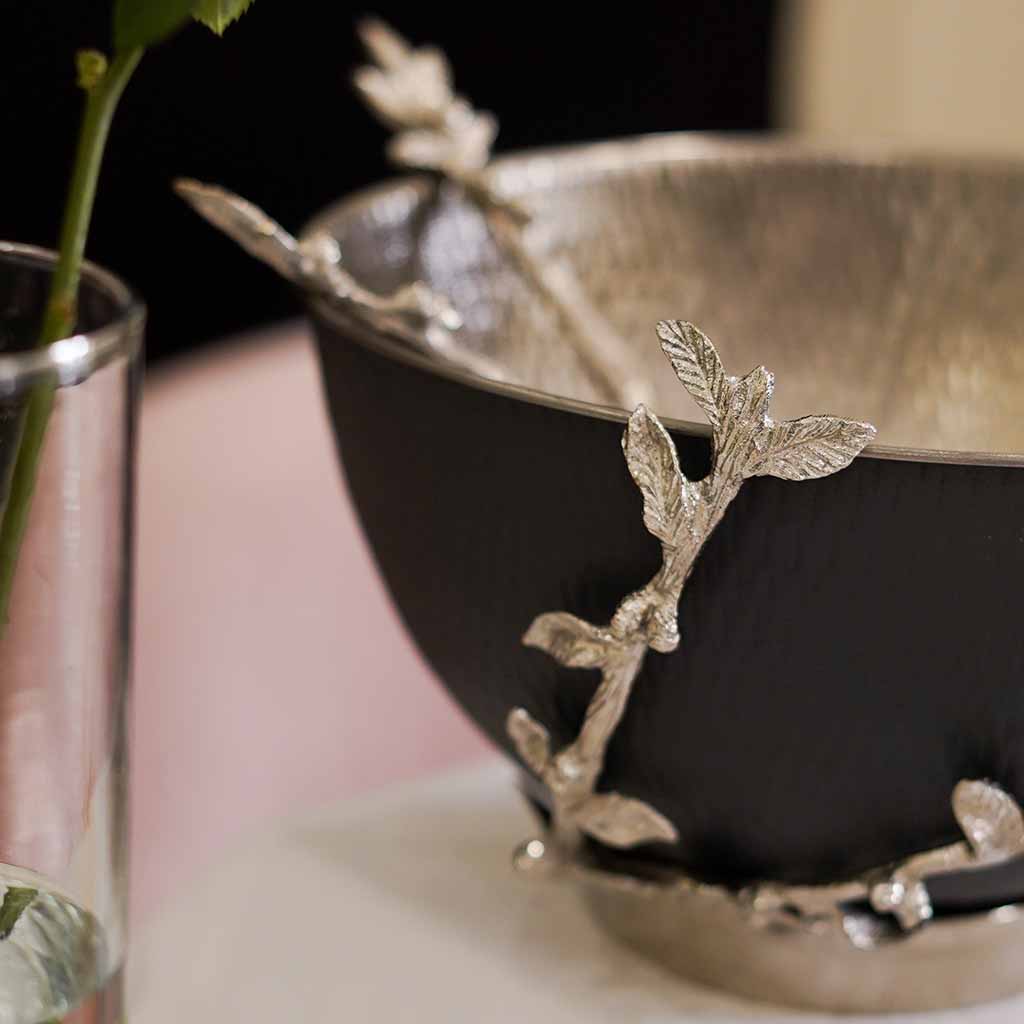
One sculptural piece lets the console show personality without becoming a display shelf. The Nura Vase, black marble with a glass inner vase and an 11-by-5-inch footprint, is slim enough for a shallow table. Leave open space around it. Negative space is what makes an object look chosen.
A flexible formula, not a fixed rule:
- Anchor: a table sized to the wall.
- Height: a mirror or artwork above it.
- Light: one proportionate lamp.
- Life: one planter, beside the table.
- Accent: one object, with space around it.
Does Your Entryway Speak the Same Language as the Rest of the House?
An entrance feels disconnected when its colours, finishes and shapes bear no relation to the rooms beyond. The aim is continuity, not uniformity: recognisably the same home, without repeating the living room piece for piece.
One recurring element does most of the work. A brass lamp base can echo brass in the drawing room, stone can pick up marble underfoot, and timber can link a carved cabinet to a plain console. This is how interior design joins traditional Pakistani interiors with contemporary accents: not by retiring treasured furniture, but by pairing it with a few clean-lined pieces that share a finish. Whatever home decor Pakistan’s makers and retailers offer, start with the materials already in your rooms.
Making a Narrow Entryway Feel Considered, Not Cramped
Many Pakistani apartments and older floor plans open the front door close to the living area, with no separate foyer. Most fixes here need no drilling, which suits renters.
- Let width decide. Measure first, then skip oversized consoles and bulky accessories. Treat the figures above as approximate design advice, not a standard.
- Borrow depth. Use a mirror and warm light, not more objects.
- Go vertical selectively. One mirror, artwork, or hanging planter, not all three.
- Protect everyday function. Keep one clear spot for keys and bags.
- Follow the real route. Check door swings, cleaning, and the path guests actually walk.
Resist filling every wall and corner simply because it is empty. Sometimes an entrance needs less furniture, not better furniture: if a table narrows the route, remove it and keep a mirror and a hook.
From Everyday Arrival to Festive Welcome
Hospitality is central to many Pakistani households, and the entryway carries it, from Eid mornings to dinner invitations and wedding-season visitors. Festive styling should build on the existing composition, not bury it.
- Replace the everyday object with fresh flowers or greenery.
- Shift one accent to a new position.
- Switch the lamp on early in the evening.
- Clear shoes and bags before guests arrive.
- Keep the walkway and key spot intact for larger crowds.
Decorative items for home that you already own often do this best, simply moved or paired differently. Covering every surface hides the composition.
The Design Mistakes Worth Avoiding
- Treating the entryway as a dumping ground.
- Buying accessories before measuring.
- Combining too many competing focal points.
- Choosing furniture that restricts movement.
- Relying only on harsh overhead light.
- Ignoring the adjacent rooms.
- Filling every surface, so nothing can stand out.
Thoughtfully chosen details make an entrance feel like the start of a story, and you will find them at Creo Living. Shop high-quality home decor, furniture, lamps, serveware accessories, and distinctive gifting items with a luxurious finish.
FAQs
1. What are the essential items for a well-styled entryway?
A: A surface that suits the space, a light source, and one personal accent. A mirror or planter can follow if there is room; the right mix depends on your width and depth.
2. How can I decorate a narrow entryway without making it feel cramped?
A: Choose furniture by available width, keep the walkway clear, and use the wall for height. A mirror and warm lamp add depth without clutter.
3. How do I make my entryway match the rest of my home’s interior design?
A: Repeat one material, finish, colour, or silhouette from the neighbouring rooms. Brass, stone or timber all work as links, without copying the rest of the home.
4. How can I refresh my entryway for Eid or other festive occasions without redecorating it completely?
A: Make a few temporary changes: fresh flowers, one repositioned accent, and warm evening light. Clear clutter first, and keep the layout unchanged.