

The High Cost of Fast Decor
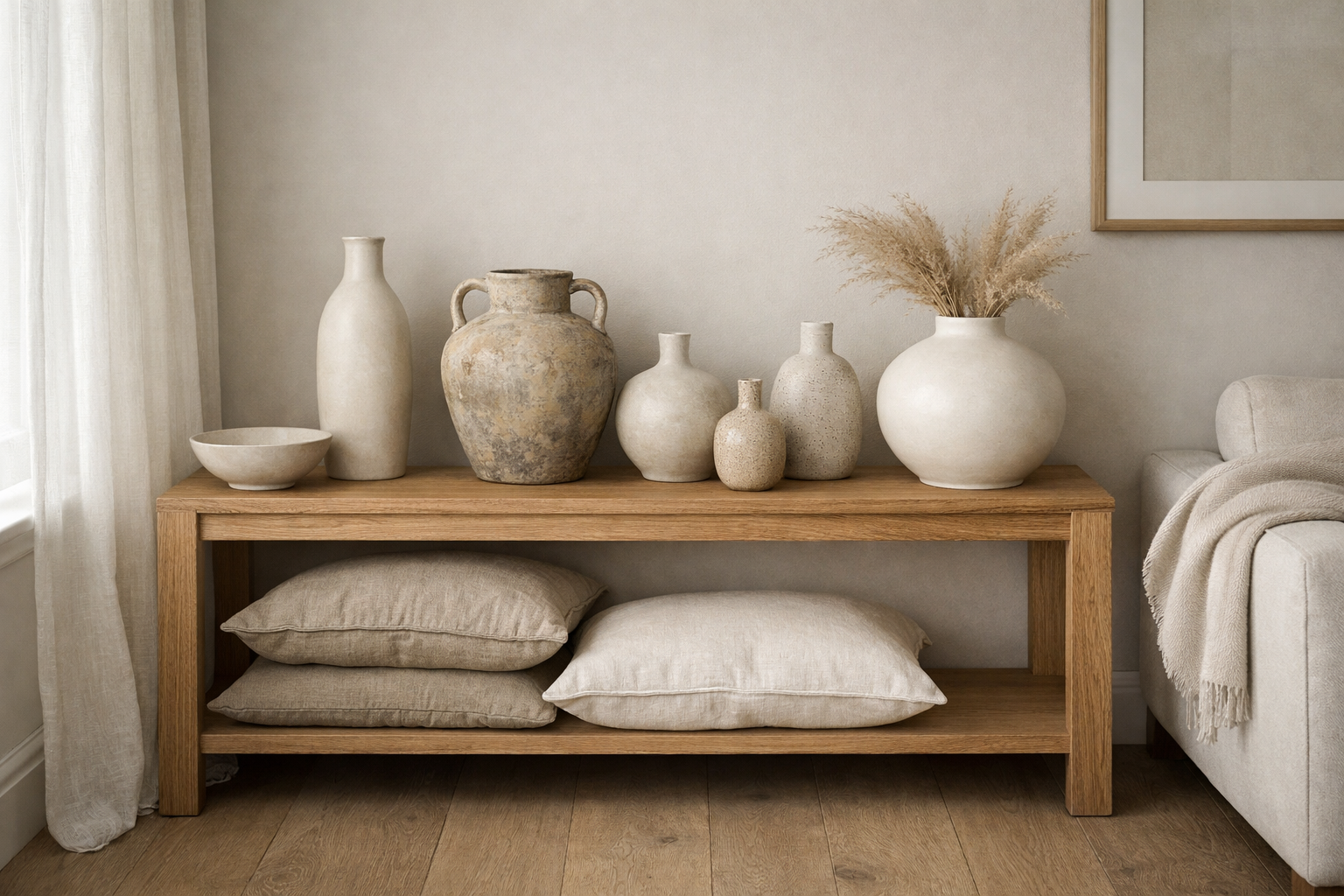
Every design-conscious homeowner eventually notices the pattern: the woven basket bought for one season, the ceramic vase that looked current for a single year, the accent piece that quietly migrated to a storage box once its moment passed. This is the hidden cost of fast decor, not just the money spent, but the erosion of a home’s visual coherence. Trend-led accessories are designed to be replaced. They exist to catch the eye for a season, not to anchor a room for a decade.
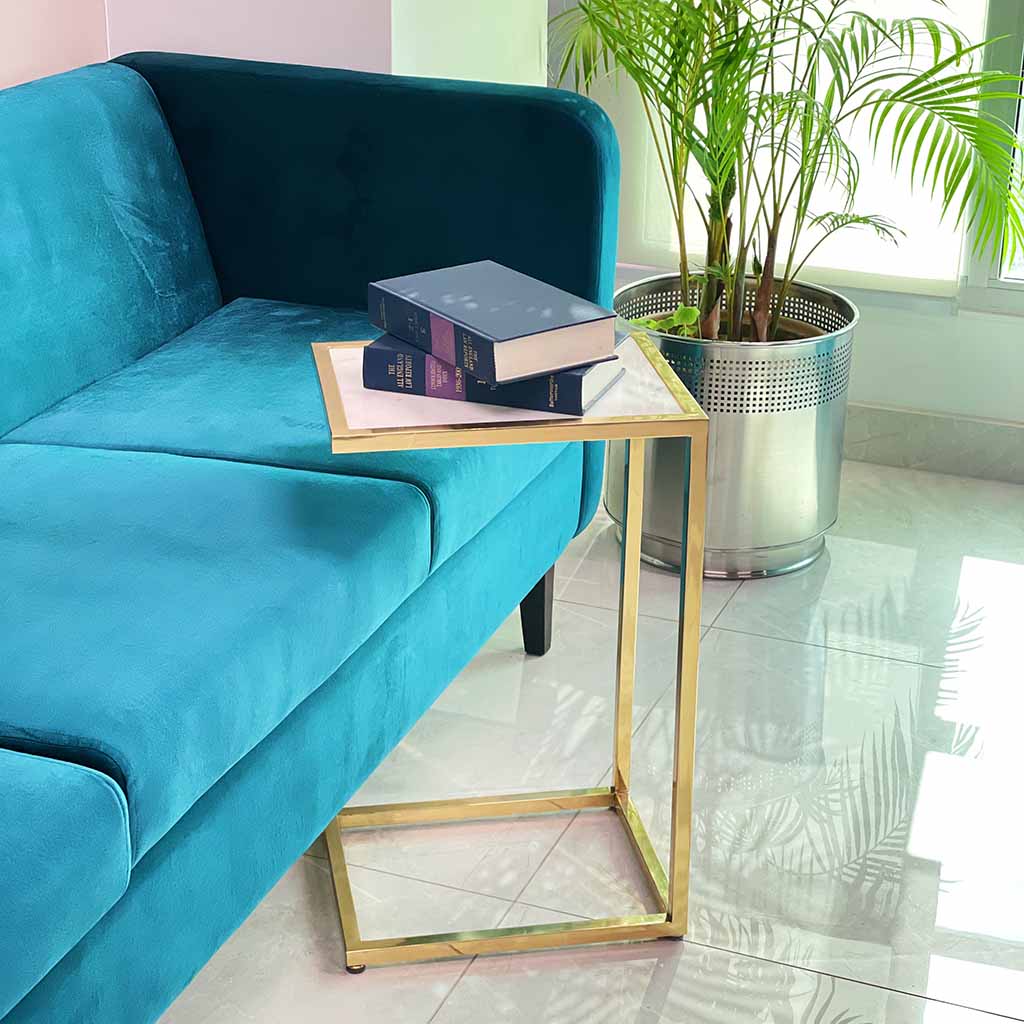
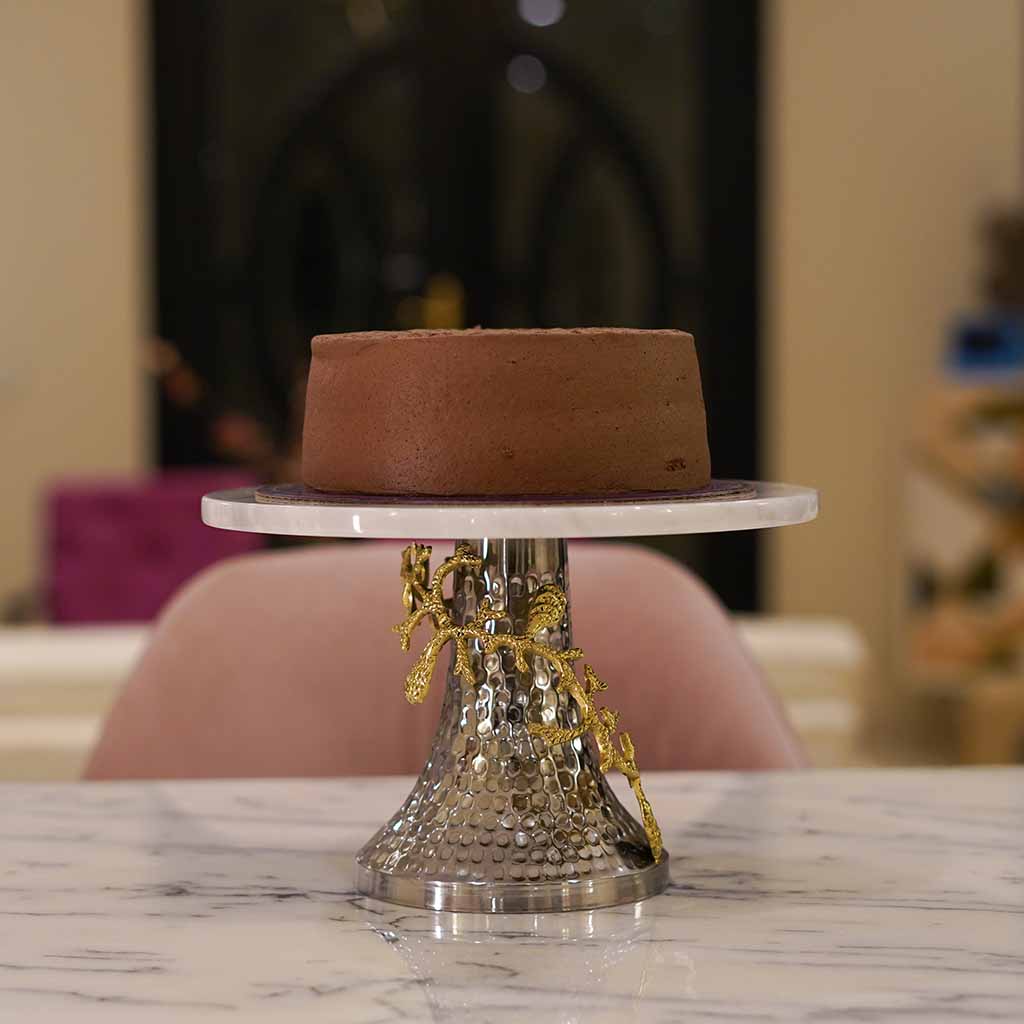
Timeless investment pieces operate on a different premise. They are chosen for material integrity, proportion, and craftsmanship rather than how closely they match a passing aesthetic. Shifting from impulse purchases to intentional curation changes the room itself, the overall architectural quality lifts. A well-considered brass tray or a honed marble bowl doesn’t just fill a surface; it participates in the structure of the space, the way good furniture or considered lighting does. This is the foundational idea behind smarter home decor: buying fewer things, but buying them with intent.
Permanent Materials: The Enduring Power of Brass, Marble, and Stone
Not all materials age the same way. Painted finishes chip. Synthetic resins dull and yellow under sunlight. Laminate wears thin at the edges within a few years of daily use. But solid brass, honed marble, and natural stone behave differently, they don’t merely resist aging, they improve with it.
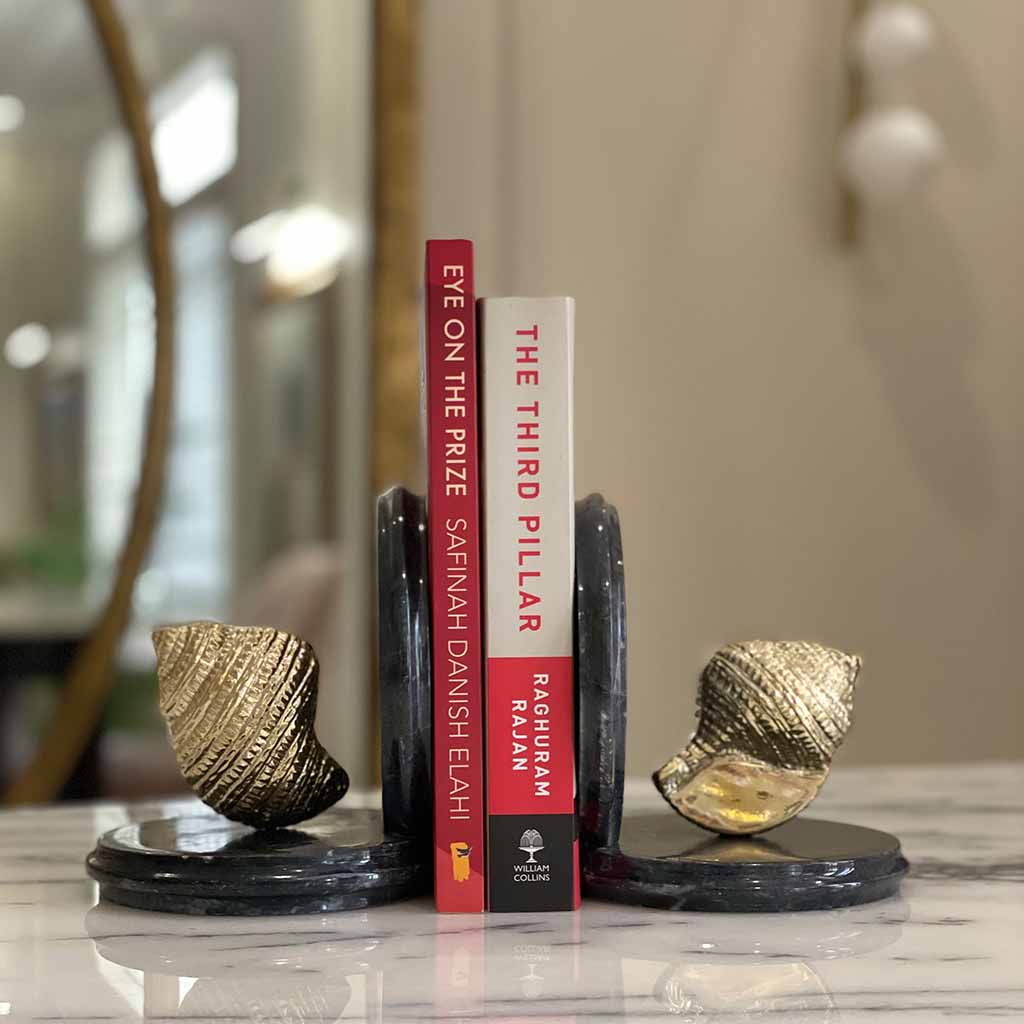
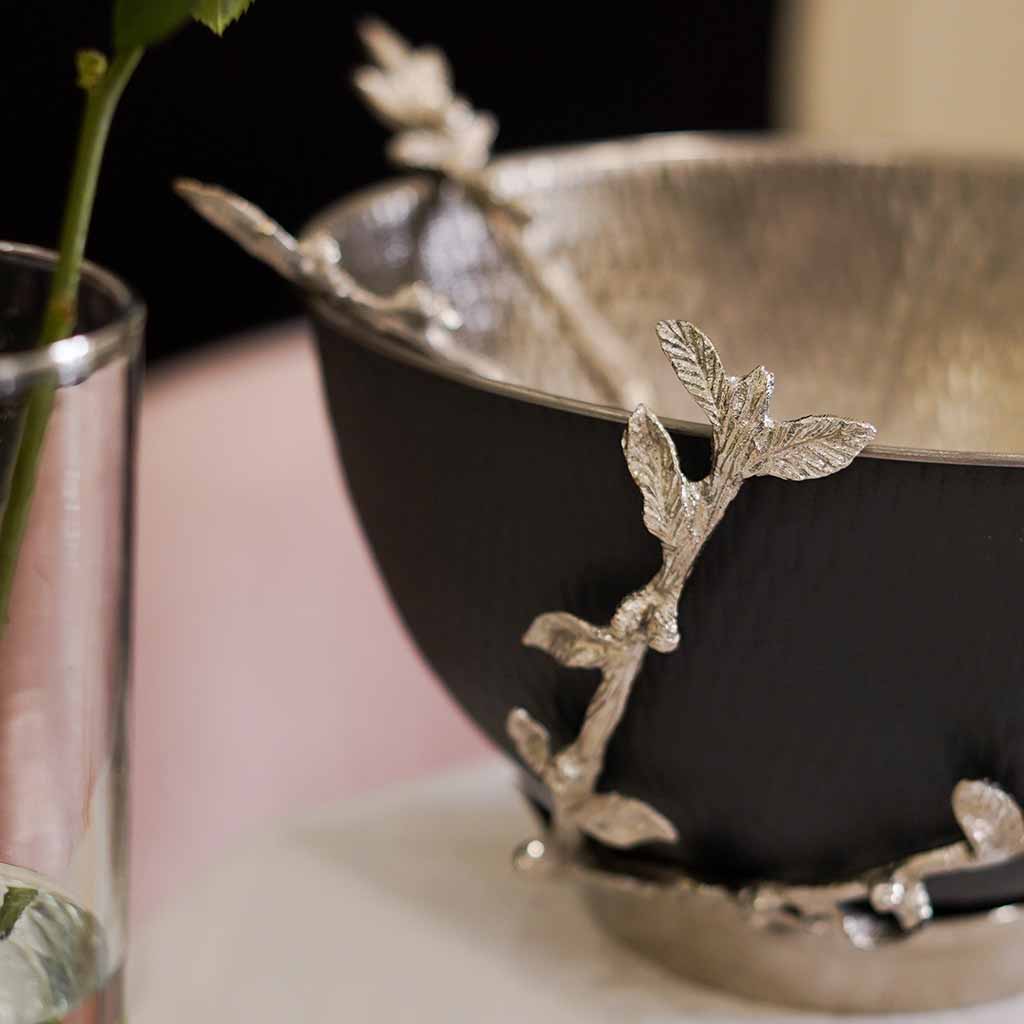
Brass develops a patina that deepens its character over time, softening from a bright, factory-fresh sheen into a warmer, lived-in glow. This is not deterioration; it is the material recording the life of the home around it. Marble, with its natural veining, carries a kind of visual authority that no printed or engineered surface can replicate, no two slabs are identical, which means every marble piece is inherently singular. Natural stone, whether soapstone, travertine, or granite, brings physical weight and tactile density that immediately signals permanence when you pick it up.
This is why serious interior design increasingly favors these three materials as the backbone of a room’s decorative layer. They photograph well, but their real value shows in person, in the cool heaviness of a stone bowl, the faint imperfection of a hand-cast brass base, the way marble stays cool to the touch even in Karachi’s warmer months. These are qualities synthetic materials cannot fake.
Material Care Notes
- Brass: Wipe with a soft, dry cloth; avoid harsh chemical polishes that strip the developing patina.
- Marble: Seal periodically and clean spills quickly to prevent staining, especially with acidic liquids.
- Natural stone: Dust regularly and avoid abrasive cleaners that can dull the honed surface.
The 5/5 Investment Framework: Spend vs. Save Categories
A useful discipline when building a collection of home decor items is knowing where your budget should concentrate and where it can relax. Not every object in a room needs to be an heirloom, but the ones that anchor the space should be chosen with real intention.
5 Categories Worth Spending On:
- Solid stone trays, daily-use pieces that carry visible weight and permanence
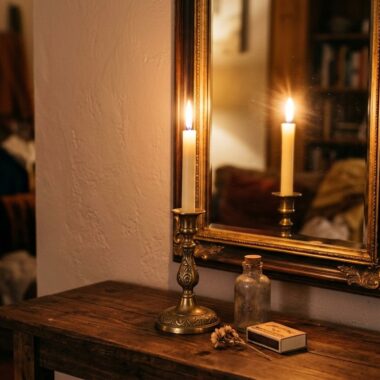
- Handcrafted metal candle holders, small in scale, but disproportionately impactful in a vignette
- Structural lamps, lighting is architecture, not an accessory, and deserves investment-grade construction
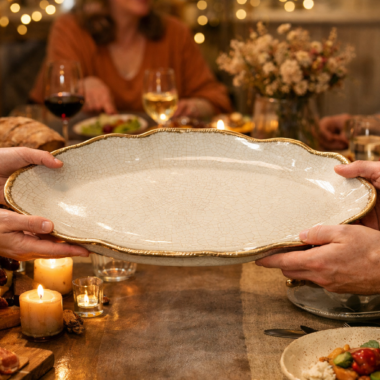
- Sculptural serveware, pieces that double as functional art during gatherings
- Artisan ceramics, glazed or hand-thrown pieces with genuine material depth
5 Categories Worth Saving On:
- Trendy seasonal napkins, inexpensive, easily refreshed, and meant to rotate
- Mass-market glass vases, functional but rarely distinctive
- Small novelty trinkets, charming in the moment, forgettable within a year
- Synthetic throw pillow covers, easy and affordable to swap with the seasons
- Acrylic organizers, purely utilitarian, best kept low-cost
This framework gives structure to decisions that otherwise feel arbitrary, and it’s especially useful for anyone building a home decor Pakistan collection gradually, room by room.
Proportions Outlast Trends: The Architectural Scale Rule
Trends move in cycles, motifs, colors, and patterns come and go with predictable regularity. Proportion does not follow this cycle. A well-scaled object relates correctly to the furniture around it, to the height of a console, to the volume of negative space on a shelf, regardless of what is fashionable that year.
This is the architectural scale rule: choose decorative items for home based on their spatial relationship to the room, not their surface pattern. A tray too small for a large ottoman will always look wrong, however beautifully it is made; a candle holder scaled correctly to its console will always look considered, even as the furniture around it changes.
Objects rooted in classic geometry, circles, tapered forms, balanced symmetry, adapt naturally to shifting furniture arrangements and evolving architectural styles. A brass bowl with generous proportions sits as comfortably in a minimalist interior as in a maximalist one, because its authority comes from form, not decoration. This is the quiet advantage of proportion-first thinking: it future-proofs a collection against whatever comes next in interior design.
Curation over Accumulation: Building a Heritage Collection
The most refined homes are rarely decorated in a single weekend. They are curated gradually, one considered piece added at a time, each chosen to complement what already exists rather than fill an empty surface. This is a meaningful shift in mindset: instead of decorating a room, you are building a heritage collection.
A heritage collection appreciates in both emotional and visual value. The stone tray purchased for a first home becomes the centerpiece of a dining table years later. The brass candle holders bought as a wedding gift become part of a recognizable personal aesthetic. Over time, these pieces stop being accessories and start being artifacts of a life lived in that home, a far richer outcome than any trend cycle could offer.
Elevate your interiors with pieces built to last a lifetime, not a season. Bring home Creo Living’s curated collection of premium gifting, decor, furniture, lamps, and serveware today.
FAQs
1. Why should I invest in timeless home decor instead of trend-led pieces?
A: Timeless pieces retain their visual and material value for decades, while trend-led accessories typically need replacing within a season or two, making the long-term investment more cost-effective and cohesive.
2. How do I maintain brass, marble, and stone accessories?
A: Brass benefits from gentle dry cloths rather than harsh polish, marble should be sealed and cleaned promptly to prevent staining, and natural stone needs regular dusting with non-abrasive cleaners.
3. What’s the easiest way to start building a heritage collection?
A: Begin with one or two investment-grade pieces, such as a stone tray or structural lamp, and add gradually, prioritizing proportion and material quality over quantity.
4. Do timeless decor pieces work with changing furniture styles?
A: Yes. Objects built on classic geometry and balanced proportions adapt naturally across different furniture arrangements and evolving interior design styles, unlike trend-specific pieces.