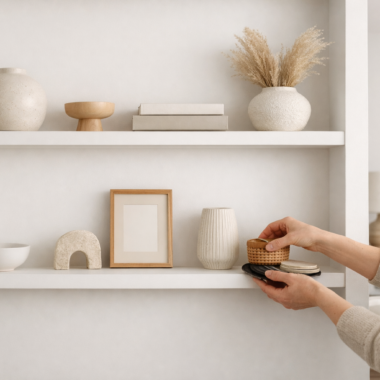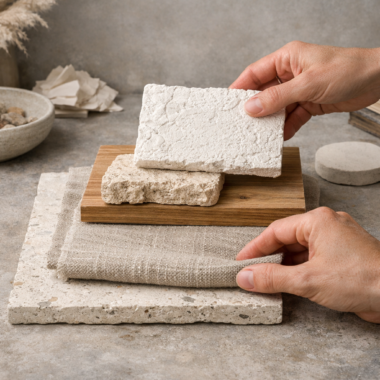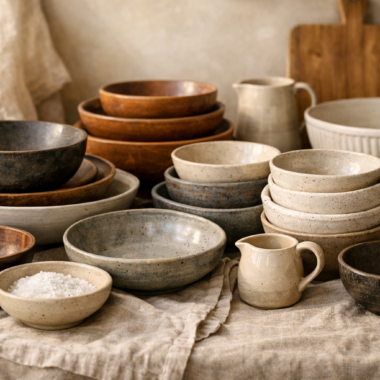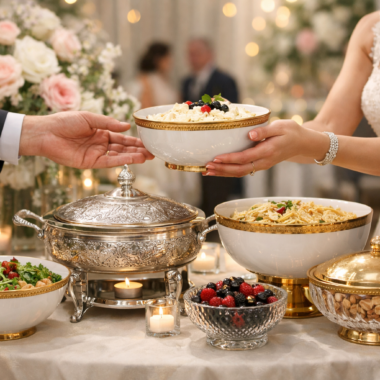
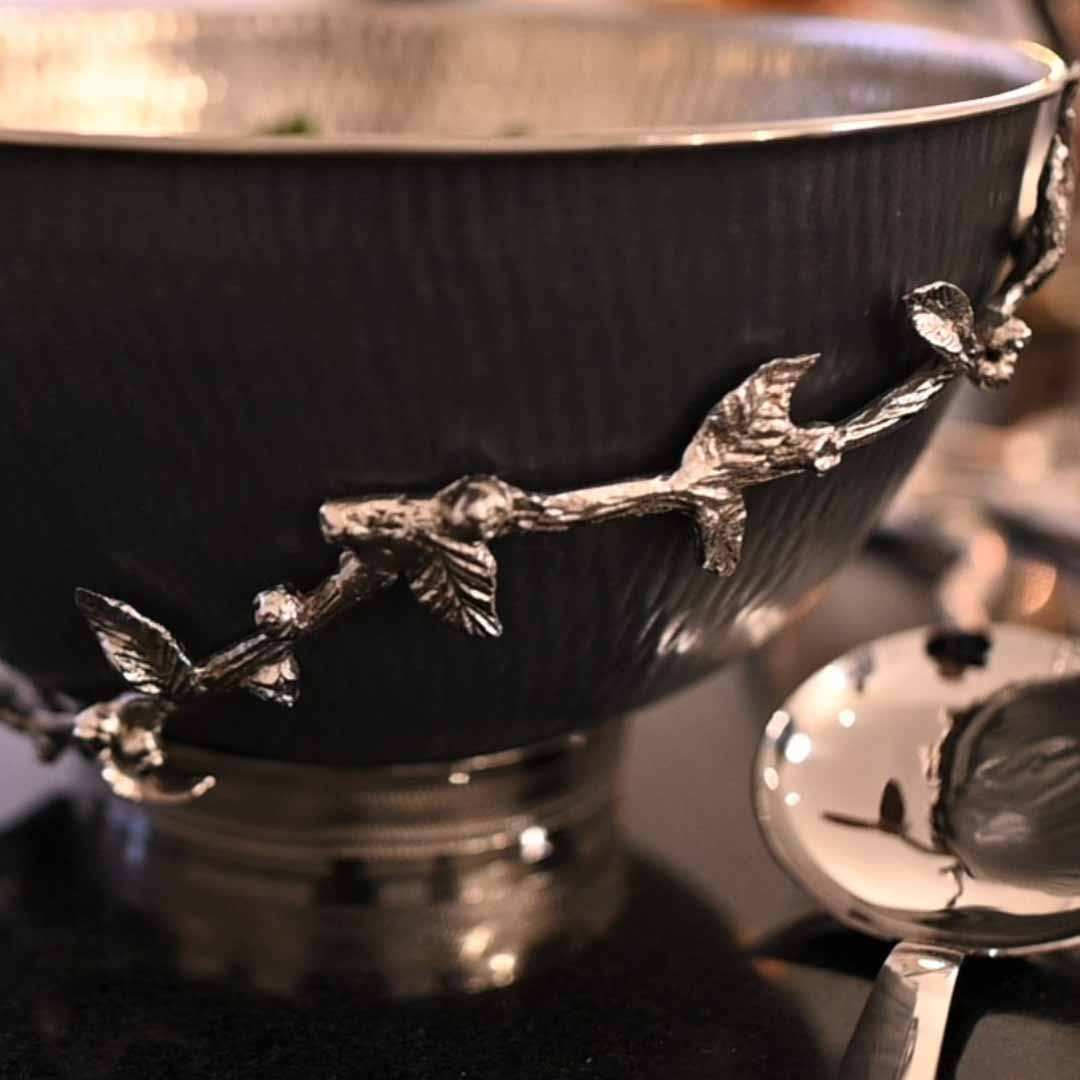
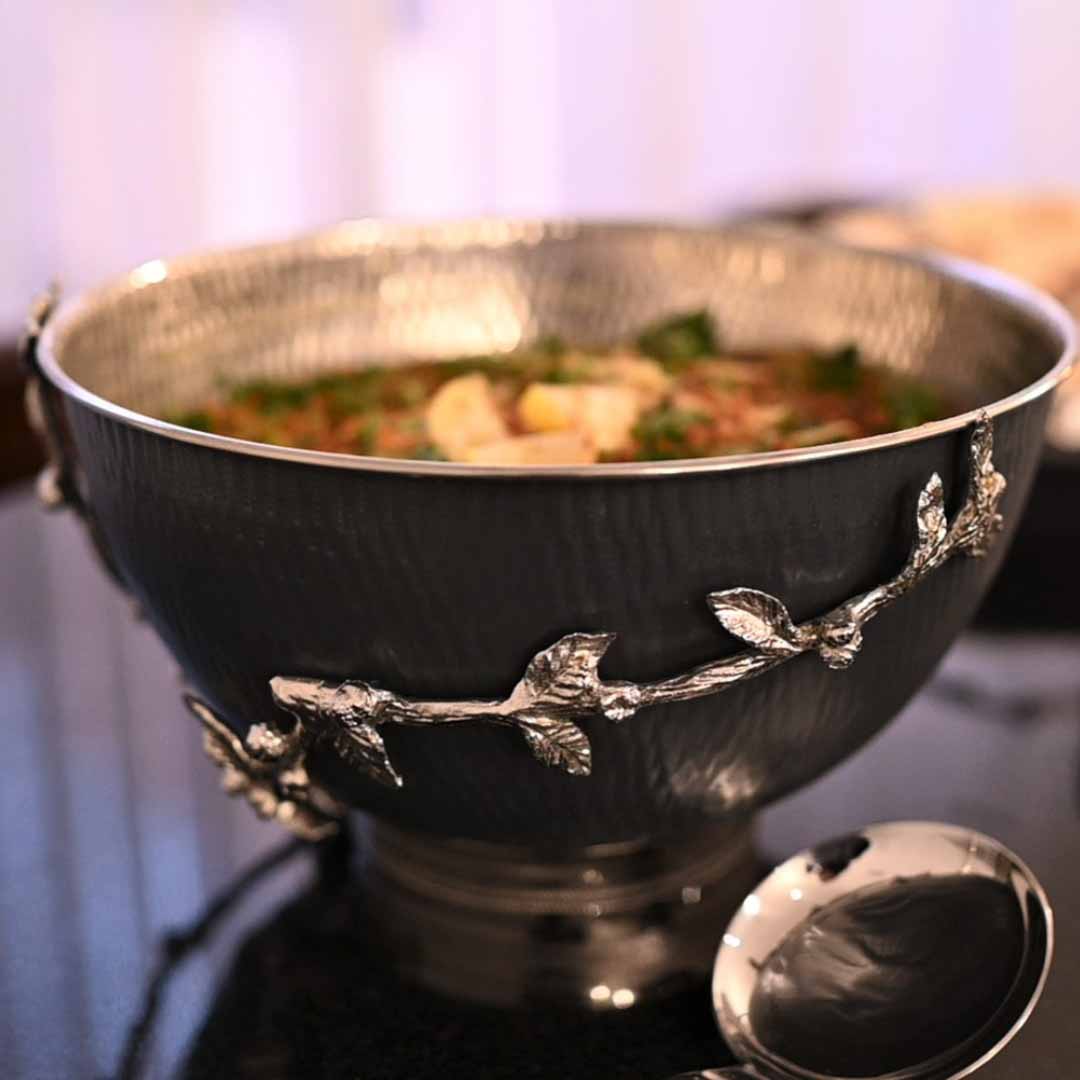
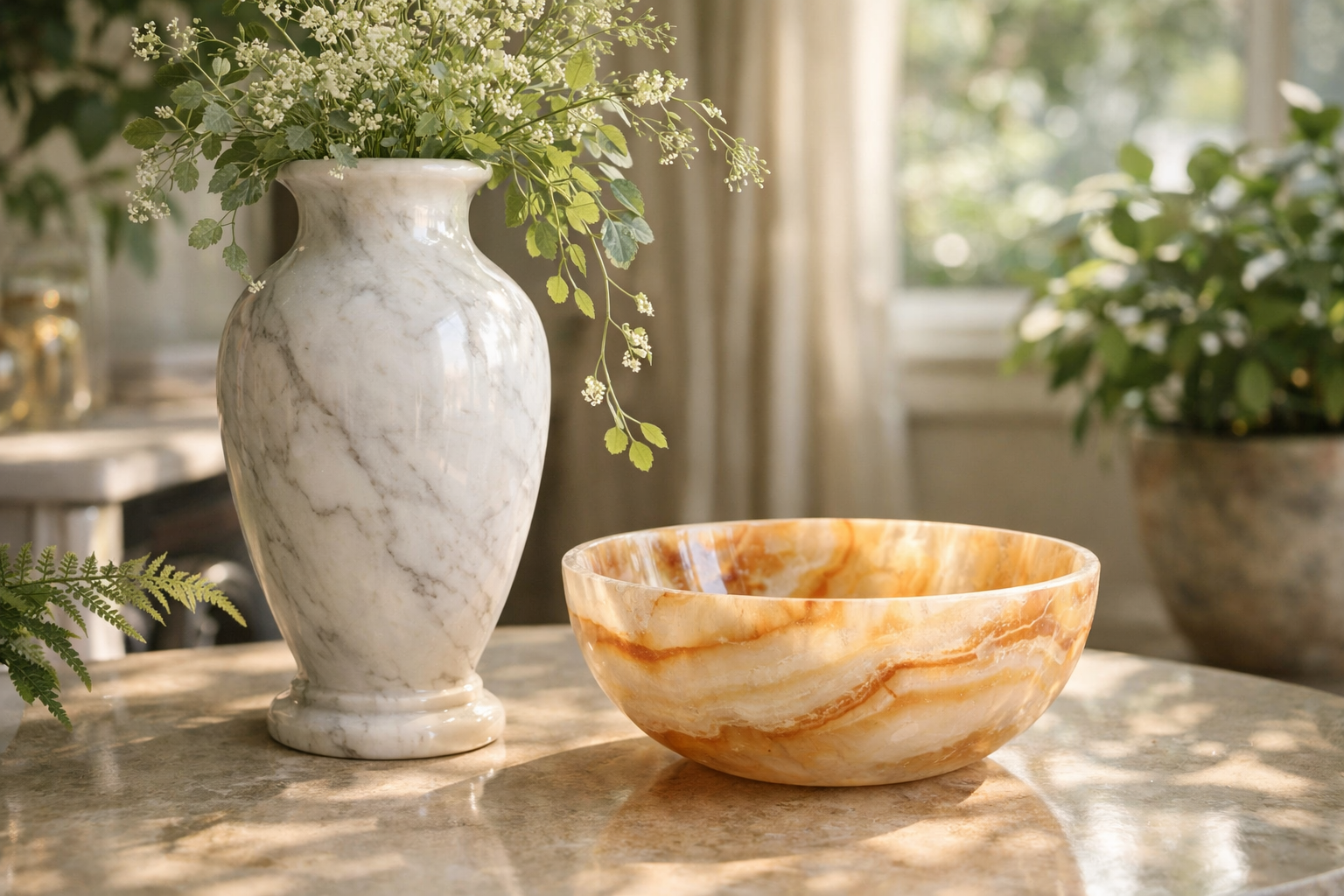
Pick up a hand-carved marble bowl, and you are holding something that began forming roughly 500 million years ago, limestone subjected to such intense heat and pressure that its minerals recrystallized into the dense, veined stone that has furnished the world’s most celebrated interiors. Onyx is younger and stranger: silica-rich water depositing mineral sediment in caves, building translucent bands of colour that no two quarries produce alike.
Both stones carry that geological history into your home. Handled correctly, they will outlast the furniture around them. The persistent belief that natural stone is too demanding for everyday use is precisely backwards, these materials simply ask for a different kind of attention than glass or ceramic. What follows is the complete guide to caring for your Creo Living stone pieces.
Marble and Onyx: Know What You Are Working With
Marble and onyx are chemically reactive. Both are calcium carbonate-based, which means they respond to acids the way metal responds to salt water. The result isn’t an immediate catastrophe; it’s a slow erosion of the polished surface called etching, appearing as a lighter, matte patch where the stone once gleamed.
Marble is opaque, relatively hard, and forgiving under daily use. Its grey, white, and gold veining is formed by mineral impurities, iron oxides, graphite, and clay caught during metamorphosis. A well-sealed marble piece handles a generous dining table with composure.
Onyx is a different proposition. Its translucency, that soft internal glow when light passes through it, comes from its layered, semi-crystalline structure, which also makes it more porous and sensitive to impact and chemical exposure. An onyx tray earns its place as a statement object. Treat it accordingly, and it holds that ethereal quality for generations.
Daily Cleaning Dos and Don’ts
Cleaning stone is not complicated, but common habits quietly damage it over months and years. The daily protocol:
Dos
- Do wipe with a soft, damp microfibre cloth after each use. Microfibre lifts residue without abrading the polish.
- Do use a pH-neutral, stone-specific soap for deeper cleaning, a single pump diluted in warm water is sufficient.
- Do dry thoroughly and immediately. Standing water, particularly in hard-water cities like Karachi and Lahore, leaves mineral deposits that etch the surface over time.
Don’ts
- Don’t use any product containing lemon, vinegar, bleach, or ammonia. These react directly with the stone’s calcium carbonate and dull the finish permanently.
- Don’t use abrasive scrubbing pads or steel wool. The polished surface of marble is a physical refinement, once scratched, it requires professional re-polishing to restore.
- Don’t spray all-purpose household cleaners directly onto stone. Most are formulated for surfaces that tolerate chemical contact; natural stone cannot.
The Culinary Culprits
The dining table is where stone pieces earn their place and face their greatest risks. Serving platters, serving dishes, and serving bowls encounter a wide range of foods, many of which are chemically aggressive toward natural stone. Knowing which to handle with care transforms the way you host.
- Citrus: Lemon, lime, and orange juice etch marble within minutes. Wipe any drips immediately and never cut citrus directly on the stone.
- Vinegar and tamarind: Both are acetic acid-based, common in Pakistani chutneys and dressings. Never use serving platters for vinegar-dressed dishes without a protective liner.
- Coffee and tea: Tannins stain, and heat opens the stone’s pores. Serving dishes used near hot beverages should be sealed regularly and wiped immediately after use.
- Turmeric: Among the most aggressive natural staining agents on porous surfaces, haldi binds to unsealed stone fast. When presenting curries in stone serving bowls, wipe the surface the moment the food is lifted.
- Red wine and pomegranate juice: Their pigments penetrate quickly. Blot immediately, never wipe, which spreads the stain, and follow with a pH-neutral cleaner.
- Oils: Ghee and olive oil don’t etch but stain by penetrating the stone. Buff away immediately; never leave oily residue sitting on any stone surface.
The governing principle: the more colourful, acidic, or pigment-rich the ingredient, the faster you respond.
Storage & Longevity Rules
How you store stone pieces determines as much of their longevity as how you clean them. Marble and onyx are heavy, rigid, and susceptible to cracking under point pressure, stacking carelessly is among the most common causes of chips and hairline fractures.
- Never stack stone directly on stone. Place a felt pad, foam sheet, or soft cloth between every piece. This is especially critical for cake stands, whose bases are typically the thinnest and most vulnerable point.
- Store cake stands base-up or flat. The pedestal column is a structural stress point; never rest the full weight of a stack on it.
- Avoid temperature extremes. Stone expands and contracts with heat. Storing pieces near a stove or in direct sunlight accelerates surface crazing over time.
- Wrap onyx pieces in acid-free tissue for extended storage. Standard newspaper ink transfers to the stone’s surface.
- Store serving platters and serving dishes vertically in a padded rack rather than flat-stacked. Vertical storage distributes weight evenly and eliminates pressure points.
- Seal annually. A quality penetrating stone sealer applied once a year and buffed off after ten minutes keeps the stone’s pores closed against staining agents, the single most effective longevity habit for any stone serveware.
Natural stone deserves to be lived with, not locked away. Visit the Creo Living website to explore our full range of marble and onyx serveware, luxury gifting pieces, premium home decor, statement furniture, and designer lamps crafted for those who collect with intention.
FAQs
1. Can I put my marble serving bowls in the dishwasher?
No. The dishwasher is one of the fastest ways to damage a marble piece. High heat, prolonged water exposure, and alkaline detergent etch the surface, strip the sealant, and, over repeated cycles, can cause the stone to crack from thermal stress. Always hand-wash with warm water and pH-neutral soap, and dry immediately.
2. My marble serving platter has a dull patch where something was spilled. Can it be fixed?
That’s etching, a chemical reaction that has altered the stone’s surface rather than merely staining it. Light etching can sometimes be buffed out at home using a marble polishing powder and a soft cloth in gentle circular motions. Deeper etching requires professional re-polishing. Prevention is far simpler: wipe acidic spills within seconds, not minutes.
3. Is it safe to place hot dishes directly onto stone cake stands or serving platters?
Marble handles moderate heat well, but direct contact with very hot cookware can cause thermal shock, particularly in thinner pieces. Always use a trivet or folded cloth as a buffer. Onyx is more heat-sensitive than marble and should never come into direct contact with hot surfaces.
4. How often should I seal my stone serveware, and what product should I use?
Seal active-use pieces once every twelve months; display-only pieces every two years. Use a penetrating impregnating sealer formulated specifically for natural stone, not a surface sealer, which can yellow. Apply to a clean, dry surface, leave for ten minutes, then buff off with a dry cloth. Allow 24 hours before use.